

Africa On The Move
folder_open Articles
For decades the only news reported about Africa was bleak, creating a singular and distorted image of the continent. Terrorism, famine, political corruption, and the proliferation of AIDS and other diseases dominated US media, driving the perceptions of many Americans. Today, however, brighter and more varied narratives are changing those perceptions.
The African Renaissance
folder_open Articles
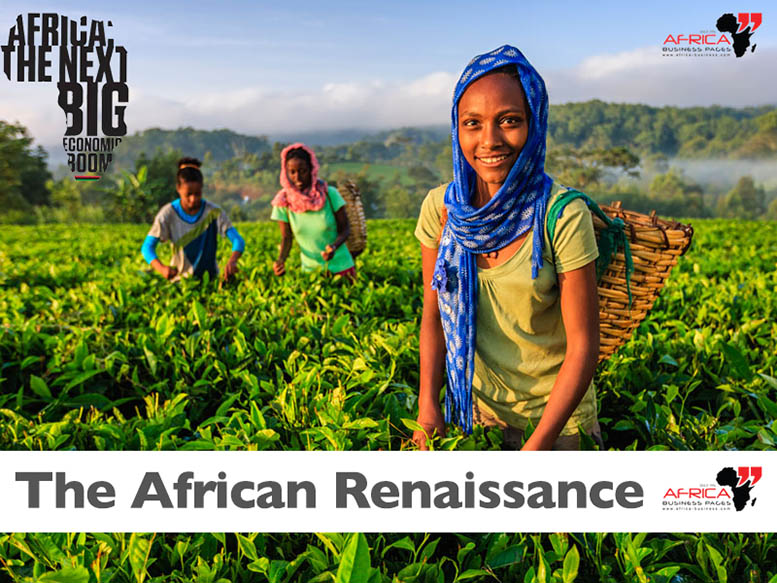
The perception has long been that Africa is hopeless, a place of war and famine seemingly populated almost entirely by tyrants and children with flies in their eyes. Naturally, with a new appeal every year and a new disaster every other, some people have begun to wonder if all the aid money from foreign nations pouring into Africa is doing any good. They argue that aid creates dependence, fuels corruption, undermines democracy and stifles development. And that debate is important, no doubt. But it is drowning out a more significant development – that aid is no longer Africa’s main source of foreign income. Africa is now becoming an attarctive business destination.
Did You Know?
folder_open Articles
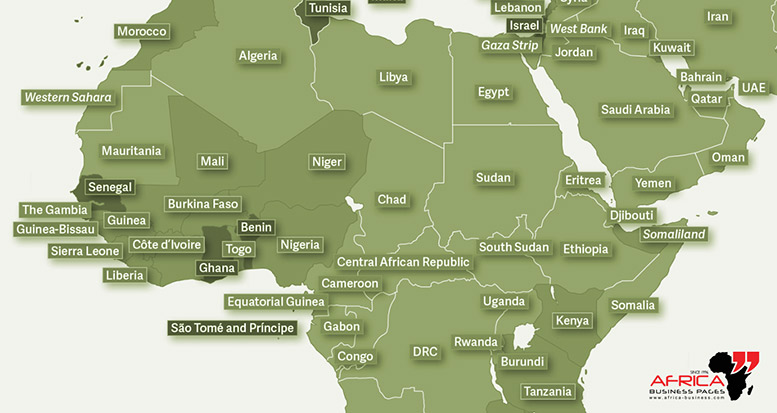
Africa is the second-largest continent in the world, ranking second in both landmass and population. Covering about a fifth of the Earth's total land area, it is a region of unparalleled geographical, biological, and cultural diversity. Here are some of the most fascinating facts about the African continent.
India-Africa Trade: Gaining Momentum
folder_open Articles
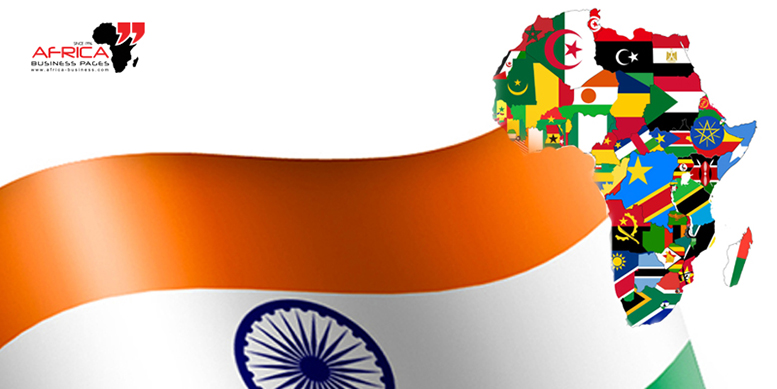
India has been actively promoting trade with Africa in recent years. To boost the country’s trade with the Sub-Saharan African region, the Government of India launched the “Focus: Africa” programme under the EXIM Policy. Target countries identified during the first phase of the programme include Mauritius, Kenya and Ethiopia. The Government of India provides financial assistance to various trade promotion organisations, export promotion councils and apex chambers in the form of Market Development Assistance under the “Focus: Africa” programme.
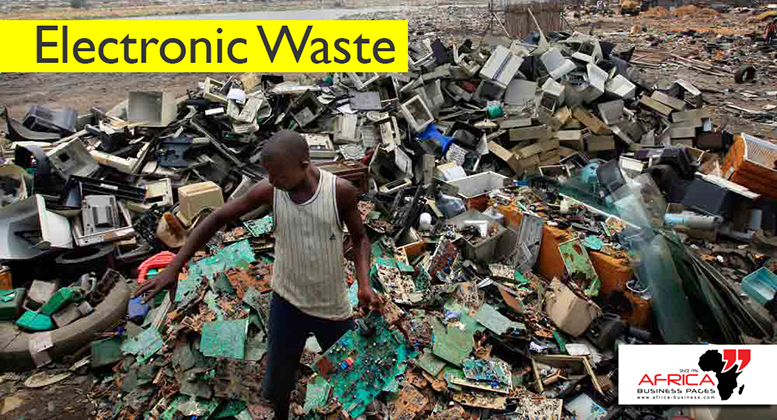
Used Computers Being Dumped in Africa
folder_open Articles
Africa is worried by the large-scale importation of used computers from the West that poses an environmental hazard to the impoverished continent. Children scavenging rubbish dumps for old computer parts are a common sight in Africa. The activity exposes them to dangerous minerals such as lead, cadmium and toxic fumes emitted from dump sites, experts say. “This is the situation in most African cities where ‘computer villages’ for selling old imported computers, especially laptops, are springing up,” said a spokesman for the World Wide Fund for Nature (WWF).
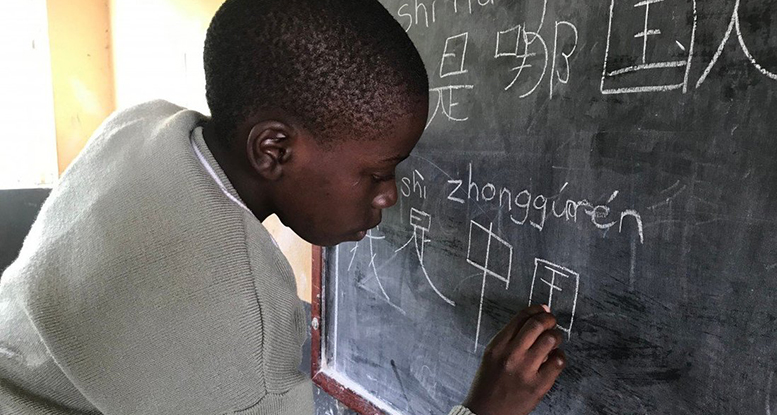
Mandarin Gaining Popularity in Africa
folder_open Articles
Contemporary Africa-China relations have a long history and began around the 1950s, when China signed the first official bilateral trade agreements with Algeria, Egypt, Guinea, Somalia, Morocco, and Sudan. As of the 21st century, the number of Chinese citizens in Africa is estimated to be over 1,000,000, while the African diaspora in China remains a vibrant community of around 200,000.
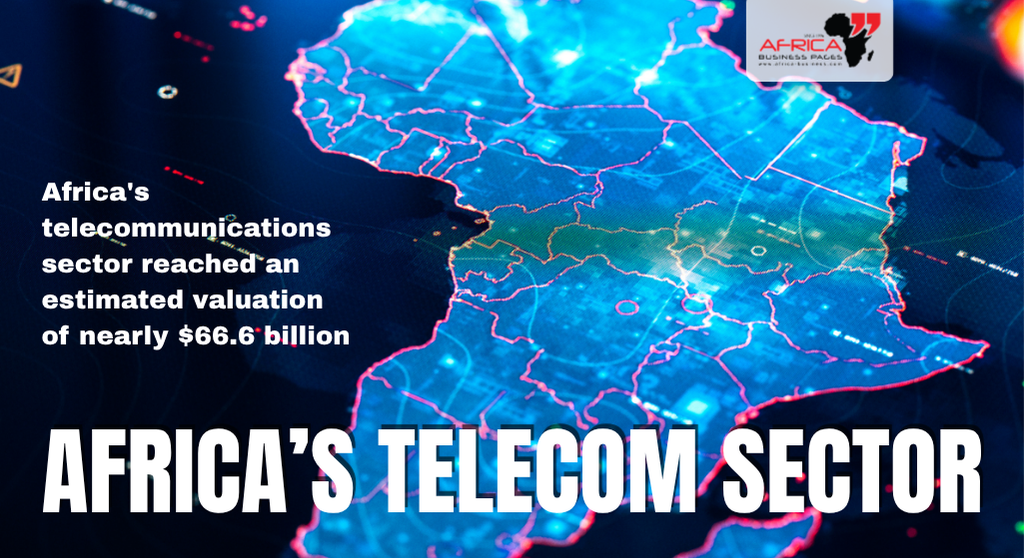
The Telecom Sector in Africa
folder_open Articles
Africa presents massive, continued opportunities in the telecom sector. The historic liberalisation of the sector, the extension of services by multinational conglomerates and the active competition currently in place have all contributed to an unprecedented digital revolution. Since the processes of liberalisation and privatisation were first embraced by African countries such as Uganda, Tanzania, Nigeria, the Sudan, South Africa and Kenya, their telecommunication infrastructures have improved drastically. Many African governments successfully developed their foundational telecommunication infrastructure by privatising their former state-owned enterprises. As a result, the telecom sector in the African market has consistently opened up new vistas of business opportunities. Africa has maintained its position as one of the fastest-growing mobile markets globally over the past decade. The subscriber base has expanded massively, with hundreds of millions of unique mobile users across the continent today, driven by dynamic markets like Nigeria and South Africa where digital adoption continues to accelerate at a remarkable pace. Mobile telephony has a uniquely positive and significant impact on economic growth, and this impact is proving to be vastly larger in developing digital economies than in traditionally saturated markets.
Preliminary request for participation in the trade show
place
calendar_today
Preliminary request for visitor registration
Visitor Registration
place
calendar_today