Browse News by Category
How China succeeded in capturing the emerging markets in Africa
folder_open Articles , Business Outlook , East Africa , West Africa
At the turn of the 21st century, Africa’s import landscape was still largely a reflection of its colonial past. European trading houses from France, the United Kingdom, Germany, and Italy dominated the supply of automobiles, industrial machinery, pharmaceuticals, and consumer goods across the continent. Fast-forward twenty-five years, and the commercial map of Africa has been completely redrawn. China has not only overtaken every European nation and the United States to become Africa’s largest bilateral trading partner for more than fifteen consecutive years, but has also embedded itself into the daily economic life of nearly every African household and enterprise.

Why Dubai has become a favourite sourcing point for African SMEs
folder_open Articles , Business Outlook , East Africa , West Africa
Walk through the bustling wholesale lanes of Deira’s Sabkha district, Murshid Bazaar, or the sprawling showrooms of Jebel Ali and Dragon Mart on any given weekday, and you will hear animated price negotiations in Swahili, Hausa, Yoruba, Amharic, and French. Over the past two decades, Dubai has evolved from a regional Gulf port into the undisputed wholesale supermarket for small and medium-sized enterprises (SMEs) across Africa. While China remains the world’s factory floor for mega-importers ordering ten containers of a single item, Dubai has captured the heart of Africa’s vibrant SME sector—the boutique owners, spare-parts stockists, electronics dealers, hardware merchants, and pharmacy chains that drive everyday commerce across the continent.

Drone tourism to change Africa's tourism industry by 2035
folder_open Business Outlook , East Africa , Southern Africa
Across the vast plains of East Africa and the dramatic coastlines of the Western Cape, the future of sightseeing is moving to the skies. The day is not far off when tourists visiting Africa will trade dusty, six-hour overland bush transfers and deafening helicopters for whisper-quiet, glass-cabin flying taxis. By 2035, "drone tourism"—where travellers board autonomous or piloted multi-rotor passenger drones for breathtaking, top-down aerial sightseeing—is set to redefine how the world experiences Africa’s most iconic landmarks. From hovering silently above the Great Wildebeest Migration in Kenya’s Maasai Mara to gliding over South Africa’s Table Mountain, Victoria Falls, and the Okavango Delta, passenger-carrying electric vertical take-off and landing (eVTOL) aircraft are poised to unlock a new golden era for African hospitality.

East Africa Rail Freight: Boosting Regional Trade & Port Efficiency
folder_open Business Outlook , East Africa
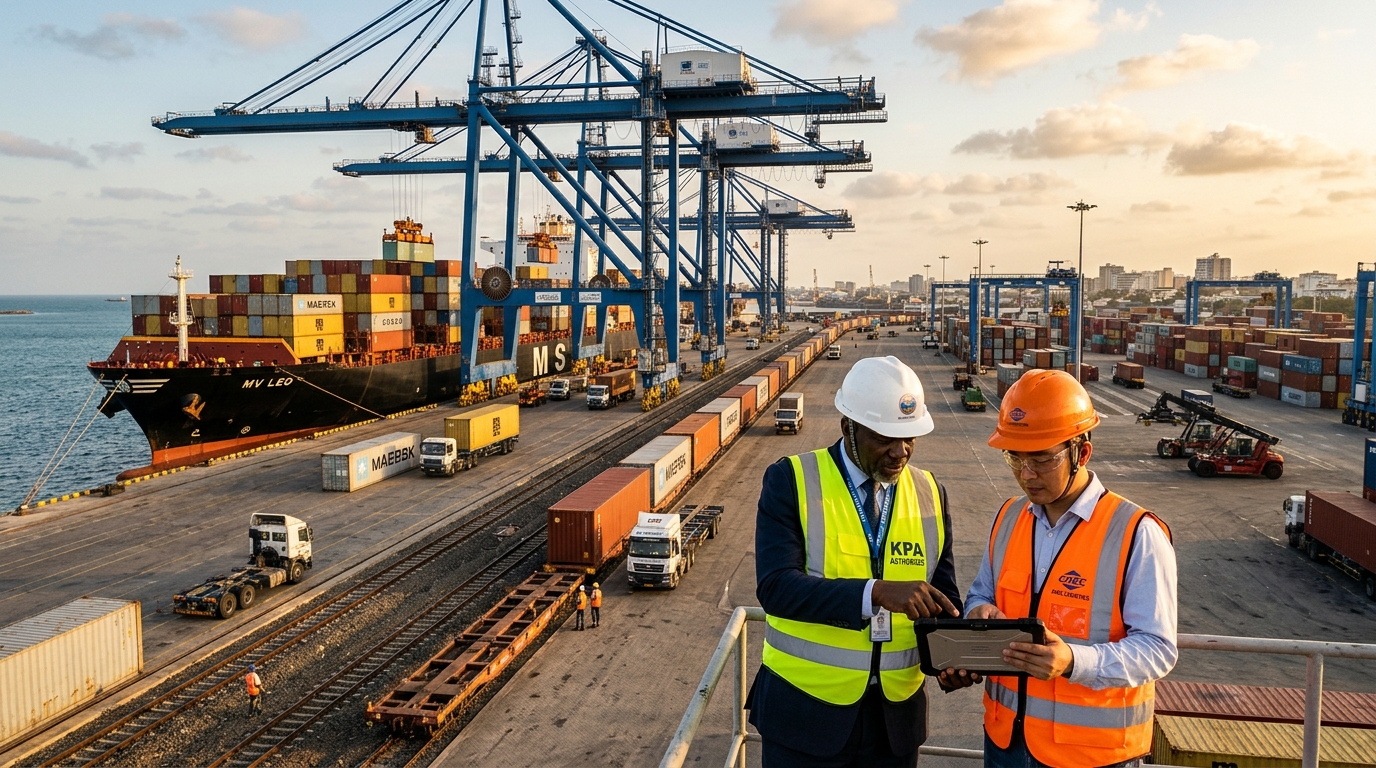
East Africa's strategic position as a trade gateway is underpinned by robust logistics infrastructure, crucial for connecting global markets with the continent's rapidly expanding economies. The region's ports and inland transport networks are vital B2B arteries, facilitating the efficient flow of goods across multiple nations. Enhancing these corridors is paramount for reducing trade costs, improving supply chain reliability, and unlocking the full economic potential of landlocked countries.

South Africa Auto Localization Drives B2B Supply Chain Growth
folder_open Automobiles Sector , Business Outlook , Southern Africa
In a global economic climate often characterised by supply chain vulnerabilities and cautious investment, South Africa's automotive sector is charting an ambitious course towards enhanced localisation and industrial resilience. The recent establishment of Ogihara South Africa's expansive 35,000 m² manufacturing and assembly plant in Durban stands as a powerful testament to this strategic shift. This significant investment, spearheaded by a major global player, not only underscores a deep commitment to the nation's long-term industrial potential but also signals a pivotal moment for businesses engaged in the continent’s burgeoning automotive trade and supply chain.

Nigeria SUV Market: Hyundai Expands West Africa B2B Fleet
folder_open Automobiles Sector , Business Outlook , West Africa
Nigeria's dynamic automotive market, a cornerstone of West Africa's economic landscape, is witnessing a significant strategic move as Hyundai Motors Nigeria expands its Sport Utility Vehicle (SUV) line-up. The introduction of the Hyundai Mufasa and Hyundai Grand Creta is not merely about new models; it signifies a calculated response to evolving consumer demands and a deeper commitment to the region's burgeoning B2B automotive sector. For global manufacturers, importers, and ancillary service providers, this expansion underscores Nigeria's enduring potential as a pivotal market for vehicle sales, aftermarket services, and long-term investment in distribution infrastructure. This development is set to reshape competitive dynamics and create fresh opportunities across the entire automotive value chain.
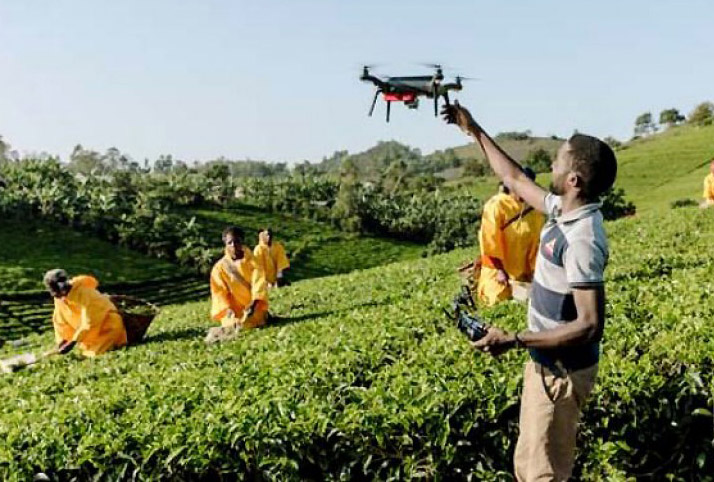
Farmers in Africa and agri-businesses sector in Africa could be worth a trillion-dollars by 2030 if given proper access to more capital, electricity, better technology and irrigated land to grow high-value nutritious foods, and if African governments can work more closely with agribusinesses to feed the region’s fast-growing urban population, according to a new World Bank report.
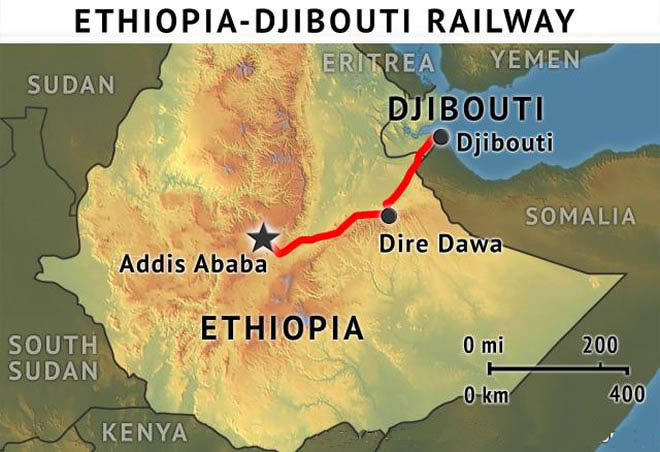
More than a century ago, when the old Port of Djibouti was built by the French colonisers, it was connected with a railway that linked Addis Ababa to Djibouti City. Given the size differences of the two countries – today Ethiopia’s population is more than 100 million, while Djibouti’s is less than 1 million – the port was never about trade with Djibouti, but trade with Ethiopia. It is no coincidence that today, the new Doraleh Container Terminal is the end of the line for the new Chinese-built Addis-Djibouti standard gauge railway.
Ethiopia's Untapped Gold Deposits
folder_open East Africa
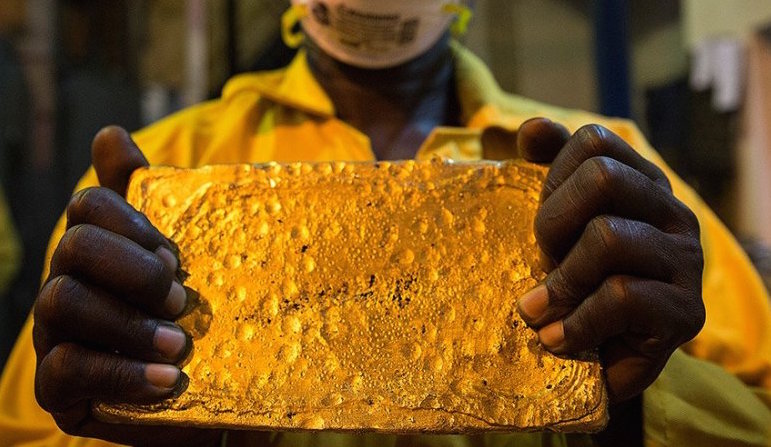
In today’s Ethiopia, gold is the mineral that is the biggest hard currency earner for the country. Although Ethiopia exports other minerals including sapphire, opal, tantalum, emerald, gemstones, and marble, gold has become a focus for Ethiopia a priority sector to transform the country’s economy. The government of Ethiopia wants to use the sector as an engine of growth to propel the country’s economic growth. It hopes to create one million jobs in the sector and generate over a billion dollar annual export revenue.
Kenya’s Blooming Flower Industry
folder_open Business Outlook , East Africa
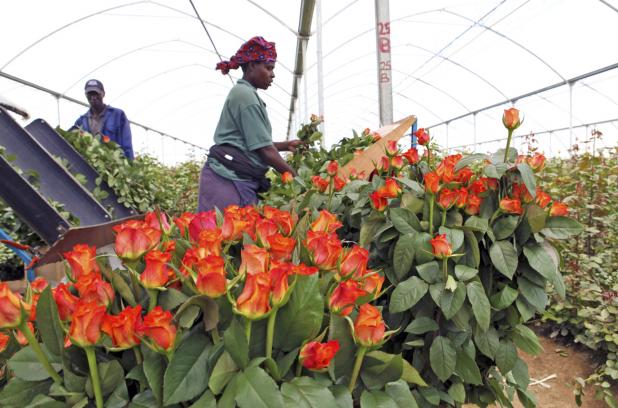
Kenya's economy largely relies on the agriculture sector. Horticulture sub-sector is one of the top foreign exchange earners for the country generating approximately US $ 1 billion annually. The sub-sector contributes roughly 1.25% to the national GDP while flower exports contributes nearly 1% from the flower industry. It has grown in significance to a vibrant flower industry worldwide.
Preliminary request for participation in the trade show
place
calendar_today
Preliminary request for visitor registration
Visitor Registration
place
calendar_today