


The lubricants industry in the UAE has long been recognized as one of the most significant components of the country's re-export economy. The UAE is at the absolute forefront of meeting the massive demands for high-quality lubricants not only within the Middle East, but also in neighboring high-growth regions like the CIS, India, Pakistan, Sri Lanka, Bangladesh, and Africa.
The Nigerian government recently revised its fiscal policy, aligning tariffs with the 2026-2027 ECOWAS Common External Tariff (CET) framework. The government hopes that these new Import Adjustment Taxes (IAT) will revitalise the local tyre manufacturing industry, increase employment, and effectively block the influx of unregulated sub-standard tyres from overseas markets.
The Tyre Market in Dubai
folder_open Automobiles Sector
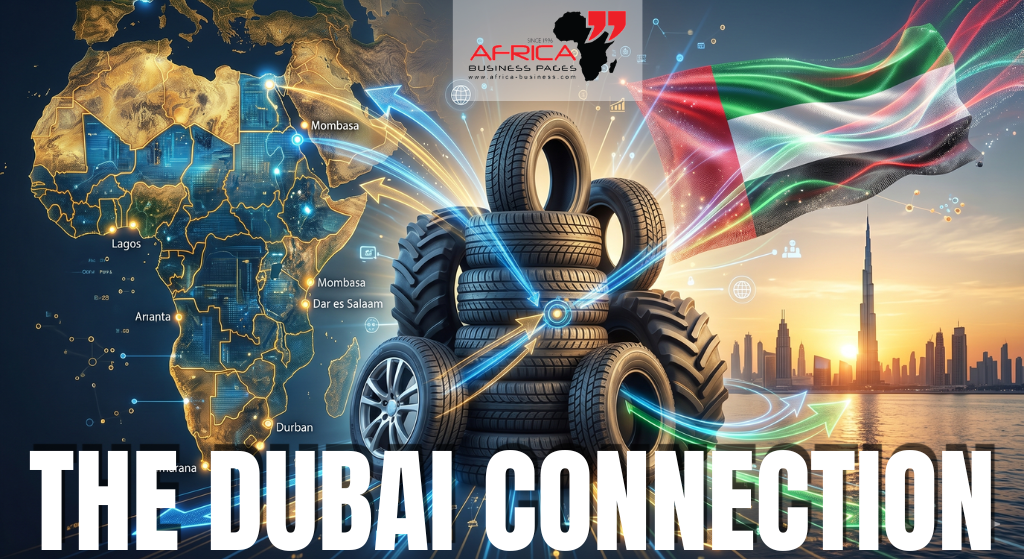
Dubai has firmly established itself as a leading global supplier of tires, tubes, and automotive batteries to international markets. With a highly sophisticated retail and wholesale sector, the tire export and re-export business in Dubai remains a major economic pillar, driving massive trade volumes to the GCC region, CIS, and the African continent. In 2025, the UAE tire market was valued at approximately USD 1.34 billion, reflecting a massive influx of trade and a rapidly expanding domestic vehicle fleet. Every year, millions of tires for passenger cars, buses, and heavy-duty logistics trucks are imported to Dubai, predominantly from major manufacturing hubs in China, Japan, and India. Over 65 percent of these tires are subsequently re-exported to rapidly emerging markets across Africa and the broader Middle East, while the remaining volume supports robust local consumption.
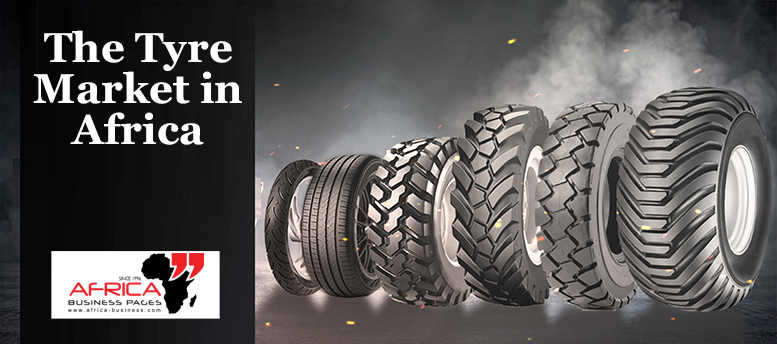
The tyre business in East Africa is undergoing a major transformation. The demand-and-supply equilibrium, historically disrupted by global economic fluctuations, is now being heavily reshaped by shifting global supply chains, rising freight costs, and booming automotive demand in Kenya, Uganda, and Tanzania.
Battery manufacturers in East Africa are actively collaborating with regional governments to secure their supply chains and protect consumers from an influx of substandard imports. Following historical challenges faced by major players like Associated Battery Manufacturers (ABM) due to predatory scrap lead exports, the region is now aggressively restructuring its automotive battery sector. Local manufacturers—including ABM, Uganda Battery Manufacturers, and Tanzania's Yuasa Ltd—have successfully lobbied for stricter quality control standards at ports of entry to block cheap, short-lifespan imports that fail to withstand harsh African road conditions.
Demand for Tyres in Kenya Grwoing
folder_open Automobiles Sector
Backed by an explosive increase in domestic automotive demand and the undisputed emergence of Kenya as the major East African commercial hub, the tyre market in the country is projected to witness massive volume sales growth over the next five years. Today, the Kenyan tyre market is a 100% replacement-driven, import-reliant ecosystem.

An explosive upsurge in the number of motorbikes across Africa has led to a massive increase in motorcycle spare parts businesses, as traders seek to cash in on the transport boom. This sector is currently one of the most lucrative and fastest-growing in the East African region, with independent traders and global suppliers alike rushing to satisfy the surging aftermarket demand.
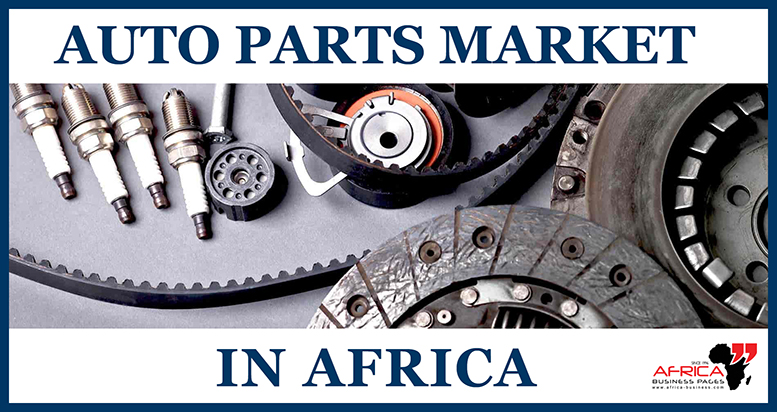
The rapid industrialisation, urbanization, and modernization sweeping through the African continent has resulted in an unprecedented demand for automotive capital goods, including machinery, lubricants, and replacement parts. The market for automobile spare parts, in particular, has evolved into a highly lucrative sector for UAE-based enterprises, who utilize Dubai's world-class logistics infrastructure to maintain their position as the leading suppliers to East, Central, and West Africa.
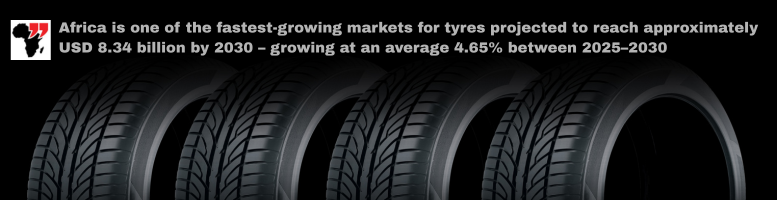
Tyres...
Preliminary request for participation in the trade show
place
calendar_today
Preliminary request for visitor registration
Visitor Registration
place
calendar_today