

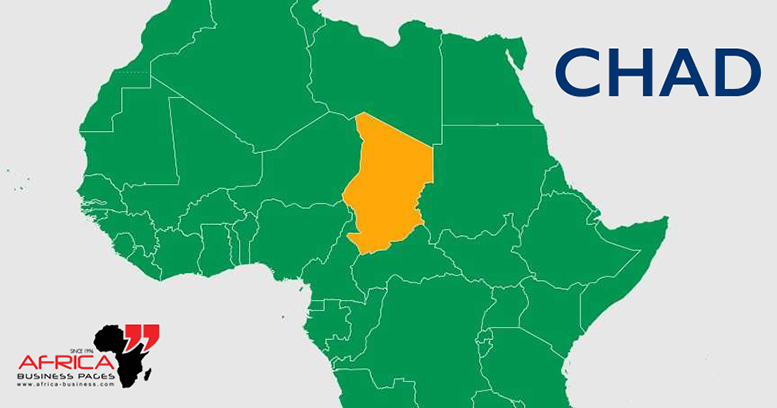
Chad: Business Opportunities Galore
folder_open Business Outlook
Chad’s economy has undergone a significant transformation since it officially became an oil-producing nation over two decades ago. The operational success of the Chad-Cameroon pipeline cemented crude oil as the country’s primary foreign currency earner, fundamentally shifting its commercial landscape. Today, the government continues to refine its revenue management frameworks to shield the economy from global oil price volatility and promote sustainable, long-term investments.
The African Transformation
folder_open Business Outlook
There was a time when Africa was was seen as a poor and backward area. Many economists believed that African countries were better off poor because wealth – especially resources that could be sold on international markets – inevitably fueled civil wars. Not any more. The new thinking now is to share Africa’s wealth more equitably. That’s right: Africa’s wealth.
Mobile Phones Industry in Africa
folder_open Business Outlook
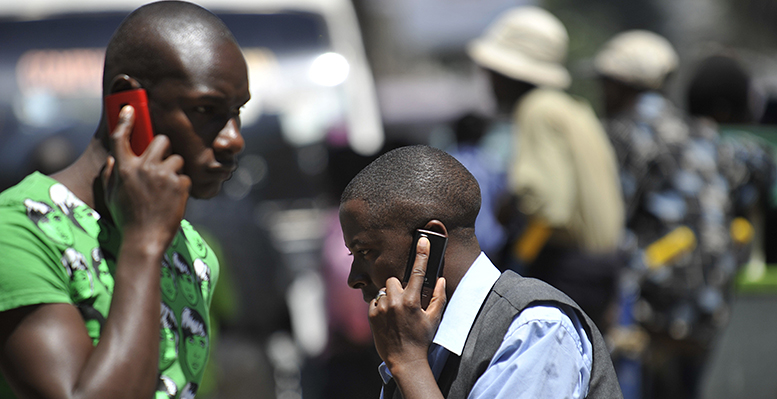
A recent comprehensive economic report indicates that the mobile industry now contributes over $170 billion to Africa’s economy, representing approximately 8.5 per cent of the continent's Gross Domestic Product (GDP). Mobile connections across the African continent have skyrocketed past the 1.2 billion mark, pushing mobile penetration well beyond 80 per cent in several key regions.
The Emerging Markets of Africa
folder_open Business Outlook
With all of the attention historically placed on volatile stock markets and governments around the world bailing out global financial systems, one might assume that investing in an emerging economy like Africa would be the furthest thing on the minds of international investors. However, that is entirely incorrect. Capital markets across Africa are booming, and institutional funds focusing on sub-Saharan Africa have exploded in the past few years. In fact, with regional market capitalizations expanding rapidly, Africa's stock markets present a dynamic growth frontier similar to Central Europe and Russia in the mid-1990s when they first opened up to foreign capital.

Why Africa?
folder_open Business Outlook
Africa has rapidly gained attention as the next investment hotspot and is being called “the final frontier.” A decade ago, the worldwide boom in investing in emerging markets initially benefited Africa along with other regions, but today many African countries stand out on their own as highly attractive investment opportunities.
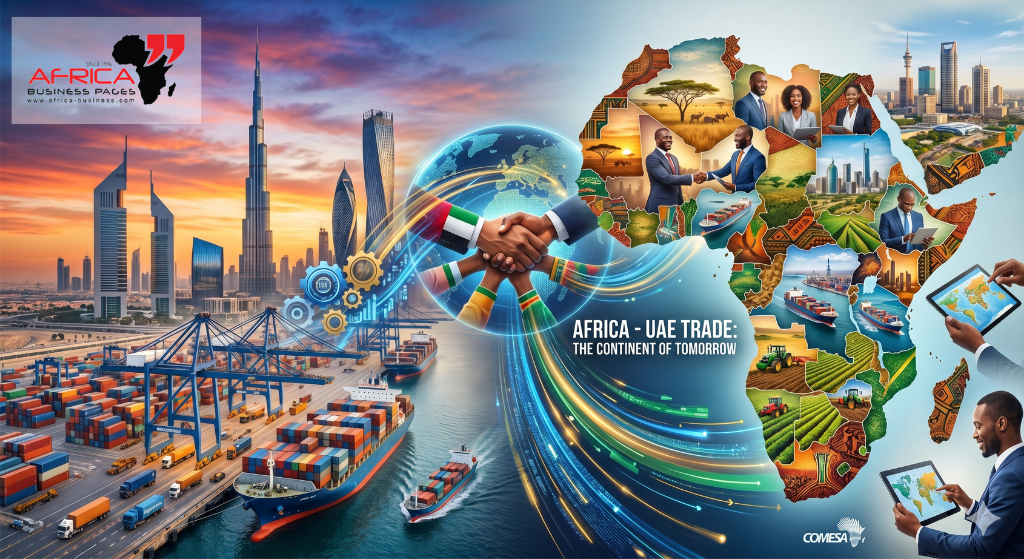
It is a well known fact that Dubai has emerged as one of the leading supplier of goods to many countries in Africa. Certain trade sectors have reported substantial increase in demand from African countries in the last few years. Many Africans are now travelling to Dubai in increasing numbers to purchase goods and to make direct contacts with suppliers and manufacturers. The improving economic and political situation in many East African countries has resulted in greater buying power for the average person in Africa and has in turn boosted demand for consumer goods. Many companies in Dubai are now looking for agents / distribiutors in Africa. Favourable economic policies adopted by many African countries have also attracted foreign investments in industrial and manufacturing projects - mainly in the several Export Processing Zones (EPZs) that have come up in countries like Kenya, Uganda and Tanzania in recent years. This has resulted in greater demand for capital goods, machinery and raw material - a demand that is being met by many Dubai-based enterprises.
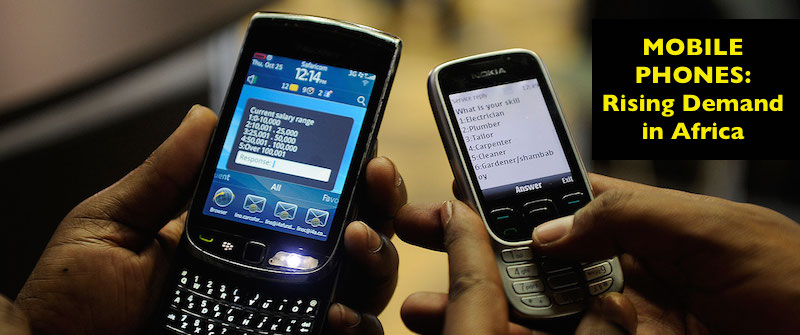
When it comes to digital connectivity, Africa has undergone an unprecedented mobile revolution. As of 2026, the continent has thoroughly cemented its status as a "mobile-first" region. According to recent GSMA Intelligence reports, Africa's mobile subscriber base has shattered early forecasts, surpassing 600 million unique subscribers. In a historic leapfrog over legacy infrastructure, more Africans have connected to high-speed mobile networks in the last decade than the entire global fixed-line rollout of the previous century.
The Booming African Markets
folder_open Business Outlook
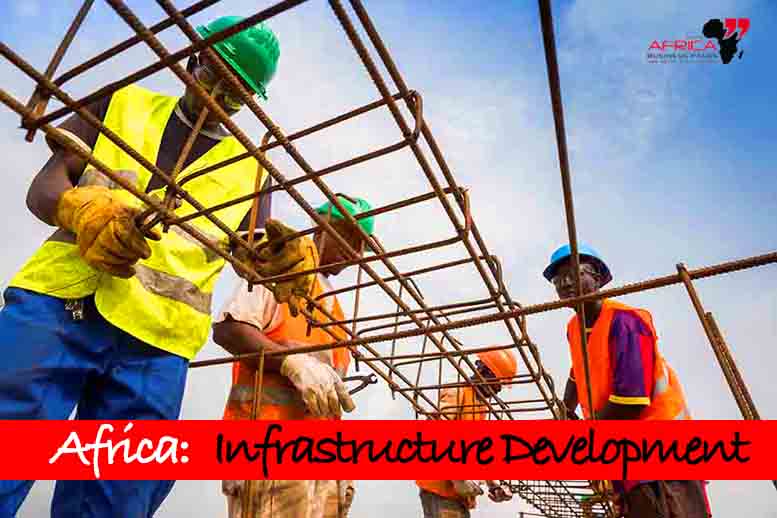
Historically, energy deficits severely hampered continental growth, but massive systemic changes have reshaped the landscape. While estimates once indicated that the African continent lost two percentage points of GDP growth annually as a result of its infrastructure deficit, aggressive national and pan-African electrification and infrastructure mega-projects have radically shifted this trajectory. Today, massive off-grid solar deployments and upgraded power grids are rapidly bridging the gap, bringing electricity to millions of previously unserved households.

Finding Business Partners in Africa
folder_open Business Outlook
Doing business in African countries is different in innumerable ways, and there is no rule book to execute the perfect strategy. We spoke with many experts in both the private and public sectors to gain a better understanding of the most effective approaches for investing and operating in these diverse markets. We have synthesized insights from interviews with those doing business in Africa to create the PAL Principles, which will help a mid-sized company to develop and implement its best strategy for African markets. This framework can be applied to any business, from the moment management decides to explore an African market as a potential option to after initial investments have been made.
A few years back the Chinese Premier had toured Africa in quest of Africa's resources and markets. He also visited Ghana where he pledged to help the west African nation "achieve its developmental objectives." During his brief visit to Ghana, the Chinese premier also inaugurated a highway project funded with a US$28 million soft loan from China. The highway links land-locked Burkina Faso, Mali and Niger to the Ghana's port city and main business centre of Accra.

African countries are in the spotlight once gain as demand in Africa for IT related products like computer hardware, peripherals and accessories continues to grow with the passing of each year. A large portion of this demand is being serviced by Dubai-based computer companies – both traders and manufacturers.
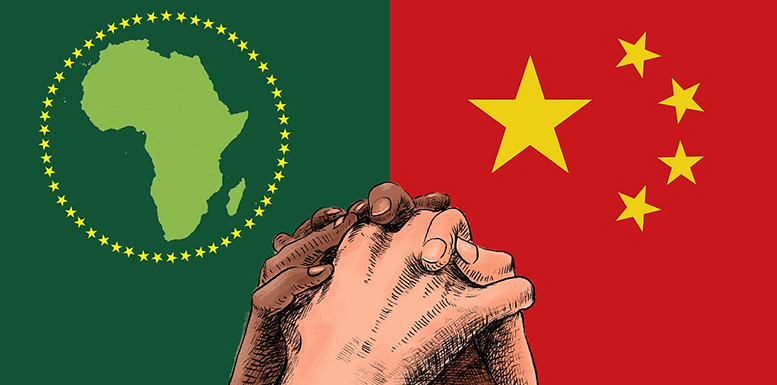
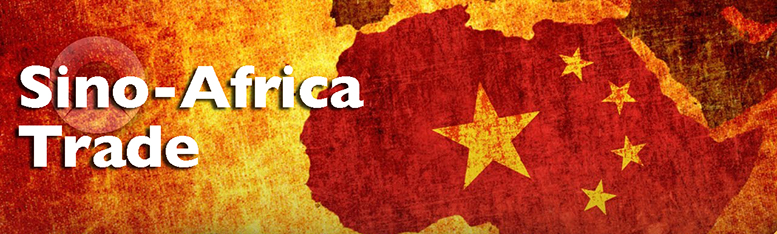
The positive business environment in Africa has long been noticed by the international community, and investments into the continent have been flowing from various global powers. China, acting as one of the most prominent economic forces, has deeply embedded itself into African markets. Trade between China and Africa has been registering unprecedented growth, currently standing at a record-breaking $348 billion as of 2025.
Preliminary request for participation in the trade show
place
calendar_today
Preliminary request for visitor registration
Visitor Registration
place
calendar_today