

Africa Ready for Islamic Banking
folder_open Business Outlook
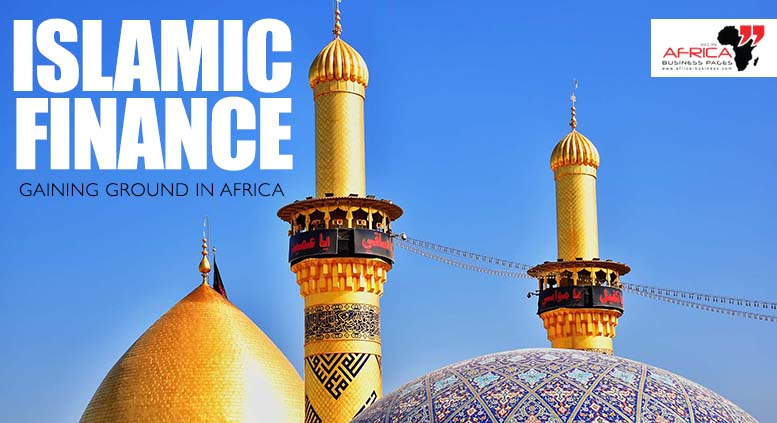
In spite of its small Muslim population, South Africa has emerged as one of the largest producers of halal products worldwide. This is largely due to its strategic access to the rest of the African continent and the presence of highly advanced halal certification programmes. Impressively, 60 per cent of all products in South Africa’s retailers are certified halal. Driven by rapid urbanization and expanding cold-chain capacity, South Africa aims to continuously scale its halal-certified exports and reinforce its position as the premier gateway to Africa’s halal food and beverage market.
India, China Eye African Markets
folder_open Business Outlook
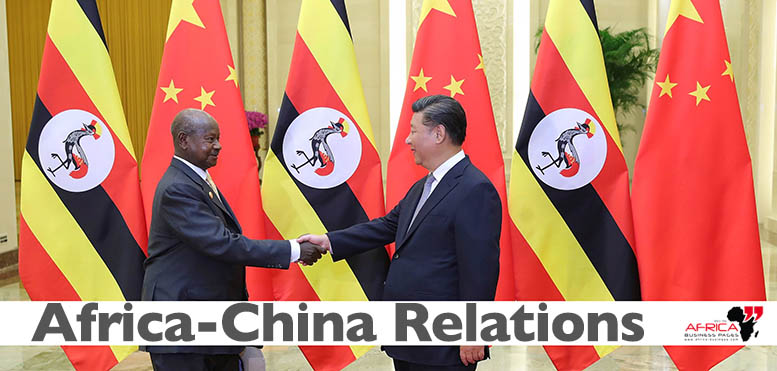
China and India’s newfound interest in trade and investment with Africa – home to 300 million of the globe’s poorest people and the world’s most formidable development challenge – presents a significant opportunity for growth and integration of the Sub-Saharan continent into the global economy. These two emerging economic “giants” of Asia are at the centre of the explosion of African-Asian trade and investment, a striking hallmark of the new trend in South-South commercial relations.
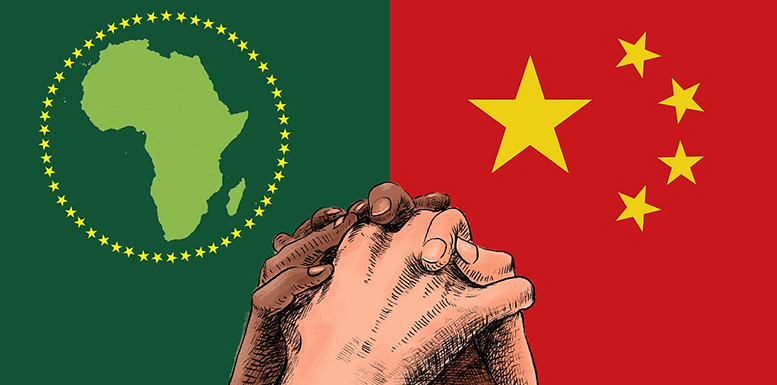
The positive business environment in Africa has already been noticed by the international community and investments into Africa have been flowing from various countries around the world. China, one of the fastest growing economies in the world, has already started making inroads into the African markets and established a special China-Africa Business Council recently.
The Future of Business in Africa
folder_open Business Outlook
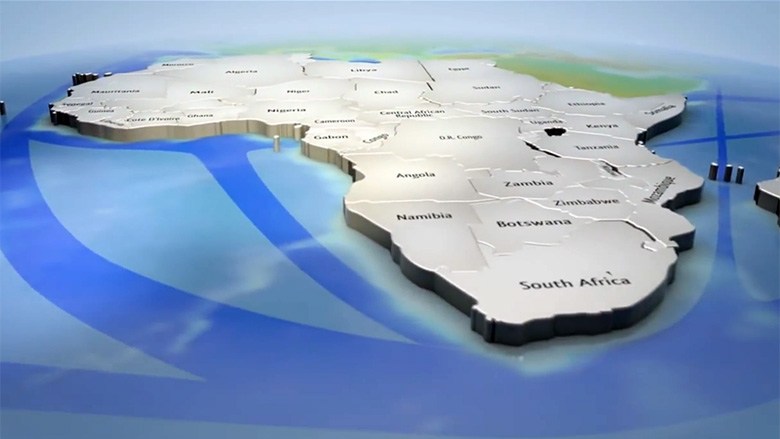
A surge in population, rapid urbanisation, the adoption and absorption of new technologies, as well as the continued unlocking of abundant resources and the deepening of the continent’s financial sector are five prominent trends that are expected to propel Africa’s on-going economic reinvigoration in the next four decades.
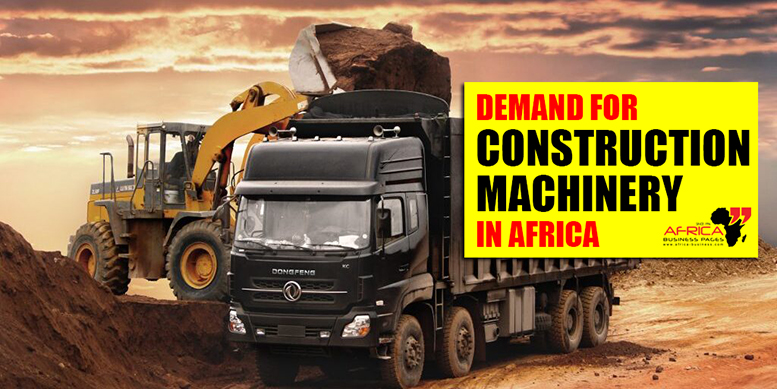
The burgeoning construction sector in many African countries has harbingered good times for companies manufacturing construction machineries and equipment as well as those selling used and refurbished heavy equipment and machinery. The appreciable increase used construction machinery in real estate and construction activities in African countries has resulted in a substantial surge of demand for concrete mixers, bar-bending and cutting machines, excavators and backhoes and earth rammers.
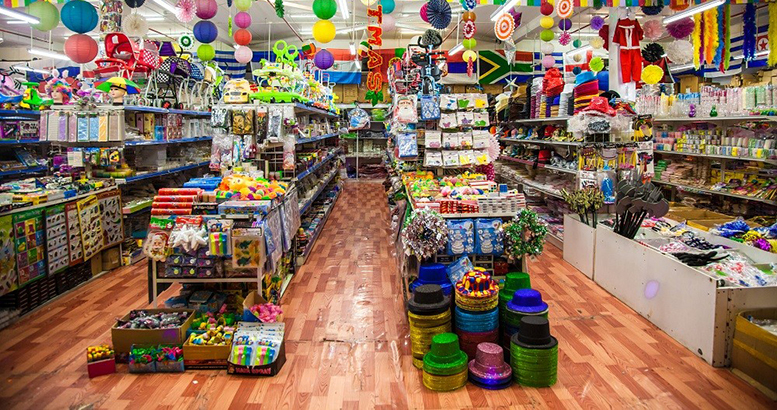
In recent years, Chinese goods have emerged as popular items of trade among African counries and Chinese companies are exporting in increasing quantities of a wide variety of products directly to the African markets. As a result, China's trade with Africa has been registering a substantial growth in recent years.

Focusing on South Africa, initial studies state that Muslims represent approximately 2.3 per cent (or 1.3 million) of the population, yet contribute well over 10 per cent of the national GDP. Historically, only a fraction of this population utilized dedicated Islamic banking, but adoption has accelerated significantly.

Africa Attracts Arab Investors
folder_open Business Outlook
The massive accumulation of capital in the oil-rich countries of the Middle East has resulted in Arab investors aggressively spreading their portfolios across North and Sub-Saharan Africa. In search of the high-growth returns that are becoming increasingly difficult to secure in saturated Western markets, Gulf sovereign wealth funds and private conglomerates have identified Africa as the ultimate investment frontier.
How Africa Can Overcome Its Problems
folder_open Business Outlook
Centuries of slavery and colonialism deprived the African continent of her able human and economic resources. The able men and women were carried away to work in the plantations of the Americas (in all about 30 to 40 million people) and they helped to make America and Europe what they are today. Obviously, the slave trade deprived the continent of her energetic men and women—a vital resource in any development process—and sunk the continent into an intellectual wilderness.
Africa's Internet Explosion
folder_open Business Outlook
While it is still far behind most of the world, African connectivity has exploded over the past decade. International and pan-African telecommunication operators have invested in information and communication technology (ICT) infrastructure to improve connectivity and cut costs for both operators and end users.
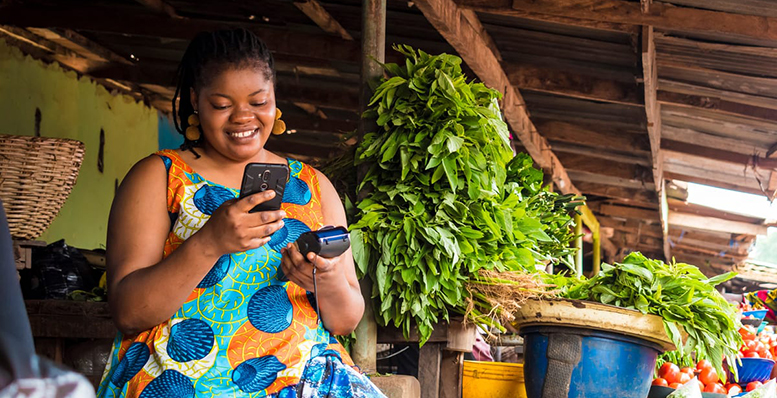
Double-digit growth has firmly taken root in the East African mobile market over the last decade, transforming the region into a global leader for mobile-first technologies. As of 2025, the core East African market (Kenya, Tanzania, Uganda, and Rwanda) boasts over 150 million active mobile subscribers, pushing the regional penetration rate well above 80 percent. The market has shown explosive growth as legacy fixed-line networks were entirely bypassed in favor of advanced mobile telephony.
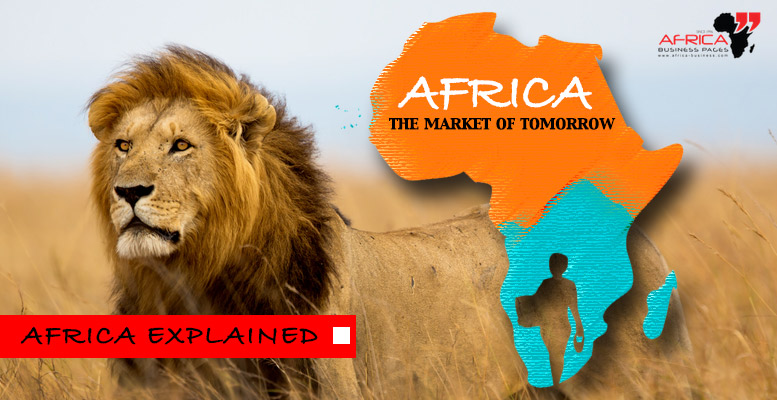
For decades the only news reported about Africa was bleak, creating a singular and distorted image of the continent. Terrorism, famine, political corruption, and the proliferation of diseases dominated the international media, driving negative perceptions of Africa. Today, however, brighter, data-driven, and highly varied narratives have entirely rewritten those perceptions, unveiling the continent as the world's most dynamic emerging market.
Preliminary request for participation in the trade show
place
calendar_today
Preliminary request for visitor registration
Visitor Registration
place
calendar_today