

Browse News by Category

Nigeria Food & Beverage Market: Manufacturing & Import Growth
folder_open Foodstuff & Beverages , West Africa
Nigeria's food and beverage sector stands as a cornerstone of West Africa's economic landscape, offering immense B2B trade potential for global suppliers. Driven by a burgeoning population and evolving consumer preferences, this dynamic market is characterized by robust local manufacturing expansion and a consistent demand for diverse imported goods, making it a critical hub for regional commerce and investment.
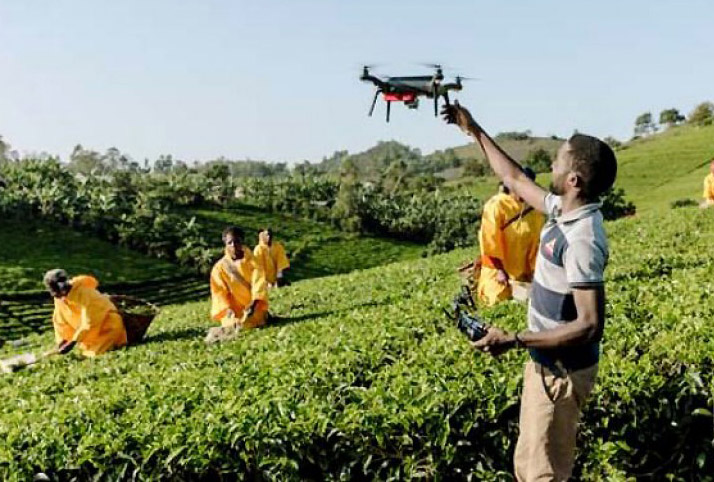
Farmers in Africa and agri-businesses sector in Africa could be worth a trillion-dollars by 2030 if given proper access to more capital, electricity, better technology and irrigated land to grow high-value nutritious foods, and if African governments can work more closely with agribusinesses to feed the region’s fast-growing urban population, according to a new World Bank report.
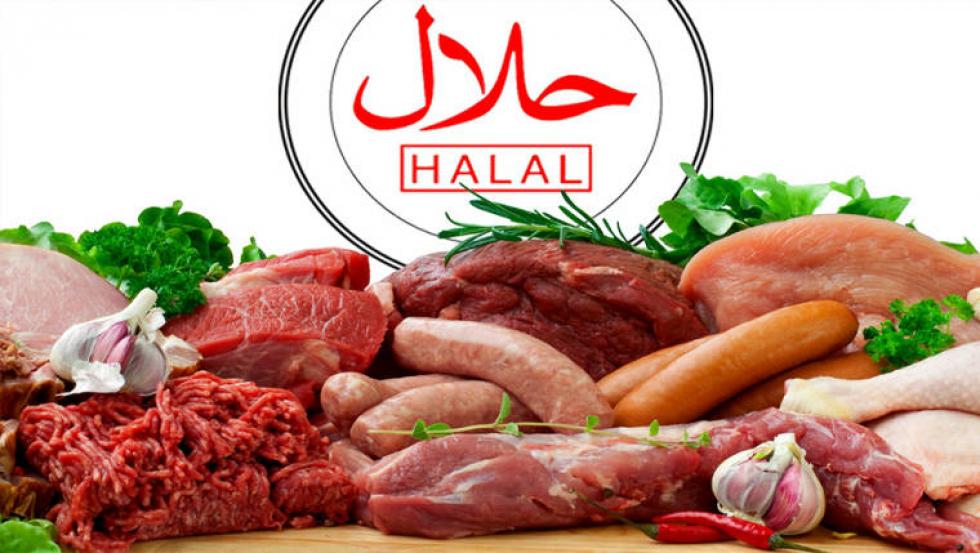
Africa Might Emerge As A Major Supplier of Halal Food
folder_open Business Outlook , Foodstuff & Beverages
With the Belt and Road Initiative poised to transform market access across Asia, potential partnerships with African companies are opening as they seek to target Asian consumers. In particular, many South African halal food producers have high hopes that Hong Kong could prove the ideal gateway for boosting their exports across the region.
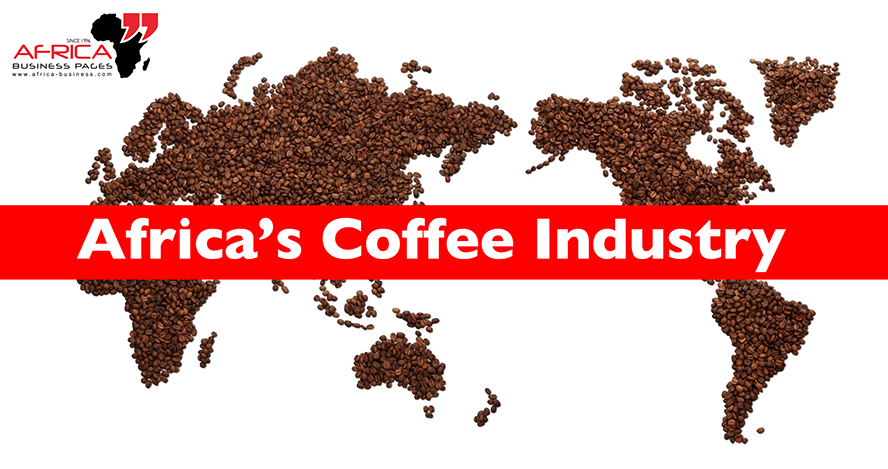
Coffee is big business – it is estimated that over 2 billion cups of coffee are consumed around every day around the world. According to rough estimates, over 140 million bags of coffee beans are traded internationally.

Kenyan food manufacturer Ariel Foods expands in West Africa
folder_open Foodstuff & Beverages , West Africa
Ariel Foods, a renowned Kenyan therapeutic foods manufacturer famous for its food supplements for malnourished people worldwide is expandeding its operations in West Africa through its base in Nigeria seeking. The food company aims to tap into the wider West African market through its operations in Nigeria.
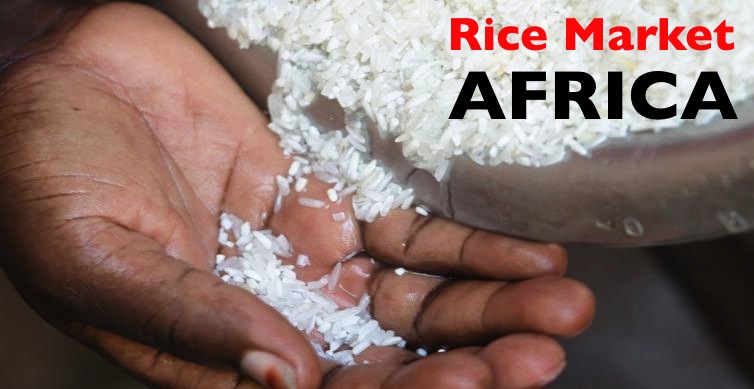
India's rice exports to Africa have been severely hampered as cheaper rice from China and Thailand begins to eat into India’s traditional markets in Africa. Indian exporters of rice are now seeking government intervention to salvage the situation in the form of incentives.

Africa Business Pages, the leading B2B portal connecting African buyers with global suppliers, has compiled a special directory of rice importers in Africa. The Africa Rice Importers Directory lists major rice importers in Africa from over 40 African countries.
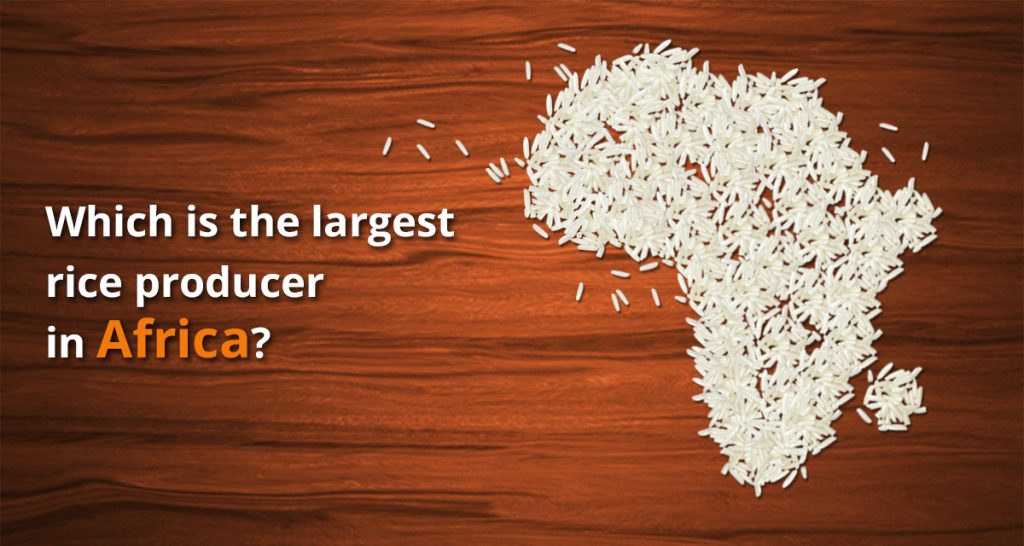
Rice is continuously gaining importance as a staple food in Africa. While Africa has vast areas of land that are suitable for rice cultivation, they are underutilized, prompting the African markets to import nearly 40% of its rice requirements at a cost of approximately US$1.1 billion per year.
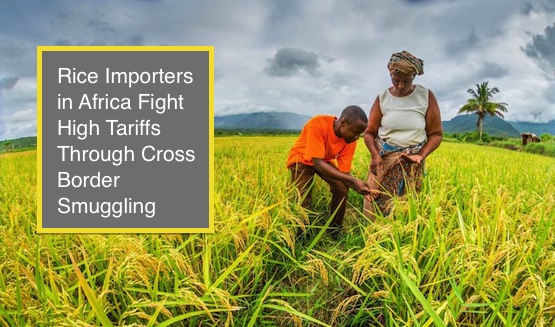
According to industry reports, Africa imported 17 million tonnes in the last five years.
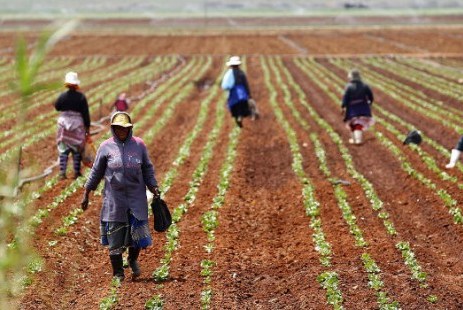
So Many People, So Little Land
folder_open Articles , Foodstuff & Beverages
As drought and famine threaten millions of lives in the horn of Africa, global food security — or rather insecurity — is at the forefront of development discourse. What’s more, Harvard University demographers forecast that before the end of the 2018, the world’s population will reach 7 billion. In light of these daunting statistics and what the United Nations is calling “the worst humanitarian disaster in the world,” one cannot help but wonder: how will the planet continue to feed itself?
Preliminary request for participation in the trade show
place
calendar_today
Preliminary request for visitor registration
Visitor Registration
place
calendar_today