
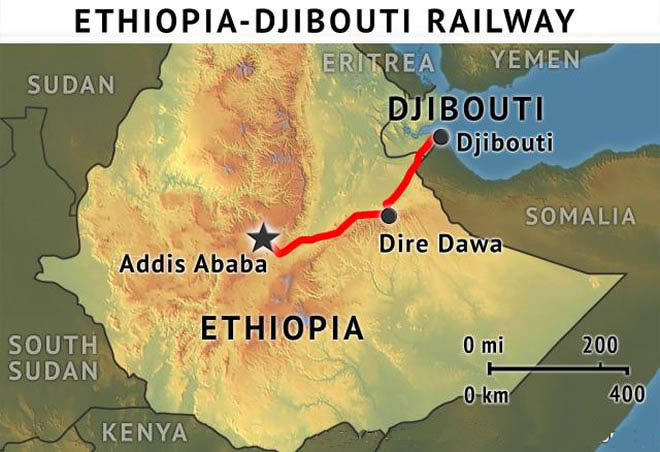
More than a century ago, when the old Port of Djibouti was built by the French colonisers, it was connected with a railway that linked Addis Ababa to Djibouti City. Given the size differences of the two countries – today Ethiopia’s population is more than 100 million, while Djibouti’s is less than 1 million – the port was never about trade with Djibouti, but trade with Ethiopia. It is no coincidence that today, the new Doraleh Container Terminal is the end of the line for the new Chinese-built Addis-Djibouti standard gauge railway. Djibouti had little going for it when it became independent in 1977, but by exploiting its geographic position and putting into place well thought-out policies, it has developed into a global trading centre. Djibouti’s position as the main entrepôt for Ethiopia was cemented in 2017 when the new Ethiopia-Djibouti Railway was completed. It replaced the ageing colonial-era line and reduced freight transport times between Addis Ababa and the Port of Djibouti from 50 hours to 12 hours. The Tadjourah-Balho-Mekele road, a highway connecting Djibouti and Ethiopia was recently inaugurated. The inauguration was attended by Djibouti president, Ismaïl Omar Guelleh, Ethiopian minister of transport and other dignitaries. The 120km road is set to connect the new Tadjourah port of Djibouti, dubbed a third corridor to the small town of Balho the city of Mekelle the capital city of Tigrai, Ethiopia. The Tadjoura Port has been built to mainly focus on general cargo, such as livestock, sesame, frankincense, fertilizers and grain. Historically, one of Djibouti’s strategic advantages has been its stability. In an inherently unstable part of the world – its other neighbours include Eritrea, Somalia and Yemen – Djibouti represents a relatively low-risk investment destination. But Somaliland is providing competition on this front. If trade from Ethiopia dries up, ships will no longer be queuing at sea for their turn to dock at these ports. This is significant because there are two separate situations that threaten the trading relationship between Ethiopia and Djibouti. The first is the brewing political crisis in Ethiopia. Djibouti Port: Promoting Trade With Ethiopia The government of Djibouti is determined to strengthen the country’s position as the premier port site in the Horn of Africa. Ethiopia is seeking to diversify its range of port options and has signed deals to use Port Sudan in eastern Sudan and the emerging port of Lamu in Kenya. The World Bank estimates that Djibouti’s GDP grew by 7.2% in 2019 and predicted growth of 7.5% in 2020 and 8% for the 2021-23 period. These figures are likely to be downgraded as a result of the coronavirus crisis but the country’s long-term economic prospects look very sound. The economic base is already beginning to widen with the emergence of construction materials and food processing sectors. Under Vision 2035, the government aims to create a more diverse economy by developing a digital technology hub, promoting light manufacturing export processing zones and improving national infrastructure, as the port and logistics sector continues to grow. Plans have also been drawn up to attract investment in financial services, tourism and renewable energy. Concrete targets have been set, including creating more than 200,000 jobs and tripling per capita income by 2035. Tadjourah-Balho-Mekele The US $156m road project was financed by the Kuwait Fund for Arab Economic Development (KDEF). The new highway will go through the Djiboutian border town of Balho intercepting the road to the port of Assab in Eritrea which used to connect Ethiopia to the sea and will go through Afar to Mikelle the capital city of Tigrai. In 2017 Djibouti opens a new port at Tadjouran in North-Central Djibouti, which is equipped with cutting edge facilities, including a potash handling system with a capacity of 2,000 tons per hour. The port is developed in conjunction with other major infrastructure works in the region, including the North Tadjourah-Balho corridor highway, and the proposed expansion of Djibouti’s railway system with a new northern corridor railway. Port of Tadjourah, in the north of the country, is the closest outlet for Ethiopia’s Afar and Tigrai regions, where a number of companies are developing potash mines. Tigrai Online has received relevant information that the extremist Amhara groups were actively working with the help of the Egyptian government to undermine the completion of the Tadjourah-Balho-Mekele road. The enemies of Tigrai desperately tried to sabotage the construction of the new highway to cut off Tigrai from the sea and limit it to be only through Addis Ababa-Woldiya-Mekelle and then they turned around and closed the federal highway connecting Addis Ababa and Mekelle. Highway connecting Djibouti and Ethiopia The construction of the highway will help relieve the congestion of commercial traffic between the port of Djibouti and Ethiopia. The new road will also cut down the travel time for trucks going from Djibouti to Afar and Tigrai states substantially. Since the new road doesn’t go through the Amhara regional state the difficulty, robbery, road blockage, and other illegal activities against any transportation systems will be eliminated. The brand new Tadjoura Port is built to mainly focus on general cargo, for example livestock, sesame, frankincense, fertilizers and grain. Around 97pc of Ethiopia’s import-export cargo has been coming through Djibouti's ports since the 1990s. The rest are shipped through Port Sudan and Berbera, respectively. Until last year, imported freight of Ethiopia stood at 13.5 million tonnes, while exports reached more than 1.8 million tonnes a year. Ethiopia had been using Assab and Massawa ports in Eritrea, both of which are close to the northern parts of the country before the late 1990s until diplomatic relations between the countries deteriorated. Trade with Ethiopia The fast-growing Ethiopian economy has accelerated traffic through the Port of Djibouti, with the volume of containers handled rising from 176,453 in 2002 to 854,851 in 2014, according to figures by Djibouti Ports and Free Zones Authority (Autorité des Ports et Zones Franches Djibouti, APZFD). Figures also show an average of 1500 transport trucks crossing the border daily between Ethiopia and Djibouti, with this expected to climb to as many as 8000 trucks by 2020. Currently, the shipping cost of bringing a twenty-foot equivalent unit from Shanghai into the Port of Djibouti is around $600 and takes 14 days, with an additional $750 and two days needed to take the container all the way into Addis Ababa in Ethiopia, according to figures by the APZFD. However, freedom in determining the price for freight forwarding in Djibouti led to a discrepancy in prices, with prices charged for Customs and port procedures varying from between DJF18,000 ($100) to DJF40,000 ($225), according to figures by the APZFD. To prevent price variability from impacting the competitiveness of the Djibouti-Ethiopia corridor, the government established fixed prices for these operations in 2015, with the new regulations enforced from January 2016. Road congestion has been a major problem when linking cargo transport between Djibouti and Ethiopia but work is afoot to shift traffic off the road, and onto a recently rebuilt railway line. The 753-km Chinese-financed railway link will be able to transport up to 3500 tonnes per voyage between the countries – seven times the maximum capacity of the previous line – and cut travelling times to around ten hours, from the current average of two days it takes trucks. Speaking to media in 2015, Getachew Betru, chief executive of state-owned Ethiopian Railways, described the project as a “game changer,” adding, “It will be one of the most vibrant economic corridors in the world.” Djiboutian officials hope the railway will eventually be extended to South Sudan, the Central African Republic and Cameroon, connecting the Red Sea and the Atlantic Ocean. Longer term, officials hope to build on the country’s geographical position, abutting markets in the Middle East, North Africa and East Africa, along with its transport links by developing special economic zones, where foreign companies will be able to assemble goods. New Pipeline Another project set to ease overall cargo transport will be the construction of a 550-km pipeline between Djibouti and central Ethiopia. The $1.55bn project will be used to ship refined petroleum products, which have been typically transported using tanker trucks. The new infrastructure will have the capacity to move 240,000 fuel barrels per day. “The energy pipeline is likely to improve road congestion and will create more room for logistics companies,” Reuben Ahronee, director-general at Massida Group, a local logistics operator, told OBG. Djibouti is a key transhipment centre and the main seaport for Ethiopian international trade since it is strategically located near the busiest sea routes in the world, controlling access to Red Sea and the Indian Ocean. Upon completion the highway is expected to relieve the congestion of commercial traffic between the port of Djibouti and Ethiopia. The new road will also cut down the travel time for trucks going from Djibouti to Afar and Tigrai states substantially. Moreover, since the new road doesn’t go through the Amhara regional state the difficulty, robbery, road blockage, and other illegal activities against any transportation systems will be eliminated.
Kenya’s Blooming Flower Industry
folder_open Business Outlook , East Africa
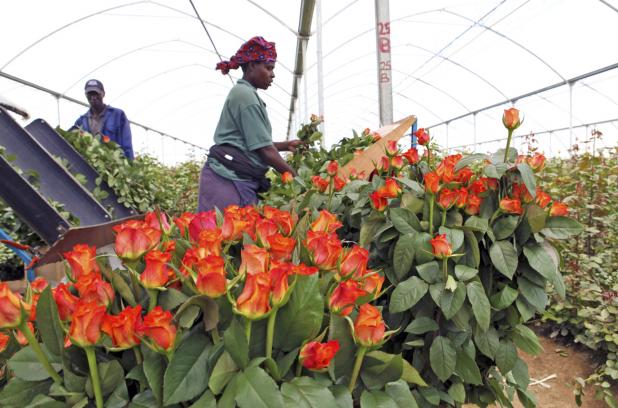
Kenya's economy largely relies on the agriculture sector. Horticulture sub-sector is one of the top foreign exchange earners for the country generating approximately US $ 1 billion annually. The sub-sector contributes roughly 1.25% to the national GDP while flower exports contributes nearly 1% from the flower industry. It has grown in significance to a vibrant flower industry worldwide. The flower industry is also one of the largest employers in the country, providing employment to over 100,000 people directly and an estimated 2 million people indirectly, mostly women. It is estimated that in Kenya, over 500,000 people, including over 100,000 flower farm employees depend on the floriculture industry impacting over 2 million livelihoods. The main production areas in Kenya are around Lake Naivasha, Mt. Kenya, Nairobi, Thika, Kiambu, Athi River, Kitale, Nakuru, Kericho, Nyandarua, Trans Nzoia, Uasin Gishu and Eastern Kenya. The main cut flowers grown in Kenya are roses, carnations, and Alstromeria. Other flowers cultivated include, Gypsophilla, Lilies Eryngiums, arabicum, hypericum, Statice, a range of summer flowers amongst many others. Kenya is the leading exporter of rose cut flowers to the European Union (EU) with a market share of alsmost 40%. Approximately 50% of exported flowers are sold through the Dutch Auctions, although direct sales are growing. In the United Kingdom, supermarkets are the main outlets. Over 25% of exported flowers are delivered directly to these outlets, providing an opportunity for value addition at source through sleeving, labelling and bouquet production. Kenyan flowers are sold in more than 60 countries. Europe accounts for nearly 70% of Kenya's cut flower exports and coronavirus restrictions had slashed daily orders by half, threatening thousands of jobs in East Africa's richest economy. The biggest buyers of cut flowers are the EU and the US, but the biggest growers and exporters are the Netherlands, Ecuador, Colombia, Kenya and Ethiopia. Roses, carnations and chrysanthemums are the most popular blooms. Kenya’s Flower Industry The industry continues to attract investors due to solid infrastructure, favourable climate, global-positioning of Kenya and a productive workforce. It comprises large, medium and small scale producers who have attained high management standards and have invested heavily in value addition through adoption of modern technology in production, precision farming and marketing. The farmers utilize technologies some of which includes drip irrigation, fertigation systems, greenhouse ventilation systems, net shading, pre-cooling, cold storage facilities, grading, bouqueting, fertilizer recycling systems to prevent wastage, wetlands for waste water treatment, artificial lighting to increase day length, grading/packaging sheds, and refrigerated trucks. On the global front, a growth of 5% is anticipated every year over the next five years. To be a part of this opportunity, Kenya is going to continue investing and expansion in growth rate than previous years. Going forward, the industry will continue benchmarking itself against other producer countries. Information thus gathered will be useful in formulating strategies, to capture prospects of expansion in current and emerging markets. Kenya Flower Council (KFC) The Kenya Flower Council is a voluntary association of independent growers and exporters of cut-flowers and ornamentals, established in 1996, with the aim of fostering responsible and safe production of cut flowers in Kenya with due consideration of workers welfare and protection of the environment. Against this background the Council has become the focal point for industry representation, promotion, and compliance to pertinent local and international standards deemed necessary to secure, expand and sustain markets.
Chinese-built Industrial Park Provides New Momentum to Ethiopia’s Growth
folder_open Business Outlook , East Africa
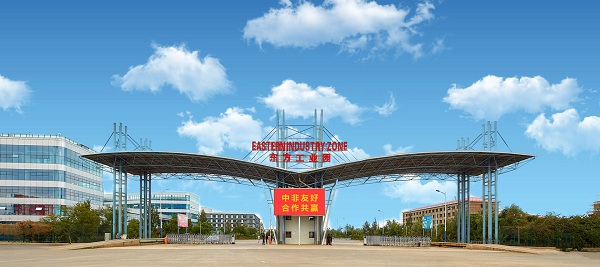
As African countries pursue industrialization, the Chinese-built industrial parks and free trade zones have been gaining momentum in the socio-economic drive of the continent, some significantly accelerating the process of industrialization and job creation. Located about 40 km south of Addis Ababa, the Eastern Industrial Zone (EIZ), built and operated by Chinese companies, is widely viewed as the benchmark for the development of industrial parks in Ethiopia. A decade ago the land the Eastern Industry Zone currently lies on was just agricultural land, but with hard work it has today become a showcase of high quality industrial factories in sectors such as pharmaceuticals, pulp and textiles. The industrial zone was inaugurated by Ethiopian Prime Minister Abiy Ahmed, Djibouti's President Ismail Omar Guelleh and Sudanese President Omar al-Bashir who traveled to Ethiopia's western town of Jimma, approximately 350 kilometres west of Addis Ababa. At the ceremony, Ahmed said the park would help with the industrialization process of Western Ethiopia and create a large number of jobs for young Ethiopians. According to Ethiopia's Industrial Parks Development Corporation (IPDC), the park will create some 12,000 direct jobs for Ethiopians. The EIZ, Ethiopia's first industrial zone, has provided more than 10,000 jobs for local people. Developers are given income tax exemption for 10 years if building an EZ in Addis Ababa (and its surrounding special zone of Oromia), but for 15 years if EZs are built in other regions. The duration of land leasing is also longer for EZs in non-capital areas. In addition, a full exemption of customs duty on spare parts is granted to manufacturers who exclusively engage in export-oriented production, while partial exporters can receive exemptions only on parts equal to 15% of the total value of the capital goods. Manufacturers who export 80% of their products can enjoy additional years of income tax exemption. Moreover, priority is given to investment in agro-processing, textiles and garments, leather and leather products, sugar, chemicals, metal and pharmaceuticals. Although bidding for zone construction is open to both local and international contractors, in practice, local companies can hardly compete with the more experienced and financially resourceful Chinese counterparts. The IPDC is reported to prefer awarding projects, from design to construction, to contractors who come with their own financial sources. Other bidder qualifications include a minimum annual turnover of 6 billion Ethiopian Birr, prior experiences of building at least two EZs, and a sound local business record. Thanks to the industrialization driven by industrial parks, Ethiopia's gross domestic product remained at a growth rate of above 8 percent between 2010 and 2020, creating an economic miracle on the African continent. As Ethiopia envisions building 15 industrial parks in the coming few years, it is estimated that the parks alone will produce more than 150,000 direct jobs. In the 40-hectare Eastern Industrial Zone, Chinese shoemaker firm Huajian Group produces for brands like Guess, Calvin Klein, Nina and other branded items. Huajian Group has already raked in more than $35 million in foreign exchange income for Ethiopia. The Eastern Industrial Zone (EIZ) in Ethiopia is part of the story of how China has built overseas trade and economic cooperation zones in Cambodia, Vietnam, Pakistan, Zambia, Egypt, Nigeria and elsewhere. It is estimated that Chinese companies have built 75 zones for economic and trade cooperation in 24 countries along the Belt and Road routes, contributing more than $2.2 billion of taxes and creating almost 250,000 local jobs. Manufacturing in Ethiopia Being Africa's second most populous nation, Ethiopia has an abundant workforce. More than 70 percent of its 100 million population is estimated to be under the age of 30. As the East African country is exploring ways to realize its demographic dividend while transforming its agriculture-dominated economy towards a manufacturing hub of Africa, China's development model of industrial parks has been considered as an option. Currently, 15 industrial parks are in the pipeline across Ethiopia, most of which are being constructed by Chinese companies. Six of the industrial parks have officially gone operational in the past few years, attracting a large number of transnational companies from China, India, South Korea and other countries. Ethiopia now exports shoes produced by Huajian to European and American markets, while many of the taxis on the streets of the Ethiopian capital and other cities are assembled by Lifan Motors. The EIZ is Ethiopia's first industrial zone and has inspired the government to establish more such parks in the country. "These industrial parks are vital elements of the infrastructure supporting the structural transformation in Ethiopia that can attract institutional investors," said Costantinos Bt. Costantinos, an economic advisor to the African Union (AU) and the United Nations Economic Commission for Africa (ECA). Industrial Parks, Free Trade Zones Across Africa Free trade zones and industrial parks in Djibouti, Nigeria and South Africa also created jobs for local citizens and promoted the economic development of these countries. Besides Ethiopia, Djibouti, Kenya, Nigeria and South Africa, Chinese-built industrial parks and free trade zones, which are key to attracting investors, have taken root in many other African countries. Djibouti A Chinese-built international free trade zone was inaugurated in Djibouti, a country with a population of nearly 1 million. At the construction site of the free trade zone, a tall modern office building has been erected. Some 70,000 square meters of warehouses and 65,000 square meters of storage yards have also been completed. With a planned construction area of 48.2 square kilometres, the free trade zone occupies one-tenth of the country's available land area and has attracted more than 25 companies that have decided to operate from the free zone. Nigeria In the Western African nation of Nigeria, the construction of the Lekki Free Trade Zone is also progressing steadily. The free trade zone is invested, constructed and operated by the Lekki Free Trade Zone Development Company. The zone incorporates, among others, oil and gas warehousing, furniture manufacturing, garment production, trade logistics, engineering construction services, industrial real estate, automobile assembly, steel structure processing and manufacturing, steel pipe production, daily necessities and other industries. South Africa South Africa is an important platform for investors to enter the African market because it is one of the most developed countries in the region. In 2013, Chinese consumer electronics company Hisense and the China-Africa Development Fund teamed up to inject $33 million to build a home appliance industrial park in the Atlantis area, about 50 km west of Cape Town. Latest statistics show that the TV sales market share of Hisense in South Africa has reached 25.1 percent, ranking first in the market. It is followed by refrigerator sales which account for 24.2 percent of the total market share. As of July 2018, its annual TV production capacity is about 400,000 units, while the refrigerator production capacity is about 400,000 units annually. All in all, the mutually beneficial cooperation between China and South Africa in the park has impressed everyone – except for the usual critics who see China as a threat to the traditional hegemony of the western world over the African markets.

China Builds Modern Infrastructure to Build New Trade Routes Across East Africa
folder_open Business Outlook , East Africa
In 1896, the British colonial government began construction of a narrow-gauge railway line from the Kenyan port city of Mombasa to Nairobi. Today, the railway builders are back. This time, it is China’s economic integration strategy in East Africa that is behind the construction of a new rapid rail link between Mombasa and Nairobi. The new line, due to reach the Kenyan capital by 2018, will eventually extend to Uganda, Rwanda, Burundi and South Sudan. This is where China’s Maritime Silk Road ends and where its trade connectivity with the East African region begins. Africa in Focus The Maritime Silk Road, part of the Chinese government’s Belt and Road Initiative, will change the way China engages with its trading partners in East Africa – particularly Kenya and Tanzania and, to a lesser extent, Uganda and the Horn of Africa. Africa is a growing consumer market for Chinese products and, at the same time, a prime source of essential mineral commodities. Developing closer trade ties with Africa, via the Belt and Road, underpinned by investment in new regional infrastructure, is clearly a priority for China. It forms a key part of its broader international drive to restore momentum to its slowing economic cycle, primarily by gaining greater efficiency from its trade links. Several current Chinese infrastructure projects are focused on East Africa. There are also clear indications that China is prioritising infrastructure investments in the region, providing it with more efficient trade links and allowing it to take advantage of Africa’s improving economic conditions. Apart from the East Africa Railway, China is also financing several essential port developments, including a US$10 billion deep-water harbour in Bagamoyo on the eastern coast of Tanzania. With many African ports already approaching capacity, China sees port upgrades across the continent as a critical strategy to cement further trade agreements and open trade lanes. While sources of funding for specific projects are not always clear, China is financing many of these facilities through several institutions, including the Asian Infrastructure Investment Bank, the Silk Road Fund and, specific to Africa, the Forum on China-Africa Co-operation and the China-Africa Development Fund (CAD Fund). At times, projects are funded from a combination of sources and it’s unclear to what extent any of the agreements is bilateral or continental in nature. Some analysts and scholars believe, however, that there is a direct connection between China’s maritime trade strategy and its military plans for the region. It has been widely reported, for example, that China is considering setting up a naval base in Djibouti – already home to the only United States naval base in Africa. It is also believed to have plans for Walvis Bay in Namibia. “Understandably, as Chinese economic engagement expands in Africa, it will inevitably intersect with security issues,” said Yu-Shan Wu, a researcher with the South African Institute of International Affairs. “The question is whether China’s presence could create areas for cooperation on peace and security issues in Africa, or whether it will be perceived as competition. At present, it is too soon to tell.” As its economy slows, China may also be looking to Africa as a cheaper manufacturing base for its more labour-intensive industries. In 2012, the Chinese-owned Huajian Shoes opened a factory in Ethiopia, which is keen to boost its level of industrialisation and attract foreign investment in manufacturing. The project is now often cited as a case study of China’s interest in offshoring elements of its production to Africa. In recent years, there has been a notable increase in the number of funding sources for Chinese businesses looking to expand abroad. In Huajian’s case, it was the CAD Fund that backed its Ethiopian venture. Regional Integration The successful implementation of Chinese offshore manufacturing projects would greatly depend on the development path adopted by the African countries concerned. It would be influenced, for example, by whether individual nations were looking to move away from a resource-intensive growth model to a manufacturing-based economy. Some African countries need the necessary environment and investment that China is willing to provide in order to facilitate such industrialisation. East Africa is a key part of China’s ambitious integration strategy and its bid to engage its Belt and Road trading partners. What’s less clear, however, is the particular emphasis China will place on Africa in the long term or the degree to which its economic drive in Kenya and the region will benefit the wider continent. “Regional integration is a priority for Africa, and China seems to be addressing those concerns,” said Yu-Shan Wu. “It is up to individual African countries, however, to determine just what they want from China’s engagement. There could, for example, be potential for collaboration between Africa’s own regional initiatives – such as the North-South Corridor, an integrated continental transport programme – and the Belt and Road Initiative.” It could be argued that while China knows what it wants from Africa, Africa doesn’t know what it wants from China. But African officials eager to see a more economically integrated continent support closer links. “China is putting its relationships with Africa at a different level,” said Nkosazana Dlamini-Zuma, Chair of the African Union. “African states are benefiting from their partnership with Chinese companies in a number of areas, including transport infrastructure integration, energy, broadband technology, and healthcare and disease control,” said Dlamini-Zuma. Reflecting this ambitious cooperation is an agreement between the African Union and China to connect African capitals through a vast network of road, rail and air transport routes, which will be built by China. The deal has been hailed as the most substantive project the African Union has ever signed. Professor Lin Jiang, Chair of the Department of Public Finance and Taxation at Hong Kong’s Lingnan University, believes both parties can benefit from China’s activities in Africa. “The African component of the Belt and Road Initiative offers a new type of opportunity,” said Professor Lin. “This is not just open to Chinese private enterprises, but also African countries that are able to collaborate when it comes to infrastructure development and manufacturing.” Win-Win Outcome China’s greater economic integration with Africa, though, is not without its challenges. Several countries in the region are among the world’s poorest, raising questions about whether China will see a return on its investment. Many of these initiatives – notably the East Africa Railway, which will see high-speed freight trains replacing a 120-year-old colonial railway line and massively reducing the cost of regional transport logistics – will undoubtedly help support economic growth and trade. For China, and Africa, it could well be a strategic win-win outcome.
Africa Might Emerge As A Major Supplier of Halal Food
folder_open Business Outlook , Foodstuff & Beverages
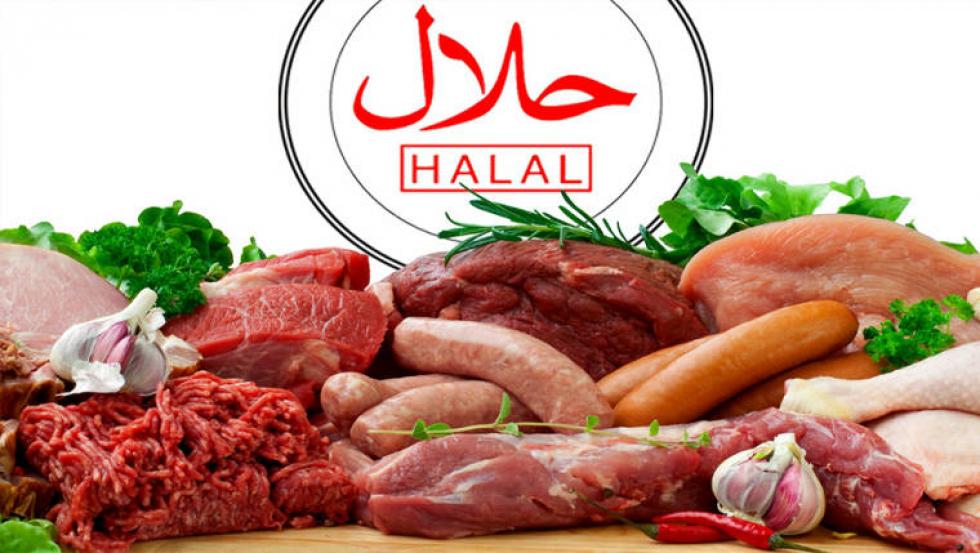
With the Belt and Road Initiative poised to transform market access across Asia, potential partnerships with African companies are opening as they seek to target Asian consumers. In particular, many South African halal food producers have high hopes that Hong Kong could prove the ideal gateway for boosting their exports across the region. By 2030, the global Muslim population is estimated to number some 2.2 billion, representing about a quarter of the world’s consumers. This substantial demographic shift will result in increasing demand for halal products. The global halal food industry is estimated to be worth US$2.3 trillion, and South Africa is among many countries hoping to capitalise on this rapidly expanding market. Despite its relatively small Muslim population, South Africa is a world-leader in producing and – importantly – certifying halal products. The country’s exporters see Asia as one of the fastest-growing markets for halal goods; by 2030, it’s projected that Asia will be home to 80 per cent of the world’s Muslim population. “South Africa has long had a significant number of domestic producers of halal food,” said Ebi Lockhat, a spokesman for the South African National Halaal Authority, the country’s leading halal certifying body. “Those manufacturers are now starting to become active internationally. This has seen many of them attend trade events across the Muslim world, while looking to establish a firm presence in the international markets.” South Africa’s halal production system is subject to high certification standards, ensuring compliance with the requirements of Muslim consumers. Eating only properly-certified food is mandatory for practising Muslims, with such proof of compliance providing an assurance that all such foodstuffs have been produced according to Islamic law. In line with this, plans are now in place to further enhance South Africa’s position within the sector. This includes the launch of a government-backed US$67 million halal food-processing industrial park. This new facility will ramp up South Africa’s halal food export capacity, with the aim of doubling its share of the global market. A feasibility study is underway in the Cape Town area to determine the best location for the proposed park. When completed, the park will comprise a cluster of halal manufacturing and service firms. South Africa’s Western Cape provincial government also hopes to attract a globally recognised halal certifying body to operate out of the site. Halal Food Industry in Africa For the provincial government, growing the halal industry is now a key focus as it looks to boost growth and create new jobs in the region. “This industry is growing at an estimated annual rate of 20 per cent,” said Alan Winde, Western Cape Minister of Economic Opportunities. “This is why we are now looking for significant growth in the size of the province’s halal industry. “Certification is also hugely important. In addition to developing a guide to the current certification standards, we will work with the appropriate certification bodies in order to try and establish a single standard, one that is in line with global market demands.” The new park is being planned in collaboration with the Malaysian government, which has itself identified a shortfall in the provision of halal food for the world’s growing Muslim population. As a result, the Western Cape Fine Food Initiative, another partner in the proposed park, and the Malaysian Industry Government Group for High Technology signed a long-term cooperation agreement to foster partnerships between the two countries’ halal industries. In the 1970s, Malaysia was the first country to set halal food production certification standards, which are still viewed today as a global benchmark. With Malaysia at the heart of the Asian halal market, South Africa’s halal producers are expected to greatly benefit from Malaysia’s experience and reputation in the sector. The Market for Halal Food China is also looking to increase its share of the global halal food market. This move has been partly spurred by the country’s adoption of the far-reaching Belt and Road Initiative. Significantly, many of the countries along the proposed Belt and Road routes have substantial Muslim populations. As a result, China is keen to match its export offer with the needs of its Muslim neighbours along the Belt and Road. Chinese companies currently export less than one per cent of the global total of halal foods, but want to substantially expand their share of the sector. Many Chinese suppliers, however, will be hampered by the poor reputation of the country’s domestic food industry. This leaves a clear opportunity for producers of properly-regulated and certified halal foods to work with distributors in the region. As a key player in the Belt and Road Initiative, African countries are ideally positioned to adopt a primary role in the processing and distribution of such produce, with South Africa keen to be its supply partner. The rand’s expected fall to an all-time low means that importers can buy South African products for about 33 per cent less than a few years ago. “Countries such as Malaysia, Singapore and China are critical markets for halal produce,” said Nazeem Sterras, Chief Executive of the Western Cape Fine Food Initiative. ASEAN, in particular, presents a huge opportunity for distributors, while the overall Asian halal market is estimated to be worth around US$410 billion annually.”
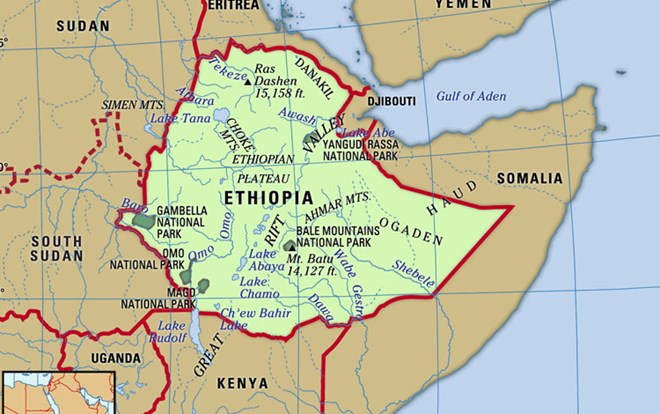
Home to a small population of less than one million, Djibouti is one of the smallest countries in East Africa, strategically located at the mouth of the Red Sea. With few natural resources and little industrial activities, Djibouti’s economy depends heavily on logistics services and trade through its international port. In a bid to transform itself into a commercial trading hub for the broader region, the country has invested in projects across the road, rail, port and airport sectors. In particular, there has been an expanding economic footprint from China in the country, with many projects driven by the Belt and Road Initiative (BRI). Strategic Location in the Horn of Africa Djibouti’s strength lies in its strategic location next to Bab-el-Mandeb, the strait that connects Mediterranean Sea to the Indian Ocean via the Suez Canal, Red Sea and Gulf of Aden. The strait is one of the busiest maritime routes, with about 30% of global merchant shipping passing through every year. Given its advantageous geographical location and natural deep-water port, the country is becoming more important as a regional trading and transhipment hub in the Horn of Africa. In addition to capitalising on its strategic location, Djibouti benefits from being almost the sole maritime trade conduit for Ethiopia, Africa’s second most populated nation and an economic powerhouse in East Africa. Ethiopia’s economy has experienced strong growth in the past decade, at an average annual rate of 9.9%, compared to a regional average of 5.4%. However, limited by its landlocked position, Ethiopia has relied overwhelmingly on Djibouti for logistics, which handled over 90% of its total trade in 2018. This allows Djibouti to leverage such dependence to its advantage, serving its strategic positioning as a vital gateway to the African market. The Port of Djibouti now serves as a key transhipment centre and a principal maritime outlet for imports and exports from the surrounding landlocked African hinterland. To expand its ability to serve as a platform and trading hub for African countries, Djibouti has invested heavily in port infrastructure in the past few years, with four new ports inaugurated in 2017, namely Doraleh Multi-purpose Port, Port of Ghoubet, Port of Tadjourah and Damerjog Livestock Port. Djibouti’s proximity to hotbeds of turmoil in the Middle East and Africa, as well as relative political stability, also makes it strategically attractive for military superpowers to set up bases here. The country hosts more foreign military bases than any other country, with military presence of the US, France, Germany, Spain, Japan and recently China. Improving Regional Connectivity: Addis Ababa-Djibouti Railway The role of Djibouti as Ethiopia’s gateway for trade is further enhanced with the new Addis Ababa-Djibouti Railway, a standard gauge international railway linking Djibouti and Ethiopia’s capital city. Jointly constructed by two Chinese state-owned enterprises – China Railway Group Limited (CREC) and China Railway Construction Corporation Limited (CRCC) – this 750 kilometre railway, which has been in operation since January 2018, is the first fully cross-border railway line in Africa. The railway is seen as a game-changer for both countries, which plays a pivotal role in improving regional trade and reduces road congestion. Given its landlocked status, Ethiopia’s imports and exports depend heavily on the port of neighbouring Djibouti, with most cargo previously transported to and from Djibouti by road. However, logistics inefficiency and poor transport infrastructure remained a bottleneck, resulting in congestion at the port of Djibouti or on the road. The opening of Addis Ababa-Djibouti Railway enables the carrying of far more cargo tonnage per trip and has cut travel time between Djibouti and Ethiopia’s capital, Addis Ababa, to just 12 hours, which the same trip by road could take at least three days. Besides cargo shipments, the new railway also offers a faster and more comfortable transport alternative for residents from both sides of the border. Djibouti International Free Trade Zone The launch of the Chinese-built Djibouti International Free Trade Zone (DIFTZ) marks a major step to enhance Djibouti’s position as a trading and logistics hub in East Africa. Costing US$3.5 billion, phase one of the DIFTZ was opened in July 2018, offering overseas companies a solid manufacturing and processing base in Djibouti, with access to port and utilities facilities. Jointly operated by Djibouti Ports and Free Zones Authority (DPFZA) and China Merchants Port Holdings, the free zone houses several industrial clusters focusing on trade and logistics, as well as export processing. One-stop shop supporting services, such as customs clearance support, business registration and employees’ welfare, are also available within the zone. Transsion, a Shenzhen-based mobile phone manufacturer, which leads the African phone market with its Tecno brand, is one of the companies currently operating in the DIFTZ. Before setting up its base in Djibouti, Transsion manufactured mobile phones in mainland China, then shipped to Dubai via Hong Kong. The final products were then transported from Dubai to major African markets, such as Ethiopia and Kenya by air. The expensive freight cost and long shipping time under this operation model has made Transsion shift its product assembly to DIFTZ with imported electronic components from the mainland and Hong Kong. Setting up an assembling line in Djibouti allows companies like Transsion to deliver products to African destinations faster, while achieving better cost efficiency. In particular, Djibouti is suitable for export-oriented and low-skill assembly manufacturing companies in sectors such as electronics, packaging and toys. DIFTZ presents an increasingly handy option for Hong Kong and mainland companies looking for export processing opportunities overseas and gaining access to the enormous East African markets. Despite Djibouti’s manufacturing and export potential, businesses should take note of the operational challenges they may face. Given its small population of less than a million, Djibouti offers relatively limited labour supply, which could be unfavourable for labour-intensive industries. The country’s electricity cost is also one of the highest in East Africa, mainly due to its reliance on diesel and electricity imports from Ethiopia, where the cost of electricity is almost seven times lower than that of Djibouti. China’s Economic Engagement in Djibouti In recent years, economic growth in Djibouti has been fuelled by large-scale infrastructure investments and a rapid expansion of trade activities. According to the International Monetary Fund (IMF), the country’s real GDP growth averaged close to 7% from 2014 to 2017 and is projected to grow at 6% in the next five years. Since 2014, the government has promoted investments in maritime facilities, free trade zones and railway infrastructure. This effort has been largely supported by the Chinese government and investors, which are playing a growing role in this tiny country. China has provided over US$1 billion in financing major infrastructure projects in Djibouti since 2000, including the Djibouti International Free Trade Zone, the Addis Ababa-Djibouti Railway, two airports and a water pipeline. China Merchants Port Holdings has also taken over the operation of Doraleh Container Terminal from Dubai-based port operator, DP World and helped to develop a multi-purpose port in Djibouti. However, the investment boom has also been accompanied by rapid accumulation of sovereign debt, much of it is based on lending from Export-Import (Exim) Bank of China. Improving Business Environment Djibouti jumped 55 ranks in the World Bank’s 2019 Doing Business Index and now sits 99th globally. This East African state also ranked second out of the ten economies which show the most notable improvement in business environment. Over the past year, Djibouti has implemented several key reforms in improving the business climate, particularly on strengthening its legal framework. For example, the country has established a dedicated division within the court of first instance to resolve commercial disputes and adopt a new civil procedure code that regulates voluntary conciliation and mediation. Djibouti also implemented strict deadlines for registering property sale agreements with local tax authority and digitising its land registry. In addition to this is a relatively stable currency – pegged to the US dollar at a fixed rate since 1949 – and the absence of foreign exchange control. The relaxed foreign exchange regime, together with recent reforms, help lay the foundations for private sector led growth and strengthening investor confidence. Tourism: Attractive Proposition for Investors Besides infrastructure, Djibouti is also eyeing investment to boost its tourism industry, which accounts for only 3% of its GDP. Djibouti benefits from a number of niché attractions, including sandy beaches along the Red Sea, salt lakes, volcanic fields and popular underwater diving sites. Visitors from European countries are the main sources of Djibouti’s international arrivals, although regional tourism from neighbouring countries such as Ethiopia, the UAE and Eritrea accounted for as much as 40% of arrivals. Djibouti is also gaining popularity among visitors from Asia, including China and Japan, as well as the USA. However, the leisure segment is still insignificant, with majority of foreign visitors coming for business trips only. The country also lacks sufficient world-class hospitality infrastructure to accommodate international tourists, with only two five-star hotels available in the country, namely Djibouti Palace Kempinski and Sheraton. Due to the government’s drive to achieve economic diversification through developing its tourism industry, Djibouti offers investment and business opportunities for overseas companies to forge closer partnerships in the hospitality sector, particularly investment in hotels and retail infrastructure, and hotel management professional services. Indeed, Djibouti is brimming with possibilities for trade and investments.
East African Countries Introduce Stricter Checks on Cargo Movement
folder_open Business Outlook , East Africa
The East African states of Kenya, Rwanda and Uganda have introduced stricter cargo movement measures aimed at containing the cross-border spread of Covid-19, following a rise in cases attributed to contamination by cross-border truck drivers. In Kenya, the Kenyan Revenue Authority (KRA) mandated all cargo truck drivers and their crew subject themselves to virus screening at border points. Furthermore, the KRA requires that all traders ensure that trucks carrying cargo across international land border points have a maximum of three crew members; fumigate the vehicles at the international border crossing point; house their cargo crew in appropriate hotels or lodgings, and provide them with sanitisers, disinfectants and clean running water. To minimise human contact, the KRA also strongly recommends that importers, exporters and other stakeholders process their customs-related inquiries and applications online whenever possible. Cargoes declared under the East African Community’s single customs territory framework will be monitored through the Regional Electronic Cargo Tracking System now in use by the three countries, according to the KRA. Road Transport Across East Africa The Rwanda Revenue Authority (RRA) has introduced ‘driver relay’ measures. It requires that haulage firms employ two truck drivers: one from the point of departure, who will get screened at the border and remain there; and the other from Rwanda, who will drive to the final destination after completing health checks. Transit cargo will be escorted to its final destination in Rwanda upon entry into the country, and truck drivers will only stop at designated points. It has also beefed up its customs clearing and warehousing services at the entry points of Rusumo, near the Rwanda-Tanzania border, and at Kagitumba on the Ugandan border. The RRA has urged clearing agencies, shippers, transporters, importers and warehouse operators to submit all documents to the RRA digitally through its electronic single window system to reduce human contact. The government of Uganda has introduced a similar driver relay system to that in Rwanda, which requires a driver from a neighbouring country to hand over the truck to a driver based in Uganda at the border crossing, after finishing disinfection procedures. Another move by the Ugandan government is to prevent truck drivers from stopping at any point of their journey in order to reduce their interaction with the public, other than at a maximum of three designated stops per route. Other measures being considered are requiring the cargo truck crew to use personal protective equipment and sanitisers, and for freight forwarders to pay for kits to be used for rapid testing for Covid-19 at the borders.

Africa & The Internet
folder_open Business Outlook
While Internet penetration in Africa is growing steadily, the gap between urban-connected people and the digitally disenfranchised rural population is a growing cause for concern. The issue dominated proceedings at the recent AfricaCom, the continent’s largest B2B high-tech expo, which was recently held in South Africa. Conference participants believed that mobile technology wasn’t necessarily the solution to the particular challenges facing Africa. “The economics are different in Africa – there are lower population densities and higher operating costs for mobile networks,” said Frank McCosker, the General Manager of Microsoft’s 4Afrika Initiative. With only 20 per cent of its population able to access the Internet, Africa remains the least digitally connected continent, and will remain so until certain cost issues are addressed. “A more economically viable strategy is needed to connect those areas where there is no Internet access,” said Mr McCosker. “To this end, the 4Afrika Initiative has created a new operating model that would provide affordable access to smart devices for Africans and free access to web services for African SMEs through financing partnerships and smart sourcing.” While the potential gains from a digitally integrated Africa were widely acknowledged, so too were the barriers that need to be overcome. “Africa’s lack of a comprehensive information and communication technology (ICT) infrastructure is the major problem and there is a continuing failure at the policy level to address this,” said Miriam Altman, a Commissioner with the South African National Planning Commission. Despite the challenges, it was also clear that some progress was being made on several fronts. For instance, there has been considerable growth in the number of tech start-ups and innovation hubs in several African countries, including Nigeria, Kenya and South Africa. Many of these firms are reportedly developing home-grown solutions that could meet the daily needs of African consumers and businesses. “Digital transformation in Africa is a fact and it is ongoing, with the encouraging trends in terms of accelerated mobile subscription rates clearly testifying to this,” said Jean-Claude Geha, President of the sub-Saharan Africa region for Swedish telecoms giant Ericson, noting that Nigeria led the charge, followed closely by Ethiopia and South Africa. “Overall, there are three principal drivers of this growth. Firstly, there is the growing demand for smartphones, which is being met by more affordable handsets. Secondly, the typical African user profile – largely young and urban – is boosting mobile broadband uptake. Thirdly, the Internet of Things (IoT) is seen as likely to play a key role in resolving Africa’s socio-economic problems.” The Internet of Things IoT is expected to play a crucial role in the continent’s emerging connected economy. “We believe the next explosion in Africa’s digital economy will reflect the impact of IoT,” said Babak Fouladi, Chief Technology Innovation Officer for MTN, a Johannesburg-headquartered mobile-communications company. According to recent reports, South Africa and Nigeria have the highest number of connected devices in the region, while IoT is also starting to make a real impact in East Africa. In the next 5 years, the total number of IoT connections is expected to grow by about 38 per cent a year. Several major cities in South Africa, Kenya, Ghana, as well as in several other countries across the region, have successfully adopted a technology-driven approach to help reduce water loss through leak detection in the supply infrastructure. Similarly, they have also incorporated systems that enhance efficiencies in public-transport systems and public-sector services, while looking to conserve energy through the introduction of smart electricity meters. Other areas where IoT services are said to be coming into their own include localised solar-electricity generation, the construction of intelligent residential complexes, healthcare, predictive agriculture and several safety applications within the mining sector. There is also a sound business case for facilitating IoT connections across cellular networks in sub-Saharan Africa, which suffers from an acute deficit in fixed-line infrastructure. Digital Entertainment African consumers have embraced digital entertainment in recent years, driven largely by streamlined access to mobile content – particularly video-on-demand (VoD), most notably in Nigeria and South Africa, two of the continent’s most sophisticated markets. As has been the case elsewhere in the world, Internet-based video content has truly taken off in Africa, competing with broadcast TV for consumer attention and spend. As part of its global rollout, Netflix’s launch in South Africa has also played a part in stimulating the VoD industry across the continent. Looking to head off the competition, Naspers, the South African media business – which has a 34 per cent share in the Shenzhen-based Internet giant Tencent – launched Showmax, its own VoD service, in 2015. In large part, the growing popularity of digital entertainment among African consumers can be attributed to better network coverage and the wider availability of affordable smartphones. According to PwC Southern Africa, there is also a clear correlation between the disproportionate size of the under-35 population across the continent and the uptake of digital entertainment services. Similarly, Africa’s digital-music market has also enjoyed strong growth, with the sector dominated largely by local artists. Overall, African consumers increasingly want to create their own viewing/listening mix when it comes to digital entertainment. Indeed, this appetite for design and curating a bespoke media diet is now one of the industry’s defining trends.
Africa's Booming Gold Trade
folder_open Business Outlook , East Africa
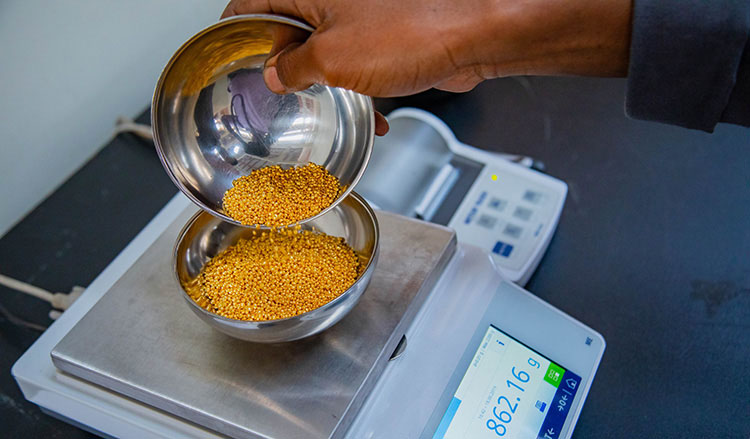
In another instance of the African awakening, efforts are now underway by several African governments to keep a stricter control on the African continent’s large gold deposits and mineral wealth. The aim is to to add value to African minerals before exporting them. Over the years, many African countries have been exporting a wide variety of minerals and other natural resources to earn much needed foreign exchange to boost their economies. However, things are changing now as governments in Africa are now planning to add value to their natural resources before exporting them to overseas markets. Rwanda, once again, has taken the lead by establishing its first-ever gold refinery. Located in Kigali Special Economic Zone in Gasabo District, the $5 million plant has a capacity to refine 6 tonnes of gold a month, or about about 220 kilogrammes a day. The refinery has capacity to process gold from around the African continent thereby eliminating the need to travel long distances to look for a place that can refine Africa’s gold. Uganda and South Africa have also set up similar refineries to process gold mined in African countries. The DRC’s also opened its first refinery in Ituri Province in July 2019, and the second in South Kivu in March 2020. “What we are doing is not new but people have been used to taking gold to Europe, Dubai, Turkey, Switzerland, and Belgium. Now we have the same factory with the standards as those in Europe and Asia,” said Jean de Dieu Mutunzi, chairman of Aldango, the company behind the initiative which is a joint venture between two firms – Hilly Metals Company, a local company, and Aldabra. The company’s core business is to buy gold and process it to 99.99 per cent purity. Rwanda targets to collect $1.5 billion from mineral exports by 2024. Rwanda’s Rising Gold Exports Aldango is supporting the government to transform Rwanda into a precious metal manufacturing and trading hub across Africa. Most of the gold in Rwanda is mined from gold located in Miyove village, Gicumbi district, North, Karongi district, West and Nyamagabe district in Southern province. Rwanda only recently entered the artisanal gold trade in a major way, taking advantage of the political chaos in neighbouring Burundi and enforcement actions in the DRC to capture the lion’s share of the South Kivu gold trade. The documented paucity of domestic gold production in Rwanda makes it clear that the vast majority of this gold found in Rwanda is not of Rwandan origin. In 2014, Rwanda reported $8.1 million USD in exports of “other minerals,” which includes gold. This rose to $80.06 million USD in 2016. The same year, reporting by The National Institute of Statistics for Rwanda documents how “other unwrought gold (incl. gold plated with platinum), non-monetary” totaled $75.52 million USD in 2016. According to the UN Group of Experts, Rwanda officially exported 2,163 kg of gold in 2018, yet 12,539 kg of gold imported into the UAE was reported as Rwandan in origin. This swift surge in gold production has not gone unnoticed by the Rwandan government, which publicly celebrates its emergence as one of the region’s most significant gold exporters. It is believed that South Kivu gold is being smuggled across the border to Rwanda, then laundered into the legitimate international supply chain through its export to Dubai as supposedly Rwandan gold. Africa’s Gold Trade Illicit gold trade in the Africa appears to be booming. Despite efforts to introduce traceability and due diligence for the artisanal gold supply chain, only a small fraction of gold is actually being captured through legal channels. Some traders and exporters in Africa succeed in staying under the radar of government authorities by undervaluing their gold purchases and exports, declaring only a small percentage while pocketing massive profits—a percentage of which should have been paid in taxes. Gold refineries in Africa will ensure that all private sector players are importing and exporting gold according to the regulatory procedures outlined by each country, with all taxes paid, and with an authentic ICGLR certificate. Mining to Market After it’s mined, gold is sold by miners to a trader. There are two types of traders: those based at mine sites and smaller towns and those in the provincial capitals and larger cities. Once a trader aggregates a sufficient amount of gold, they transport it to a city that has good transportation links leading outside of the country. The trader sells the gold to an exporter. Only a licensed exporter is allowed to sell gold to an international buyer. The exporter most often buys from multiple traders and waits until they have aggregated enough gold to make it profitable to export. This calculation includes taxes and fees to pay on their shipment, time required for official (often onerous) export procedures, and the cost of transportation; gold is often carried by hand by a representative across borders. The exporter transports the gold to a neighbouring Africa country where it is aggregated. The gold can be transported onward to an international destination where it is refined. Alternatively, it can be purchased by a locally-based refiner, as refiners with significant capacity are opening in the Great Lakes region. The gold, whether refined or doré, then makes its way to a trading centre where it enters the international legal supply chain.
Zimbabwe Legalises Cannabis Farming to Boost Economy
folder_open Business Outlook , Pharmaceuticals , Southern Africa
Zimbabwe has legalised cannabis cultivation and has withdrawn laws requiring sole state ownership for cannabis farming in an effort to encourage investment in cannabis cultivation for industrial and medicinal uses. Demand for cannabis is projected to grow worldwide while tobacco output is expected to decline 15% by 2030, according to Meanwell Gudu, the CEO of Zimbabwe’s Tobacco Industry and Marketing Board. “One of the alternative crops we are looking at is industrial hemp,” he said. “We want to be part of the entire industrial hemp chain.” Tobacco earned Zimbabwe $819 million in revenue in 2021. Farming cannabis for medical use in Zimbabwe was first legalised in 2018. The board has 145,000 registered tobacco growers, who started selling 2022’s crop at international auctions recently. According to recent government initiatives, farmers in Zimbabwe will be encouraged to plant cannabis so that a quarter of their income comes from the plant by 2025. Sales of cannabis worldwide is forecast to reach $1.25 billion this year. Cannabis Exports from Zimbabwe Zimbabwe exported 30 tonnes of industrial hemp to Switzerland in 2022, its first foray into the European market, said Zorodzai Maroveke, the founder of the Zimbabwe Industrial Hemp Trust. The group is partnering with the tobacco board to facilitate the “smooth transition” to cannabis for commercial purposes. As of now, the government of Zimbabwe has licensed 57 foreign and local entities to grow medicinal cannabis in the country according to a recent statement by the Zimbabwe Investment and Development Agency. As a result, production has already begun at some of the licensed farms which are spread across the country. Cannabis, also called mbanje in Zimbabwe, is no unknown word to people today. It has many health benefits like fighting cancer, and 22 countries around the world legalised it for medicinal use. South Africa, Malawi, Zambia, and Lesotho have also legalised medicinal cannabis.
Preliminary request for participation in the trade show
place
calendar_today
Preliminary request for visitor registration
Visitor Registration
place
calendar_today