
Nigeria is a key African market, accounting for almost half of West Africa’s population, and the country boasts one of the largest youth populations in the world. The country also has an abundance of natural resources, with vast oil and gas reserves, and significant agricultural potential. Nigeria is a member of the Organization of the Petroleum Exporting Countries (OPEC) since 1971. Nigeria ranks as the largest oil producer in Africa and the 11th largest in the world – making it one of the most lucrative and populous markets in the African continent. Nevertheless, oil prices continue to dictate the country’s growth pattern due to a high reliance on the hydrocarbons sector for exports and fiscal revenues. As the government begins to implement structural reforms as outlined in its Economic Recovery and Growth Plan 2017-2020, growth can be expected to strengthen gradually if reform momentum is ramped up. Nigeria has made significant progress in socioeconomic terms over the last 15 years; however, the country continues to face massive developmental challenges, which include diversifying the economy, addressing insufficient infrastructure, and building strong and effective institutions, governance structures and public financial management systems. Trade Policies of Nigeria Nigeria has been a World Trade Organization (WTO) member since January 1, 1995, and a member of the General Agreement on Tariffs and Trade since November 18, 1960. Nigeria ratified the WTO Trade Facilitation Agreement in 2016, which entered into force in February 2017. Nigeria employs the Harmonised System of Customs Tariffs and all duties are levied on an ad valorem basis, with rates for most product lines ranging from 0% to 35%. Measures aimed at supporting local industry (including caps and special duties) have been levied on several import categories, including required inputs of the agricultural and manufacturing sectors. The Nigeria Customs Services increased duties in line with the Central Bank of Nigeria (CBN)’s foreign exchange rate policy. This has had the adverse effect of exacerbating smuggling activities and supply shortages as local output fails to fill the gap, thereby spurring inflation – which remained in double-digit territory over 2018. The Nigeria Customs Service imposes import duty rates on imported new and used vehicles, as well as new imported tyres. A fully built car is subject to combined duties and levies of 70% of the value (previously 22%). This is being implemented in line with the country’s new policy to strengthen the local autos industry. The tariff rate for fully built commercial vehicles has increased from 10% to 35%. Imports of tyres will be subject to a 20% import duty. Conversely, local automotive plants can import completely knocked-down vehicles for assembly, free of duties, as well as semi-knocked-down vehicles at 5%. The prevailing United States dollar shortage will constrain manufacturers’ ability to pay for and clear shipments of imported kits and components required in the manufacturing process. In 2015, Nigeria restricted importers of 41 broad categories of traded goods from accessing the Nigerian foreign exchange market. The country’s import substitution policies ban the import of some 700 individual items and severely hamper firms’ ability to source inputs and raw materials. Nigeria has bans in place on the imports of packaged sugar. This is part of the Nigerian Sugar Master Plan, which aims to achieve self-sufficiency in sugar consumption by 2020. Currently, about 98% of all sugar consumed in Nigeria is imported. Imports of raw sugar, by contrast, are subject to presidential approval on a recommendation from the trade and investment minister. In order to encourage the local production of cement, the Nigerian government has approved a series of measures, including the reinstatement of a ban on the importation of bagged cement and restrictions on the issuance of cement import licences. A levy of NGN500 per tonne applies for all cement imports, while various incentives are available to assist in the development of local capacity through the establishment of a cement training institute in Nigeria. In October 2013, the government of Nigeria announced a gradual ban on fish imports over the years ahead, accompanied by a sharp increase in import duties in the interim period. As of Q119, many of the import restrictions remain in place. In the first half of 2020, the official exchange rate was adjusted by 15%, with an ongoing unification of the various exchange rates under the investors and exporters (I&E) window, Bureau de Change, and retail and wholesale windows. The authorities committed to let the I&E rate move in line with market forces, and it has so far depreciated by about 4%. A few pharmaceutical companies have been identified to ensure they can receive foreign currency (FX) and naira funding. While the I&E window turnover has been low since April, the central bank has resumed FX supply in some of the other windows. Due to the import substitution drive, certain sectors – Nigerian cocoa processors in particular – face a lack of competitiveness due to the government’s unwillingness to sign up to a free trade agreement with the European Union (EU). Ghana, Côte d’Ivoire and Cameroon, Nigeria’s West African cocoa export rivals, have each agreed to economic partnership agreements and are not subject to the levies that Nigerian shipments face on arrival at European ports. The resulting higher costs of Nigerian cocoa products have left firms running at a quarter of capacity since 2011. The government opposes the trade deal because it believes that opening the local market to manufactured goods from the EU will destroy its fledgling domestic manufacturing sector which, as of 2016, has seen a steady increase in its manufacturing base (albeit still low). The latest round of talks failed to produce an agreement.Nigeria is a member of the ECOWAS, a customs union of 15 member states including Benin, Burkina Faso, Cape Verde, Côte d’Ivoire, Gambia, Ghana, Guinea, Guinea-Bissau, Liberia, Mali, Niger, Senegal, Sierra Leone and Togo. ECOWAS adopts a five-band tariff regime, with the first four bands ranging from 0% to 20%, and the fifth subjecting some sensitive items to a 35% tariff. Nigeria is a member of the Economic Community of West African States (ECOWAS), a customs union consisting 15 member states, including Benin, Burkina Faso, Cape Verde, Côte d’Ivoire, Gambia, Ghana, Guinea, Guinea-Bissau, Liberia, Mali, Niger, Senegal, Sierra Leone and Togo. ECOWAS adopts a five-band tariff regime, with the first four bands ranging from 0% to 20% and the fifth subjecting some sensitive items to a 35% tariff. Nigeria has also entered into effective bilateral trade agreements with mainland China, Finland, France, Germany, Italy, South Korea, Netherlands, Romania, Serbia, South Africa, Spain, Sweden, Switzerland, Taiwan and the United Kingdom. In spite of Nigeria’s active pursuit of bilateral trade agreements, it adopts a rather protectionist trade policy. The Nigerian Export Promotion Council administered an EEG scheme to improve non-oil export performance until 2014, when the government ended the programme due to concerns about corruption on the part of companies who collected the grants, but did not actually export. The federal government’s Economic Recovery and Growth Plan 2017-2020, released in February 2017, proposed reviving the EEG in the form of tax credits for companies. The Nigerian Export-Import Bank (NEXIM) provides commercial bank guarantees and direct lending to facilitate export sector growth, although these services are underused. NEXIM’s Foreign Input Facility provides normal commercial terms of three to five years (or longer) for the importation of machinery and raw materials used for generating exports. Nigeria has historically been a major destination for foreign direct investment (FDI) due to its oil and gas resources, and there are a number of incentives in place for foreign investors. However, Nigerian nationals are given preference in government procurement and there are tightening localisation requirements in certain investment areas, such as the agricultural sector and oil and gas businesses, which limit foreign ownership. Foreign ownership is permitted, with the exception of some sectors designated as strategic, defence-related industries and some farmland. The Nigerian Oil & Gas Industry Content Development Act 2010 seeks to increase indigenous participation in the oil and gas industry by prescribing minimum thresholds for the use of local services and materials, and to promote the employment of Nigerian staff in the industry. The Act imposes a levy of 1% on every contract awarded in the upstream oil and gas sector of the economy. Any violation of the Act is liable to a fine of 5% of the contract value and may result in the outright cancellation of the contract. The Nigerian Investment Promotion Commission (NIPC) was created in 1995 to promote and assist FDI. Tapping into resources other than oil is part of the government’s economic recovery and growth plan after the worst economic slump in 25 years as oil output and prices fell. Nigeria’s potential advantages for future growth include a large consumer market, a strategic geographic location as a hub for Africa and a young and entrepreneurial population. The first step in harnessing this opportunity requires deliberate efforts to improve value-adding activity in the non-oil economy, particularly in the agricultural and services sectors. To further encourage investors, incentives – including tax holidays of as much as five years for new companies entering the market, duty-free imports on mining equipment and mining licences for 25 years – have been put in place. According to the country’s investment body, up to 120% of expenses on research and development (R&D) are tax deductible, provided that such R&D activities are carried out in Nigeria and are connected with the business from which income or profits are derived. For the purpose of R&D on local raw materials, 140% of expenses are allowed. For cases in which the research is long term, it will be regarded as a capital expenditure and will be written off against profit. Foreign firms will benefits from the government’s efforts to improve transparency and predictability for foreign investors. For example, in may 2014, Nigeria signed a Foreign Investment Promotion and Protection Agreement with Canada, which is expected to enhance protection for investors by creating a framework of legally binding rights and obligations. Moreover, Nigeria has signed bilateral investment agreements with more than a dozen countries, notably Mainland China, Italy, Algeria and Egypt, as well as bilateral investment treaties (BITs) with the United Kingdom, France, the Netherlands, Taiwan, South Korea, Serbia, Switzerland, Romania, South Africa, Italy, Spain, Sweden, Finland, Germany and mainland China. These BITs enable investors from the latter countries to enjoy similar benefits to those enjoyed by Nigerian investors. As a result, in theory, Nigerian investors are not provided preferential treatment in their investments over expatriates from BIT countries, and any infringement on the Nigerian side could then be referred to international arbitration. Though foreign companies may bid on government projects and generally receive national treatment in government procurement, they may also be subject to a local content vehicle (such as requiring to partner with a local firm, or the inclusion of one in a consortium) or other prerequisites, which are likely to vary from tender to tender.

Nigeria's Booming Consumer Market
folder_open West Africa
Nigeria has been making steady progress in diversifying its economy away from the oil sector. In light of the Nigerian government’s “Nigeria Vision 20: 2020”, it aims to increase the share of the manufacturing sector in economic output to 15-30% and the services sector to 45-75%, while lowering the shares of agriculture and oil. Aside from providing sources of economic growth, diversification also helps the country reduce its reliance on oil exports. On the back of disruptions to oil production due to terrorist attacks, Nigeria’s oil sector has been posting sluggish growth in recent years. Thanks to the stable growth momentum of the non-oil sector, Nigeria has been able to maintain a healthy annual growth rate. The services sector has been a major contributor of the country’s economic growth, with most sectors under this group posting double-digit growth. In particular, the telecommunication sector recorded an average of 20% growth. This sector, together with the banking sector, has created a considerable amount of high-pay job positions, fuelling the expansion of the middle-income population in recent years. Nigeria’s wholesale and retail trade sector, which accounts for some 20% of GDP, has been growing at double-digit rates in recent years, reflecting the buoyant retail market in the country. The growth in retail trade has also stimulated the development of the real estate and construction sectors. Currently, there are only a few modernised shopping malls in the whole country of Nigeria. Nonetheless, the boom of the non-oil sector has resulted in an expanding middle-income class, thereby touching off new waves of consumerism, and creating a growing demand for modern retail channels such as shopping malls and hypermarkets. Mall operators indicate that there is a long waiting list for consumer brands wishing to become mall tenants, as demand for mall space will continue to outstrip supply in upcoming years, despite the construction work of several shopping malls being underway. Retail trade aside, Nigeria’s hospitality sector is on the rise, thanks to increasing inter-city business travel and growing influx of foreign investors. Decent hotels and restaurants are a scarcity, driving up the room charges for reasonable hotels, say to some US$300, which is a considerable fortune in Nigeria compared to the cost of living there. The boom in non-oil private sectors has catalysed the expansion of Nigeria’s middle-income population, with increasing numbers of professionals and managers working in high pay sectors such as banking and telecommunication. In addition, more and more private business owners have found a good fortune of running successful businesses. According to a recent survey on Nigeria’s middle class, some 40% of the middle-income people run their own businesses. According to the African Development Bank, the middle-income class makes up about 20% of the Nigerian population, which is estimated at more than 195 million, and these people are expected to pursue a quality lifestyle and consumer products. Given its small manufacturing sector, consumer products are mostly imported. In 2019, imports of consumer goods accounted for some 8% of total imports, with average annual growth rates of 63% during 2015-2019. According to Nigeria’s National Bureau of Statistics, China is the second largest source of Nigerian imports, trailing only the US. Nevertheless, Nigerian imports of Chinese products consist of a higher proportion of consumer goods compared to those imported from the US. There is little wonder to see Chinese consumer products dominate in the Nigerian retail market, in particular electronics goods. Chinese consumer products have found a good following in Nigeria’s mass market, given their low price and reasonable quality. Surging demand for Chinese products has prompted Nigerian traders to visit China for sourcing popular products, with many Nigerians reportedly living in Guangzhou. Nigeria will become one of the most important markets in Africa in the coming decades. While whetting their appetite for the upbeat retail market in Nigeria, overseas companies should position themselves strategically with an optimal mix of price and quality, while fine-tuning product design to suit the African taste. Setting sight on Nigeria’s middle class, overseas companies should strive to differentiate their products from those low-price items from the Chinese mainland. With an apparent shortage of modern and organised retail channels in Nigeria in the offing, a well-planned distribution strategy is always the key to success in the Nigerian market.
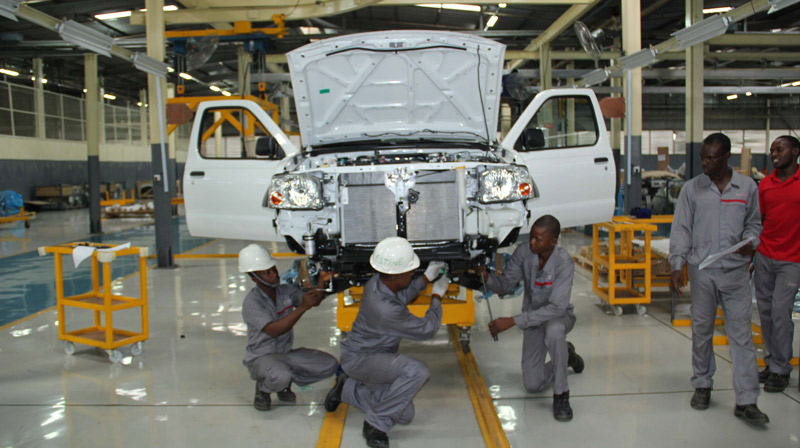
With the imminent ablishment of trade barriers under the African Continental Free Trade Area (AfCFTA), Ghana is poised to overtake Nigeria by becoming a gateway to the rest of West Africa, and a market leader in new car sales. The government of Ghana is also offering 10-year tax breaks to the automotive manufacturing industry in a bid to make Ghana the regional hub for car assembly and boost car sales in the local and regional markets. And a lot of international car makers are considering Ghana government’s invitation very seriously. Toyota, for instance, is aiming to collect 30% of the corporation’s total annual revenue, currently at $60b illion, from Africa in coming 20 years. Industry experts forecast that Africa will account for one-third of the world’s population by 2050, up from 17% now. Africa currently accounts for less than 1% of global annual new car sales. However, Toyota and other manufacturers will find it tough to immediately find a large consumer base in Ghana given the dominance of the used vehicle market. On the other hand, industry experts predict that new vehicle registrations in Ghana are expected to expand at an average annual rate of just 1.5% from 2019-28. On the other hand, retail and consumer spending is expected to grow in Ghana, which is benefiting from two decades of stable democratic government, making Ghana one of the fastest growing economies in the world in 2019, and a pro-business regime proactively attracting foreign investment. Kumasi, the capital of the Ashanti region, has long been a base for the automotive trade, serving the markets of landlocked neighbouring countries to the north as well as an access point for the important markets of Mali and Burkina Faso. Given the promise in the market, it is not just international giants that are looking to gain a foothold. Local electric car manufacturer Kantanka is hoping to capitalise on changing consumer patterns amid growing international concern over carbon emissions. CEO Kwadwo Safo Jnr has said the firm will build electric cars that can travel between Accra and Kumasi without recharging. The business has already received orders from the trade and agricultural ministries. With moves to encourage electric vehicles in Europe and North America, and sales in China growing to 1.4 million in 2019, the market could develop in tandem with a demand for traditional vehicles.

Nigeria Uses Drones For Delivery
folder_open West Africa
Nigerian-based medical logistics startup, LifeBank will be adding drone delivery to its methods of transportation. The company is the first African-led company to implement Beyond Visual Line Of Sight (BVLOS) flights for healthcare logistics. Unlike Visual Line Of Sight (VLOS) flights where the pilot has to see their unmanned aerial vehicles (UAVs) or drones at every time, for BVLOS, drones can go beyond the sight of the pilot without human interference. This means more reach into remote and previously inaccessible areas. The service will deliver packages up to five pounds in 30 minutes or less using small drones. The drones will be built with multiple redundancies, as well as sophisticated “sense and avoid” technology although the look and characteristics of the drones will continue to evolve over time. San Francisco-based drone manufacturer and logistics company, Zipline had earlier launched a similar programme in Ghana and Rwanda for delivery of medical services. According to LifeBank, the first drone flight was supported by the Ethiopian Government’s Information Network Security Agency (INSA) and The Drones Doing Good Alliance (DDG). LifeBank will work closely with regulators and industry to design an air traffic management system that will recognise who is flying what drone, where they are flying, and whether they are adhering to operating requirements. LifeBank was the biggest winner among 10 African startups that won a total of $1 million at the grand finale of first Africa Netpreneur Prize Initiative (ANPI) in Accra recently. Other African countries and industries are set to follow as drone technology becomes popular in Africa. Drones can play a useful role in reaching remote areas in the African continent.

Kenyan food manufacturer Ariel Foods expands in West Africa
folder_open Foodstuff & Beverages , West Africa
Ariel Foods, a renowned Kenyan therapeutic foods manufacturer famous for its food supplements for malnourished people worldwide is expandeding its operations in West Africa through its base in Nigeria seeking. The food company aims to tap into the wider West African market through its operations in Nigeria. Insta’s therapeutic foods are a high calorie combination of peanut paste, sugar, oil and milk powder which is fortified with 23 vitamins and minerals. Severely malnourished people, who cannot digest solid food portions or receive supplements intravenously, feed on the supplement for six weeks before progressing to other foods. Insta Products has been operating for 16 years. Its products are distributed regionally but they are also shipped to needy individuals in countries such as Afghanistan, Syria, Pakistan and Yemen among others places, Ariel Foods’ new Nigerian factory will be set up in Alaro City, a mixed-income development featuring industries, logistics, offices and homes in Lagos State. The city is backed by Rendeavour, Tatu City’s owner and developer. Rendeavour is also developing other similar cities in Africa including two in Ghana at King City and Appolonia, Kiswishi in the Democratic Republic of the Congo and Roma Park in Zambia. “Ariel Foods is proud to expand its production to Nigeria, and to play a major role in food and population security in West Africa through the production of ready-to-Use therapeutic foods to feed malnourished children and to supplement the diets of persons with special nutrition requirements,” said Dhiren Chandaria, owner of Ariel Foods. Chandaria also owns Kenya-based Insta Products which is a major supplier to UNICEF and World Food Programme relief initiatives. Lagos State Governor Babajide Sanwo-Olu welcomed the Kenyan firm’s investment. “I am pleased to witness the start of operations of Ariel Foods, which has built a remarkable facility in less than one year,” he said. “The confidence of international and Nigerian investors is a testament to Alaro City as the location of choice for businesses in the Lekki Free Zone, and to the ease of doing business in Lagos State.” Insta, located in Athi River’s Export Processing Zone, produces food supplements for malnourished people
Nigeria: Economic Recovery Will Open New Business Opportunities
folder_open Business Outlook , West Africa
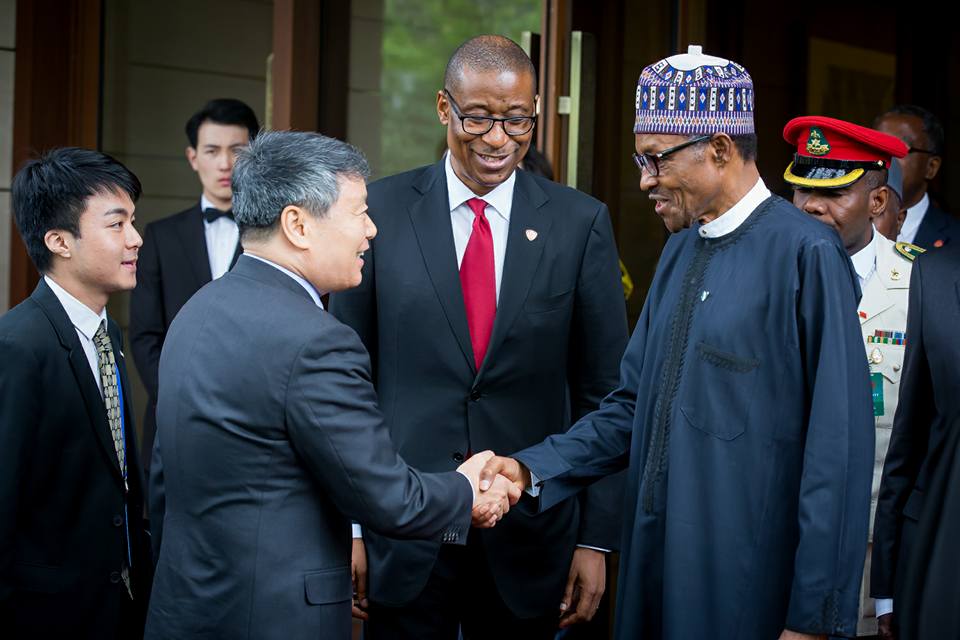
New economic measures adopted by the recently re-elected government of Muhammadu Buhari will try to expand Nigeria's economy away from oil income dependence and focus on consolidating Nigeria's manufacturing base – thereby opening new business opportunities for overseas suppliers and investors. Nigeria's population and gross domestic product is projected to reach 399 million people and cross $3.3 trillion by 2050. However, much needs to be done to bridge the gap between the reality of Africa’s largest economy and its undisputed potential. While Nigeria’s economy has performed much better in recent years than it did during previous boom-bust oil-price cycles, such as in the late 1970s or mid-1980s, oil prices continue to dominate the country’s growth pattern. Nigeria emerged from recession in 2017, with a growth rate of 0.8%, driven mainly by the oil sector. Growth was higher in 2018 (at 1.9%) and more broad-based; however, it still fell below the population growth rate, government projections and pre-recession levels. As Africa’s top oil producer, Nigeria is heavily reliant on crude, with the fuel accounting for 90 percent of foreign-currency earnings and two-thirds of government income. Without reforms to reduce its dependence on oil income, Nigeria risks “a lost decade” of flat economic growth. The country has recently held national elections in 2019, for the sixth consecutive time since its return to democracy in 1999. The incumbent president, Muhammadu Buhari won the elections and would be sworn in for a second term on May 29, 2019. Robust Economic Growth Nigeria’s economy grew in 2018 at its fastest pace since a recession two years earlier. Nigeria’s central bank expects the economy to pick up in 2019, forecasting a gross domestic product growth of 3 percent, up from 1.9 percent recorded last year. On the other hand, Nigeria continues to face massive developmental challenges, which include the need to reduce the dependency on oil and diversify the economy, address insufficient infrastructure, and build strong and effective institutions, as well as governance issues and public financial management systems. Nigeria accounts for nearly 20% of continental GDP and about 75% of the West Africa economy. Despite this dominance, its exports to rest of Africa are estimated at 12.7%, and only 3.7% of total trade is within the Economic Community of West African States. Nigeria has yet to ratify the Continental Free Trade Agreement, pending the outcome of broad consultations with captains of industry and other stakeholders. Large pockets of Nigeria’s population still live in poverty, without adequate access to basic services, and could benefit from more inclusive development policies. The lack of job opportunities is at the core of the high poverty levels, of regional inequality, and of social and political unrest in the country. Economic growth has been recovering since the third quarter of 2016, when the recession bottomed out. Higher oil prices helped Nigeria exit that contraction. Low oil prices will slow down growth in 2019, but the longer-term outlook depends heavily on how the government tackles the expansion of country's economy away from oil income. The World Bank had expected growth to be slightly less than 2 percent in 2019 as the elections kept foreign investors away. New Beginnings To its credit, the Nigerian government has secured the territorial integrity of the nation by reclaiming territory in the Northeast and has tackled big-ticket corruption, introducing and improving transparency and accountability in the management of public funds. Nigeria also committed to unprecedented investments to start and finish critical infrastructure projects in power, roads, and rail across the country, as well as direct investments in people to lift them up—the largest social investment program in Africa. Nigeria accounts for about 47% of West Africa’s population, and has one of the largest populations of youth in the world.
Nigeria’s Booming Auto Market
folder_open Automobiles Sector , West Africa
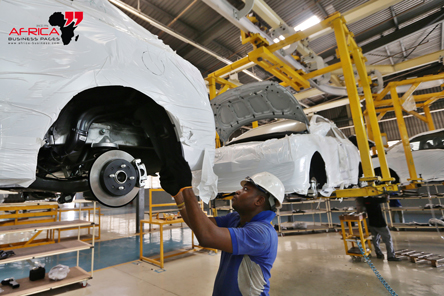
With a population of close to 180 million and a GDP of US$493 billion in 2015, Nigeria is the most populous country with the largest economy in Africa. Despite the current economic challenges facing the country due to low oil prices and a weakened currency, Nigeria still reveals robust economic growth of 2-4% in the medium term. Owing to the lack of domestic vehicle production, Nigeria is highly dependent on imports to meet its domestic demand. In 2014, passenger vehicles constituted the second-largest import category after petroleum oils or bituminous minerals. Overall automotive related imports stood at US$6.9 billion (passenger vehicle imports: US$2.9 billion) accounting for approximately 11.5% of Nigeria’s total imports. While auto imports recorded rapid growth between 2004 and 2014, the current slowdown in the economy and the recent introduction of high import duties on vehicles linked to the new automotive policy has led to approximately a two-third contraction in vehicle imports according to industry players. Second-hand vehicles dominate the import market. It is estimated that approximately 10% of vehicles imported to Nigeria are brand new. A large share of second-hand vehicles are imported from the US, given that vehicle specifications in this market are more in line with the demand and taste of Nigerian consumers, which is not always met by entry-level models from Europe. Importers of used cars in Africa are making a good profit importing used cars for resale from all across the world. Before the hike of import duties on second-hand vehicles, Nigeria imported more than 100,000 cars per year from the the US. In 2015, imports from the US had plummeted to less than 40,000 units. In addition to direct shipments to Nigeria, the Port of Cotonou in neighbouring Benin is a key transit point for second-hand vehicles destined for the Nigerian market. It is estimated that 85% of Benin’s used vehicle imports end up in Nigeria. In 2013, the European Union (EU) and the US exported approximately 300,000 cars to Benin. Based on the import figures for Benin, an additional 255,000 used cars from the EU and the US entered Nigeria via Benin. There is no culture of maintenance in Nigeria – people drive their cars until they break down and then fix them. Vehicle Numbers Depending on the source of data, the current vehicle fleet in the country ranges from 1.3 million vehicles to 10 million vehicles. According to the Federal Road Safety Corps the total fleet size was 1.65 million units in 2015, of which approximately one third are concentrated in Lagos State. Even applying the least conservative estimate of vehicles in use, namely 10 million vehicles, Nigeria’s motorisation rate is approximately one-third that of the global motorisation rate with less than 60 vehicles per 1 000 people. Due to the New Automotive Industry Development Plan (NAIDP) launched in 2014 that increased the prices for imported vehicles, and the economic slowdown triggered by low oil prices, Nigeria’s growth in fleet size slowed down remarkably in 2015. However, it is expected that in the short term fleet growth will stabilise in a range between 4.5% and 5.5% per annum. Vehicle Sales Despite being the most populous country in Africa, Nigeria’s new vehicle sales lag behind less populated countries such as Algeria, Egypt, Morocco and South Africa. According to industry players, the overall new and second-hand market combined ranges between 500,000 and 1 million units per year. Smuggling, grey imports of second-hand vehicles and the lack of reliable data however, make the exact size of Nigeria’s vehicle market and fleet size difficult to quantify. Challenges concerning the licencing and identification of vehicles further contribute to this difficulty. Imported second-hand vehicles, so-called tokunbos, dominate the Nigerian vehicle market as only a small segment of society is able to afford new vehicles. A representative of a leading automotive firm estimates that a mere 2% of the population is able to afford new vehicles given the current economic and financing environment. While commercial banks offer vehicle finance, accessing these credit facilities has become increasingly unattractive to individual consumers as credit facilities are provided at interest rates above 20% per annum and require at least a 10% down-payment. Commercial banks usually require repayment of vehicle loans within four years, due to the rapid depreciation of the value of vehicles given poor road conditions. According to one of the most established vehicle finance providers, the monthly repayment amount should not exceed 35% of the monthly income of the borrower. The short repayment-period as well as the high interest rates present a key challenge for low- and middle-income households when it comes to accessing vehicle finance. Due to the limited accessibility to and expensive financing of vehicles, new vehicles remain out of reach for most Nigerians and the largest share of current vehicle demand comes from the business community. Corporate buyers account for approximately 70% of overall new vehicle purchases, indicating the suppressed demand from private buyers, arguably the market segment with the largest growth potential. Through recently introduced promotional offers by banks in partnership with selected vehicle dealers, customers are able to access finance at a discounted rate for a limited number of vehicles and models. Indeed, the provision of alternative financing products, especially in-house financing by the automotive companies, is seen by industry players as a key requirement for the growth of the local market. However, in the absence of affordable finance solutions, secondhand vehicles remain the more attractive option for private vehicle buyers. According to a representative of a leading automotive company, second-hand passenger vehicles accounted for 80% of sales in 2014. The share of tokunbos in the commercial vehicle market is even larger, reaching up to 90% of the market according to a leading commercial vehicle manufacturer. New vehicle sales are dominated by Toyota which accounts for almost one third of new sales. Hyundai and Kia have established themselves as increasingly serious competitors to Toyota due to their competitive pricing and improved image in terms of quality. In 2015, the three Asian brands accounted for half of new vehicle sales in the country. The economic slowdown, the depreciation of the naira and the increase in vehicle prices due to the import duty hike had a substantial impact on new vehicles sales in 2015. Although vehicle sales saw positive growth post the global financial crisis, total new vehicle sales dropped by more than half in 2015, compared to 2014. The sharp decline of sales highlights the absence of sizeable and competitive domestic assembly that could provide an affordable alternative to imports and the dependency on vehicle imports to meet domestic demand. Production and Assembly Nigeria is no stranger to automotive assembly and manufacturing. Already in the 1970s Nigeria started assembling motor vehicles. In the 1970s and 1980s, the federal government of Nigeria partnered with six international automotive and commercial vehicle manufacturers to produce passenger and commercial vehicles locally from CKD kits. According to the National Automotive Council (NAC) these six companies had an initial installed capacity of 149,000 units per annum during the 1970s and 1980s. “Sometimes, cars are imported to be stripped for parts as availability of genuine parts is limited.” In addition to these plants, the Federal Government entered into five more agreements with international automotive companies to establish assembly plants in 1982, according to the National Automotive Design and Development Council Nigeria. These agreements included the establishment of plants by Isuzu in Maiduguri, Mazda in Umuahia, Mitsubishi in Ilorin, Nissan in Minna and Peugeot in Gusau. However, these plans did not materialise. Furthermore, due to inconsistent policy implementation, corruption, declining patronage by local and federal government departments and lack of reliable power supply, the output and capacity utilisation of the six existing plants declined rapidly. Symptomatic of the demise of Nigeria’s automotive industry was the stop of production activities by Peugeot Automobile Nigeria (PAN), Nigeria’s largest manufacturer, in 2010. Since then assembly plants have been lying dormant. By 2012, all of the country’s automotive manufacturers had been privatised as the government exited the existing partnerships, eroding any incentives for government departments to purchase locally assembled vehicles The launch of Nigeria’s NAIDP in 2014 and the subsequent hike in import tariffs for vehicles has attracted the interest of leading international carmakers and has led to the resumption of small scale vehicle assembly in the country. While the high import tariffs are aimed at encouraging local assembly, the sharp drop in vehicle sales in Nigeria in 2015 is a strong indication that this measure had an adverse impact on overall vehicle prices in the absence of a sufficient assembly base that could provide substitutes for imported vehicles. In 2015, local assembly was only able to cover 10-15% of the new vehicle market. According to a senior representative of one of the automotive companies present in Nigeria, approximately 1,000 passenger vehicles were assembled in Nigeria in 2015 – an even more conservative estimate. Currently, 35 companies are licensed to produce by the Nigerian Automotive Council under the NAIDP. Despite the increased focus on the automotive industry, the sector’s contribution to Nigeria’s GDP remains low at 0.07%. At present the vehicles are assembled from imported SKD kits with a limited degree of local inputs-sourcing due to the lack of a reliable and adequate domestic supplier base. While current assembly figures are low, with Peugeot Automobile Nigeria recording the largest number of vehicles assembled in 2015 with 400 units, the automotive companies aim at increasing their annual output in order to capitalise on the long-term growth prospects of the Nigerian market. However, due to the current economic slowdown, expansion plans are likely to be delayed as reflected in the decline of employment levels in some of the assembly facilities.

Nigeria is one of the most promising and rapidly growing pharmaceutical markets in West Africa with more than 150 pharma formulation manufacturing facilities. The Nigerian pharma industry is growing at 13 % annually. The estimated market size is $1.8billion. In the ECOWAS (Economic Community of West African States) West Africa sub-region approximately 60% of drug manufacturing takes place in Nigeria, underlining the huge sub regional market. As Africa’s largest economy, most highly populated country, and biggest consumer market, Nigeria has been hailed as the next frontier for pharma after South Africa and the hotspots of Northern Africa. As more people join the ranks of the middle classes, household consumption is expected to grow by $94 billion over the next ten years. As out-of-pocket spending accounts for the bulk of healthcare expenditure, growth in consumption should translate into higher healthcare spending. The Federal Government of Nigeria are incentivising Nigerian drug manufacturers with tax holidays to support extra investment for quality upgrades and new factories. Nigeria’s pharmaceutical manufacturing sector has remained focused on the growth and expansion of drug manufacturing within the country. The sector has invested $300 billion in machinery and quality upgrades as a way to end drug importation. The Economic Community of West African States (ECOWAS), such as Ghana, Ivory Coast and Cameroon has 300 million consumers, with combined GDP of $734.8bn and annual growth rate of 6.3%. Nigeria and Ghana provide strong business opportunities for big pharmaceutical and generic pharmaceutical companies because the tropical climate in which Nigeria and Ghana are situated makes the areas a hotbed for infectious diseases, particularly malaria, tuberculosis and AIDS among numerous others. With a combined revenue base estimated to reach $3.12 billion in 2018 from $1.63 billion in 2003 at a compound growth rate of 13.39 per cent, the pharmaceutical industry in Nigeria and Ghana is very promising for investors. Counterfeits and Parallel Imports Plague Nigeria’s Pharma Industry In Nigeria’s predominantly informal distribution and retail networks, counterfeit and parallel medicines are often difficult to distinguish from the genuine article. Estimates suggest that informal retail accounts for more than three-quarters of the value of the pharma market, and parallel imports for up to half of drugs sold in some TAs. Several generics companies that have no commercial activities registered in Nigeria still have statin variants that are widely distributed and sold there, for instance. With a population of 180 million currently, the largest in Africa and abundance of human and natural resources, investment in the Nigerian pharmaceutical industry has a high potential of succeeding faster than any other country in the region. Besides, the estimated population increase to 200 million by 2020 according to recent forecasts means that the disease burden of the country will increase and consequently escalate demand for pharmaceutical products. Africa Pharmaceutical Directory: Reach Importers of Pharmaceutical in Africa The research team at Africa Business Pages has compiled a valuable database of pharmaceutical companies in Africa through painstaking work across more than 20 African countries. The result is the compilation of the first even Africa Pharmaceutical Directory which lists more than 6,500 pharmaceutical companies in Africa. This database of pharmaceutical-related companies in Africa lists wholesalers of pharmaceuticals in Africa, pharmacies in Africa, pharmaceutical retailers in Africa, hospital suppliers in Africa, Pharmaceuticals Distributors, Clinics & Hospitals, Government Medical Clinics, Medical Institutes as well Manufacturers of Pharmaceuticals in Africa. The Africa Pharmaceutical Directory is available for download here. Companies and exporters of pharmaceuticals from across the world have been using this database of pharmaceutical companies in Africa to reach potential buyers in Africa of pharmaceuticals and connect with importers of pharmaceuticals in Africa. This Directory contains the latest and complete information about your potential business partners in several cities across Africa. Listings of Top Companies Dealing in Pharmaceuticals In MS Excel format Classified under different Trade Categories Up-to-date database of tyre dealers in Africa The database is well organised in an Excel sheet and the sortable fields include: Company Name, Address, Phone, Fax, Email, Website, Business Category.
Preliminary request for participation in the trade show
place
calendar_today
Preliminary request for visitor registration
Visitor Registration
place
calendar_today