

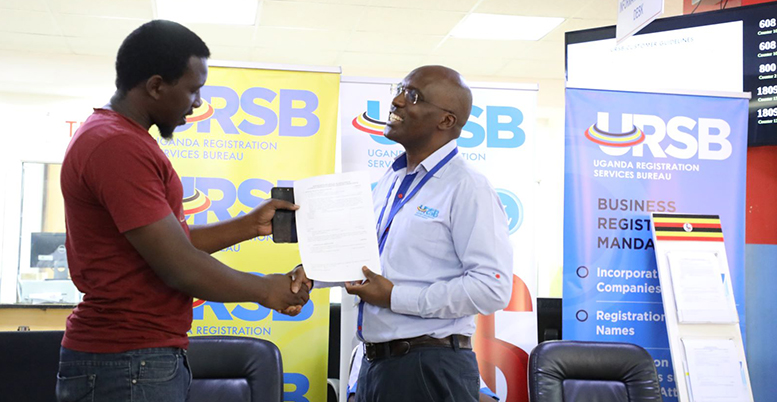
Uganda - The Business Hub of East Africa
folder_open East Africa
Businessmen in the United Arab Emirates have been keeping a keen eye on Uganda's economic performance as the country continues to develop into a rapidly emerging market for consumer and capital goods from the Middle East. As the next century approaches there is a mood of optimism and a belief that Uganda will once again emerge as the 'Pearl of Africa' - the name given to it by the late Sir Winston Churchill in 1908. Traders and business people in the United Arab Emirates realise the great potential the country holds as an up-and-coming market and are now beginning to penetrate the Ugandan market in a big way. A large contingent of UAE companies will be participating in the forthcoming Uganda International Trade Fair which is being organised in Kampala. This trade fair is sure to provide a further boost in UAE-Uganda trade ties as it will provide UAE-based companies an opportunity to sell directly into the Ugandan market instead of routing their merchandise through Kenya. Dubai's re-exports to Uganda have more than doubled in the last 5 years due to increased trade between the two countries. As more and more Ugandans realise the benefits and convenience of doing business with Dubai, these figures are sure to rise in the coming years. Already Dubai has emerged as a favourite shopping destination for the people of Uganda. "The availability of quality goods at competitive prices is attracting a growing number of Ugandans to Dubai," says Zaake Wanume Kibedi, Ambassador of Uganda to the United Arab Emirates.
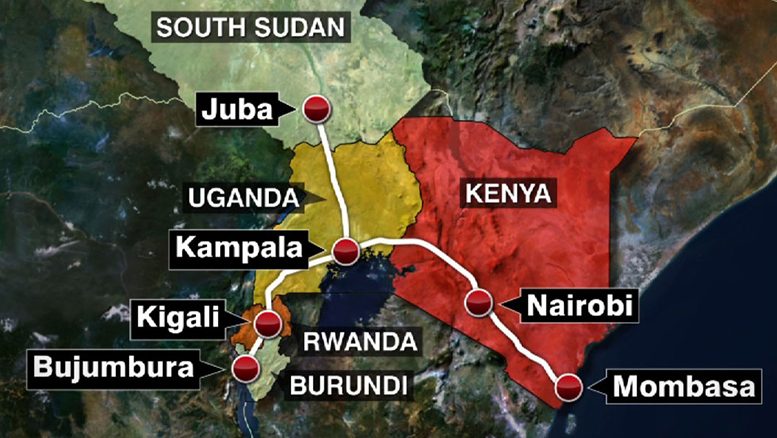
Kenya, Uganda and Sudan: Business Links
folder_open East Africa
A new modern Standard Gauge Railway (SGR) network linking Uganda, Kenya, and South Sudan is set to radically transform trade and logistics amongst East African nations. The proposed mega-infrastructure rail link, forming part of the broader Northern Corridor Integration Projects, is aimed at drastically boosting trade ties in the Eastern African region. This railway link will be the first-ever stable, high-capacity link between landlocked South Sudan and its coastal neighbors, easing the delivery of essential services and heavy cargo across the vast region.

Exports to Kenya, Uganda Registers Growth
folder_open East Africa
A major problem for exporters to East African countries was the delays in clearing goods from the port of Mombasa, notorious for its inefficient clearing systems. However, time spent clearing goods from Mombasa to Kampala will be reduced ten-fold after the Uganda and Kenya revenue authorities launched a revolutionary data exchange computer system recently.
Uganda continues to solidify its position as a premier investment destination, consistently attracting some of the highest Foreign Direct Investment (FDI) in East Africa. Moving far beyond historical averages, Uganda now attracts well over $1.5 billion to $2.5 billion in FDI annually. This massive influx is largely driven by its stable and consistent macroeconomic policies, a highly liberalized business environment, its strategic geographic proximity as a logistics hub for the Great Lakes region, and rapidly expanding regional trade.
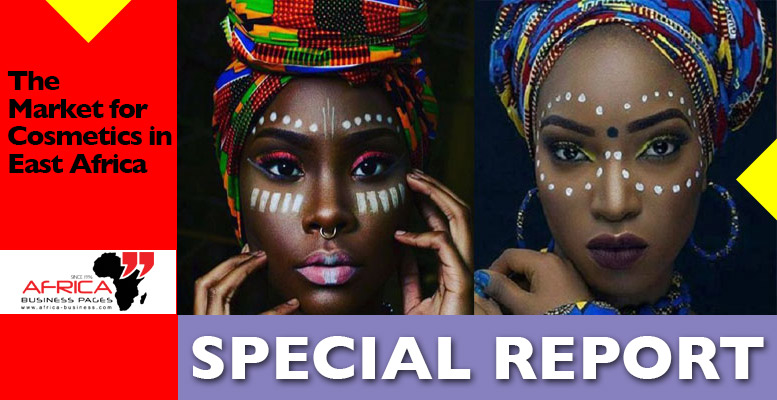
A study conducted by Africa Business Pages across five key countries in the East Africa region (Kenya, Uganda, Tanzania, Ethiopia, and Mozambique) revealed that consumers in East Africa are increasingly demanding premium personal care products that are tailor-made to suit their specific demographic needs and environmental requirements.
UAE-Kenya Trade on the Upswing
folder_open East Africa
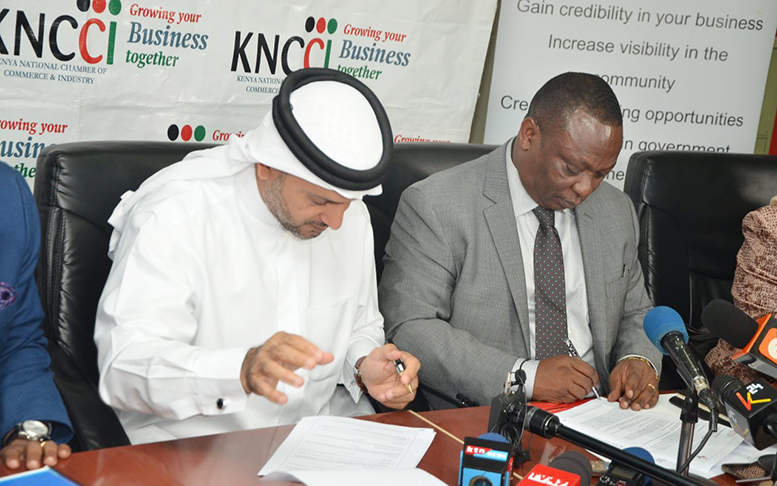
Total trade between both countries stood at KES. 173 billion (EUR. 1.634 billion). This made the UAE Kenya's 4th largest trading partner and the largest trading partner and export destination in the Middle East.
Asian Business Giants of East Africa
folder_open East Africa
Asian businessmen have dominated the busines landscape in East Africa for a long time and have progressed up the corporate ladder through their enterprise and hard work. Aly-Khan Satchu, a Kenyan-Asian financial analyst believes that Asian-owned companies have been embedded in the African ecosystem for more than a century.
Abu Dhabi Expands Relations With Africa
folder_open East Africa
Historically, Abu Dhabi-based conglomerates made global headlines by investing hundreds of millions of dollars to launch mobile phone operations across East and Central Africa. In the early 2000s, entities like the Abu Dhabi Group targeted heavily under-penetrated markets such as Uganda—which at the time had a population of 28 million and a mere 9 per cent market penetration—laying the foundational infrastructure for the continent's impending digital boom.
Kenya Looks East
folder_open East Africa
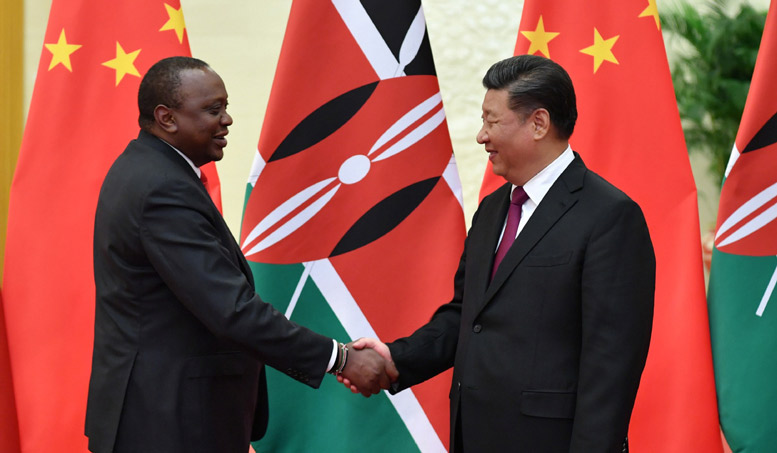
When Kenya purchased Toyota vehicles for its military forces, instead of the all-pervasive Land Rover, it signalled a seismic change – in effect ending the most favoured status enjoyed by imports sourced from its erstwhile colonial master the UK. Another example is De la Rue, a UK-based printing and security firm that has uninterruptedly printed Kenyan currency since independence. It is fighting to retain its contract. The administration of Mwai Kibaki broke with tradition, inviting other internationally recognised firms to bid for the job.
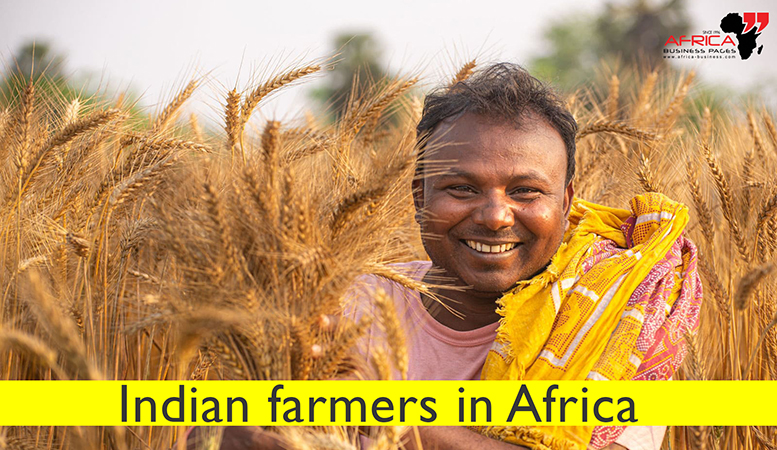
Did you know that the flowers which were used during the inaugural of World Cup in Johannesburg came from the Ethiopian rose gardens of Sai Ramakrishna Karuturi. Karuturi, a Bangalore businessman who has been acquiring land in African nations, has already become the biggest rose grower in the world, and one of the world’s biggest private land owners. Interestingly, he also owns Karuturi Sports, a Kenyan football club (earlier called Sher Agencies) that plays in the country’s premier league.
Uganda Attracts Investments
folder_open East Africa
Uganda is clearly a country on the move. The country has attracted increasing amounts of foreign direct investment (FDI) since the beginning of the 1990s. Between 2005 and 2007, the country attracted an average of over US$100 million in FDI. This increased steadily with FDI being USD 210 million in 2006. This means that Uganda attracts more FDI than most other countries in the region and indeed, most developing countries. The Government of Uganda has pursued a steady policy of improving the investment climate by reducing bureaucracy, streamlining the legal framework, fighting corruption and stabilizing the economy. The government has adopted 'The Big Push' strategy intended to make Uganda the most competitive destination for FDI in Africa and establish Multi-Facility Economic Zones, extra-territorial zones exempt from cumbersome and archaic domestic laws.
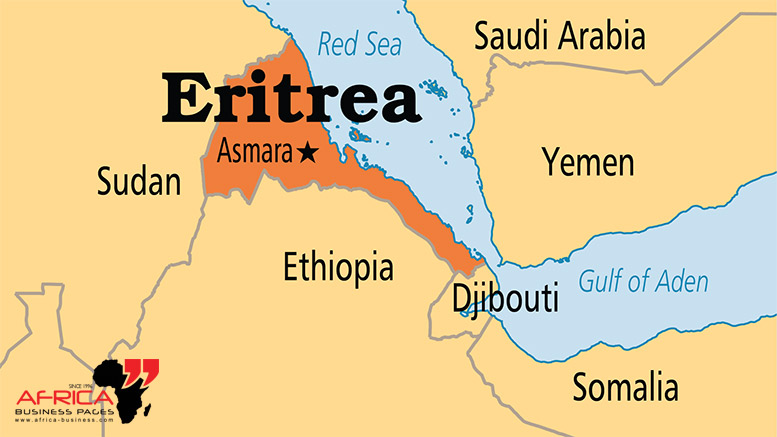
Eritrea is on a quest to build its nation with sweat and strategic partnerships, heavily emphasizing long-term self-reliance. Though impoverished by its long war for independence, Eritrea is rich with spirit, resourcefulness, and immense geological wealth. Since winning their independence, Eritreans have turned their energies inward, rejecting any outside interference that does not move them further toward political and economic autonomy.
Preliminary request for participation in the trade show
place
calendar_today
Preliminary request for visitor registration
Visitor Registration
place
calendar_today