

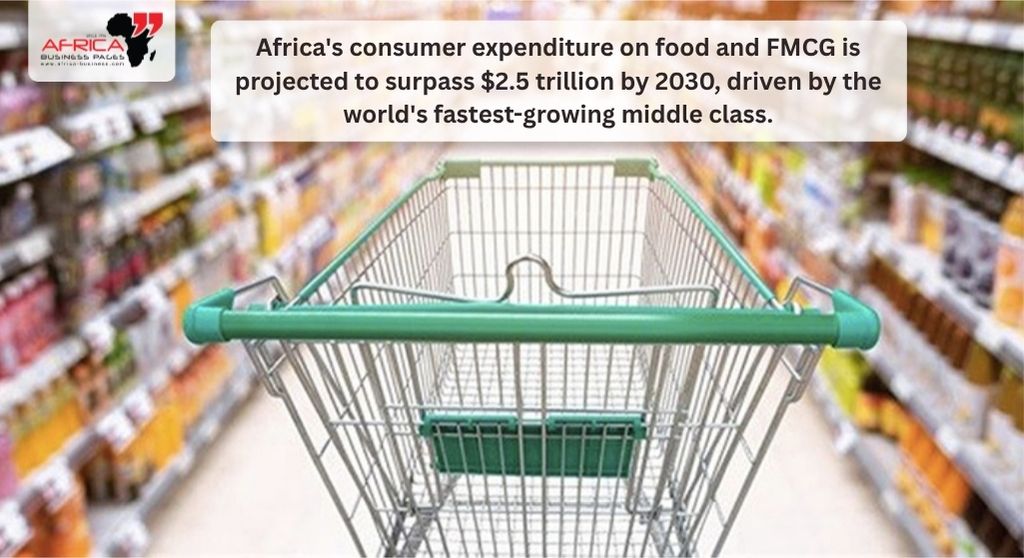
Demand for FMCG in Africa
folder_open Foodstuff & Beverages
The fast-moving consumer goods (FMCG) sector, also called the consumer packaged goods (CPG) sector, is one of the largest industries worldwide. FMCGs are generally affordable products that have a short shelf life and are purchased by consumers on a regular, daily basis. Profit margins on these products are usually low for retailers, who successfully offset this by selling massive volumes.
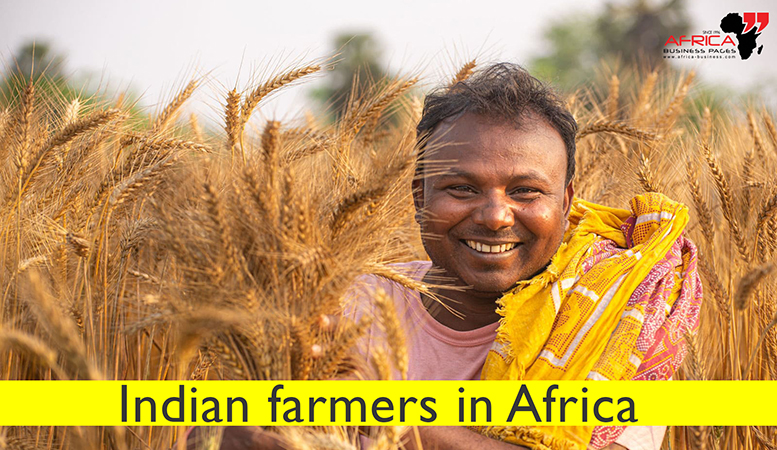
Did you know that the flowers which were used during the inaugural of World Cup in Johannesburg came from the Ethiopian rose gardens of Sai Ramakrishna Karuturi. Karuturi, a Bangalore businessman who has been acquiring land in African nations, has already become the biggest rose grower in the world, and one of the world’s biggest private land owners. Interestingly, he also owns Karuturi Sports, a Kenyan football club (earlier called Sher Agencies) that plays in the country’s premier league.
Click nodes on the map for detailes.© Africa Business Pages
However, a critical issue in the booming personal care sector is the adaptation of Western products to the specific needs of African consumers. Many renowned international companies have recognized this imperative, either adapting their global product formulations to suit African needs or launching entirely new product ranges. For example, major FMCG conglomerates have developed specialized ranges of shampoos and conditioners aimed specifically at natural ethnic hair; make-up manufacturers have introduced broader, darker shade palettes; and anti-ageing products have been specifically formulated for melanin-rich skin.
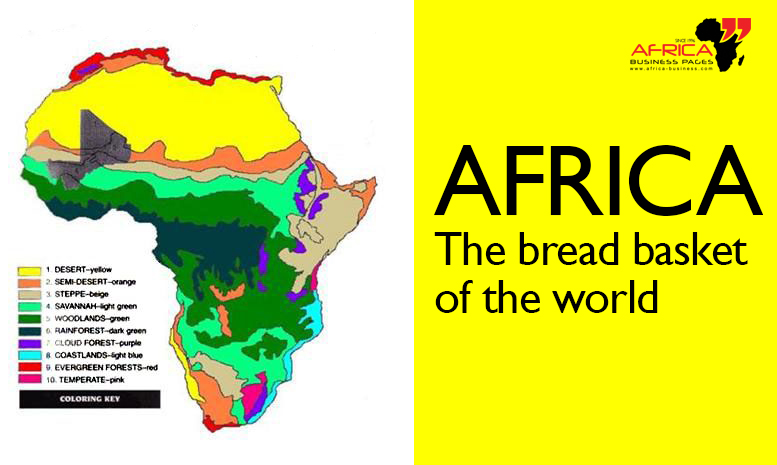
With a rising world population and the imminent danger of global food shortages in the coming decades, Africa is well poised to become the global breadbasket and a major supplier of sustainable food. Africa undoubtedly holds large chunks of open, arable land that are increasingly being viewed as the primary source of future food supplies for the rapidly expanding global population.
Demand for FMCG in Africa
folder_open Foodstuff & Beverages
The African retail landscape has experienced significant restructuring over the last decade. Historically, South Africa’s retailers, spurred by slowing domestic growth, spearheaded expansion into Sub-Saharan Africa. However, the market dynamics in 2025 and 2026 have shifted. While pioneers like Shoprite originally led the charge, recent years have seen strategic realignments, with many South African giants consolidating their focus on the SADC region. Conversely, international mega-retailers—most notably French retailer Carrefour (operated regionally by Majid Al Futtaim)—have aggressively captured market share across East and North Africa.
Preliminary request for participation in the trade show
place
calendar_today
Preliminary request for visitor registration
Visitor Registration
place
calendar_today