
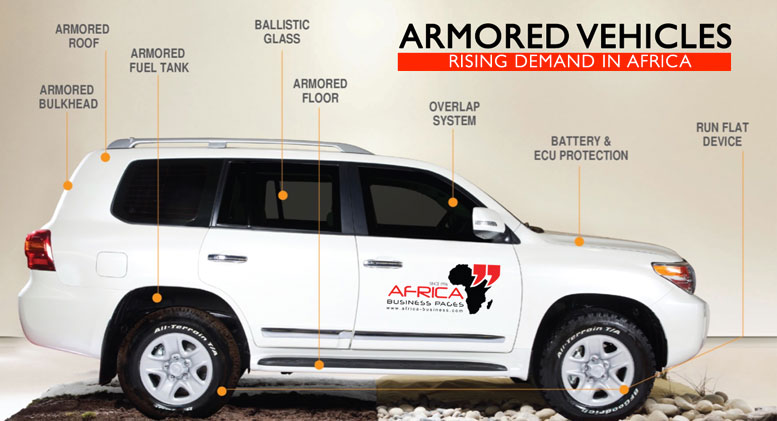
Demand for armored vehicles in Africa is growing at an exponential rate as increasing internal and cross-border conflicts across Africa accelerate and create a huge market for security armored vehicles of all kinds. According to a recent report, the global armored vehicles market is expected to grow to US$ 26.37 billion by 2027, growing at a CAGR of 5.7%. On the other hand, the Middle-East & Africa armored vehicles market is projected to register a CAGR of more than 2.5% in the same period. In Africa, the demand for armored cars and vehicles has been growing at a steady pace due to the rising intensity of cross-border tensions across several African states. For example, in East Africa, recent tensions between Ethiopia and Somalia have always been high, even resulting in frequent border skirmishes in some cases. Similarly, cross-border skirmishes between Sudan and South Sudan have become commonplace. In many other regions also such tensions have escalated in recent years. Armored Vehicles: Rising Demand in Africa Steady ramping up of military expenditure by many African countries will prove beneficial for this market for armored vehicles. Many African countries are in the process of upgrading their defense forces with modern weaponry to better equip their soldiers in the battlefield, which augurs well for this market as armored vehicles are vital in ground-level combat as well as in border patrolling activities during peacetime. For instance, the complex military situation in Ethiopia and Eritrea has kept regions surrounding these countries in a mode of self-preservation. Moreover, historical internal conflicts such as the one in Tigray (Ethiopia) have kept governments on their toes. Armored vehicles are a key component in a nation’s military arsenal as they empower armed forces to efficiently monitor border situations and deter any forthcoming attacks. Clearly, the geopolitical and military conflicts in Africa are driving the modernization plans of various military forces in Africa. Thus, the African continent needs to replace aging armored vehicle fleet with newer-generation armored vehicles. Market for Armored Vehicles in Africa Multi-lateral collaboration between African countries such as North Atlantic Treaty Organization (NATO) and the African Union to counter terrorism and maintain peace is also expected to favour market growth. The market is also anticipated to be driven by various African governments opting for the latest machinery to counter emergencies caused by insurgencies and militant attacks. Moreover, increasing communal riots and organized crimes in regions such as East Africa as well as North Africa are expected to drive market demand. Increasing defense budgets, particularly in East Africa, is anticipated to further boost market growth. The goodwill of industry participants is expected to play a key role in contract allotments. Advancements such as increased fuel efficiency and use of high-tech sensors are expected to drive the market over the next few years. Commercial Demand for Armored Vehicles in Africa Commercial applications of armored vehicles include VIP protection, armed convoys, and patrols. Rising demand for rental and leasing protected van services owing to increasing awareness about personal safety is also expected to favor the growth of the commercial segment in the coming years. Additionally, owing to soaring crime rates across several African countries, organizations and banks are opting for protected trucks or vans to carry valuables, transfer money from banks to ATMs, and transfer cash collected at large commercial establishments to banks. Demand is specially high in Africa for Armored personnel carrier (APC), Infantry Fighting Vehicle (IFV), mine-resistant ambush-protected (MRAP), main battle tank (MBT), armored cars, vehicles carrying armored self-propelled artillery, light armored vehicles, armored ambulance, armored recovery vehicles, assault amphibious vehicle, armored vehicle-launched bridge (AVLB), armored utility vehicles, and other support vehicles. The extensive use of armored vehicles during the recent Presidential elections in Uganda is also indicative of the rising demand for aromored vehicles in African countries. United Arab Emirates: Anticipated Highest Growth Over the past few years, the military equipment procurement of the UAE increased at a rapid pace, due to the involvement of the country in regional conflicts. The country also plans to modernize all units of the UAE armed forces with new and advanced military equipment to continue developing capabilities. In May 2020, the US government approved the sales of about 4,569 Mine Resistant Ambush Protected (MRAP) armored vehicles, under the Excess Defense Articles program. Similarly, in February 2019, the UAE government signed an initial procurement contract worth US$ 2.7 million for four of the Mbombe 4x4 armored vehicles from Paramount. These vehicles can be integrated with a variety of different weapons and payloads, from 30mm cannon turret and cameras to an electronic warfare suite to support a wide range of missions. If the vehicles meet the requirements of the UAE army, the government will increase the number of Mbombe vehicles on order. Such robust plans of the government to rapidly increase the fleet of armored vehicles are anticipated to propel the growth of the market in the coming years. Competitive Landscape Some of the prominent players in the Middle-East & African armored vehicles market are Mahindra & Mahindra Limited, NIMR Automotive LLC, STREITGroup, BMC Otomotiv Sanayi ve Ticaret A?., and KocHolding AS. The market of the armored vehicles has both regional and international players with significant shares in the market. In addition to the efforts of the international players, the domestic players in the market are increasing their product portfolio to enhance their position in the market. For instance, BMC’s Tulgaarmored pickup truck, developed for the Turkish internal security forces, is expected to enter mass production. The company claims that armored vehicles are expected to become prominent options in the Middle-East in the coming years. Such factors are anticipated to help the companies increase their presence in, and attain profits from, the region in the coming years. In fact, several domestic players in the UAE market have been using marketing and promotion services of Africa Business Pages to reach buyers in Africa by advertising their products and services through Africa Business Pages and its associate network of Africa-centric B2B portals. Notable among them are Harrow Security Vehicles, SchutzCarr Armored Cars as well as Emirates Special Vehicles (ESV). Demand for Armored Vehicles in Africa “Africa is an important market for armored vehicles and we are happy to partner with Africa Business Pages to promote our products and services in the lucrative African markets,” says Saleem Ansari, Executive Director of Emirates Special Vehicles (ESV). “By showcasing our state-of-the-art armored vehicles to our target audiences through Africa Business Pages, we aim to further expand our sales network across the African continent,” he says.
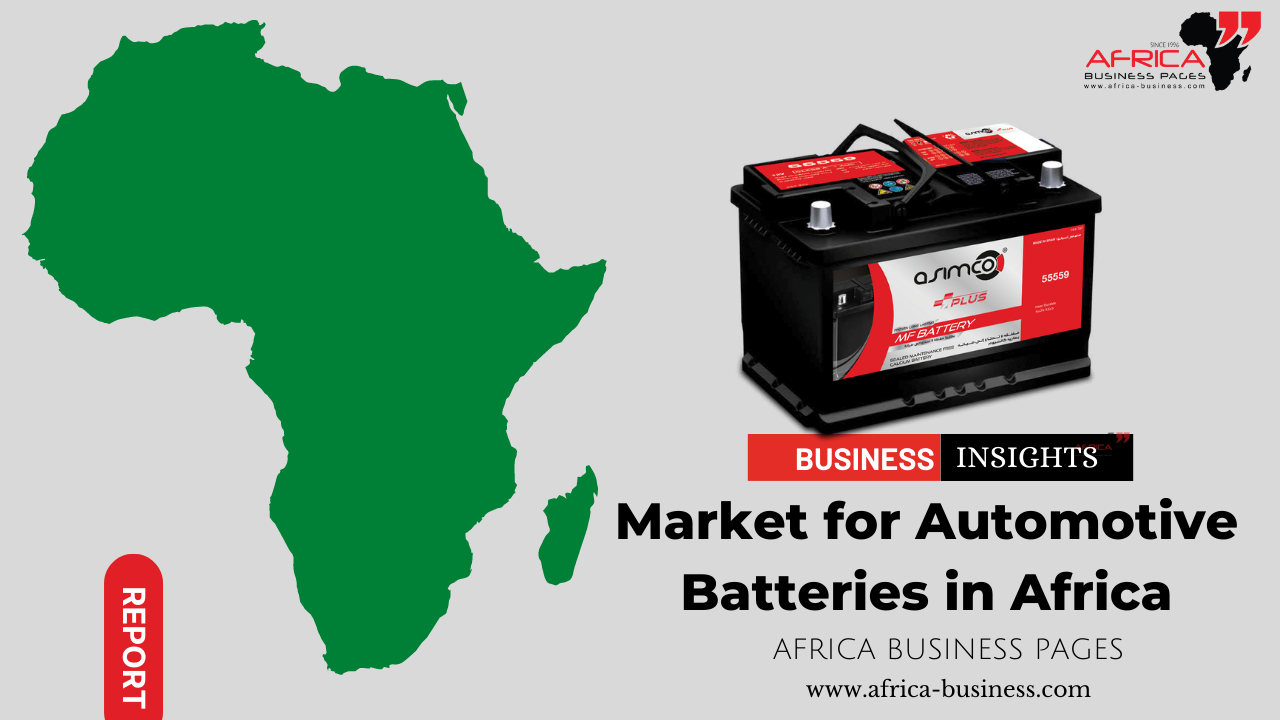
As Africa’s automotive market opens new opportunities for international companies, the demand for automotive batteries in Africa is expected to grow exponentially in the coming years. Africa automotive battery market is valued at roughly $ 2.3 billion in 2023 and is expected to grow at more than 5% per annum for the next five years. Factors responsible for this drastic increase in demand for automotive batteries in Africa can be attributed to the increasing use of two-wheelers and three-wheelers in African cities, easy availability of car financing and growth of an affluent middle class in Africa with increasingly disposable incomes. In the African continent, South Africa is the largest single market for automotive batteries valued at roughly US$60 million per annum. However, sub-Saharan Africa (SSA) consumes automotive batteries worth US$94 million per annum and is fast emerging as an attractive market for international suppliers. Leading suppliers of automotive batteries to African markets are France, Spain, China, Germany, Turkey, and Korea. In recent years, local automotive battery manufacturers in Kenya and South Africa have also entered the fray. Few of the major players operating in Africa automotive battery market include Asimco, Johnson Controls, First National Battery, SEBANG GLOBAL BATTERY, Assad Group, Federal-Mogul Motorparts LLC, Dixon Batteries, Hyundai Sungwoo Solite Co., Ltd., MARIBAT, Chloride Exide Botswana Pty Ltd., and Robert Bosch (Pty) Ltd. – to name a few. The automotive battery segment is likely to witness significant demand for the battery market in the Middle East and Africa region and is expected to be the leading end-user for lithium-ion batteries in the coming years. Moreover, expanding the 5th Generation based telecommunication network and implementation of Vision Documents in Saudi Arabia, UAE, Qatar, and Kuwait are likely to further aid the Middle East & South Africa battery market in the coming years. It is noteworthy here that in the past decade, demand for rechargeable lithium-ion battery has been growing due to the increased usage of mobile phones, computer tablets, and laptops. Since demand from both electric vehicles and consumer electronics has been steadily growing, much of the recent focus of battery development has been on lithium-ion batteries. Lithium-ion Batteries for African Markets Lithium-ion batteries are a rechargeable batteries commonly used in electronic devices and energy vehicles. These batteries are also being used to store energy from renewable energy sources such as solar and wind. The price of lithium-ion batteries declined steeply over the past ten years. In 2022, the cost of a lithium-ion battery was valued at approximately US$ 120 per kWh. This price has been falling continuously over the past 10 years and is expected to reach around USD 74/kWh by 2026, making it much more cost-competitive in the future.? Due to its fast recharge, high energy density, and high discharge power, lithium-ion batteries are the only available technology capable of meeting OEM standards for car driving range and charging time. Because of their lower specific energy and heavier weight, lead-based traction batteries are not competitive in total hybrid electric vehicles or electric vehicles. Lead Acid Battery for Hybrid Vehicles As the world moves towards hybrid vehicles, demand for lead acid batteries for short power bursts, such as starting a car engine or running light electrical loads, is also on the increase. As new government incentives boost the more towards hybrid vehicles the production and demand for lead acid batteries is also expected to grow in the next few years. In terms of product, the Africa lead acid battery market has been classified into flooded, sealed, AGM, and gel. The flooded segment dominated the Africa lead acid battery market with more than 65% share in 2022. The segment is expected to propel rapidly at a CAGR of 4% during the forecast period. The demand for flooded batteries is high due to their cost-effectiveness. The flooded batteries are widely adopted, owing to their high backup power and their ability to operate when charged partially. Flooded batteries are preferred in grid energy storage and utility. The flooded battery segment is estimated to augment two times faster than the absorbent glass mat (AGM) battery segment by the end of 2031, owing to an increase in the use of flooded batteries as commercial and residential backup batteries. On the other hand, manufacturers are diversifying their production for valve regulated lead acid battery types which are being publicized for their reverse power design since the electrolyte is captive, preventing it from spilling even when the case is punctured. Lead Acid Battery Market in Africa Based on country, the lead acid battery market in Africa has been segregated into Nigeria, Ethiopia, Egypt, South Africa, Kenya, Uganda, Algeria, and Ghana. South Africa accounted for a relatively large share of the lead acid battery market in Africa, in terms of revenue. Building & construction is a rapidly growing sector due to an increase in population in the country. Infrastructure development projects, booming industrialization, and construction activities are expected to be on the higher side in the country, which, in turn, is expected to supplement the demand for lead acid batteries for activities, such as backup, lighting & power tools. Furthermore, the Government of South Africa is focusing on investment in electric car makers to launch more electric vehicles. Enactment of regulations and carbon emission policies also boosts the lead acid battery market. All the above factors indicate why South Africa is a leading country of the lead acid battery market in Africa. Lead Acid Battery Market in Africa The demand analysis of Africa lead acid battery market indicates toward investment in research & development (R&D) activities to produce advanced, high-performance, and corrosion-free lead acid batteries. Furthermore, companies should increase awareness about the advantages of lead acid batteries, such as robust performance during sudden outages & power surges and low maintenance cost of batteries, in order to compensate for its high initial investment cost. Stakeholders operating in the Africa lead acid battery market are increasing the availability of different 12v lead acid battery types such as gel batteries that are eliminating the need for regular maintenance and help to prevent fluid leakage. COVID-19 Impact In the Middle East and Africa, the ongoing pandemic has drastically altered the status of the electronics sector and negatively impacted the growth of the battery market. The operations of several industries, such as electronics, automotive, and power, have been impacted by the pandemic, which has impacted the delivery cycle and increased import-export tariffs of batteries. The market has been impacted by the disruption in operational efficiencies and disruptions in the value chains attributable to the sudden closure of national and international borders. Disruptions in terms of sourcing of raw materials from suppliers and temporary closure of manufacturing bases due to lockdowns and quarantines have impacted the growth of the market during the pandemic. However, as economies are planning to revive their operations, the demand for batteries is expected to rise in the Middle East and Africa. The expanding demand for batteries across automotive, industrial, household, consumer electronics, and other industries, along with significant investment by prominent manufacturers, is expected to drive the growth of the battery market.
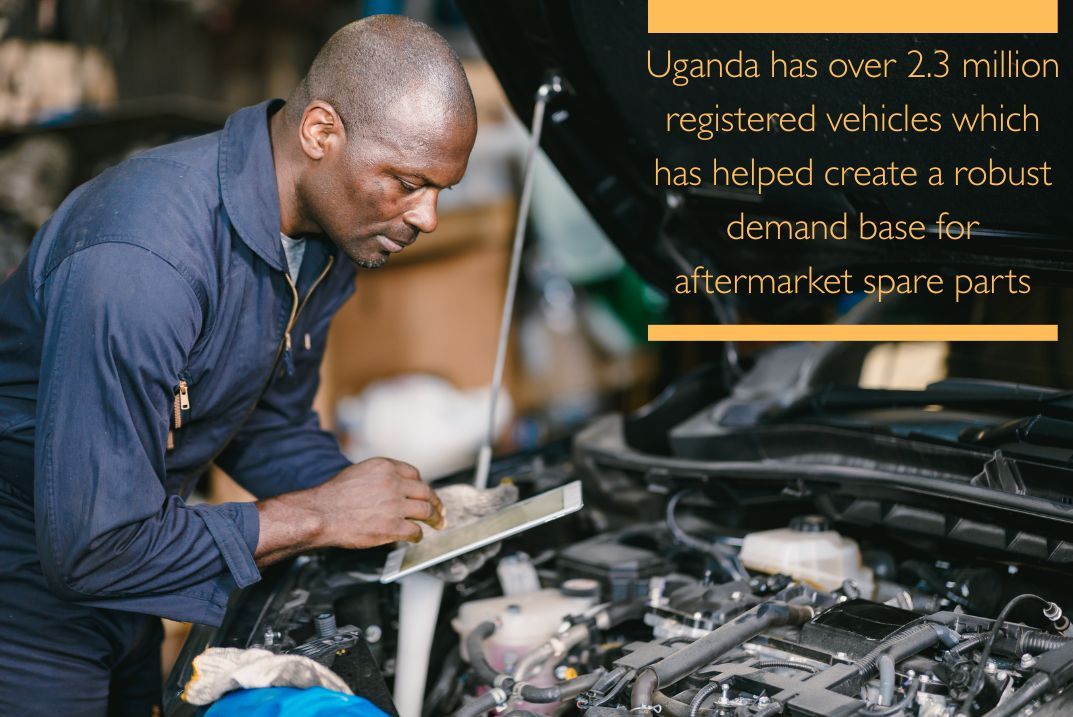
Uganda's automotive spare parts market is undergoing significant transformation, driven by a combination of rising vehicle ownership, strategic local manufacturing initiatives, and the gradual digitization of parts distribution. According to a recent study conducted by the research team of Africa Business Pages, Uganda has over 2.3 million registered vehicles which has helped create a robust demand base for aftermarket spare parts. As a result, the automotive spare parts sector in Uganda has attracted both established importers and innovative domestic manufacturers. Market Overview: Demand Dynamics and Import Infrastructure According to the study, Uganda's automotive sector is characterized by a high prevalence of used vehicles, predominantly imported from Japan, South Korea, UAE and Europe. This reliance on aging fleets – averaging 10-15 years in operational lifespan – creates sustained demand for replacement components, particularly brake parts, engine parts, batteries, filters, suspension systems, and electrical components. Mandela Auto Spares, one of Uganda's largest parts stockists, maintains over 12,000 SKUs specifically tailored for Japanese models like Toyota, Mitsubishi, and Isuzu, reflecting market alignment with prevalent vehicle makes. Annual parts consumption is estimated at $8 billion continentally, with Uganda contributing a growing share amid its 11% year-on-year demand growth. Import Infrastructure and Regional Trade Networks As the East African Community's leading auto parts importer, Uganda accounts for 37% of regional shipments, with 4,364 annual import transactions. Key trade corridors include: India: 1,971 shipments, specializing in lead molds and electrical components United Arab Emirates: 1,045 shipments, focused on assorted spare parts China: 1,045 shipments, supplying engine and chassis components This import ecosystem remains critical due to limitations in local production capacity. However, rising freight costs and supply chain disruptions post-2020 have incentivized shifts toward domestic manufacturing, as seen in Standard Waves Ltd's expansion from 1 workshop to 4 production facilities since 2016. Uganda: The Hub for Re-Exports in East Africa Ugandan importers, wholesalers and distributors increasingly act as re-export hubs for landlocked neighbouring countries in East Africa. A 2024 survey found 37% of UAE goods imported via Kampala were onward-shipped to Kigali and Juba, leveraging Uganda’s COMESA-certified warehousing zones. This secondary trade generated $96 million in logistics revenue for Ugandan firms, incentivizing further imports from the UAE. Standard Waves Ltd: A Case Study in Import Substitution Founded in 2016, Standard Waves Ltd (SWA) exemplifies Uganda’s nascent manufacturing push, producing 1,000+ replacement parts for 80 vehicle models. Their product range spans oil filters, engine mounts, and specialized fasteners, capturing 20% of the domestic market through competitive pricing – 30–40% below imported equivalents. Strategic government backing, including tax incentives and land allocations for factory expansion, underscores policy alignment with the National Development Plan III’s industrialization targets. Hon. Evelyn Anite’s endorsement during SWA’s facility tour highlighted state priorities: “Local manufacturing isn’t optional; it’s essential for job creation and forex preservation.” Brick-and-Mortar and Service Integration Mandela Auto Spares’ B2B model – supplying government ministries, UN agencies, and 60+ garages – demonstrates the enduring relevance of physical distribution. Their value-added services, including direct-to-garage parts delivery with labor-only billing, reduce counterfeit risks and improve fleet maintenance outcomes for institutional clients. Kampala hosts 114 registered spare parts distributors, though market fragmentation persists, with 80% operating single-outlet models. eCommerce Acceleration and Market Democratization The vehicle parts eCommerce sector, projected to reach $1.9 million by 2025, is reshaping rural access. Platforms like Volza.com facilitate SME imports through consolidated shipping, while SWA’s digital catalog – accessed by 40% of its customers – enables just-in-time ordering for mechanics outside Kampala. However, logistical bottlenecks limit same-day delivery to major hubs, with 72-hour lead times common in Northern and Eastern Uganda. Tax Regimes and Their Market Impacts Uganda’s automotive policies present a dual-edged sword: Import Duty Waivers: Reduced tariffs on machinery imports (from 10% to 7%) aided SWA’s expansion. Excise Taxes: 20% levies on imported parts sustain price gaps favoring local manufacturers. The 2023 Automotive Industry Development Bill proposes further incentives, including VAT exemptions for locally produced parts exceeding 60% domestic content. Market Growth Trajectories The Middle East and Africa spare parts market, valued at $13.36 billion in 2024, expects 5.9% CAGR through 2031, with Uganda outperforming at 7–8% driven by: Vehicle Electrification: Emerging demand for hybrid battery components and charging parts. Aftermarket Expansion: 45% of vehicles aged 15+ years require frequent part replacements. Uganda’s automotive parts market stands at an inflection point, balancing import reliance with nascent industrialization. With strategic public-private synergies, Uganda could capture 15-20% of the regional aftermarket by 2030, translating to $2.2 billion in annual revenue. The sector’s growth will increasingly hinge on technology adoption, quality enforcement, and workforce upskilling – a roadmap requiring coordinated investment and policy agility.
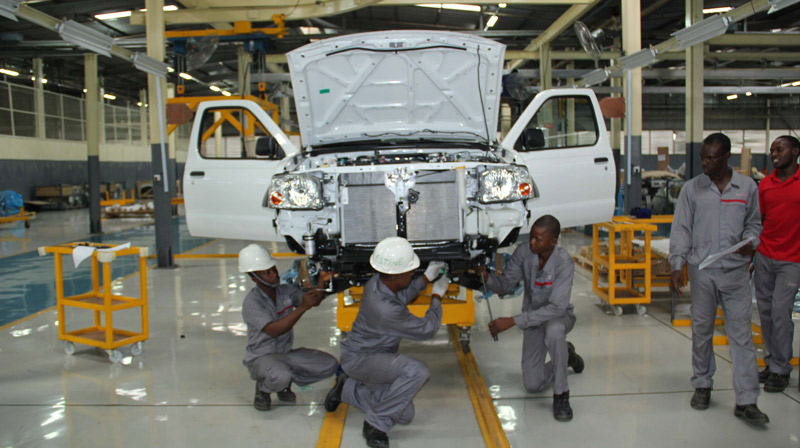
With the imminent ablishment of trade barriers under the African Continental Free Trade Area (AfCFTA), Ghana is poised to overtake Nigeria by becoming a gateway to the rest of West Africa, and a market leader in new car sales. The government of Ghana is also offering 10-year tax breaks to the automotive manufacturing industry in a bid to make Ghana the regional hub for car assembly and boost car sales in the local and regional markets. And a lot of international car makers are considering Ghana government’s invitation very seriously. Toyota, for instance, is aiming to collect 30% of the corporation’s total annual revenue, currently at $60b illion, from Africa in coming 20 years. Industry experts forecast that Africa will account for one-third of the world’s population by 2050, up from 17% now. Africa currently accounts for less than 1% of global annual new car sales. However, Toyota and other manufacturers will find it tough to immediately find a large consumer base in Ghana given the dominance of the used vehicle market. On the other hand, industry experts predict that new vehicle registrations in Ghana are expected to expand at an average annual rate of just 1.5% from 2019-28. On the other hand, retail and consumer spending is expected to grow in Ghana, which is benefiting from two decades of stable democratic government, making Ghana one of the fastest growing economies in the world in 2019, and a pro-business regime proactively attracting foreign investment. Kumasi, the capital of the Ashanti region, has long been a base for the automotive trade, serving the markets of landlocked neighbouring countries to the north as well as an access point for the important markets of Mali and Burkina Faso. Given the promise in the market, it is not just international giants that are looking to gain a foothold. Local electric car manufacturer Kantanka is hoping to capitalise on changing consumer patterns amid growing international concern over carbon emissions. CEO Kwadwo Safo Jnr has said the firm will build electric cars that can travel between Accra and Kumasi without recharging. The business has already received orders from the trade and agricultural ministries. With moves to encourage electric vehicles in Europe and North America, and sales in China growing to 1.4 million in 2019, the market could develop in tandem with a demand for traditional vehicles.
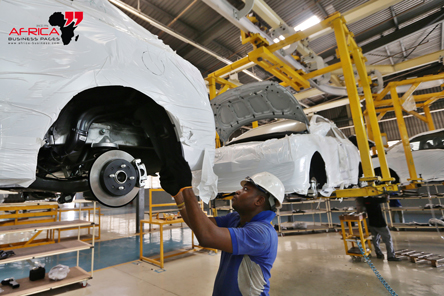
Nigeria’s Booming Auto Market
folder_open Automobiles Sector , West Africa
With a population of close to 180 million and a GDP of US$493 billion in 2015, Nigeria is the most populous country with the largest economy in Africa. Despite the current economic challenges facing the country due to low oil prices and a weakened currency, Nigeria still reveals robust economic growth of 2-4% in the medium term. Owing to the lack of domestic vehicle production, Nigeria is highly dependent on imports to meet its domestic demand. In 2014, passenger vehicles constituted the second-largest import category after petroleum oils or bituminous minerals. Overall automotive related imports stood at US$6.9 billion (passenger vehicle imports: US$2.9 billion) accounting for approximately 11.5% of Nigeria’s total imports. While auto imports recorded rapid growth between 2004 and 2014, the current slowdown in the economy and the recent introduction of high import duties on vehicles linked to the new automotive policy has led to approximately a two-third contraction in vehicle imports according to industry players. Second-hand vehicles dominate the import market. It is estimated that approximately 10% of vehicles imported to Nigeria are brand new. A large share of second-hand vehicles are imported from the US, given that vehicle specifications in this market are more in line with the demand and taste of Nigerian consumers, which is not always met by entry-level models from Europe. Importers of used cars in Africa are making a good profit importing used cars for resale from all across the world. Before the hike of import duties on second-hand vehicles, Nigeria imported more than 100,000 cars per year from the the US. In 2015, imports from the US had plummeted to less than 40,000 units. In addition to direct shipments to Nigeria, the Port of Cotonou in neighbouring Benin is a key transit point for second-hand vehicles destined for the Nigerian market. It is estimated that 85% of Benin’s used vehicle imports end up in Nigeria. In 2013, the European Union (EU) and the US exported approximately 300,000 cars to Benin. Based on the import figures for Benin, an additional 255,000 used cars from the EU and the US entered Nigeria via Benin. There is no culture of maintenance in Nigeria – people drive their cars until they break down and then fix them. Vehicle Numbers Depending on the source of data, the current vehicle fleet in the country ranges from 1.3 million vehicles to 10 million vehicles. According to the Federal Road Safety Corps the total fleet size was 1.65 million units in 2015, of which approximately one third are concentrated in Lagos State. Even applying the least conservative estimate of vehicles in use, namely 10 million vehicles, Nigeria’s motorisation rate is approximately one-third that of the global motorisation rate with less than 60 vehicles per 1 000 people. Due to the New Automotive Industry Development Plan (NAIDP) launched in 2014 that increased the prices for imported vehicles, and the economic slowdown triggered by low oil prices, Nigeria’s growth in fleet size slowed down remarkably in 2015. However, it is expected that in the short term fleet growth will stabilise in a range between 4.5% and 5.5% per annum. Vehicle Sales Despite being the most populous country in Africa, Nigeria’s new vehicle sales lag behind less populated countries such as Algeria, Egypt, Morocco and South Africa. According to industry players, the overall new and second-hand market combined ranges between 500,000 and 1 million units per year. Smuggling, grey imports of second-hand vehicles and the lack of reliable data however, make the exact size of Nigeria’s vehicle market and fleet size difficult to quantify. Challenges concerning the licencing and identification of vehicles further contribute to this difficulty. Imported second-hand vehicles, so-called tokunbos, dominate the Nigerian vehicle market as only a small segment of society is able to afford new vehicles. A representative of a leading automotive firm estimates that a mere 2% of the population is able to afford new vehicles given the current economic and financing environment. While commercial banks offer vehicle finance, accessing these credit facilities has become increasingly unattractive to individual consumers as credit facilities are provided at interest rates above 20% per annum and require at least a 10% down-payment. Commercial banks usually require repayment of vehicle loans within four years, due to the rapid depreciation of the value of vehicles given poor road conditions. According to one of the most established vehicle finance providers, the monthly repayment amount should not exceed 35% of the monthly income of the borrower. The short repayment-period as well as the high interest rates present a key challenge for low- and middle-income households when it comes to accessing vehicle finance. Due to the limited accessibility to and expensive financing of vehicles, new vehicles remain out of reach for most Nigerians and the largest share of current vehicle demand comes from the business community. Corporate buyers account for approximately 70% of overall new vehicle purchases, indicating the suppressed demand from private buyers, arguably the market segment with the largest growth potential. Through recently introduced promotional offers by banks in partnership with selected vehicle dealers, customers are able to access finance at a discounted rate for a limited number of vehicles and models. Indeed, the provision of alternative financing products, especially in-house financing by the automotive companies, is seen by industry players as a key requirement for the growth of the local market. However, in the absence of affordable finance solutions, secondhand vehicles remain the more attractive option for private vehicle buyers. According to a representative of a leading automotive company, second-hand passenger vehicles accounted for 80% of sales in 2014. The share of tokunbos in the commercial vehicle market is even larger, reaching up to 90% of the market according to a leading commercial vehicle manufacturer. New vehicle sales are dominated by Toyota which accounts for almost one third of new sales. Hyundai and Kia have established themselves as increasingly serious competitors to Toyota due to their competitive pricing and improved image in terms of quality. In 2015, the three Asian brands accounted for half of new vehicle sales in the country. The economic slowdown, the depreciation of the naira and the increase in vehicle prices due to the import duty hike had a substantial impact on new vehicles sales in 2015. Although vehicle sales saw positive growth post the global financial crisis, total new vehicle sales dropped by more than half in 2015, compared to 2014. The sharp decline of sales highlights the absence of sizeable and competitive domestic assembly that could provide an affordable alternative to imports and the dependency on vehicle imports to meet domestic demand. Production and Assembly Nigeria is no stranger to automotive assembly and manufacturing. Already in the 1970s Nigeria started assembling motor vehicles. In the 1970s and 1980s, the federal government of Nigeria partnered with six international automotive and commercial vehicle manufacturers to produce passenger and commercial vehicles locally from CKD kits. According to the National Automotive Council (NAC) these six companies had an initial installed capacity of 149,000 units per annum during the 1970s and 1980s. “Sometimes, cars are imported to be stripped for parts as availability of genuine parts is limited.” In addition to these plants, the Federal Government entered into five more agreements with international automotive companies to establish assembly plants in 1982, according to the National Automotive Design and Development Council Nigeria. These agreements included the establishment of plants by Isuzu in Maiduguri, Mazda in Umuahia, Mitsubishi in Ilorin, Nissan in Minna and Peugeot in Gusau. However, these plans did not materialise. Furthermore, due to inconsistent policy implementation, corruption, declining patronage by local and federal government departments and lack of reliable power supply, the output and capacity utilisation of the six existing plants declined rapidly. Symptomatic of the demise of Nigeria’s automotive industry was the stop of production activities by Peugeot Automobile Nigeria (PAN), Nigeria’s largest manufacturer, in 2010. Since then assembly plants have been lying dormant. By 2012, all of the country’s automotive manufacturers had been privatised as the government exited the existing partnerships, eroding any incentives for government departments to purchase locally assembled vehicles The launch of Nigeria’s NAIDP in 2014 and the subsequent hike in import tariffs for vehicles has attracted the interest of leading international carmakers and has led to the resumption of small scale vehicle assembly in the country. While the high import tariffs are aimed at encouraging local assembly, the sharp drop in vehicle sales in Nigeria in 2015 is a strong indication that this measure had an adverse impact on overall vehicle prices in the absence of a sufficient assembly base that could provide substitutes for imported vehicles. In 2015, local assembly was only able to cover 10-15% of the new vehicle market. According to a senior representative of one of the automotive companies present in Nigeria, approximately 1,000 passenger vehicles were assembled in Nigeria in 2015 – an even more conservative estimate. Currently, 35 companies are licensed to produce by the Nigerian Automotive Council under the NAIDP. Despite the increased focus on the automotive industry, the sector’s contribution to Nigeria’s GDP remains low at 0.07%. At present the vehicles are assembled from imported SKD kits with a limited degree of local inputs-sourcing due to the lack of a reliable and adequate domestic supplier base. While current assembly figures are low, with Peugeot Automobile Nigeria recording the largest number of vehicles assembled in 2015 with 400 units, the automotive companies aim at increasing their annual output in order to capitalise on the long-term growth prospects of the Nigerian market. However, due to the current economic slowdown, expansion plans are likely to be delayed as reflected in the decline of employment levels in some of the assembly facilities.

Ethiopia is the latest African country to strike a deal with German automaker Volkswagen, following Ghana and Nigeria in 2018. The deal will see Volkswagen support Ethiopia in developing its automotive industry by establishing a vehicle assembly facility, localizing automotive components, introducing mobility concepts such as app-based car sharing and ride hailing as well as the opening of a training center. Thus, Volkswagen will work closely with the Ethiopian higher education and training institutions for skills development and capacity building of local talent. Ethiopia has the world's lowest rate of car ownership, with only two cars per 1,000 inhabitants, according to a recent report. Many Ethiopians have found owning a car too expensive because of import taxes of up to 200%. Once all taxes are added to an imported car's price tag, it could cost nearly three times more than the retail price in its country of origin. However, despite the heavy tax burden, there is a rise in the numbers of car imports. “As one of the fastest growing economies and with the second highest population in the continent, Ethiopia is an ideal country to advance our Sub-Saharan Africa development strategy,” said Thomas Schaefer, Head of the Volkswagen Sub-Saharan Africa Region, who signed a Memorandum of Understanding (MoU) with the Commissioner of the Ethiopian Investment Commission (EIC), Abebe Abebayehu in the presence of President of the Federal Republic of Germany, Frank-Walter Steinmeier and the Ethiopian Minister of Finance, Ahmed Shide. Ethiopia’s economy has grown impressively over the last decade. The country has also seen a recent wave of reforms which is increasing investor confidence in the country. Indian apparel maker KPR Export Plc. which invested in the country last year has started exporting from its base at the Mekelle Industrial Park in Ethiopia, shipping its first container to the European Union. Commenting on KPR’s export, Abebayehu noted that “industrial parks help attract and retain quality investors with sound capital, strong technology spillover and export growth contribution potential”. It is one of the reasons why Volkswagen is keen on Ethiopia. “Additionally, Volkswagen intends on tapping into existing expertise and strategic resources in Ethiopia to help to establish a thriving automotive components industry,” Shaefer said. Under its TRANSFORM 2025+ brand strategy, Volkswagen is strengthening the regions and focusing on new up-and-coming markets, with the Sub-Saharan Africa region seen as an important part of this. Last year, the company signed an MoU with Ghana that will see it establish a vehicle assembly facility and conduct a feasibility study for an integrated mobility solutions concept. In Nigeria, Volkswagen implemented a phased approach of vehicle assembly with a long-term view of establishing Nigeria as an automotive hub in West Africa. The car maker which has been manufacturing vehicles in South Africa since 1951 already has vehicle assembly operations in Algeria, Kenya and Rwanda. With a fast growing economy and stellar performance on Foreign Direct Investment inflow, Ethiopia is asserting itself as a competitive and preferred location of choice for investment.
Export Used Cars To Africa: Importers in Africa of used Cars Do Thriving Business
folder_open Automobiles Sector
Second-hand cars have been finding their way to African markets for many years. The market for used cars in Africa is poised for further growth as Africa is by far the least motorized region on the planet with only 44 registered vehicles per 1,000 inhabitants. The global average, on the other had, stands at 180 vehicles per 1,000 inhabitants – which reflects the tremendous growth potential in the market for used cars in the African market in the future. Demand for used cars in many African countries is soaring due to an emerging African middle class and increasing levels of disposable incomes. Nigeria is the biggest market for used cars in Africa, and is also one of the most affluent in the Sub-Saharan region. The country boasts a population of over 140 million with approximately 40 million currently belonging to the rapidly emerging middle class. While new car sales are slowly picking up across the country, used sales still best those of new vehicles by a ratio of 4:1. Apart from South Africa and the North African countries the rest of the continent is poised for a major increase in demand for second-hand cars over the coming years. It is estimated that by 2030 car ownership will more than double to reach a healthy number of 90 million registered vehicles. In East Africa, more than 96 per cent of vehicles imported into Kenya are used ones. Its neighbour, Ethiopia, along with Nigeria, is one of the largest importers of used vehicles globally. Given the current limited disposable income, Ethiopia’s automotive market is dominated by second-hand imported vehicles – particularly commercial vehicles. Commercial vehicles are Ethiopia’s second most valuable import overall, worth over US$850 million. Approximately 85 per cent vehicles in Ethiopia are second-hand imports, of which almost 90% are Toyotas, imported primarily from the Middle East – mostly from Dubai. Every year, around 800,000 used cars are exported to the top ten sub-Saharan African importers from Japan, EU and the United States. Japan, alone, exports used vehicles to at least 13 African countries via the UAE. Its market is spread across eastern and southern Africa with Kenya, Uganda and Tanzania having a large user base. The European Union is the second largest exporter of used vehicles to Africa, supplying to at least 15 countries in North Africa. Germany is a major exporter of used cars to Africa garnering over half of EU car exports to Africa (53 per cent). Region-wise, West Africa is clearly ahead of the rest of Africa as it imports over 900,000 used cars every year, which is approximately 70 per cent of total imported vehicles in Africa. Central Africa contributes the least to used car business and imports an average of 65,000 vehicles per annum. Interestingly, it is slightly higher than what Kenya, alone, imports in one year on an average. Japanese Used Cars On one hand, we have Africa, the biggest consumer of second hand cars in the world, and on the other hand we have the Far East. Japanese used car exporters have been successful in meeting Africa’s need for used cars. It is indeed a very agreeable trade agreement between Japan and Africa. Not only is Africa, as a continent, the largest importer of used cars, but owing to the global crisis that hit most parts of the world in 2008/2009, Kenya toppled Chile and Russia from the top, to become the largest importer of Japanese used cars in Africa and the world. Owing to the lack of parts support and dealership networks, the top priority of Africans when buying used cars is reliability – and that means they want Japanese cars. Even though Europe is much closer to Africa (and, therefore, shipping used cars should be cheaper), Japanese cars are still relatively rare in Europe. In North America, Japanese cars are common, which is why so many are brought over from the USA. When it comes to the types of cars, unsurprisingly, Toyota and VW dominate both the new and used car space, capturing more than 35% of the new and used passenger financed volumes. Most models of Toyota are particularly popular in Africa – including the Aygo, Corolla Quest, Etios, Avanza and Yards, which boasts a good reputation and they’re perceived to be reliable and easy to maintain. Nigerian Used Car Market Large numbers of used cars are smuggled into Nigeria from Benin and Togo. Car importers in Benin legally import used cars from Europe, but then export them illegally to Nigeria. In the process, used car importers in Benin and Togo are making good profits by servicing the demand for used cars in Nigeria. Most cars imported into Togo and Benin are finally destined for Nigeria. “The price of cars will go up, and the smuggling will increase. There are 200 roads through the bush to come to Nigeria, the borders are porous,” said one car dealer in Benin. The reason for the rise in this illegal trade in used cars is the high import duties which Nigeria imposes on the importation of second-hand vehicles. Moreover, Nigeria has banned the import of vehicles older than 10 years. All in all, the used car business in Africa will continue to grow as more and more Africans enjoy the benefits of economic prosperity sweeping across Africa and benefit from rising disposable incomes and move to upgrade their lifestyles. Africa Business Pages has compiled the Africa Car Importers Directory – a special directory of importers of cars in Africa – with special emphasis on used car importers – that is now available for download and provides a comprehensive list of used car dealers in Africa.
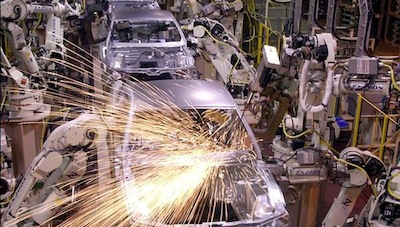
Ghana's Automotive market
folder_open Automobiles Sector
The automobile sector of Ghana has been a driver of growth of the country as it is one of the most visible sectors to receive foreign investment. Ghana is a multicultural and ethnically diverse West African nation and is the 9th largest African economy. On the Ibrahim Index of African Governance, Ghana ranks as the 7th best economy in Africa, which implies a relative safety of foreign investment in the region. Also, Ghana ranks relatively high in the ease of doing business index and also has an extremely high freedom of press rating, which makes it a good emerging market to invest in. Some of the popular car brands in the region are Toyota, Mercedes Benz, Mitsubishi, KIA, Nissan, Hyundai Volkswagen, Renault among others. Ghana’s manufacturing industry gets good support from the local government which has enabled it to become one of the 40 fastest growing industrial productions in the world. Industry currently accounts for a quarter of the GDP but by 2021 it is expected to account for at least 30% of the GDP and the main driver for the growth will be the automobile industry. AUTO PARTS INDUSTRY The African auto parts market for passenger vehicles is emerging as one of the most important re-export markets, growing more than 11 per cent year-on-year, and estimated to be worth US$7.68 billion in 2013 and based on the double-digit growth of demand in key Sub-Saharan countries, the value of the Africa’s auto parts market is likely to double by 2020. Countries such as Nigeria, Kenya, Uganda, Ghana, have witnessed double digit growth in demand of parts in the past five years.Focusing on the tremendous opportunities of doing business in the fast-emerging African market, there are currently more than 21.6 million cars on the continent’s roads which make up for nearly 70 per cent of spare parts consumption. There are five modes of automobile service business in Ghana, these are : New car dealers Independent garages/shops Specialty garages /shops Service stations or garages Fleet garages /shop However, the region still has its challenges. The African market is unstructured and the share of non-genuine parts is the biggest challenge to the automotive aftermarket in this region. Political issues, credit policies, and business sustainability related issues also impact the market, but these are mostly limited to Central Africa. Despite this the future outlook remained bright for those exporting to Africa, with the best opportunities existing in Kenya, Angola, Uganda, Nigeria and Ghana. GREY MARKET In any properly controlled economy, necessary agencies are put in place by the government to regulate the importation, sales and use of such products as important as an automobile. Sadly enough, this has not been the case with Ghana where there are many grey importers who knowingly or unknowingly would bring in vehicles that are neither environmentally conducive nor mechanically compliant. This definitely is an anathema that impedes national development. For example: • These grey imports make it impossible to render accurate sales figures hence the inability of economic planners to have the appropriate statistical figures to help plot growth in the sub-sector. • In views of this negative practice in the Ghanaian auto-market, the inherent results are environmental pollution with its health hazards and accidents. • Currently, this grey market is forming a significant part of the auto market that is fiercely competing against genuine products for sub-Saharan Africa with some manufactured in South Africa. The situation has established a very strong challenge for the organized and genuine auto market brand builders who invest their monies in the business for long term gain. The peculiar attractions based on opulence and hi-tech features take vast range of attentions comes with loads of problems when imported into the tropical zones like Ghana. • Instead of desired values, users have to grapple with increasing stress levels involved in the usage of the grey imported cars. • Due to the quality of these grey imports, the maintenance cost is usually very high, thereby creating financial nightmares for users. And a disturbing aspect is the distrust which customers develop for the genuine brand holders, thereby affecting the economic fortunes of the authentic auto brand builders. Most people we interviewed prefer to buy grey imported cars than the ones from the authorized dealers. They agreed that authorized dealers offer reliable cars with the best in-class services and warranty, but it comes with a price which is too huge for their pockets to bear. If they consider to acquire new cars from the authorized dealers, price, interest rate and terms of repayment are the major factors that discourage them. Used engines are in great demand in many African countries which have a big market for re-conditioned automobiles. Most of the African buyers have substantial requirements for quantities of automotive batteries, tyres, spare parts, ball bearings, water pumps and a host of electronic goods. People prefer buying used spare parts because they are genuine and are often in good condition. Every spare parts outlet may not provide the full range of used parts of all car models but together the market is capable of providing nearly 90 per cent of such parts. The diversified range of used mechanical and body parts of cars and engines has brought this business parallel to genuine and non-genuine new spare parts businesses as it offers big variety at affordable prices. There has been an increasing demand for automobile spares, ball bearings and lubricants in the fast developing markets of Africa. The rapid growth of the middle class in many African countries has pushed demand for automobiles to an all-time high – in turn creating a growing market for all kinds of tyres: passenger car tyres, off-the-road tyres, industrial tyres, agricultural tyres, truck, bus and trailer tyres as well as motorcycle and bicycle tyres. The rising demand for tyres in Africa has led to stiff competition between tyre manufacturers from all across the world seeking to garner a major share of the market for tyres in the new and emerging African markets. Traditionally, European tyre manufactures had had a monopoly over the African markets and many European brands were top selling tyres in many African countries. MARKET OPPORTUNITIES However, in recent times, European tyre firms are beginning to lose ground to Chinese and other Asian brands in several African markets. The African count ries are price-sensitive markets and prefer to import low-priced Chinese tyres rather than the expensive European and American brands. There is an equally strong market for sale and importation of used tyres in this region. Apart from Dunlop International the other three significant players in the African market for tyres are Continental, Bridgestone and Goodyear. GROWING OPPORTUNITIES Currently most of the consumers in the automobile segment belong to the affluent class hence the automobile industry inGhana presents massive opportunities for the future as the burgeoning middle class is largely untapped in the country. One of the major problems with Ghana that has been impeding the growth of the automobile sector is the lack of financial inclusion in the country. Most people do not have access to financial loans and other options like lease that make owning an automobile easy. While the global automotive industry is fiercely competitive, there are other factors that limit or even distort trade. For decades, various governments around the world have used trade distorting policies to support the creation and expansion of domestic automotive industries that were not otherwise economically feasible. This has been accomplished through combinations of subsidies, tariffs and non-tariff barriers. The market for automobile spare parts, in particular, has been an attractive sector for enterprises supplying these goods to many countries in Africa. The rapid industrialisation currently sweeping across many African countries has resulted in an increased demand for capital goods such as machinery, lubricants, spare parts, ball bearings and other mechanical accessories.
Michelin ties up with CFAO to boost tyre sales in East Africa
folder_open Automobiles Sector , East Africa
Michelin Tyres is targeting Africa to further consolidate its sales and distribution network in East Africa and has partnered with CFAO, a renowned distributor of industrial products with outlets and distribution networks all across Africa. The joint venture between Michelin Tyres and CFAO will oversee the import and distribution of high-quality tyres in Kenya and Uganda. A new company has been formed specially for this joint venture in which Michelin holds a 49 percent share and the remaining 51 percent are with CFAO. Administration of the new entity will be divided equally between Michelin Tyres and CFAO. The new company will supply tyres for both heavy duty as well as smaller vehicles. This will depend largely on the business relationships built by Michelin over the years. “With growth rates of 4.5 per cent for Uganda and 5.5 per cent for Kenya in 2017, these markets are very dynamic,” adds Richard Bielle, chairman and chief executive officer of CFAO. “As a result, they are of interest to the biggest players in the global industry. CFAO’s alliance with Michelin illustrates our know-how on the continent – providing our partners with immediate solutions to develop markets and to offer consumers high quality products and services.” This new development is just another case of Michelin's objective of acquiring a stake in the distribution channels of its closest competitors. One of Michelin's acquisitions Ihle Holding AG has also been used in the acquisitions of German-based whole sellers.They have also entered into a 50-50 partnership with Nex Tyres SL in a wholesale joint venture in Spain. The company announced another identical venture earlier this year in North America with Sumitomo Corporation to tap the markets in the US and Mexico. Tyre sales in East Africa have been rising over the years and have made East Africa an attractive market for tyre dealers, manufacturers and stockists. many tyre dealers in Dubai have been actively supplying all kinds of tyres, tubes and batteries to the East African markets like Kenya, Uganda, Tanzania, Rwanda, Burundi, Ethiopia and Sudan. As demand for tyres increases in East Africa, more and more multi-nationals are expected to enter the fray and expand their sales and distribution networks by appointing agents and distributors for their products.

Nairobi to Have Flying Taxis
folder_open Articles , Automobiles Sector
Last year Uber promised flying taxis in several cities by 2020. But the company will be relying on variety of partners to provide the actual vehicles and systems required to have a working flying taxi service in a city. The cars will be efficient in fuel use, safe and no noise compared to helicopters. McFly, the company that intends to introduce the service in Kenya will use an initial production cost worth $120,000 per vehicle. However, that is expected to reduce to $30,000 once they start producing in bulk. The trip will cost $8 per minute. But pricing will depend on grid’s load. Passengers will be picked up at the nearest helipad or heliport and dropped at the nearest pad to their destination, and will take a 5-10-minute walk at either end. US-based tech firms Facebook and Uber have also requested permission from Kenya's aviation regulator to test drone activities following legalisation of the Unmanned Aerial Vehicles (UAVs). The Kenya Civil Aviation Authority (KCAA) says the tech giants have shown interest in use of drones in the country following adoption of regulations to guide operation of the devices. The move makes Kenya the third country on the continent after Rwanda and South Africa to have a legal framework in place for the remotely controlled aircraft. Meanwhile, at least 19 companies are also working on flying taxis. Amongst them are big names like Airbus and Boeing (who have completed initial flight tests of an electric unmanned cargo aerial vehicle prototype), as well as small startups like Kitty Hawk, owned by Google founder Larry Page. Dallas, Dubai and Los Angeles are the first three cities where Uber plans to launch a pilot service by 2020. Uber has signed a Space Act Agreement with NASA to create a brand-new air traffic control system. Dubai's Road and Transport Authority (RTA) hopes that airborne taxi services will make up a quarter of all transport in the city by 2030 and Singapore is also investing in flying, driverless drones to resolve traffic problems. Introducing flying taxi services in cities will be a complicated and cumbersome task, but given the rising traffic problems in urban areas all across the world, flying cars and taxis seem to the only viable solution.
Preliminary request for participation in the trade show
place
calendar_today
Preliminary request for visitor registration
Visitor Registration
place
calendar_today