

Africa Cold Chain Logistics: Optimizing Reefer Fleets for Growth
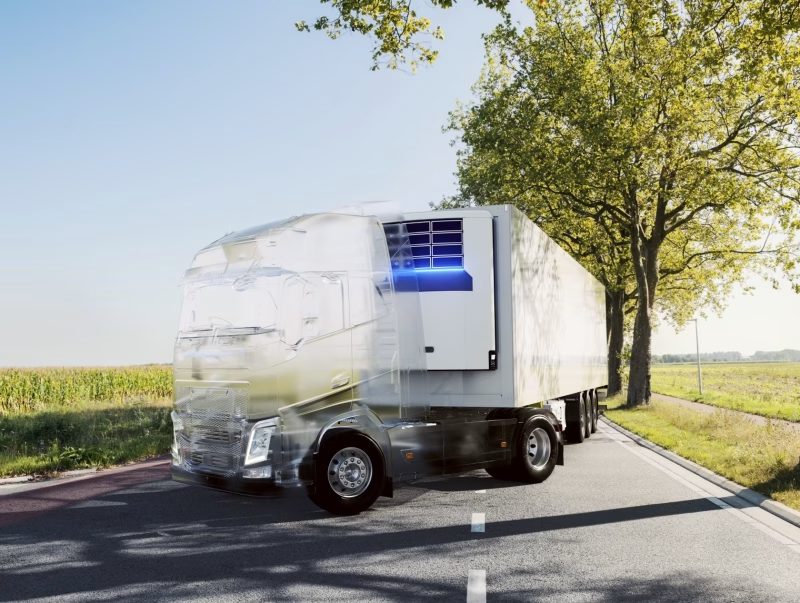
Africa's burgeoning economies and growing populations are driving unprecedented demand for efficient cold chain logistics, a critical sector facilitating the safe transport of perishable goods, pharmaceuticals, and other temperature-sensitive commodities across vast distances. This essential infrastructure underpins food security, healthcare access, and expands B2B trade opportunities for global suppliers seeking to penetrate African markets.
However, operating refrigerated transport fleets, commonly known as reefer fleets, presents unique challenges. Every kilometer traveled incurs significant costs—fuel, maintenance, driver wages, and refrigeration energy—regardless of whether the truck carries a paying load. The pervasive issue of empty return journeys, where vehicles travel hundreds of kilometers without revenue-generating cargo, directly impacts asset utilization, revenue per vehicle kilometer, and overall profitability for operators across the continent. Addressing this logistical hurdle is paramount for enhancing efficiency and unlocking the full potential of Africa's cold chain.
The Crucial Role of Cold Chain Logistics in Africa's Trade
The demand for reliable temperature-controlled transport is escalating across Africa, driven by urbanization, a growing middle class, and increased intra-African trade facilitated by initiatives like the AfCFTA. From fresh produce and processed foodstuff and beverage exporters to vital pharmaceutical and medical suppliers, ensuring product integrity from farm to market or factory to patient is non-negotiable. This necessitates robust cold chain infrastructure and sophisticated fleet management strategies that can navigate Africa's diverse climates and logistical complexities.
Effective backhaul planning is a cornerstone of this strategy, ideally commencing before the outbound journey. Operators must proactively identify compatible return cargo from various temperature-controlled customers, including food distributors, retailers, agricultural producers, and pharmaceutical suppliers. However, the commercial value of a backhaul is only realized when its temperature range, loading requirements, hygiene standards, delivery window, and route seamlessly align with the original operation. A poorly planned return load can introduce delays, additional handling, or temperature risks, ultimately eroding its commercial benefit.
Peter Meroi, Area Sales Manager for South, West, and East Africa at Thermo King EMEA, emphasizes that the most significant opportunity lies in combining a stronger backhaul strategy with multi-temperature capability, smarter route planning, and connected fleet intelligence. This integrated approach allows operators to secure return loads, consolidate diverse temperature-sensitive products within a single vehicle, and plan routes based on real operating conditions rather than mere distance, thereby increasing utilization without compromising cargo protection.

Leveraging Technology for Enhanced Reefer Fleet Efficiency
Technological advancements are pivotal in transforming African cold chain operations. Multi-temperature capability in reefer units allows fleets to transport compatible products requiring different temperature ranges within one vehicle. This flexibility can significantly increase load capacity and reduce the number of trips needed for separate consignments. However, successful implementation demands disciplined operation, ensuring proper compartment segregation, correct temperature settings, and loading procedures that prevent contamination or unnecessary exposure.
Digital intelligence, particularly connected fleet technology, offers another layer of operational visibility and control. By integrating transport schedules with real-time operating data—such as traffic conditions, customer demand, available backhauls, dwell time, and vehicle location—operators can make more informed decisions. Connectivity provides insights into routes, idling, door openings, refrigeration performance, and maintenance needs. This data empowers fleet managers to reduce unnecessary refrigeration unit runtime, optimize driver behavior, protect uptime, and proactively identify potential temperature excursions, preventing costly cargo claims or product losses. Innovations like Advancer’s ECOmode, which can reduce trailer refrigeration fuel use by up to 50%, and AxlePower, which powers refrigeration units for extended periods, exemplify how practical technologies deliver measurable value amidst rising fuel costs and regulatory pressures.
Optimizing Operating Costs and Future Outlook
Improving utilization extends beyond merely adding more kilometers; it demands a keen focus on operating costs. Inefficient refrigeration equipment can quickly erode the value of additional trips. Therefore, fleets must monitor a comprehensive set of metrics, including revenue per vehicle kilometer, loaded versus empty kilometers, fuel consumption, refrigeration operating costs, payload utilization, waiting time, maintenance costs, and cargo claims. This detailed data analysis helps identify unavoidable empty runs and pinpoint areas where better planning can generate additional revenue.
For global freight and logistics providers and equipment suppliers, understanding these dynamics is crucial for engaging with the African market. The insights gained from such data also guide investment decisions in multi-temperature equipment, connected systems, route optimization software, or more efficient refrigeration technology, ensuring a justifiable return on investment. As Africa's trade landscape evolves, the emphasis on smart, efficient, and sustainable cold chain solutions will only intensify, creating significant opportunities for B2B partnerships. Explore our African Importers Directory to connect with key players, or join our Africa B2B WhatsApp Trade Groups for real-time market insights and networking opportunities.