
How China succeeded in capturing the emerging markets in Africa
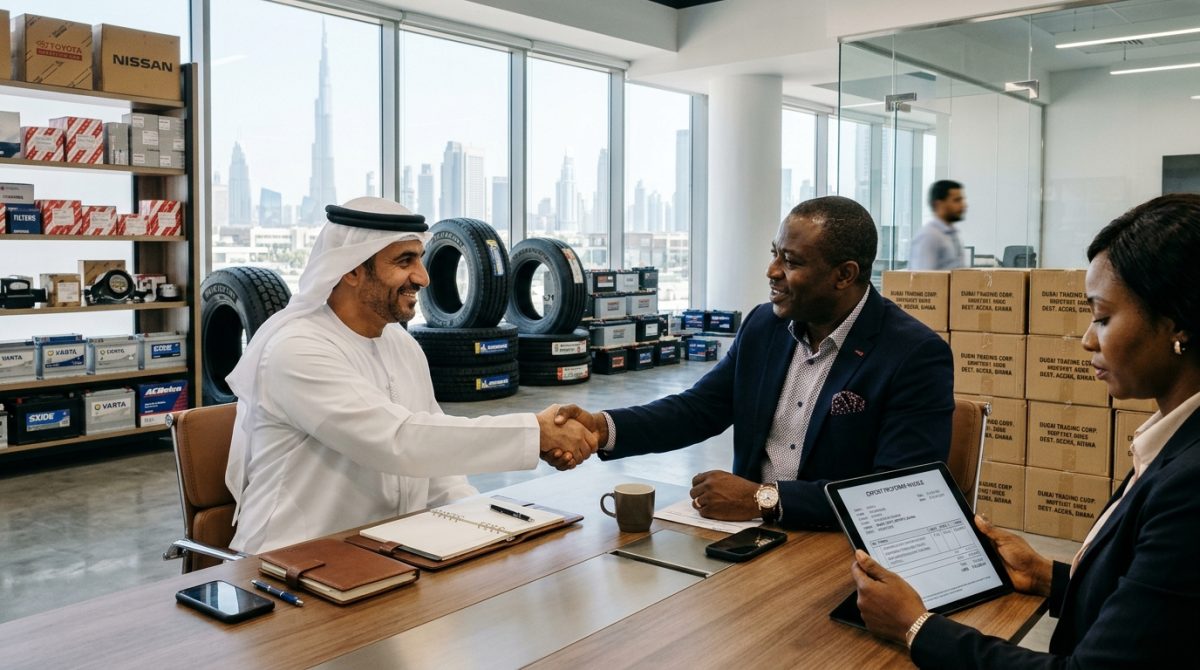
At the turn of the 21st century, Africa’s import landscape was still largely a reflection of its colonial past. European trading houses from France, the United Kingdom, Germany, and Italy dominated the supply of automobiles, industrial machinery, pharmaceuticals, and consumer goods across the continent. Fast-forward twenty-five years, and the commercial map of Africa has been completely redrawn. China has not only overtaken every European nation and the United States to become Africa’s largest bilateral trading partner for more than fifteen consecutive years, but has also embedded itself into the daily economic life of nearly every African household and enterprise.
China’s capture of Africa’s fast-growing emerging markets was no accident. It was the result of a deliberate, multi-pronged commercial strategy that combined aggressive price engineering, critical infrastructure development, direct air-and-sea logistics, political pragmatism, and relentless on-the-ground trade promotion.
1. Winning a Price-Sensitive Market and Unseating European Competitors
For decades, traditional European exporters viewed Africa as a secondary market where they could sell high-margin, legacy products without adapting to local purchasing power. Because European manufacturing costs were high and distribution ran through layers of exclusive colonial-era dealerships, imported goods remained out of reach for the vast majority of African consumers and small businesses.
Chinese manufacturers recognized a fundamental economic truth that Western competitors overlooked: Africa is a deeply price-sensitive, volume-driven market. Rather than targeting only the top 5% of affluent urban elites, Chinese factories engineered products for the other 95% of the population. By stripping out unnecessary frills, scaling massive domestic production lines in Guangdong and Zhejiang, and operating on razor-thin margins, Chinese suppliers undercut European competitors by 40% to 70% across categories ranging from construction steel and ceramic tiles to electrical appliances and hospital equipment.
Where a European water pump, tractor, or diesel generator cost a small fortune and required months of waiting for expensive spare parts, Chinese suppliers offered affordable, easily repairable alternatives that allowed African farmers, contractors, and retailers to enter the market immediately.
2. Introducing Tailored Products at Rock-Bottom Prices
China did not merely export cheap surpluses to Africa; its most successful companies studied local African living conditions and introduced purpose-built products at rock-bottom prices that created entirely new consumer categories:
- The Smartphone Revolution (Transsion Holdings): While global giants priced smartphones at $400 to $1,000, Chinese manufacturer Transsion—behind the Tecno, Infinix, and Itel brands—built phones priced between $15 and $90 featuring quad-SIM slots (so users could avoid cross-network calling fees), extra-long battery life for areas with unstable electricity, and camera sensors specifically calibrated for darker skin tones.
- Commercial Motorcycles (Boda-Bodas & Okadas): Chinese motorcycle brands such as Haojue, Lifan, and Sinoki flooded East and West Africa with fuel-efficient $600 to $800 motorcycles, replacing expensive Japanese models and spawning a continent-wide informal transport and delivery economy employing millions of youth.
- Micro-Manufacturing & Solar Kits: From $35 off-grid solar home lighting systems to $3,000 sachet-water packaging machines, brick-making presses, and maize mills, Chinese factories lowered the capital barrier for African SMEs to launch local manufacturing businesses.
3. Helping African Nations Build Critical Infrastructure
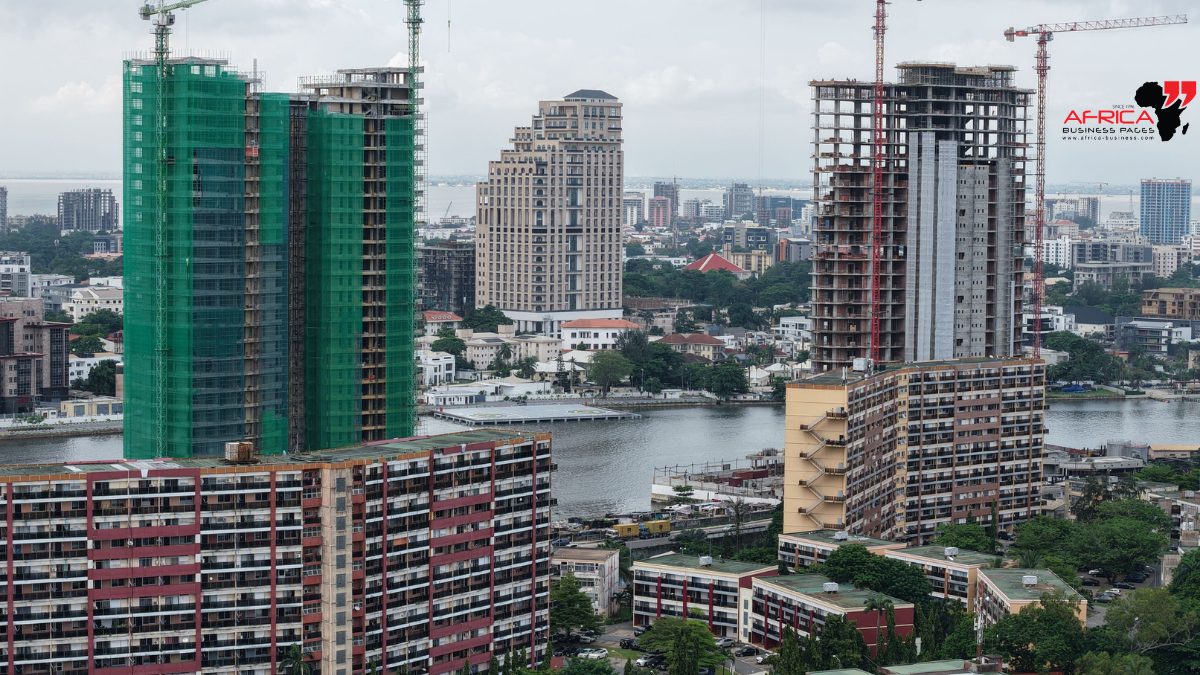
Perhaps the most visible pillar of China’s strategy was recognizing that trade cannot grow without roads, ports, railways, and power plants. While Western financial institutions shifted away from hard infrastructure in the 1990s and 2000s toward conditional governance programs, China stepped in with state-backed engineering and Exim Bank financing to tackle Africa’s massive infrastructure deficit.
From the Addis Ababa–Djibouti Railway and Kenya’s Mombasa–Nairobi Standard Gauge Railway (SGR) to Nigeria’s Lekki Deep Sea Port, major hydropower dams in Uganda, Guinea, and Zambia, and modern airport terminals across more than twenty African capitals, Chinese state and private contractors reshaped the continent’s physical connectivity.
Crucially, building Africa’s ports, industrial parks, and highways created a powerful commercial flywheel: Chinese engineering procurement contracts brought in Chinese construction machinery, cement plants, steel, and telecom networks (led by Huawei and ZTE), which in turn established permanent local service hubs and distribution channels for private Chinese traders.
4. What African Leaders Have Said About China’s Approach
Across the continent, heads of state and senior economic policymakers have repeatedly pointed to China’s speed of execution, infrastructure focus, and willingness to treat Africa as a commercial equal rather than a charity case.
Speaking on the nature of Africa’s engagement with Beijing under the Forum on China-Africa Cooperation (FOCAC), President Paul Kagame of Rwanda highlighted the practical business alignment between the two sides:
"Africa does not need lecturing on who its partners should be. What Africa needs is productive investment, infrastructure that connects our markets, and trade relationships built on mutual respect and shared prosperity. China relates to Africa as an equal partner, delivering tangible projects on the ground that align directly with our own continental development priorities."
— Paul Kagame, President of Rwanda
Echoing the importance of physical infrastructure in unlocking trade, former Kenyan President Uhuru Kenyatta emphasized why African nations turned to Chinese engineering and finance to modernize regional corridors:
"You cannot trade if you cannot move goods from the port to the hinterland, and you cannot industrialize without reliable power. Our partnership with China has been anchored on closing the infrastructure gap—building modern railways, ports, and highways that lower the cost of doing business for every entrepreneur in East Africa," noted former President Uhuru Kenyatta.
Similarly, South African President Cyril Ramaphosa has highlighted both the depth of China’s commercial integration and the next phase of industrial cooperation:
"China has proven to be a steadfast partner in Africa’s economic journey, not only through massive investments in energy, transport, and telecommunications, but increasingly by establishing manufacturing plants and industrial parks right here on African soil to support our industrialization under the AfCFTA," said President Cyril Ramaphosa.
5. Developing Direct Air and Sea Connections to Africa
To sustain high-volume trade, China systematically dismantled the logistical bottlenecks that once forced African cargo to transship through European ports:
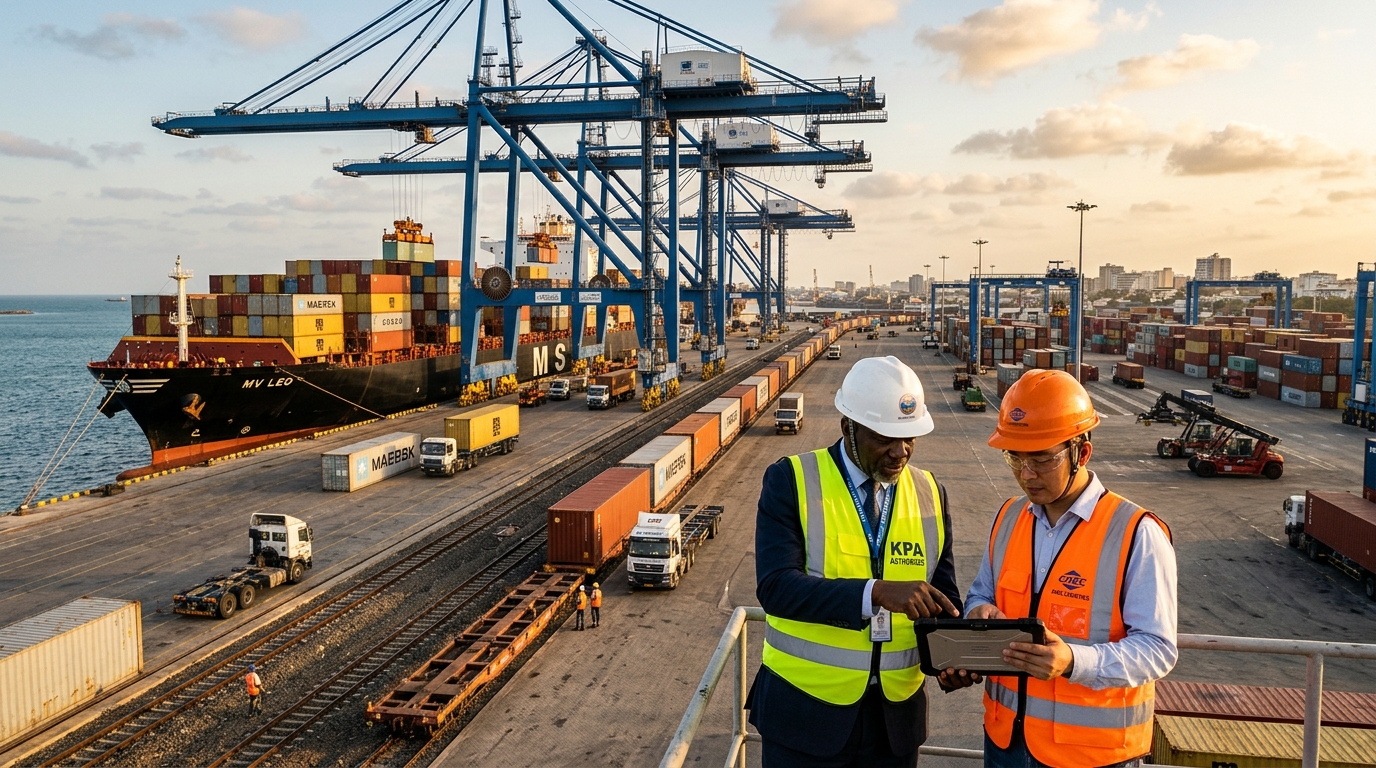
- Direct Maritime Corridors: Major Chinese shipping lines—led by COSCO Shipping alongside global carriers operating out of Ningbo, Shanghai, Shenzhen, and Qingdao—established direct, high-frequency container services into Chinese-upgraded African ports including Mombasa, Dar es Salaam, Djibouti, Durban, Lagos (Apapa and Lekki), Tema, and Lomé.
- Direct Air Bridges: On the aviation front, direct passenger and air-cargo routes multiplied between Guangzhou, Beijing, Changsha, and Shenzhen and African hubs such as Addis Ababa, Nairobi, Cairo, Johannesburg, and Lagos. Daily wide-body flights operated by Ethiopian Airlines, China Southern Airlines, Kenya Airways, and EgyptAir turned Guangzhou and Yiwu into accessible buying destinations for tens of thousands of African merchants every month.
6. Political and Economic Pragmatism
China’s commercial ascent was reinforced by synchronized diplomatic and financial instruments that no purely private Western competitor could match:
- The FOCAC Framework: Held every three years since 2000, the Forum on China-Africa Cooperation (FOCAC) functions as a continent-wide commercial summit where multi-billion-dollar credit lines, trade targets, and industrial cooperation zones are agreed directly between Beijing and 50+ African governments.
- Non-Interference & Speed: By separating commercial contracts from domestic political conditionalities, Chinese lenders and contractors were able to approve, finance, and complete major projects in two to three years—compared to the five- to eight-year appraisal cycles typical of traditional multilateral lenders.
- Tariff-Free Market Access & Currency Swaps: China has progressively granted zero-tariff treatment to 98%–100% of taxable products originating from dozens of African Least Developed Countries (LDCs), while bilateral currency swap agreements with nations such as Nigeria, Egypt, and South Africa have begun easing US dollar liquidity bottlenecks for importers.
7. Massive Investments in Trade Promotion and Wholesale Hubs
Finally, China backed its manufacturers with an unprecedented trade promotion machine both inside China and on the ground in Africa:
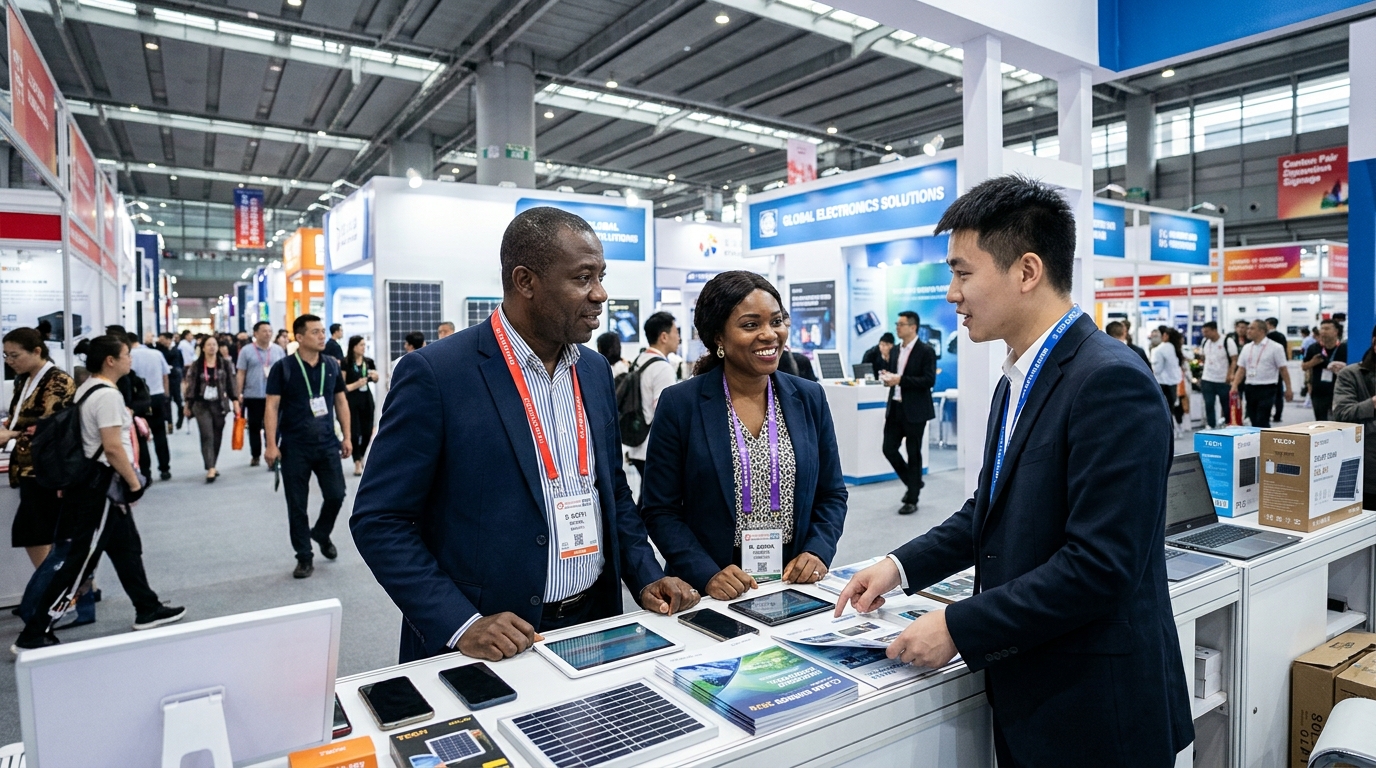
- Flagship Trade Fairs: The bi-annual Canton Fair (China Import and Export Fair) in Guangzhou and the permanent China-Africa Economic and Trade Expo (CAETE) in Changsha actively court African buyers with dedicated visa fast-tracks, interpreter services, and chamber-of-commerce delegations.
- Yiwu International Trade City: Spanning over 75,000 wholesale booths under one roof, Yiwu became the ultimate sourcing magnet for African importers of general merchandise, hardware, stationery, fashion accessories, and household goods.
- Permanent Trade Centres inside Africa: Rather than waiting for every African SME to fly to Asia, Chinese investors built massive permanent wholesale malls directly inside African commercial capitals—such as China Mall and Dragon City in Johannesburg, China Town in Lagos, and wholesale trade hubs in Nairobi, Kampala, and Dar es Salaam—bringing factory-direct Chinese pricing straight to the doorstep of local African retailers.
Conclusion: From Import Dominance to Local Industrialization
China’s success in capturing Africa’s emerging markets over the past quarter-century is a textbook study in aligning product design, pricing, logistics, and state-backed trade promotion with the real-world needs of developing economies. While European competitors clung to legacy high-margin models, China built the roads and ports, slashed product prices to match local incomes, and put tens of thousands of entrepreneurs on direct flights between African capitals and Chinese factory towns. As Africa now pushes for greater value addition at home under the African Continental Free Trade Area (AfCFTA), the next chapter of this relationship is already unfolding—with Chinese manufacturers increasingly moving their assembly lines directly into African industrial parks to produce in Africa, for Africa.