
Nigeria SUV Market: Hyundai Expands West Africa B2B Fleet
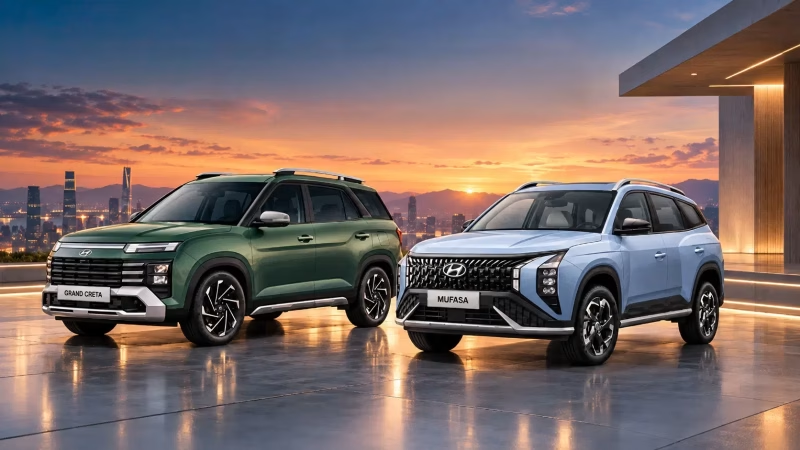
Nigeria's dynamic automotive market, a cornerstone of West Africa's economic landscape, is witnessing a significant strategic move as Hyundai Motors Nigeria expands its Sport Utility Vehicle (SUV) line-up. The introduction of the Hyundai Mufasa and Hyundai Grand Creta is not merely about new models; it signifies a calculated response to evolving consumer demands and a deeper commitment to the region's burgeoning B2B automotive sector. For global manufacturers, importers, and ancillary service providers, this expansion underscores Nigeria's enduring potential as a pivotal market for vehicle sales, aftermarket services, and long-term investment in distribution infrastructure. This development is set to reshape competitive dynamics and create fresh opportunities across the entire automotive value chain.
The dual launch strategically targets distinct segments within the robust Nigerian SUV market. The Hyundai Mufasa, a modern five-seater, is positioned for discerning buyers seeking a blend of bold styling, everyday practicality, and advanced technology. Its appeal lies in its contemporary design and features tailored for urban professionals and smaller families. Complementing this, the Hyundai Grand Creta offers a more expansive proposition with its flexible seven-seat configuration, catering to larger families and commercial entities requiring greater passenger capacity and versatile interior space. This differentiated approach by Hyundai aims to capture a broader market share, offering tailored solutions that address specific lifestyle and business requirements, from corporate fleet management to individual family transport.
B2B Trade & Supply Chain Impact
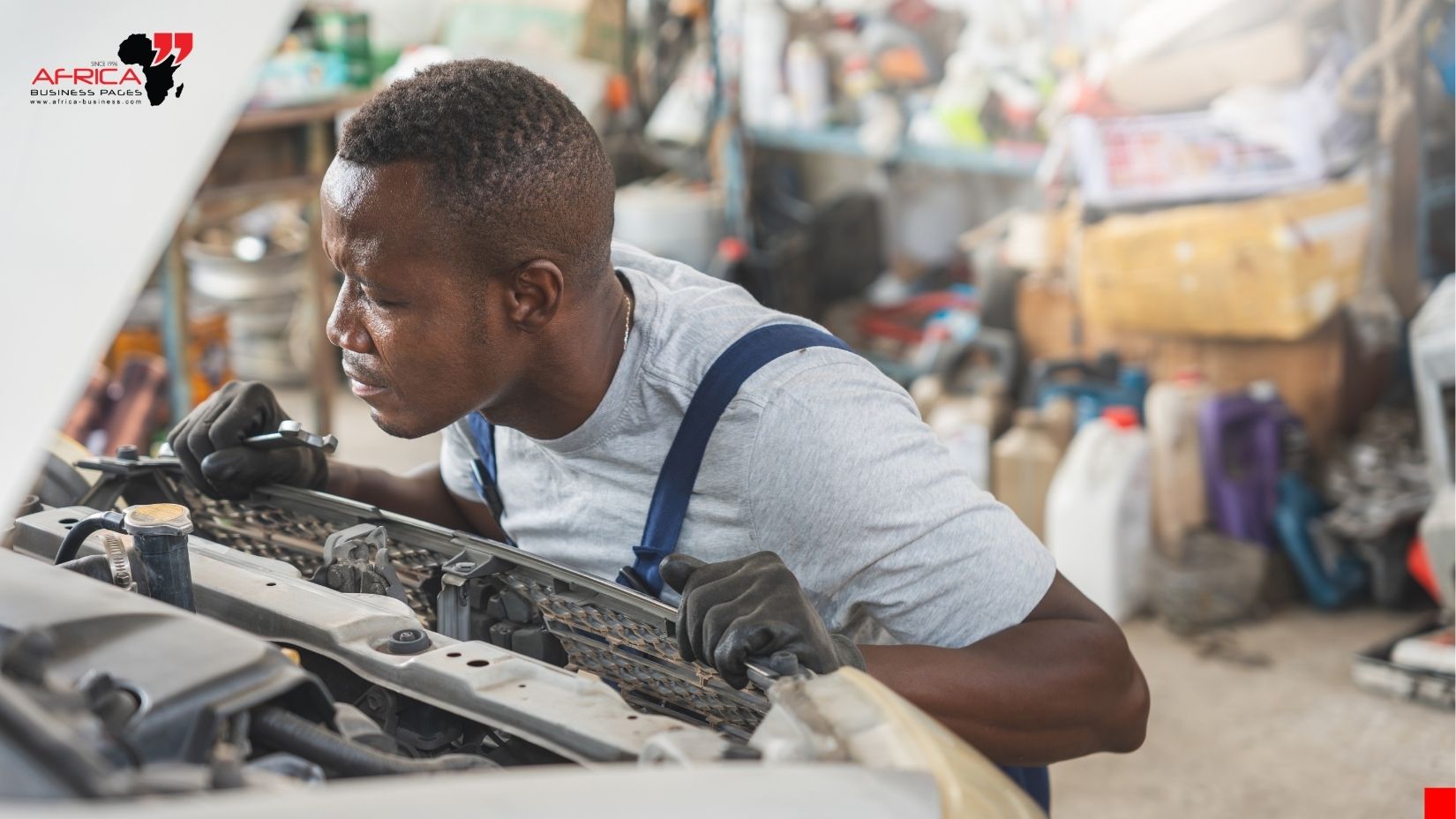
The introduction of these new SUV models carries substantial implications for the B2B automotive trade and supply chain in Nigeria. Increased vehicle imports will necessitate robust logistics and distribution networks, creating opportunities for freight forwarders, warehousing solutions, and dealership expansion. Crucially, the long-term success of these vehicles hinges on the availability of genuine spare parts and efficient after-sales services. This opens doors for wholesale distributors of automotive components, independent workshops, and training providers specializing in modern vehicle diagnostics and repair. Furthermore, the expansion will likely stimulate demand for automotive financing, insurance products, and fleet management solutions, presenting significant commercial avenues for financial institutions and service providers operating within the Nigerian business ecosystem.
Regional Market Outlook & Demand Drivers
Nigeria's automotive market serves as a bellwether for West Africa, and Hyundai's strategic investment here signals confidence in the region's economic resilience and growth trajectory. The sustained demand for SUVs is fueled by several factors: a burgeoning aspirational middle class, the need for robust vehicles capable of navigating diverse road conditions, and the growing trend of larger family units requiring more passenger capacity. This market dynamic extends beyond individual consumers to corporate fleets, ride-hailing services, and government agencies seeking reliable and versatile transport solutions. The success of these models in Nigeria could pave the way for similar expansions in neighboring West African economies, highlighting the interconnectedness of regional trade and investment in the automotive sector.
Hyundai Motors Nigeria's strategy extends beyond merely launching new vehicles; it encompasses a holistic approach to customer experience and brand loyalty, which is vital for B2B partnerships. Emphasizing professional after-sales services, a robust authorized dealership network, and guaranteed access to genuine spare parts, the company aims to build long-term confidence among both individual buyers and corporate clients. This commitment to post-purchase support is a critical differentiator in the African market, where reliability and service continuity are paramount. For potential B2B partners, this signifies a stable and supportive framework for collaboration, ensuring that investments in distribution and service infrastructure are underpinned by strong manufacturer backing.
Key Investment & Import Opportunities
This expansion presents tangible opportunities for international businesses looking to engage with the Nigerian and broader West African automotive market. Beyond direct vehicle imports, there is a clear demand for suppliers of automotive technology, diagnostic equipment, workshop tools, and training programs to support the growing fleet of modern vehicles. Investors could explore partnerships in local assembly operations, component manufacturing, or the establishment of specialized service centers. The increasing sophistication of vehicles like the Mufasa and Grand Creta also creates niches for advanced telematics, vehicle security systems, and specialized accessory providers. For global suppliers, Nigeria's automotive sector remains a fertile ground for strategic partnerships and market entry.
Hyundai's strategic expansion of its SUV portfolio in Nigeria with the Mufasa and Grand Creta is a clear indicator of the market's vitality and its pivotal role in Africa's automotive future. This move is poised to stimulate growth across the entire B2B value chain, from imports and distribution to after-sales services and financing. For businesses worldwide, understanding and engaging with these evolving market dynamics in Nigeria offers a gateway to significant commercial opportunities and a chance to contribute to the continent's ongoing economic development and trade integration. The road ahead for Nigeria's automotive sector, driven by such strategic investments, promises continued dynamism and lucrative prospects.
International spare parts suppliers, lubricant exporters, and fleet service providers looking to connect with verified automotive distributors in Lagos and across ECOWAS can explore the African Importers Directory or join our Africa B2B WhatsApp Trade Groups for direct buyer matchmaking.