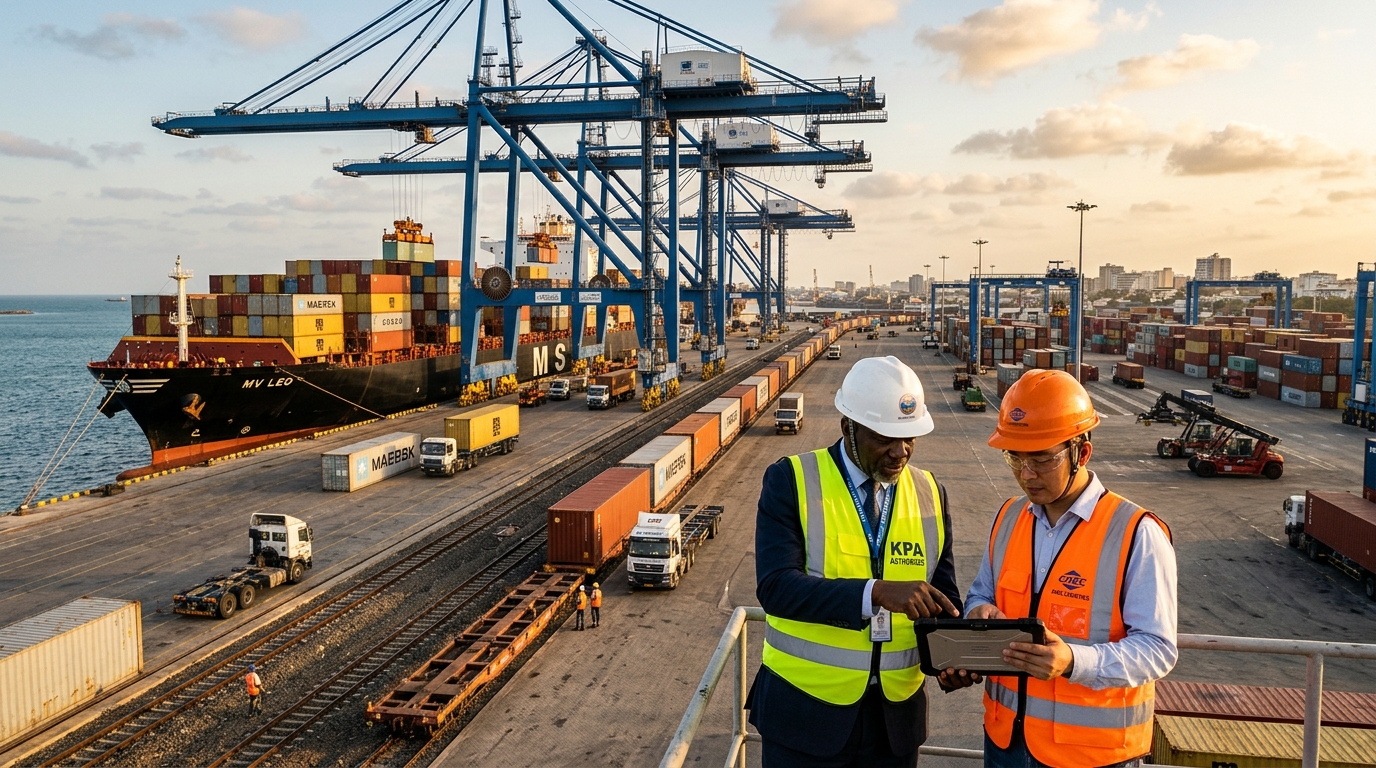

South Africa Auto Localization Drives B2B Supply Chain Growth
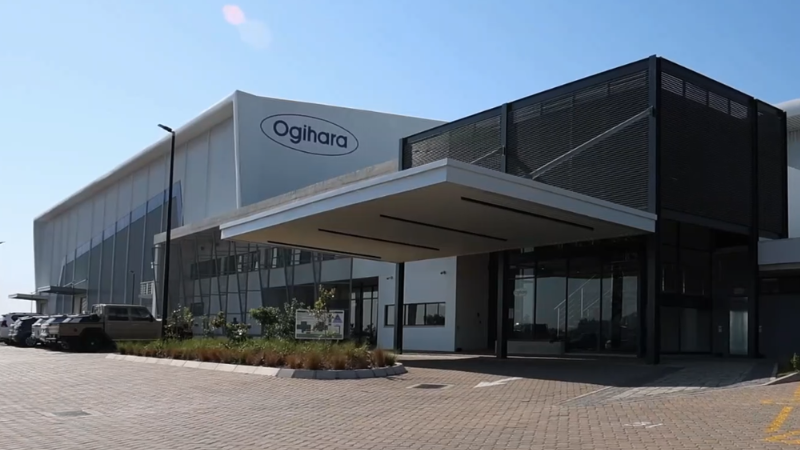
In a global economic climate often characterised by supply chain vulnerabilities and cautious investment, South Africa's automotive sector is charting an ambitious course towards enhanced localisation and industrial resilience. The recent establishment of Ogihara South Africa's expansive 35,000 m² manufacturing and assembly plant in Durban stands as a powerful testament to this strategic shift. This significant investment, spearheaded by a major global player, not only underscores a deep commitment to the nation's long-term industrial potential but also signals a pivotal moment for businesses engaged in the continent’s burgeoning automotive trade and supply chain.
The Durban facility is poised to revolutionise the production of high-quality automotive parts within the region. By bringing critical manufacturing capabilities closer to the point of assembly, Ogihara South Africa directly addresses the imperative of integrating supply chains and substantially reducing reliance on imported components. This move is a strategic lever for automotive manufacturers operating in South Africa, promising enhanced operational efficiency, reduced lead times, and greater cost predictability, all of which are crucial for maintaining competitiveness in a dynamic market. For B2B stakeholders, this translates into a more robust and accessible local sourcing landscape, fostering new partnerships and distribution channels.
B2B Trade & Supply Chain Impact
The drive towards increased localisation, as exemplified by this investment, carries profound implications for the entire B2B ecosystem. For African importers and distributors, the availability of locally manufactured, high-quality automotive components presents an unprecedented opportunity to diversify their sourcing strategies, mitigate currency risks, and potentially reduce logistics costs associated with international freight. This shift supports the development of a more resilient regional supply network, less susceptible to global disruptions and geopolitical shifts. Furthermore, it opens doors for local small and medium-sized enterprises (SMEs) to integrate into the automotive value chain as tier-two and tier-three suppliers, fostering economic empowerment and job creation across various skill levels.
From a wholesale distribution perspective, the plant's output will stimulate demand for specialised warehousing, logistics, and transportation services within South Africa and potentially across Southern Africa. Businesses involved in the distribution of automotive aftermarket parts, as well as original equipment manufacturers (OEMs) seeking reliable local component suppliers, will find a more mature and integrated market. This localisation strategy is not merely about manufacturing; it's about cultivating an entire industrial ecosystem that supports robust B2B transactions, from raw material procurement to finished product distribution, enhancing Africa's position as a viable manufacturing hub.
Regional Market Outlook & Key Investment Opportunities
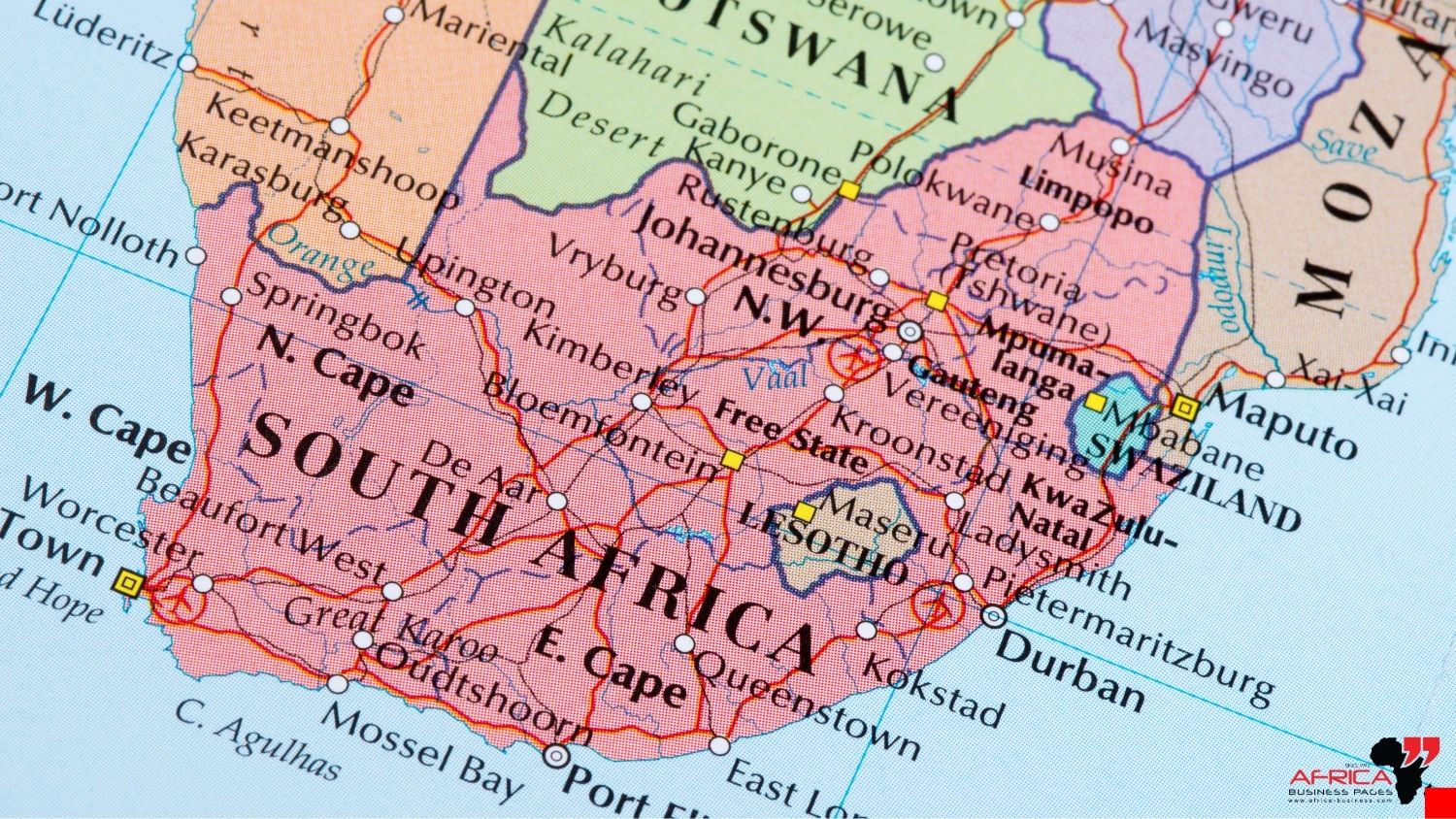
South Africa has long been recognised as a gateway to the broader Southern African market, and advancements in its automotive manufacturing capabilities only strengthen this position. The strategic emphasis on local content creation positions South Africa as a more attractive partner for regional trade under initiatives like the African Continental Free Trade Area (AfCFTA). As the continent moves towards greater economic integration, a strong, localised automotive sector in South Africa can serve as a critical anchor for developing cross-border value chains, facilitating the export of components and potentially even finished vehicles to neighbouring markets like Namibia, Botswana, and Mozambique.
Beyond direct manufacturing, this momentum creates a ripple effect of investment opportunities in ancillary industries. These include advanced materials, tooling and die manufacturing, industrial automation, logistics technology, and specialised training and development services. International businesses looking to penetrate the African market can explore partnerships with local entities, invest in complementary manufacturing capabilities, or establish regional distribution hubs to capitalise on the growing demand for automotive products and services. The commitment to local content also signals a stable policy environment, encouraging long-term foreign direct investment in sectors supporting industrial growth.
In conclusion, the strategic investments in South Africa's automotive sector, particularly those focused on localisation, are not just about individual plant openings; they represent a fundamental recalibration of the nation's industrial strategy. For businesses across the B2B spectrum – from global suppliers contemplating African market entry to regional distributors seeking resilient supply chains – this evolution signifies a landscape rich with commercial opportunity. It reinforces South Africa's role as a manufacturing powerhouse and a critical hub for automotive trade, driving economic growth, fostering innovation, and building a more self-sufficient and competitive African business environment.
Global component manufacturers and industrial suppliers seeking OEM and Tier-1 partnerships across Southern Africa can list their business in the Africa Business Directory and access verified trade leads via the African Importers Directory.