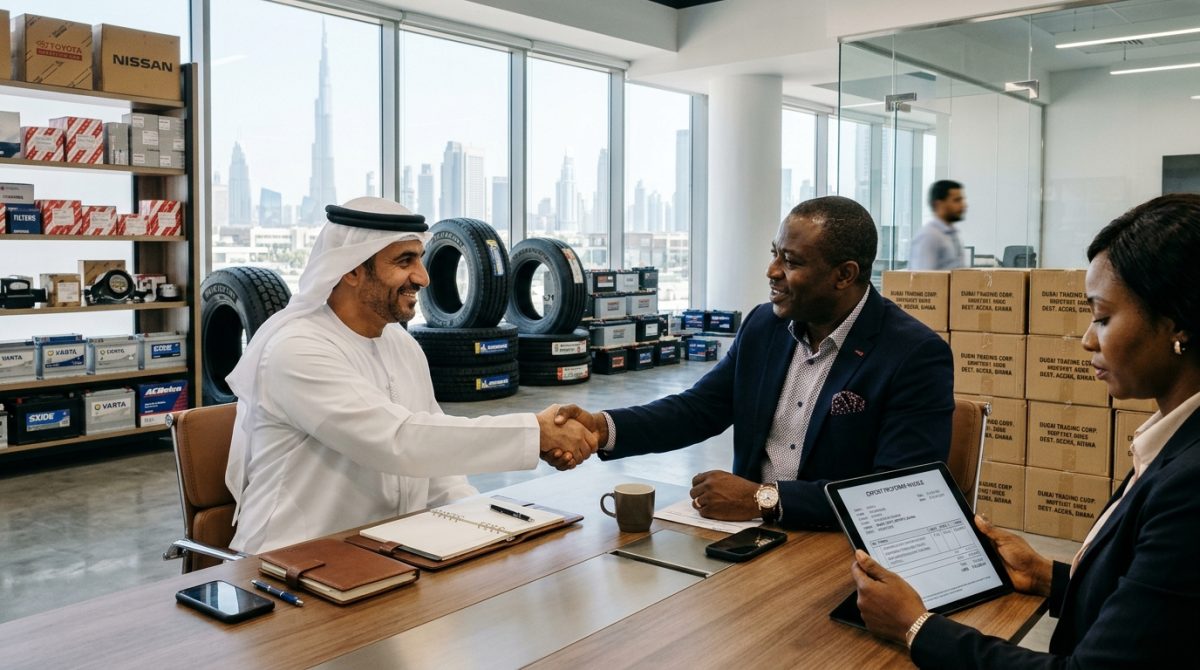

Why Dubai has become a favourite sourcing point for African SMEs
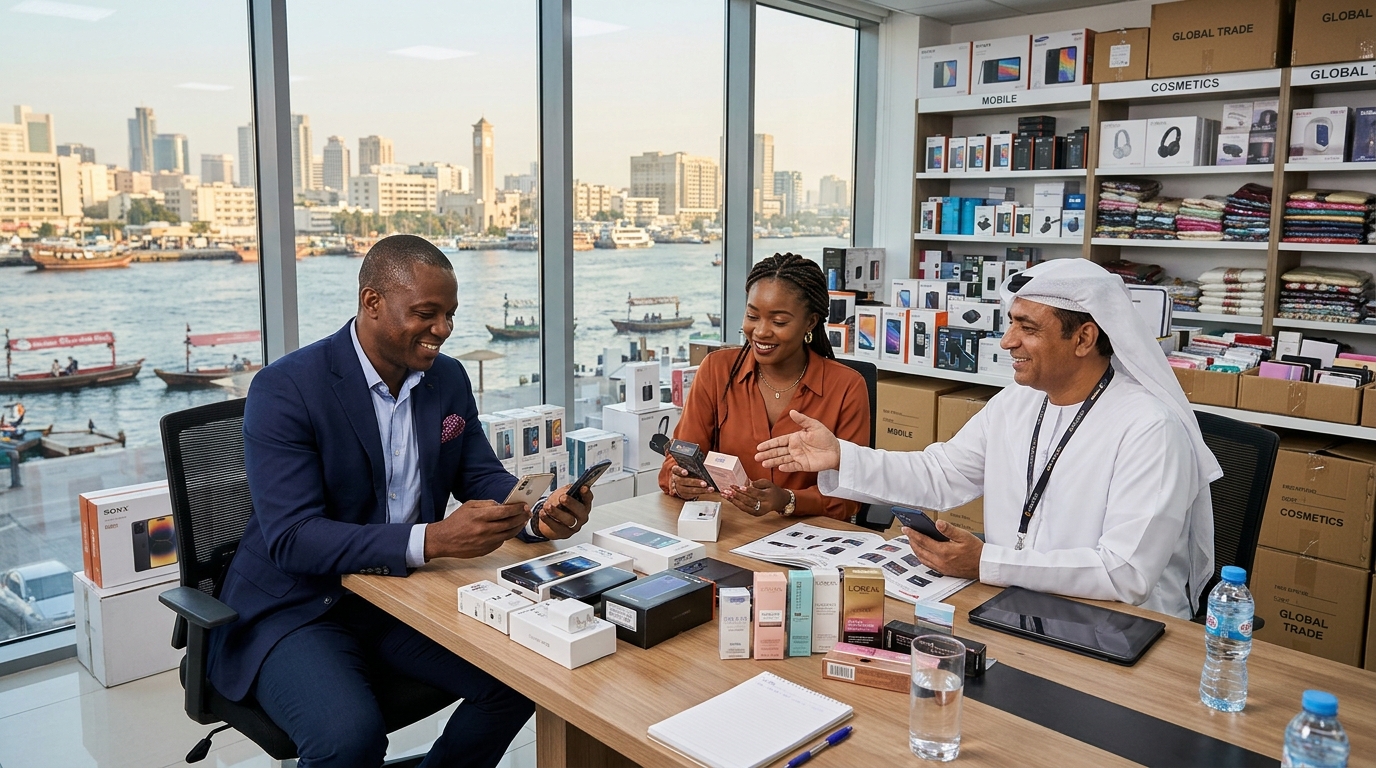
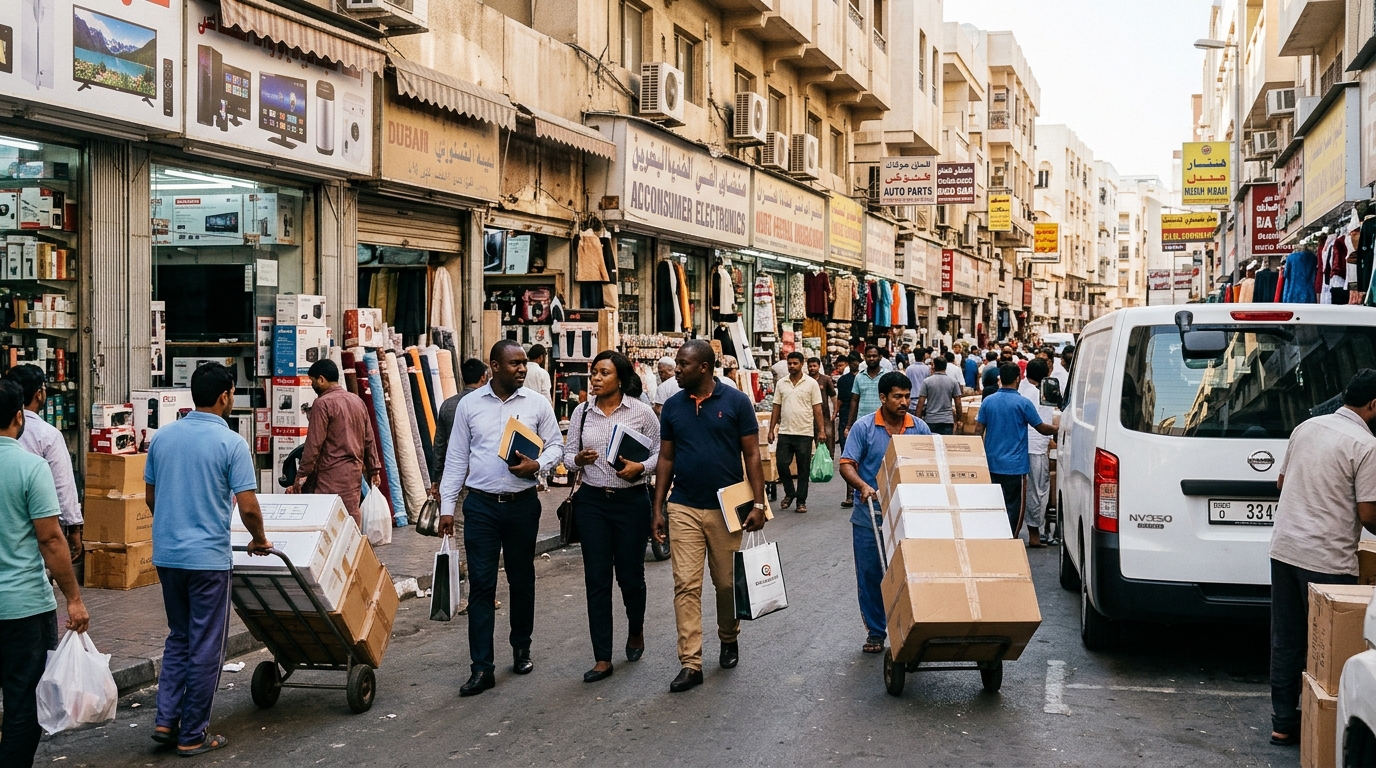
Walk through the bustling wholesale lanes of Deira’s Sabkha district, Murshid Bazaar, or the sprawling showrooms of Jebel Ali and Dragon Mart on any given weekday, and you will hear animated price negotiations in Swahili, Hausa, Yoruba, Amharic, and French. Over the past two decades, Dubai has evolved from a regional Gulf port into the undisputed wholesale supermarket for small and medium-sized enterprises (SMEs) across Africa. While China remains the world’s factory floor for mega-importers ordering ten containers of a single item, Dubai has captured the heart of Africa’s vibrant SME sector—the boutique owners, spare-parts stockists, electronics dealers, hardware merchants, and pharmacy chains that drive everyday commerce across the continent.
For an African entrepreneur operating with tight working capital, where a supplier is located—and how flexibly they sell—can make the difference between turning a profit three times a quarter or having cash locked up on the high seas for months. Here is why Dubai continues to outshine competing global hubs as the preferred procurement point for African business buyers.
1. Break-Bulk Facilities and Low MOQs: The Ultimate Advantage Over China
The single biggest barrier African SMEs face when attempting to source directly from factories in Guangzhou, Yiwu, or Shenzhen is the dreaded Minimum Order Quantity (MOQ). Chinese manufacturers typically require buyers to order thousands of units of a single SKU or commit to a full 20-foot or 40-foot container of one product line to justify production runs.
Dubai solves this problem through its world-class break-bulk and re-export ecosystem. Wholesalers in Dubai buy in massive volumes from global manufacturers in China, India, Turkey, Vietnam, Europe, and the Americas, warehouse the stock in duty-free zones, and break it down into smaller, SME-friendly wholesale lots.
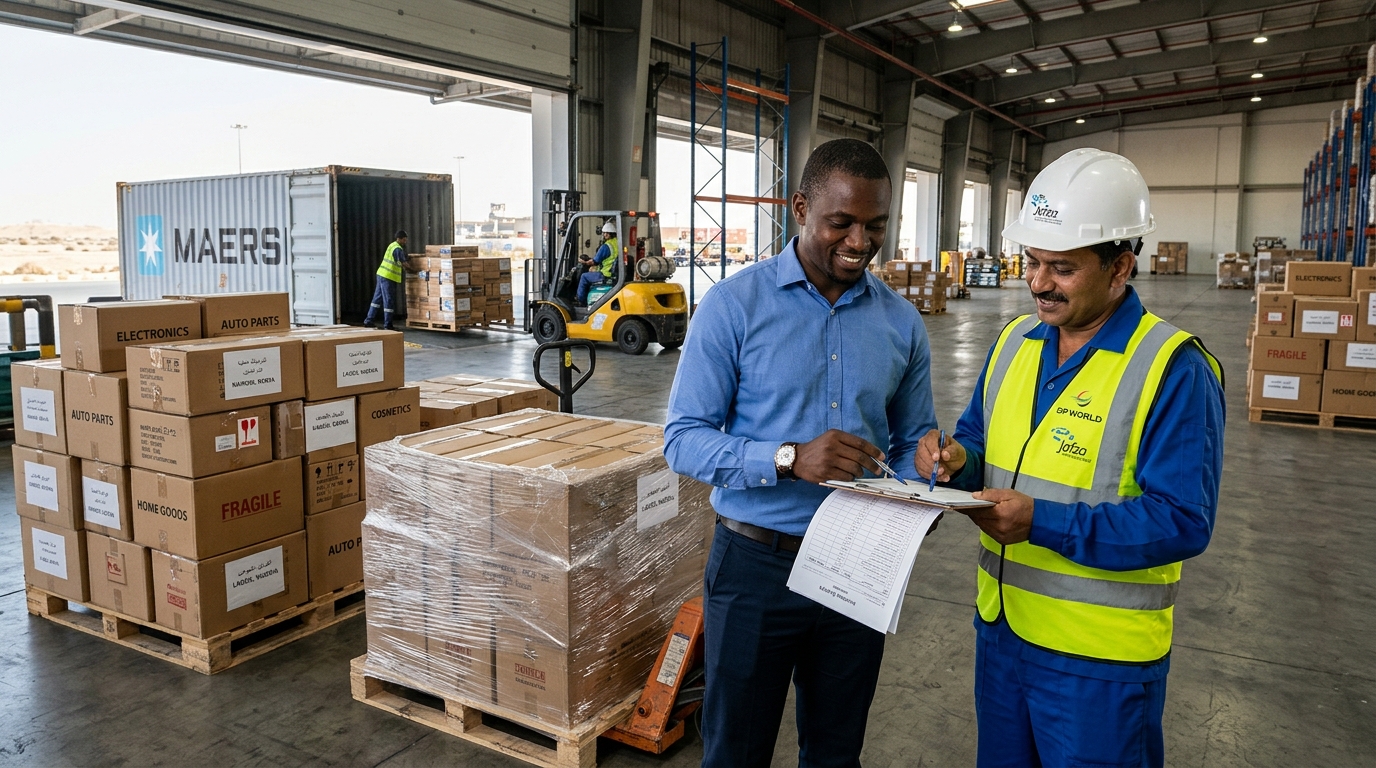
An African trader in Dubai can buy 30 cartons of French and Arabic perfumes in Murshid Bazaar, 50 boxes of smartphone accessories in Naif, 40 cartons of kitchenware, and two pallets of saloon car brake pads in Ras Al Khor—and hand them all over to a single African-focused cargo consolidator. Using groupage (LCL — Less than Container Load) or a mixed 20-foot container, those diverse items are consolidated under one bill of lading and shipped together.
"In China, if you don’t buy 2,000 pieces of one model, the factory won’t even talk to you. As an SME, my customers in Lagos want variety, not 5,000 identical water pumps. In Dubai, I can walk into five different wholesale showrooms, pick ten cartons of Japanese filters, fifteen cartons of spark plugs, and twenty cartons of LED headlamps, and my cargo agent consolidates everything into one shipment. My capital keeps moving instead of sitting in dead stock."
— Chinedu Okafor, Auto Parts & Electronics Importer from Lagos, Nigeria
2. Geographical Proximity and Lower Freight Costs
Geography is economics in international trade. Situated right at the crossroads of Asia, Europe, and Africa, Dubai is just a 4.5-hour flight from Nairobi or Addis Ababa and a 6.5- to 7.5-hour flight from Lagos or Accra—roughly half the travel time and airfare of a gruelling 16- to 20-hour journey to eastern China.
That proximity translates directly into lower sea and air freight costs:
- Faster Sea Transit: Container vessels departing DP World’s Jebel Ali Port reach East African gateways like Djibouti, Berbera, Mombasa, and Dar es Salaam in 7 to 14 days, and West or Southern African ports in significantly less time than vessels routing from the South China Sea.
- Lower Air-Cargo Rates: For high-value, fast-moving goods such as smartphones, laptops, pharmaceuticals, fashion apparel, and cosmetics, air cargo rates per kilogram from Dubai to major African capitals are substantially more competitive, often riding in the belly hold of daily passenger flights.
"When I order from the Far East, my money is tied up for nearly three months between factory production and sea shipping," said Grace Wanjiku, a 35-year-old cosmetics and fashion wholesaler from Nairobi, Kenya, on a four-day buying trip in Deira’s Gold Souk and Sabkha area. "From Dubai, I inspect the creams and perfumes today, pay at the counter, and my air cargo is in my shop on Moi Avenue in Nairobi within 72 hours—or in twelve days by sea through Mombasa. By the time a container from China would have arrived, I have already sold my Dubai stock twice."
3. An Unmatched Network of Specialized Wholesale Districts
Dubai is uniquely organized into hyper-specialized wholesale clusters where thousands of manufacturers’ regional offices, authorized distributors, and re-exporters sit door-to-door, allowing African buyers to compare prices and quality in a single afternoon:
- Deira (Sabkha, Baniyas Square, Naif & Murshid Bazaar): The nerve center for consumer electronics, mobile phones, textiles, garments, footwear, cosmetics, perfumes, and pharmacy supplies.
- Al Ras & Waterfront Market: Major wholesale trading hub for foodstuffs, rice, sugar, cooking oils, spices, and dry commodities.
- Ras Al Khor & Adjacent Sharjah Industrial Areas: Thousands of yards and showrooms supplying new and used automotive spare parts, tyres, batteries, lubricants, and heavy commercial trucks.
- Dragon Mart & Jebel Ali Free Zone (JAFZA): A massive one-stop showcase for building materials, sanitaryware, solar panels, hardware tools, lighting, furniture, and industrial machinery.
"You get global variety in one city, not just goods from one country," noted Ibrahim Touré, a 46-year-old building materials and household goods importer from Abidjan, Côte d’Ivoire, sourcing sanitaryware and electrical fittings in Dubai. "In one morning in Dubai, I bought Turkish bathroom fittings, Indian electrical cables, Chinese solar inverters, and UAE-manufactured paints—all consolidated into the same 40-foot container. No other city in the world lets an African SME mix brands from four continents that easily."
4. Easy Visas and Direct Air-Sea Connectivity
For many African business owners, obtaining a visa to Europe, North America, or even parts of East Asia involves weeks of embassy appointments, bank statement audits, and formal factory invitation letters. By contrast, the UAE’s streamlined electronic visa system allows African traders to secure a 30-day or 60-day visit visa in as little as 24 to 48 hours online through airlines or travel agencies.
Once the visa is approved, connectivity between Africa and Dubai is seamless:
- World-Class Airline Network: Emirates and flydubai, alongside major African carriers including Ethiopian Airlines, Kenya Airways, EgyptAir, Royal Air Maroc, RwandAir, and Air Peace, operate dozens of daily non-stop flights linking Dubai with primary and secondary African cities—from Entebbe, Lusaka, and Harare to Dakar, Conakry, and Dar es Salaam.
- Door-to-Door Clearing & Forwarding: Hundreds of African-owned and Africa-specialized freight forwarders operate across Deira and Al Qusais, offering "all-inclusive door-to-door" clearing services. An SME buyer simply drops their invoices and packages at the cargo office in Dubai and collects the cleared goods at a warehouse in Kampala, Lagos, Kinshasa, or Accra—without having to navigate complex port customs paperwork alone.
"Getting my Dubai visa took less than two days on WhatsApp through my travel agent, and I flew direct from Entebbe in five hours," shared Samuel Mukasa, a 42-year-old solar and hardware distributor from Kampala, Uganda. "Even better, the wholesalers here understand African market specs—they already know which voltage, plug type, and durability works in East Africa, and many of the shop staff speak Swahili or Luganda. You feel at home doing business here."
5. Touch-and-Feel Quality Control and Immediate Stock Availability
Another critical factor driving African SMEs to Dubai is zero production wait time and immediate quality verification. When ordering remotely from overseas factories, small importers frequently face production delays or discover upon arrival that the shipped goods differ in quality from the original sample.
In Dubai’s cash-and-carry wholesale markets, what you see is what you ship. Buyers physically inspect the packaging, test electronics, verify expiry dates on foodstuff and cosmetics, and watch their cartons get strapped and sealed onto pallets the very same day. Combined with zero language barriers and familiar banking and money-transfer corridors, the transaction friction is virtually non-existent.
Conclusion: The Indispensable Engine of African SME Trade
As intra-African trade expands under the African Continental Free Trade Area (AfCFTA) and African retail markets grow more sophisticated, the demand for fast, flexible, multi-brand procurement will only intensify. While massive industrial importers will always have a reason to visit factory floors in the Far East, for the millions of agile African SMEs that keep the continent’s markets stocked and thriving, Dubai’s combination of break-bulk cargo consolidation, low MOQs, short shipping times, easy visas, and unmatched air-sea connectivity makes it an irreplaceable global sourcing partner.