
Nigeria is a key African market, accounting for almost half of West Africa’s population, and the country boasts one of the largest youth populations in the world. The country also has an abundance of natural resources, with vast oil and gas reserves, and significant agricultural potential. Nigeria is a member of the Organization of the Petroleum Exporting Countries (OPEC) since 1971. Nigeria ranks as the largest oil producer in Africa and the 11th largest in the world – making it one of the most lucrative and populous markets in the African continent. Nevertheless, oil prices continue to dictate the country’s growth pattern due to a high reliance on the hydrocarbons sector for exports and fiscal revenues. As the government begins to implement structural reforms as outlined in its Economic Recovery and Growth Plan 2017-2020, growth can be expected to strengthen gradually if reform momentum is ramped up. Nigeria has made significant progress in socioeconomic terms over the last 15 years; however, the country continues to face massive developmental challenges, which include diversifying the economy, addressing insufficient infrastructure, and building strong and effective institutions, governance structures and public financial management systems. Trade Policies of Nigeria Nigeria has been a World Trade Organization (WTO) member since January 1, 1995, and a member of the General Agreement on Tariffs and Trade since November 18, 1960. Nigeria ratified the WTO Trade Facilitation Agreement in 2016, which entered into force in February 2017. Nigeria employs the Harmonised System of Customs Tariffs and all duties are levied on an ad valorem basis, with rates for most product lines ranging from 0% to 35%. Measures aimed at supporting local industry (including caps and special duties) have been levied on several import categories, including required inputs of the agricultural and manufacturing sectors. The Nigeria Customs Services increased duties in line with the Central Bank of Nigeria (CBN)’s foreign exchange rate policy. This has had the adverse effect of exacerbating smuggling activities and supply shortages as local output fails to fill the gap, thereby spurring inflation – which remained in double-digit territory over 2018. The Nigeria Customs Service imposes import duty rates on imported new and used vehicles, as well as new imported tyres. A fully built car is subject to combined duties and levies of 70% of the value (previously 22%). This is being implemented in line with the country’s new policy to strengthen the local autos industry. The tariff rate for fully built commercial vehicles has increased from 10% to 35%. Imports of tyres will be subject to a 20% import duty. Conversely, local automotive plants can import completely knocked-down vehicles for assembly, free of duties, as well as semi-knocked-down vehicles at 5%. The prevailing United States dollar shortage will constrain manufacturers’ ability to pay for and clear shipments of imported kits and components required in the manufacturing process. In 2015, Nigeria restricted importers of 41 broad categories of traded goods from accessing the Nigerian foreign exchange market. The country’s import substitution policies ban the import of some 700 individual items and severely hamper firms’ ability to source inputs and raw materials. Nigeria has bans in place on the imports of packaged sugar. This is part of the Nigerian Sugar Master Plan, which aims to achieve self-sufficiency in sugar consumption by 2020. Currently, about 98% of all sugar consumed in Nigeria is imported. Imports of raw sugar, by contrast, are subject to presidential approval on a recommendation from the trade and investment minister. In order to encourage the local production of cement, the Nigerian government has approved a series of measures, including the reinstatement of a ban on the importation of bagged cement and restrictions on the issuance of cement import licences. A levy of NGN500 per tonne applies for all cement imports, while various incentives are available to assist in the development of local capacity through the establishment of a cement training institute in Nigeria. In October 2013, the government of Nigeria announced a gradual ban on fish imports over the years ahead, accompanied by a sharp increase in import duties in the interim period. As of Q119, many of the import restrictions remain in place. In the first half of 2020, the official exchange rate was adjusted by 15%, with an ongoing unification of the various exchange rates under the investors and exporters (I&E) window, Bureau de Change, and retail and wholesale windows. The authorities committed to let the I&E rate move in line with market forces, and it has so far depreciated by about 4%. A few pharmaceutical companies have been identified to ensure they can receive foreign currency (FX) and naira funding. While the I&E window turnover has been low since April, the central bank has resumed FX supply in some of the other windows. Due to the import substitution drive, certain sectors – Nigerian cocoa processors in particular – face a lack of competitiveness due to the government’s unwillingness to sign up to a free trade agreement with the European Union (EU). Ghana, Côte d’Ivoire and Cameroon, Nigeria’s West African cocoa export rivals, have each agreed to economic partnership agreements and are not subject to the levies that Nigerian shipments face on arrival at European ports. The resulting higher costs of Nigerian cocoa products have left firms running at a quarter of capacity since 2011. The government opposes the trade deal because it believes that opening the local market to manufactured goods from the EU will destroy its fledgling domestic manufacturing sector which, as of 2016, has seen a steady increase in its manufacturing base (albeit still low). The latest round of talks failed to produce an agreement.Nigeria is a member of the ECOWAS, a customs union of 15 member states including Benin, Burkina Faso, Cape Verde, Côte d’Ivoire, Gambia, Ghana, Guinea, Guinea-Bissau, Liberia, Mali, Niger, Senegal, Sierra Leone and Togo. ECOWAS adopts a five-band tariff regime, with the first four bands ranging from 0% to 20%, and the fifth subjecting some sensitive items to a 35% tariff. Nigeria is a member of the Economic Community of West African States (ECOWAS), a customs union consisting 15 member states, including Benin, Burkina Faso, Cape Verde, Côte d’Ivoire, Gambia, Ghana, Guinea, Guinea-Bissau, Liberia, Mali, Niger, Senegal, Sierra Leone and Togo. ECOWAS adopts a five-band tariff regime, with the first four bands ranging from 0% to 20% and the fifth subjecting some sensitive items to a 35% tariff. Nigeria has also entered into effective bilateral trade agreements with mainland China, Finland, France, Germany, Italy, South Korea, Netherlands, Romania, Serbia, South Africa, Spain, Sweden, Switzerland, Taiwan and the United Kingdom. In spite of Nigeria’s active pursuit of bilateral trade agreements, it adopts a rather protectionist trade policy. The Nigerian Export Promotion Council administered an EEG scheme to improve non-oil export performance until 2014, when the government ended the programme due to concerns about corruption on the part of companies who collected the grants, but did not actually export. The federal government’s Economic Recovery and Growth Plan 2017-2020, released in February 2017, proposed reviving the EEG in the form of tax credits for companies. The Nigerian Export-Import Bank (NEXIM) provides commercial bank guarantees and direct lending to facilitate export sector growth, although these services are underused. NEXIM’s Foreign Input Facility provides normal commercial terms of three to five years (or longer) for the importation of machinery and raw materials used for generating exports. Nigeria has historically been a major destination for foreign direct investment (FDI) due to its oil and gas resources, and there are a number of incentives in place for foreign investors. However, Nigerian nationals are given preference in government procurement and there are tightening localisation requirements in certain investment areas, such as the agricultural sector and oil and gas businesses, which limit foreign ownership. Foreign ownership is permitted, with the exception of some sectors designated as strategic, defence-related industries and some farmland. The Nigerian Oil & Gas Industry Content Development Act 2010 seeks to increase indigenous participation in the oil and gas industry by prescribing minimum thresholds for the use of local services and materials, and to promote the employment of Nigerian staff in the industry. The Act imposes a levy of 1% on every contract awarded in the upstream oil and gas sector of the economy. Any violation of the Act is liable to a fine of 5% of the contract value and may result in the outright cancellation of the contract. The Nigerian Investment Promotion Commission (NIPC) was created in 1995 to promote and assist FDI. Tapping into resources other than oil is part of the government’s economic recovery and growth plan after the worst economic slump in 25 years as oil output and prices fell. Nigeria’s potential advantages for future growth include a large consumer market, a strategic geographic location as a hub for Africa and a young and entrepreneurial population. The first step in harnessing this opportunity requires deliberate efforts to improve value-adding activity in the non-oil economy, particularly in the agricultural and services sectors. To further encourage investors, incentives – including tax holidays of as much as five years for new companies entering the market, duty-free imports on mining equipment and mining licences for 25 years – have been put in place. According to the country’s investment body, up to 120% of expenses on research and development (R&D) are tax deductible, provided that such R&D activities are carried out in Nigeria and are connected with the business from which income or profits are derived. For the purpose of R&D on local raw materials, 140% of expenses are allowed. For cases in which the research is long term, it will be regarded as a capital expenditure and will be written off against profit. Foreign firms will benefits from the government’s efforts to improve transparency and predictability for foreign investors. For example, in may 2014, Nigeria signed a Foreign Investment Promotion and Protection Agreement with Canada, which is expected to enhance protection for investors by creating a framework of legally binding rights and obligations. Moreover, Nigeria has signed bilateral investment agreements with more than a dozen countries, notably Mainland China, Italy, Algeria and Egypt, as well as bilateral investment treaties (BITs) with the United Kingdom, France, the Netherlands, Taiwan, South Korea, Serbia, Switzerland, Romania, South Africa, Italy, Spain, Sweden, Finland, Germany and mainland China. These BITs enable investors from the latter countries to enjoy similar benefits to those enjoyed by Nigerian investors. As a result, in theory, Nigerian investors are not provided preferential treatment in their investments over expatriates from BIT countries, and any infringement on the Nigerian side could then be referred to international arbitration. Though foreign companies may bid on government projects and generally receive national treatment in government procurement, they may also be subject to a local content vehicle (such as requiring to partner with a local firm, or the inclusion of one in a consortium) or other prerequisites, which are likely to vary from tender to tender.

Nigeria's Booming Consumer Market
folder_open West Africa
Nigeria has been making steady progress in diversifying its economy away from the oil sector. In light of the Nigerian government’s “Nigeria Vision 20: 2020”, it aims to increase the share of the manufacturing sector in economic output to 15-30% and the services sector to 45-75%, while lowering the shares of agriculture and oil. Aside from providing sources of economic growth, diversification also helps the country reduce its reliance on oil exports. On the back of disruptions to oil production due to terrorist attacks, Nigeria’s oil sector has been posting sluggish growth in recent years. Thanks to the stable growth momentum of the non-oil sector, Nigeria has been able to maintain a healthy annual growth rate. The services sector has been a major contributor of the country’s economic growth, with most sectors under this group posting double-digit growth. In particular, the telecommunication sector recorded an average of 20% growth. This sector, together with the banking sector, has created a considerable amount of high-pay job positions, fuelling the expansion of the middle-income population in recent years. Nigeria’s wholesale and retail trade sector, which accounts for some 20% of GDP, has been growing at double-digit rates in recent years, reflecting the buoyant retail market in the country. The growth in retail trade has also stimulated the development of the real estate and construction sectors. Currently, there are only a few modernised shopping malls in the whole country of Nigeria. Nonetheless, the boom of the non-oil sector has resulted in an expanding middle-income class, thereby touching off new waves of consumerism, and creating a growing demand for modern retail channels such as shopping malls and hypermarkets. Mall operators indicate that there is a long waiting list for consumer brands wishing to become mall tenants, as demand for mall space will continue to outstrip supply in upcoming years, despite the construction work of several shopping malls being underway. Retail trade aside, Nigeria’s hospitality sector is on the rise, thanks to increasing inter-city business travel and growing influx of foreign investors. Decent hotels and restaurants are a scarcity, driving up the room charges for reasonable hotels, say to some US$300, which is a considerable fortune in Nigeria compared to the cost of living there. The boom in non-oil private sectors has catalysed the expansion of Nigeria’s middle-income population, with increasing numbers of professionals and managers working in high pay sectors such as banking and telecommunication. In addition, more and more private business owners have found a good fortune of running successful businesses. According to a recent survey on Nigeria’s middle class, some 40% of the middle-income people run their own businesses. According to the African Development Bank, the middle-income class makes up about 20% of the Nigerian population, which is estimated at more than 195 million, and these people are expected to pursue a quality lifestyle and consumer products. Given its small manufacturing sector, consumer products are mostly imported. In 2019, imports of consumer goods accounted for some 8% of total imports, with average annual growth rates of 63% during 2015-2019. According to Nigeria’s National Bureau of Statistics, China is the second largest source of Nigerian imports, trailing only the US. Nevertheless, Nigerian imports of Chinese products consist of a higher proportion of consumer goods compared to those imported from the US. There is little wonder to see Chinese consumer products dominate in the Nigerian retail market, in particular electronics goods. Chinese consumer products have found a good following in Nigeria’s mass market, given their low price and reasonable quality. Surging demand for Chinese products has prompted Nigerian traders to visit China for sourcing popular products, with many Nigerians reportedly living in Guangzhou. Nigeria will become one of the most important markets in Africa in the coming decades. While whetting their appetite for the upbeat retail market in Nigeria, overseas companies should position themselves strategically with an optimal mix of price and quality, while fine-tuning product design to suit the African taste. Setting sight on Nigeria’s middle class, overseas companies should strive to differentiate their products from those low-price items from the Chinese mainland. With an apparent shortage of modern and organised retail channels in Nigeria in the offing, a well-planned distribution strategy is always the key to success in the Nigerian market.
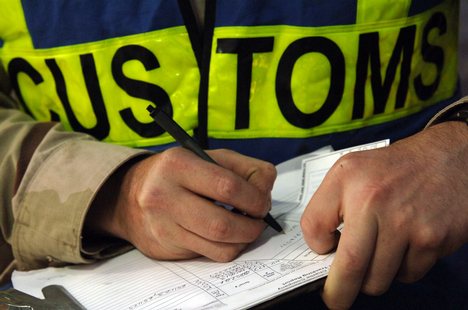
East African Countries Introduce Stricter Checks on Cargo Movement
folder_open Business Outlook , East Africa
The East African states of Kenya, Rwanda and Uganda have introduced stricter cargo movement measures aimed at containing the cross-border spread of Covid-19, following a rise in cases attributed to contamination by cross-border truck drivers. In Kenya, the Kenyan Revenue Authority (KRA) mandated all cargo truck drivers and their crew subject themselves to virus screening at border points. Furthermore, the KRA requires that all traders ensure that trucks carrying cargo across international land border points have a maximum of three crew members; fumigate the vehicles at the international border crossing point; house their cargo crew in appropriate hotels or lodgings, and provide them with sanitisers, disinfectants and clean running water. To minimise human contact, the KRA also strongly recommends that importers, exporters and other stakeholders process their customs-related inquiries and applications online whenever possible. Cargoes declared under the East African Community’s single customs territory framework will be monitored through the Regional Electronic Cargo Tracking System now in use by the three countries, according to the KRA. Road Transport Across East Africa The Rwanda Revenue Authority (RRA) has introduced ‘driver relay’ measures. It requires that haulage firms employ two truck drivers: one from the point of departure, who will get screened at the border and remain there; and the other from Rwanda, who will drive to the final destination after completing health checks. Transit cargo will be escorted to its final destination in Rwanda upon entry into the country, and truck drivers will only stop at designated points. It has also beefed up its customs clearing and warehousing services at the entry points of Rusumo, near the Rwanda-Tanzania border, and at Kagitumba on the Ugandan border. The RRA has urged clearing agencies, shippers, transporters, importers and warehouse operators to submit all documents to the RRA digitally through its electronic single window system to reduce human contact. The government of Uganda has introduced a similar driver relay system to that in Rwanda, which requires a driver from a neighbouring country to hand over the truck to a driver based in Uganda at the border crossing, after finishing disinfection procedures. Another move by the Ugandan government is to prevent truck drivers from stopping at any point of their journey in order to reduce their interaction with the public, other than at a maximum of three designated stops per route. Other measures being considered are requiring the cargo truck crew to use personal protective equipment and sanitisers, and for freight forwarders to pay for kits to be used for rapid testing for Covid-19 at the borders.
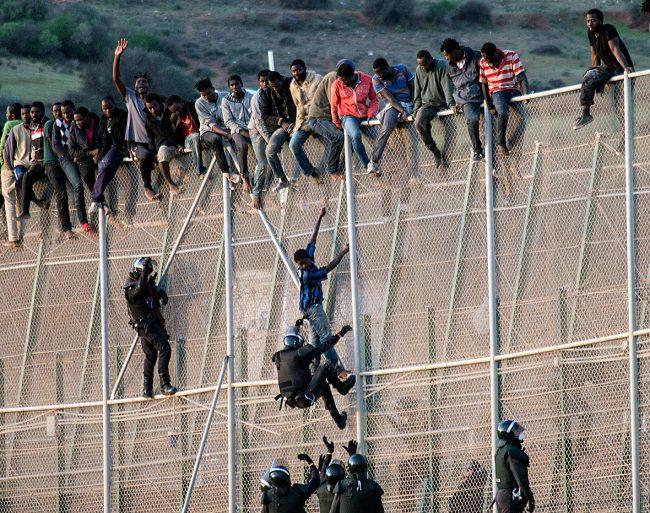
Morocco is building a free trade economic zone in the northern town of Fnideq, near the Spanish-administered enclave city of Ceuta, in a bid to reduce illegal imports. Smuggling through Ceuta has been significant. The value of smuggled goods entering Morocco through the Ceuta border at between US$620 million and US$800 million per year, resulting in substantial losses in unpaid duties. In contrast, Ceuta’s legal exports to Morocco are estimated at only about US$53 million. The new free trade zone will host several customs warehouses dedicated to high-demand goods, such as textiles and food products, that will be imported through Morocco’s Tanger Med mega port. Textiles and food products have been among the most commonly smuggled commodities through Ceuta. The facility will also have an area for the conditioning and labelling of incoming merchandise. Dining, leisure and entertainment facilities, as well as landscaped green spaces, will also be created in the zone. The current stage of construction is focusing on land levelling and road infrastructure planning, at a cost of MAD 91 million. Morocco has cracked down hard on the illegal import of goods through the Ceuta border. Aside from being another nail in the coffin for illegal imports, the free zone also seeks to improve import procedures and goods transit between Ceuta and Morocco; raise revenue by boosting export operations; and create jobs for the local workforce that have lost their source of income due to the suspension of smuggling. This is estimated at about 78,000 inhabitants of Fnideq and 380,000 residents of Tetouan. The decision is having a ripple effect in many sectors, including transportation. Traders are forecasting sharp drops in the IPSI, an indirect tax on goods, as well as port duties and sales, all of which will “trigger firings and readjustments” in Ceuta, a city of 85,200 people where unemployment is already above 25%. The enclave of Ceuta was once seen as a gateway to Europe for migrants coming from across the African continent and beyond. The Ceuta border fence forms part of the Morocco-Spain border at Ceuta. Constructed by Spain, its purpose is to prevent smuggling and to stop migrants from entering Europe. Morocco objected to the construction of the barrier since it does not recognize Spanish sovereignty in Ceuta. The crackdown has also created a political crisis that is proving difficult to handle.
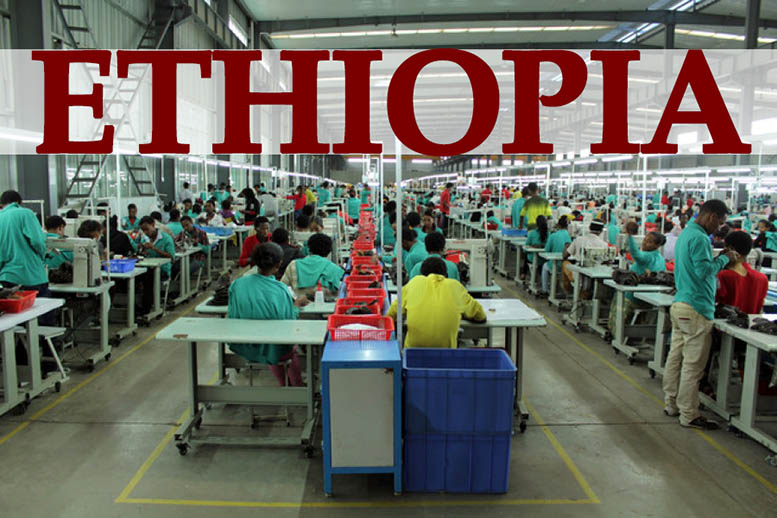
The government of Ethiopia has announced a new three-pronged incentive package to assist investors operating in the country’s industrial parks, in order to ease the economic impact of the coronavirus pandemic. As part of the effort to ease the impact of COVID-19 on the investment sector, the Ethiopian government has made available these three major incentives for investors operating inside Industrial Parks. The package was revealed by the Industrial Parks Development Corporation (IPDC) Director-General Lelise Neme on 26 June 2020. Investment laws of Ethiopia provide a wide-ranging incentives package for investments in priority. The incentives are intended to help investors shoulder and sustain the blow the pandemic is anticipated to have on foreign direct investments into Ethiopia. The first incentive allows manufacturers based in the parks that have not received any orders from abroad during the past two months and that have lost procurement agreements with overseas clients, to be allowed to also offer their products for sale on the local market. The second incentive extends the free transport of goods on the Ethio-Djibouti Railway from the Modjo dry port to Djibouti port, the main seaport servicing land-locked Ethiopia. Modjo (or Mojo) is situated strategically at the centre of Ethiopia, and served by a railway station, as well as road connections to the rest of the country. The free transport service has been in operation since 1 May 2020 according to the Ethiopian Investment Commission. Finally, Ethiopian Airlines, the country’s national airline and one of Africa’s biggest air cargo operators, will provide industrial park-based businesses with a six-month discounted cargo service. The country has a number of other incentives to assist businesses operating in the industrial parks according to the EIC. These include 50% discounted export freight services for export manufacturing industries that do not use railway services due to location. There is also a 50% cost reduction on inland transfer from industrial parks to Modjo rail connections; and demurrage costs at the dry port have been waived until the Covid-19 pandemic is controlled, as well as discounts on a number of government fees and services. Industrial parks in Ethiopia are an important initiative for boosting the country’s foreign investment and foreign currency reserves. The parks have only generated about US$152 million during the nine months of the 2022 Ethiopian fiscal year, which is only 75% of the government’s target. However, this is a substantial increase over the same period in 2021. With the vision to make Ethiopia a leading manufacturing hub in Africa by 2025, the government places high focus on industrial park development and expansion. Ethiopia is Africa’s second most populated nation with a population of around 120 million.
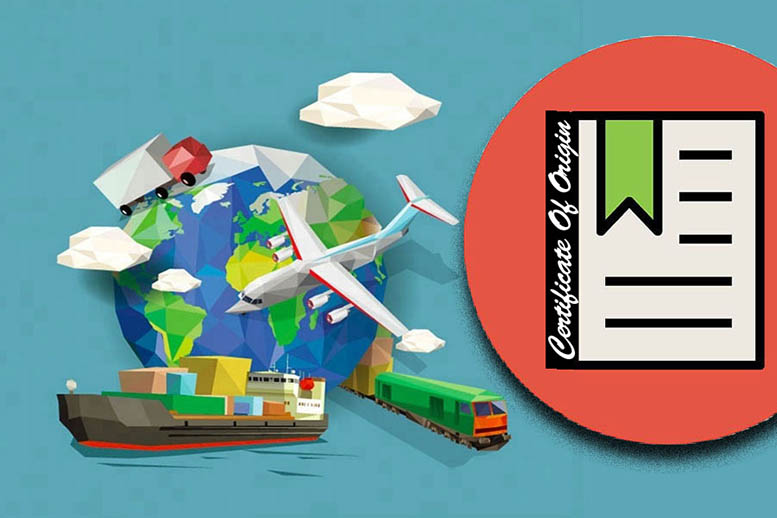
The Southern African Development Community (SADC) announced on 9 May 2020 that it will be introducing the use of an Electronic Certificate of Origin (eCoO) system within all 16 member nations. The move will streamline the clearing of goods and save time and money for exporters. The SADC includes nearly all African countries south of the equator, including the Republic of South Africa, one of continent’s largest economies. According to the SADC announcement, it plans to launch a test of the eCoO system in the six member states of Botswana, Eswatini, Malawi, Namibia, Tanzania and Zambia before the end of May 2020. All six countries have recently developed their own national versions that will now be integrated into the regional framework platform developed for use by participant countries. Mauritius, another member nation, has already developed its own eCoO module and is currently ready to use it with other SADC member states. Upon successfully completing the trial, the eCoO system will then be expanded across all countries in the community. Its introduction should have a positive impact on trade with and within the region. An SADC statement said: “The implementation of the eCoO is expected to contribute to the reduction of non-tariff barriers to trade and enhance participation of SADC Member States in the regional value chain and ultimately, support successful implementation of the industrialisation strategy and roadmap in the consolidation of the SADC FTA. This eventually will lead to the improvement of SADC Member States in their ranking in ease of doing business.” The advantage of the electronic system is that it saves exporters time and money, as well as promoting greater harmonisation of trade protocols regionally. Under the current manual system, hard copy documents must be delivered by exporters to the approving authority; delivered back upon approval; and finally delivered to the importer. The electronic system enables documentation to be processed and approved online, and the approved certificate to then be delivered digitally by email or by express mail to the applicant in a short period of time.
Kenya Raises Duties On 31 Goods
folder_open East Africa
The Kenya Revenue Authority (KRA) has increased the tax on excisable goods in line with the average inflation rate, despite pleas from manufacturers and importers to leave rates unchanged. The KRA’s excise duty inflation adjustment has upped rates by 4.94%, in line with the official annual inflation rate for the 2019/2020 financial year to 30 June 2020. In its official release, the KRA confirmed that the new tariff amounts have taken effect from 1 October 2020. The new rate affects at least 31 products, including juices, wines and spirits, some imported chocolates, beer, bottled water, imported sugar confectionery, cigarettes and fuel. Specifically, the KRA will now collect an additional KES5.46 (US$0.05) duty on a litre of beer, cider, opaque beer and other beverages with alcohol content not exceeding 6%; and for a kilogramme of powdered beer. Duties on spirits rise by KES12.50 per litre to KES265.50 from KES253; and on wines duties have gone up by KES9.34 per litre, rising from KES189 to KES198.34. Fruit and vegetable juices have risen by KES0.55 to KES11.59 per litre from KES11.04. Bottled water has increased by KES0.27 per litre. The excise duty levied on sugar confectionery and for some chocolates has added KES0.99 and KES9.88 to total duty payable per kilogramme respectively. The Kenya Association of Manufacturers and other industry players have called on the tax authority to pause the implementation of the new rates, citing the substantial challenges that stakeholders are already facing from the Covid-19 pandemic. They have also criticised the authority for failing to consult the National Assembly prior to setting new rates, as is allegedly required by the country’s Finance Act, 2020. The KRA, however, has defended its actions saying that the adjustment for inflation is required by law under Section 10 of the Excise Duty Act, 2015.
Saudi Connection to the African Markets
folder_open East Africa
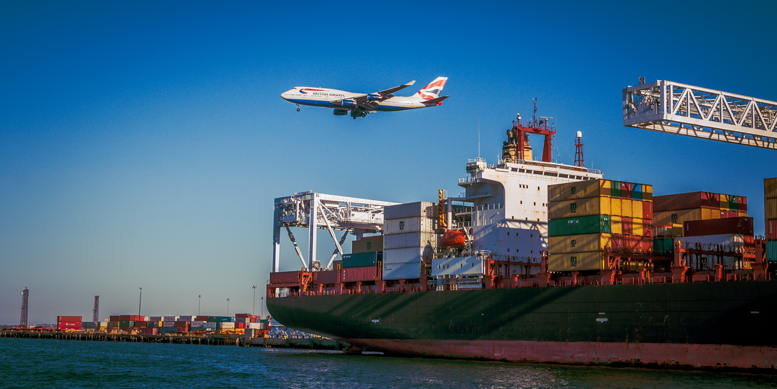
The Saudi Ports Authority (MAWANI) has announced the launch of a new shipping lane connecting Saudi Arabia with East African countries, to be provided through French giant logistics company and shipping line, CMA CGM. The new ‘JEDDEX’ shipping service will provide a weekly direct service between Saudi Arabia, Somalia and Kenya, with four ships plying the route, each with 1,100 TEU nominal capacity. The new shipping lane will connect the King Fahd Industrial Port in Yanbu and the Jeddah Islamic Port in Saudi Arabia, with the ports of Mogadishu and Mombasa in Somalia and Kenya respectively. The port rotation will be Yanbu - Jeddah - Mogadishu - Mombasa - Yanbu. The new service will make JEDDEX the first container service to link the fast-growing Yanbu port with the international shipping lines that connect to the port at Jeddah, which joins much of Saudi Arabian trade to the rest of the world and, in particular, Europe. The new route should cut shipping times between Mombasa and Jeddah by up to seven days, as currently cargo is required to go via European ports such as Antwerp and Genoa, which can take up to 29 days. Relay services for the JEDDEX service will also be available between Jeddah and Northern European, Mediterranean and Red Sea ports. Relay services for imports from the US East Coast have also been proposed in the future. According to MAWANI, the JEDDEX service reflects its ongoing efforts to build strategic partnerships with major international shipping lines, develop the capabilities of Saudi port infrastructure, boost exports and imports, and increase investment flows and non-oil state revenues. It believes that the new East African shipping lane will result in increased exports of local products, drive greater capacity of cargo handling at Saudi ports, increase direct imports from East Africa, and expand regional trade. Saudi Arabia is the 20th largest exporter of goods and the 32nd largest import market in the world. Foreign trade represents 67% of its GDP (2019). Petroleum products represent a large majority of exports (76.4% of total exports in 2017, 78.5% in 2018), followed by petrochemical products (propylene, ethylene, etc.). Automobile accounts for the largest share of imports, followed by telecommunication devices and medicine. Saudi Arabia’s main export partners are the UAE, China, India, Singapore and Belgium. Its main import partners are China, the United States, UAE, Germany and India. In order to promote international trade, attract foreign investment and diversify the non-oil sectors, the government announced plans to establish four ‘economic cities’ in different regions of the country.
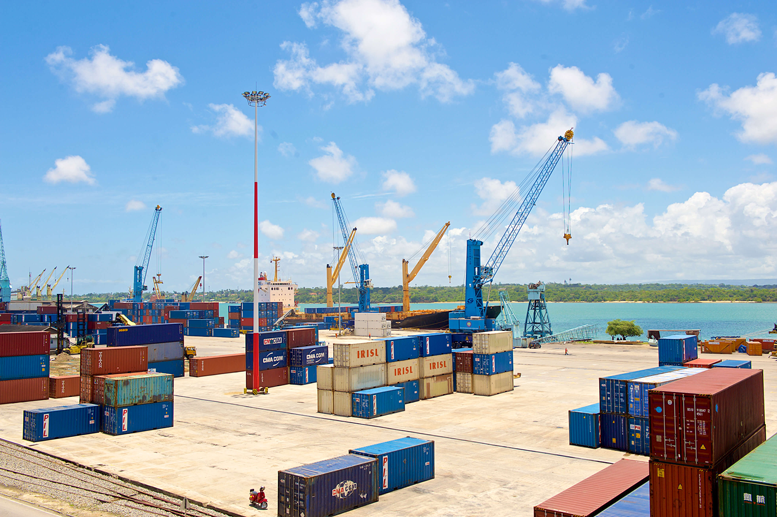
Kenya’s President, Uhuru Kenyatta, opened the government’s Container Freight Station (CFS)-Kenya Railways Corporation Transit Shed near the Nairobi Central Station on 10 November 2020. The new freight transit shed, also known locally as the ‘Boma line’, eliminates the need for small importers to collect goods from the Inland Container Depot (ICDN) at Embakasi, about 13 kilometres away, which requires the use of expensive clearing agents, typically incurring a charge of KES109,000 (US$1,000) for a container deposit. At the new Transit Shed, a joint initiative of the Kenya Revenue Authority (KRA) and Kenya Railways Corporation, the customs clearing process for smaller quantities of imports has been simplified, saving time and money. According to an official KRA press release, consolidated cargo will be stripped from containers and stored in the shed while being organised according type, with marking for easy tracking and identification. Customs and other government verification will consequently be carried out on specific single goods, as opposed to the typical verification of a whole container. For goods of US$10,000 customs value or less, import declarations are now possible using a mobile app, or by a direct assessment entry. Goods valued above US$10,000 will have to go through a registered clearing agent in the customs system. About one hundred 40-foot containers per month can currently be accommodated in the transit shed, with the number expected to rise to about 300 containers per month with 24-hour operations during the post-Covid-19 period. According to the KRA, plans are underway to increase warehouse capacity as trade volume increases, along with training traders on how to clear cargo without the assistance of clearing agents.

Online Trading in Kenya Gains Popularity
folder_open East Africa
Emerging as an area of opportunity for online retailing, Kenya has witnessed the rise of indigenous e-commerce platforms and the increasing footprints of international players, reflecting significant jump-start potential for businesses looking to tap into the country’s consumer market. We bring you an overview of the Kenyan consumer market in the context of online retailing as we look into examples of businesses which are successfully leveraging e-commerce. Kenya’s E-commerce Landscape Increasing internet and mobile penetration and growing consumer adoption of digital payments have contributed to the growth of Kenya’s e-commerce landscape. Consumers are more engaged with online shopping, and mobile payment has enabled easier and faster e-commerce orders. According to Euromonitor, the size of Kenyan’s internet retailing market is valued at US$89 million in 2018 and is forecast to grow rapidly to US$1.6 billion by 2023. Kenya is among the fastest growing e-commerce markets in Africa, with more than ten online retailers in the market. Jumia, started in Nigeria nine years ago and now publicly listed on the New York Stock Exchange, is leading Kenya’s e-commerce market with over one-fifth of the market share. Known as the “African Amazon”, its online marketplace connects over 81,000 sellers with African consumers and offers a wide range of branded and non-branded affordable consumer goods, such as fashion and apparel, home and living, electronics and beauty products. In fact, over 90% of the items sold on Jumia are offered by third-party sellers, presenting a viable option for both local and international sellers, particularly SMEs, in reaching the consumers across multiple regions in Africa. Jumia has been actively attracting more sellers from Mainland China in order to enhance the variety of products available on their platform. The company opened an office in Shenzhen in 2016 in order to connect more Chinese vendors to the platform. Currently, there are about 1,500 Chinese sellers on Jumia’s marketplace, including flagship stores of some well-known Chinese brands such as Huawei, Xiaomi and Skyworth. Kilimall: E-marketplace with Close Chinese Links When it comes to bridging Chinese businesses with the African market, Kilimall has been on the front line with its online channel. Named after Africa’s highest mountain Kilimanjaro, Kilimall was the first Chinese e-commerce company to enter Africa. Since its founding in 2014, it has grown rapidly to become one of the largest B2C e-commerce sites in Kenya. It has an edge over competitors due to its Chinese roots, as the country remains one of the world’s leading e-commerce markets, with deep experience of operations and marketing techniques. Kilimall sells products across various categories similar to Jumia, with over 10,000 vendors on the platform, but it has stronger Chinese connections, with about half of the vendors coming from Mainland China. The presence of both local and Chinese vendors enables Kilimall to offer a greater variety of products and styles in different price ranges and thus expand the customer base. Kilimall now distributes to three African countries, namely Kenya, Uganda and Nigeria, with over 10 million users in Kenya alone. Kilimall provides a stress-free and cost-competitive business environment for vendors as it helps to monitor orders, handles logistics and runs marketing campaigns. The platform does not charge per-item listing fees and only receives commission on sales, with the lowest commission rates in Kenya (ranging from 5% to 15%) across product categories. For overseas companies newly entering Kenya, cross-border e-commerce platforms such as Kilimall offer a viable option to explore the market. Apart from reaching retail consumers, overseas suppliers can also connect with Kenyan buyers through Kilibusiness. This B2B online sourcing platform is part of an initiative launched at the China-Africa Economic and Trade Expo held in June 2019. Kilibusiness allows Kenyan buyers to source products in bulk from Mainland China through the platform. Product categories vary from manufacturing machinery, lighting and decorations, to footwear and even packaged food and beverages. It is free to register on Kilibusiness and suppliers can upload details of their products such as product specifications, unit price, and minimum order size as well as their contact details (which can only be accessed by registered users). Omni-channel Strategy to Enhance Retail Experience Apart from pure online retailing, companies are also proactively deploying online-cum-offline strategies to provide better customer experience. One example is the Chinese construction company China Wu Yi, which built Kenya’s largest home furnishing shopping mall – Coloho Mall – in 2018. The Mall acts as a one-stop shop for home furnishings and decoration materials and features a wide variety of Chinese-imported, local and international branded products such as ceramic tiles, flooring decorations, kitchen sinks and lighting fixtures. The company has later expanded its distribution channel online via Coloho.com. The online platform synchronises product information of the offline store and provides delivery or self-pick up options for online orders. With an omni-channel strategy, it is possible for online and physical store to boost each other’s sales with collaborative promotion and discount offers. The physical presence of Coloho Mall also acts as a showroom and allows more interactions with customers to improve their shopping experience. For example, there is a VR sample room at the Mall which enables shoppers to visualise their ideal home settings by digitally placing furnishings into a virtual room. Coloho Mall Gracepak Ventures - Toys World, an online toy retailer in Kenya, has also embraced the advantages of having offline presence to interact with its customers. However, instead of setting up physical stores, the company collaborates with shopping malls in Kenya and sets up pop up stores and children’s play areas to promote their products and increase customer engagement. Gracepak Ventures - Toys World benefits from the face-to-face interaction with potential customers while customers are able to learn more about the products through product demonstrations. Testing the Waters Through E-commerce Platforms International brands are also taking advantage of e-commerce platforms to test local consumers’ preference in products and analyse their cross-border capability. Decathlon, a sportswear and equipment brand originating in France, first entered the Kenyan market in 2017 by partnering with Jumia, and distributes its products through the platform. About a year after Decathlon’s online debut, the company opened its first physical store in Nairobi, the capital city of Kenya, together with their official online retail website. Distributing goods online as the first step into the Kenyan market enabled Decathlon to identify the demand and expectations of local consumers and better evaluate their capability before setting up brick-and-mortar store in the country. It also helps the company to better utilise their physical store to optimize shopping experience. For example, consumers can purchase goods on the Decathlon website and collect at the store within a certain period of time. Businesses looking to establish a presence in Kenya are encouraged to explore the market with the use of e-commerce platforms which are usually considered to be less risky
Preliminary request for participation in the trade show
place
calendar_today
Preliminary request for visitor registration
Visitor Registration
place
calendar_today