
Tanzania has earned the distinction of being among the world's 10 fastest-growing economies. The east African nation grew at the rate of 6.8 per cent, according to the 2020 African Economic Outlook report. Other five African countries that have been making impressive growths are Rwanda (8.7 per cent), Ethiopia (7.4 per cent), Côte d'Ivoire (7.4 per cent), Ghana (7.1 per cent) and Benin 6.7 per cent. Not only did Tanzania achieve the highest growth rate among African countries, it’s inflation also fell to 3.3 per cent in 2019 due to improved food supply. The Tanzanian shilling also stood fairly stable in 2019, exchanging at an average of 2,290 to the dollar, compared with 2,263 in 2018. An impressive growth in the middle class of Africa has seen a steady rise in demand for consumer and capital goods all across Africa. The East Africa region has emerged as the continent's fastest-growing regions with an average growth estimated at five per cent in 2019; North Africa is currently the second-fastest, at 4.1 per cent, whereas West Africa's growth has been recoded at 3.7 per cent in 2019. The 2020 African Economic Outlook report predicts that Tanzania's growth will to be stable at 6.4pc in 2020 and 6.6 per cent in 2021. Overall, Africa's economic growth stood steady at 3.4 per cent in 2019 and is expected to pick up to 3.9 per cent in 2020 and 4.1 per cent in 2021.

Kenyan food manufacturer Ariel Foods expands in West Africa
folder_open Foodstuff & Beverages , West Africa
Ariel Foods, a renowned Kenyan therapeutic foods manufacturer famous for its food supplements for malnourished people worldwide is expandeding its operations in West Africa through its base in Nigeria seeking. The food company aims to tap into the wider West African market through its operations in Nigeria. Insta’s therapeutic foods are a high calorie combination of peanut paste, sugar, oil and milk powder which is fortified with 23 vitamins and minerals. Severely malnourished people, who cannot digest solid food portions or receive supplements intravenously, feed on the supplement for six weeks before progressing to other foods. Insta Products has been operating for 16 years. Its products are distributed regionally but they are also shipped to needy individuals in countries such as Afghanistan, Syria, Pakistan and Yemen among others places, Ariel Foods’ new Nigerian factory will be set up in Alaro City, a mixed-income development featuring industries, logistics, offices and homes in Lagos State. The city is backed by Rendeavour, Tatu City’s owner and developer. Rendeavour is also developing other similar cities in Africa including two in Ghana at King City and Appolonia, Kiswishi in the Democratic Republic of the Congo and Roma Park in Zambia. “Ariel Foods is proud to expand its production to Nigeria, and to play a major role in food and population security in West Africa through the production of ready-to-Use therapeutic foods to feed malnourished children and to supplement the diets of persons with special nutrition requirements,” said Dhiren Chandaria, owner of Ariel Foods. Chandaria also owns Kenya-based Insta Products which is a major supplier to UNICEF and World Food Programme relief initiatives. Lagos State Governor Babajide Sanwo-Olu welcomed the Kenyan firm’s investment. “I am pleased to witness the start of operations of Ariel Foods, which has built a remarkable facility in less than one year,” he said. “The confidence of international and Nigerian investors is a testament to Alaro City as the location of choice for businesses in the Lekki Free Zone, and to the ease of doing business in Lagos State.” Insta, located in Athi River’s Export Processing Zone, produces food supplements for malnourished people
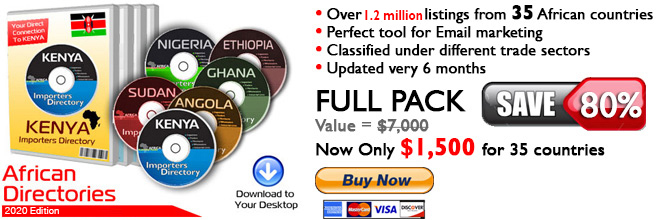
Email marketing lists of companies in Africa is now available at Africa Business Pages for those who are looking for a database of email database to conduct email marketing in Africa. Email marketing lists for Africa are in big demand specially for companies that are seeking to export to Africa and looking for a list email marketing list of importers in Africa in oder to improve their sales in the African markets. The Africa Business Pages has compiled a series of email lists of African companies that has proved very helpful for those looking for importers in Africa, buyers in Africa as well as wholesalers in Africa. The email list of African companies has helped many importers, exporters, manufacturers and traders find business partners in new and emerging markets of Africa. Launched in 1996, the Africa Business Pages has emerged as one of the leading B2B portals for Africa and has played an instrumental role in promoting trade and business to and from Africa by connecting African importers with international exporters. The database of email list of importers in Africa has served as a useful tool for international exporters to find importers in Africa and increase their export to Africa. The email database list at Africa Business Pages is available countrywide as well as sector wise so as to help exporters find the right buyers in Africa for their products and services. Some of the sector wise list of emails available in the database includes: List of Foodstuff Importers in Africa List of Auto Parts Importers in Africa List of Pharmaceutical Importers in Africa List of Tyre Importers in Africa List of Car Importers in Africa List of Rice Importers in Africa List of Cosmetics Importers in Africa List of Building Materials Importers in Africa List of Furniture Importers in Africa List of Hotels in Africa List of Hospitals in Africa Email marketing lists for Africa have proved to be a very useful tool for contacting companies in Africa, importers in Africa, buyers in Africa through email marketing campaigns targeted at the African markets. The database of emails of African companies compiled by Africa Business Pages is priced nominally and is available for immediate download in Excel format. You can download the African Importers Lists from: http://importers.africa-business.com/
Africa: The Business Hub of the Future
folder_open Articles
With 54 countries, Africa is a large continent with tremendous economic growth, investment, and rapidly rising living standards. Today Africa offers a host of opportunities for entrepreneurs and businesses across the world as it marches towards a better economic future. All across the African markets, national and regional economies are steadily accelerating their growth and attracting foreign investors from all across the world. This drastic change is driven by a number of factors, including more democratic and accountable governments; economic policies which increasingly favour and facilitate international trade; a new generation of policy-makers and business leaders; innovative information and communication technologies; an emerging spirit of entrepreneurship; and a growing middle class of relative prosperity with a taste for modern consumer goods. As a matter of fact, six of the world’s 10 fastest growing economies are in Africa, and the ease of doing business in Africa is improving to the extent that a good number of countries (including South Africa, Ghana, Mauritius and Tunisia) now outperform China, India, Brazil and Russia. FDI inflows to Africa have also registered year-on-year growth since 2010 and now amount to US$ 50 billion. Forecasts by industry experts are leading to optimistic outlooks among those early movers who have already identified the huge potential of the African continent with its one billion people spread across 54 countries. It is time for enterprising businesses to seize the opportunity and look at the African markets seriously. Key figures: The attractiveness of business in Africa: Population and demographics More than 50% of Africa’s population is under 20 years old, making it the world’s youngest continent – in comparison only 28 % of the population of China is under 20 years old Almost 40% of the global population growth will be in Africa by 2050 500 million Africans are between the age of 18 and 24. By 2040, the forecast is 1.1 billion — more than in China or India Markets and consumers Urban African consumers spend the largest share of their budgets (45%) on food and groceries –more than the average consumer in the BRIC countries Consumer expenditure is set to rise from USD 600 billion in 2010 to nearly USD 1 trillion in 2020 More than half of all African households are projected to have discretionary income by 2020 – corresponding to almost 130.000 households Consumer-facing industries (retail/wholesale, banking, telecommunication and tourism) in Africa are expected to grow by USD 400 billion by 2020, with apparel, consumer goods and food accounting for $185 billion Economic performance Average annual return on capital of African companies was 65-70% or higher than that of comparable companies in China, India, Indonesia, and Vietnam GDP growth for the continent is forecast at 5.4% in 2013 and 5.7% in 2014 6 of 10 of the world’s fastest growing economies are currently in Africa FDI inflows to Africa have increased by 13.6% and FDI outflows by 55.6% since 2010 Doing business in Africa Transparency International’s Corruption Perceptions Index 2012 ranks Botswana, Rwanda, Namibia, Ghana, South Africa, Liberia and Tunisia better than China and India in terms of the perceived corruption levels of public institutions The Doing Business 2013 Report ranks Mauritius, South Africa, Rwanda, Botswana, Ghana, Tunisia and Namibia above China (the best performing BRIC country), while Morocco, Zambia, Egypt, Kenya, Uganda, Ethiopia and Nigeria rank above India and Brazil African Economies: Marching Ahead Africa’s fundamentals appear strong, and the continent’s outlook remains positive. The belief remains unshakable among Africans that tomorrow will be better than today and that is the kind of infectious confidence in which investments thrive. Many African governments are now embracing the right reforms, building the right institutions, growing resilient economies and making the right policy choices, including diversifying their economies away from oil, gas and mining to the massive job-creating promise held by agriculture and small and medium-size enterprise creation. The global economy is to gain greatly from high-performing Africa that can be the next global growth pole and its next market. Global prosperity will expand if Africa grows and prospers. The message to any company or investor still not in Africa is that today is the day that business in Africa is made and it might already be too late tomorrow. Africa is the now, no longer the future. The Africa train has already left the station. You are either on it or you risk becoming irrelevant.

Exports from Dubai to Africa Grow
folder_open Business Outlook
Dubai has emerged as one of the leading supplier of goods and all kinds of consumer products to Africa. Shipping lines plying the Dubai-Africa route are experiencing a welcome rise in business with the coming of African bulk buyers during the last decade. Among the major destinations of UAE exports are Nigeria, Mauritania, Senegal, Gabon, Ghana and the Ivory Coast in West Africa, and Tanzania, Uganda and Kenya in East Africa. On an average, freight rates to Africa cost around $2,200 to $2,600 for a 20-foot container, which has a capacity of 21 tonnes. For a 40-foot container with a capacity of 26.5 tonnes, current rates are between $4,900 and $5,600. Certain trade sectors in Dubai have reported substantial increase in demand from African countries in recent years. A growing number of African buyers are travelling to Dubai to purchase a wide variety of goods and to make direct contacts with suppliers and manufacturers in the UAE. Dubai's Exports to Africa Dubai’s trade with Africa, estimated at $45 billion, has grown beyond its traditional trade partners in Africa like Egypt, Ethiopia, Kenya and Uganda to new and emerging markets like Nigeria, Angola, Benin, Cameroon, Mozambique, Tanzania, Eritrea and Ghana. According to recent study conducted by Africa Business Pages, exports from Dubai to Africa constitute 10 per cent of the emirates total trade. In recent years, Africa has emerged as the largest export market for Dubai wholesalers of consumer electronics and IT equipment. Dubai’s trading ties with Africa go back decades and the emirate has been trading with many African countries much before the discovery of oil and the formation of the UAE Federation. Traditional trade partners in those historic days used dhows trade with the ports of Zanzibar, Somalia, Kenya and Tanzania was once dominated by Arab traders. Somali cattle have been imported in the Gulf countries since historical times. So trade between Africa and Dubai has a long and illustrious history. Emirates Opens New Trade Corridors in Africa Emirates airline has also played an instrumental role in the improving bi-lateral trade between Africa and Dubai. By operating direct flights from Dubai into many African countries, Emirates airline has helped in building new trade routes in the African markets as well as contributing to the rise in African passenger traffic to Dubai. Africa-Dubai Trade Grows New and liberal economic policies adopted by many African countries have also attracted foreign investments in industrial and manufacturing projects - mainly in the several Export Processing Zones (EPZs) that have come up in countries like Kenya, Uganda and Tanzania in recent years. This has resulted in greater demand for capital goods, machinery and raw material – a demand that is being met by many Dubai-based enterprises. The growing demand for goods in Africa is clearly reflected in statistics. The improving economic and political situation in many East African countries has resulted in greater buying power for the average person in Africa and has in turn boosted demand for consumer goods. The surge in the number of African visitors is a new phenomenon, although Dubai has traditional links with East Africa. According to data available, from a mere 6,954 in 1984, the number of visitors from African countries shot up to over 100,000 now. Most of them came from Ethiopia, Kenya, Uganda, Nigeria, Cameroon and South Africa.
Chinese goods have been gaining increasing popularity in the African markets and Chinese companies are exporting in huge quantities of a wide variety of products directly into many African countries. In the last few years, China's trade with Africa has been growing with leaps and bounds, as has Chinese investments into several African nations. In 2018, China-Africa trade reached US$204.2 billion, up 20 percent year-on-year, and China has emerged as Africa's largest trading partner for 10 straight years. Price-sensitive markets in Africa are hungry for cheaper-priced Chinese goods. Wholesalers, traders and merchants in Africa have also been quick to meet the rising demand for Chinsese goods in Africa and are now sourcing a large portion of their requirements from China. Africans Buying from China By cutting out the middlemen and buying directly from Chinsese manufactures has also helped them increase profit margins. This trend of buying from China and selling locally and regionally is being repeated in almost all African countries and the result is clearly visible in almost all African markets that are now flooded with low-priced Chinese goods – whether it is tyres, automobile parts, stationery, perfumes, cosmetics, computer hardware, furniture or machinery, China has dominated the African markets in the last decade. The main products China exports to Africa are machinery and electronics, textile and apparel, hi-tech products and finished goods, while imports from Africa concentrate on crude oil, iron ore, cotton, diamond and other natural resources and primary goods. To help the countries in Africa expand exports, China has exempted import tariffs for certain commodities of these countries. China has announced the names of over 25 African countries that enjoy zero tariff treatment and special preferential tariff rate for exports of some 190 products to China, ranging from food, mineral product and textile, to machinery and electronics. In fact, Africa’s resource-rich nations are getting even more reliant on China for their exports. China imports from China include crude petroleum from Angola and South Sudan, zinc and copper ore from Eritrea, cobalt from DR Congo, raw tobacco from Zimbabwe, besides iron and titanium from Sierra Leone. China in Africa China has committed to set up a $10-billion special fund for development financing, showcasing a possible change from a resources-for-infrastructure model of financial engagement. These statistics clearly show the increased trading activity between Africa and China. Chinese companies, known for their marketing and business skills, have been reaping rich dividends by promoting their products and services in the new and emerging markets of Africa. China-US Rivalry in Africa The battle for political and economic influence between the U.S. and China is playing out across Africa, and Beijing’s growing presence is troubling Western policymakers, experts say. Africa has become the fastest urbanizing region on the planet, and China has placed itself at the infrastructural vanguard of the new frontier. Chinese firms have been most active in building ports, roads and railways that will underpin integration and trade between African nations — an intention most recently exemplified across the continent in the landmark African Continental Free Trade Agreement (AfCFTA). The AfCFTA recently launched its operational phase, and eventually intends to bring together all 55 African Union member states into the world’s largest free trade area, spanning 1.2 billion people. U.S.-Africa trade has dipped in recent years, while China is now Africa’s biggest trade partner. Between 2002 and 2008, following the signing of the African Growth and Opportunity Act (AGOA), which provided tariff-free access to 6,500 products for qualifying sub-Saharan countries, trade between the U.S. and Africa grew to $100 billion. China recently launched a $1 billion Belt and Road infrastructure fund for Africa, and last year delivered a whopping $60 billion African aid package, further consolidating its robust economic influence.

Zimbabwe is an attractive tourist destination – specially for desert dwelling residents in the Middle East. Emirates operates a daily flight between Dubai and Harare, making it easier for Middle East travellers to explore this beautiful country. As a result, an increasing number of visitors from the Middle East are now visiting Zimbabwe - making it one of the new holiday destinations that is gaining popularity among residents and expatriates living in the region. Unlike many other African countries, Zimbabwe boasts of a world-class tourism infrastructure and has some of the most luxurious hotels and lodges in the Southern African region. The African Sun Group is one of the largest players in the hospitality and hotels sector of Zimbabwe and runs as many as 11 prestigious hotels and lodges across the country. Established in 1968, the African Sun Group has hotels in every major tourist destination in Zimbabwe and in four out of the five major cities in the country – thereby making the African Sun Group a perfect host for those looking for a luxurious and unforgettable experience when visiting Zimbabwe. Our editorial team stayed at a few properties run by the African Sun during our recent visit to Zimbabwe and we were greatly impressed by the amenities and service levels provided at these properties. We caught up with Tariro Ndebele, Group Sales and Marketing Director, African Sun for an informal chat...

A large number of African businesses use Dubai as their supply source. As a result, traders, merchants, manufacturers is Dubai have been eager to attract African buyers and have been doing roaring business in the African markets. The reasons why African buyers throng to Dubai are many. To start with, the lack of a reliable and well established manufacturing base in many African regions has forced both, African businesses as well as consumers, to look for overseas suppliers to meet the rising demand for capital and consumer goods. Against this backdrop, Dubai presents itself as a convenient and affordable market to source all kinds of goods at affordable prices. Comprehensive Range of Products Dubai offers a comprehensive range of products and services from all across the world – this helps African buyers compare prices and quality of goods from all across the world while buying from Dubai and choose the best products to suit their needs. A well established chain of retailers in Dubai offer a wide selection of goods at affordable prices to African buyers. As African buyers are mostly "cash customers", merchants in Dubai are able to offer them attractive prices too and welcome business from buyers from Africa. As a result, the wholesale market in Dubai is very active in promoting re-exports to Africa and African buyers generally buy in bulk from suppliers in Dubai and then undertake retail selling in their own countries as well as neighbouring countries, at a very healthy profit. Traders from Kenya, for instance, have been buying from Dubai bulk quantities of low-priced tyres, batteries and spare parts and distributing the same to nearby countries of Rwanda, Burundi and the Democratic Republic of Congo. Bargain Deals This adds to the attraction for African buyers to Dubai who are looking for low-priced products that are in big demand in the price sensitive markets of Africa. Low import duties and direct supplies from manufacturers in the Far East and China have been responsible for keeping prices in Dubai lower than other markets in the region. Easy Availability of Goods Easy availability of goods in Dubai also attracts business people as well as consumers from Africa to Dubai's thriving markets and souqs. Dubai's geographical proximity to the African continent further adds to the lure. Shorter travel time, cheaper freight costs and easy availability of visa has helped Dubai attract a large number of African buyers to its shores. For instance, the cost of shipping a 40-foot container from China to Africa is approximately $ 2450 compared to just $920 from Dubai. Consolidation The biggest advantage in making their bulk purchases from the UAE, for African buyers, is that they can purchase just the quantities they require. While theoretically, it is possible for African buyers to source their supplies directly from manufacturers in the Far East, but, such orders would normally be for at least one container load, if not more. Most African buyers, on the other hand, do not require the merchandise in such large quantities and are more comfortable with sourcing smaller quantities of different commodities from Dubai, stuffing them into one or two containers and then shipping the goods to their African destinations. The fact that Dubai has excellent shipping connections means that African buyers can ship their purchases to literally any destination on the continent. Thus, not only do African businessmen have in Dubai the ideal location where they can find all their requirements in one city, but also have the means of transporting it back home very conveniently and cheaply. Price Sensitive Markets in Africa African markets are extremely price sensitive and most of the requirements originating from Africa are for low-priced goods. As a result, goods from China, Korea, Hong Kong and other Far Eastern countries have been more successful in African markets as compared to those from Europe and North Africa as they relatively lower priced. The decisive factor is that over the decades, Dubai has developed a substantial community of retailers, a sophisticated import system and substantial warehousing for stock. This has lead to the emergence of a keenly competitive market that ensures that prices in Dubai are as much as 10 to 15 per cent lower than in neighbouring markets. Dubai continues to be number one for buying anything from cosmetics to automobile spare parts and machinery. Africa Business Pages: Connecting Exporters in Dubai to Buyers in Africa With the emergence of Africa as one of the major re-export markets for the UAE, many Dubai-based exporters have begun concentrating their marketing efforts towards the ‘dark continent’. The AFRICA BUSINESS PAGES is one of the tools that is proof of how seriously Dubai businesses take the African market – most of the advertisers on this B2B portal are from Dubai – a testimonial to the importance attached to the African market by Dubai-based businesses. Africa Business Pages has also compiled a database of importers in Africa that has helped many international suppliers find buyers in the African markets. The Africa Importers Directories compiled by Africa Business Pages lists major importers, retailers, buyers and wholesalers in over 35 countries in Africa and is now available for direct download in Excel format at a nominal cost. This unique database of importers in Africa has helped international suppliers to establish direct B2B contacts with the business counterparts in Africa. Most suppliers use the database to conduct email marketing campaigns across several African markets while others use the list to send our their product brochures to their potential customers in Africa.
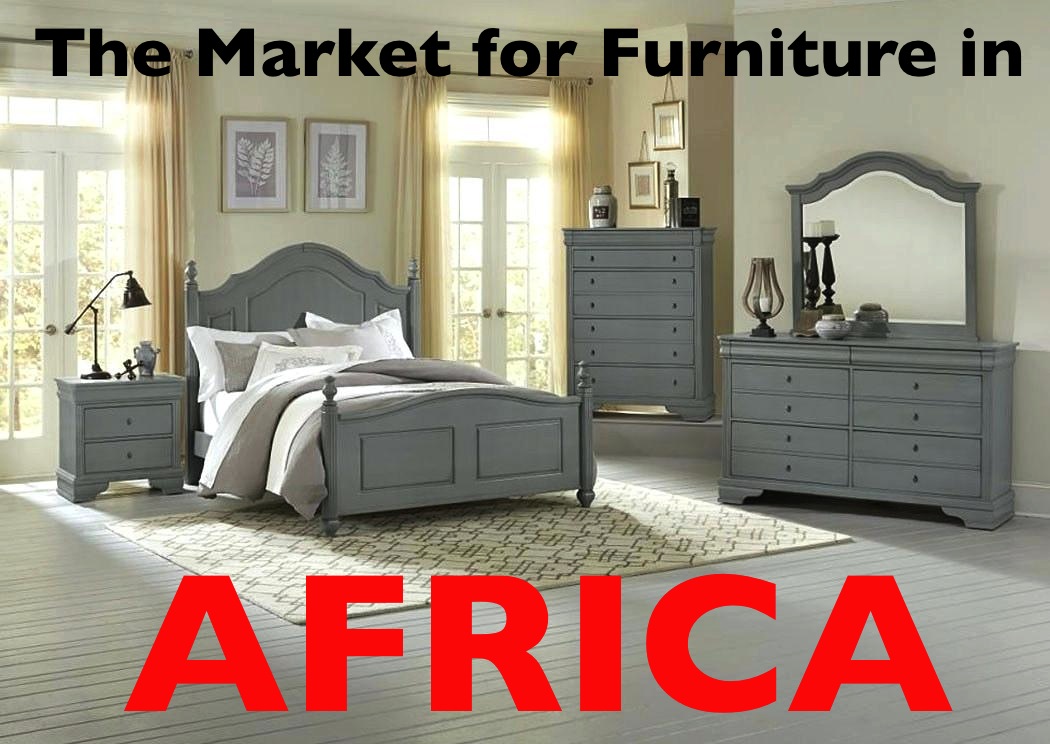
The Market for Furniture in Africa
folder_open Business Outlook
With the growing population in Africa demand for home and office furniture is simultaneously increasing. When people move into a new home, they need a bed to sleep on, wardrobes for their clothes, chairs, a dining table, sofas, kitchen cabinets and all kinds of furniture. Like households, offices also buy a lot of furniture too. African is fast emerging as an important market for furniture on a global scale. Total furniture imports into Africa amounted to more than US$ 5 billion in 2018. Ten main furniture importing African countries (each of them importing over US$ 100 million of furniture) are Angola, Morocco, Libya, Nigeria, Algeria, Kenya, Egypt, Ghana and Sudan. Furniture Market in Africa Africa is a huge pool of population, which is projected to expand and grow rapidly. By 2050, 2.4 billion more people are expected on the planet out of which 1.3 billion are expected to be born in Africa. The majority of the world’s population growth is expected to take place in Africa – making the continent one of the most attractive markets in the world. Africa’s rapidly growing urban population and their spending capacity, along with the growing economy are the primary reasons why furniture business is enjoying the best time of its life. Rapid Urbanisation in Africa Urbanisation process is expected to be very rapid, particularly in Sub Saharan Africa and large urban areas will be the frontiers of economic growth with important implications for the increase of furniture consumption. Despite political instability and relative poor infrastructure level in some areas, there is evidence of numerous urban centres, which offer potential for growth for the furniture market. These cities are increasingly diversifying their economy. In recent years, huge investments have been made in real estate, tourism and hospitality industry, culture and entertainment, which have boosted demand for the furniture sector. More and more number of people are moving to cities from villages, in order to seek better medical facilities, education, sanitation and employment opportunities.At the current rate of growth, more than 500 million Africans will move to cities by 2030. As the population in African cities and towns increases, this will naturally create a profound and genuine need for real estate; residential accommodation, office space, hotels and schools everywhere in Africa. Office buildings, hospitals, schools, luxury hotels, premium guest houses, residential apartments and societies, shopping malls and theatres are being constructed everywhere in African cities. As this trend of more people moving into new homes and establishing new business offices continues, furniture will be required. When new schools are built, desks and chairs will be needed. New hotels often require skillfully designed beds, stylish wardrobes and various other fixtures and fittings. Furniture Importers in Africa This is just a short glimpse of a rewarding business stream which is waiting to be explored. Several African countries have good potential for developing their furniture industry, both for internal consumption and for exports. The more promising prospects are in South Africa, Egypt, Morocco and Nigeria, but also Namibia, Tunisia, Kenya, Zimbabwe are possible candidates for a relevant expansion of their furniture production.The global economy is prophesized to grow by 2 to 3 percent between the years 2011- 2020. Africa is projected to grow approximately by 6%. The reason behind these projections is the rising middle class in the African cities. These people are the dwellers, who migrates from the rural areas and villages to the cities for employment prospects. This class includes salaried job holders, small and medium scale business owners. The sales for the imported custom made furniture has been increasing since the last 3 years. In order to start up furniture business in Africa, one should know the needs and demands of the customers being targeted. Some buyers are more concerned about beauty, quality and durability of the furniture, and will pay high prices to get furniture that meets these requirements. Some other buyers are highly influenced by cost and their choices are restricted to the price of the furniture. They will love to have beautiful and high quality furniture only if it can fit into their budget. Some customers prefer imported furniture and some prefer the local one. The key to succeed and make money is the ability to fulfill the needs and taste of buyers. Some of the countries like Nigeria, in order to develop the local furniture industry and to create the employment opportunities introduced a ban on the imported furniture. In countries like these, it is advisable to form joint- ventures with the local manufacturers. There are certain advantages which one could get in forming a collaboration with local manufacturers. It will provide you a platter of the information about the latest market trends, taste, opportunities and much more. Not much research and development would be required. Furthermore, setting up a business in a joint venture with local manufacturer would prove to be cost effective as compared to establishing one’s own enterprise. Export Furniture to Africa East Africa furniture market alone is estimated to be worth $1.2 billion. Kenya is rated as the dominant market in the East African region with furniture imports worth $89 million in 2018. South African Furniture Market South African manufacturing sales of furniture at current prices amounted to R16 billion in 2018. South Africa has a total of 2,200 registered companies in the furniture manufacturing sector, employing 26,400 people. During 2018, South Africa was Africa's second-largest furniture exporter, with exports reaching R4.2 billion. North Africa: Increasing Demand for Furniture Algeria is the largest consumer of furniture in North Africa, followed by Egypt and Morocco, with local manufacturers accounting for more than 68% of the furniture market. Egypt, Algeria, and Mauritania have very low market exposure. West Africa Nigeria is the largest consumer of furniture (a fast-growing market), followed by Ghana and Ivory Coast. In West Africa, local manufacturers account for more than 70% of the furniture market. Central Africa Consumption level for both home and office furniture is the lowest in Central Africa, with local manufacturers accounting for 64% of the furniture market. The largest consumer is the Democratic Republic of the Congo, followed by Cameroon and Gabon. East Africa Ethiopia is the largest consumer in the East Africa region, followed by Kenya, Tanzania, and Uganda. The fastest growing markets in the region are Ethiopia and Uganda. Southern Africa Africa’s second largest furniture market is the Southern Africa region. Local manufacturers account for 50% of the furniture market while the other 50% is mostly imported from various parts of the world. South Africa is the largest furniture import market, followed by Angola with broad growth prospects. North and Southern Africa import the most in Africa. Southern Africa accounted for the highest share of imported furniture consumption, accounting for 37%, while North Africa accounted for 30%. Nigeria: An Important Market for Furniture The Nigeria furniture market is a thriving one thanks to the government’s decision to place an embargo on the importation of furniture into the country. The goal of the decision to ban the importation was to protect the local industries involved in the manufacture of these furniture items and this has been of huge benefit. Although the finished products in Nigeria are yet to be at par with those from countries like Italy and Spain however it is clear that progress is being made in the industry. One of the advantages of local manufacturing of furniture is the low labour costs which enables these items compete on price with their foreign counterparts as the cost of labour, freight charges and the import duties often make them expensive. However, there is still more to be done in terms of empowering local manufacturers in the Nigerian furniture market as there are some foreign competitors with factories in the country. If this can be done, the quality of local furniture can be as good as that of their foreign counterparts. The bottom line is that the projected increase in the demand for home and office furniture in Africa is driving the growth of furniture industry in Africa. It’s the perfect time to invest in this booming sector! Africa Furniture Importers Directory Furniture importers in Africa have been buying ever increasing quantities of furniture from all across the world in order to meet the rising demand for both home and office furniture amongst African buyers. As local furniture manufacturers in Africa are not able to meet the rising demand for furniture, importers of furniture in Africa have been buying from overseas suppliers to meet the rising demand for furniture amongst African consumers. The Africa Furniture Importers Directory has been compiled with the sole purpose of promoting direct B2B contacts between African importers of furniture and global suppliers. The Africa Furniture Importers Directory provides exporters of furniture a comprehensive database of importers of furniture in Africa and helps them contact them directly. Online sales as well as email marketing has been playing an ever important role in promoting B2B contacts and generating sales leads – specially so in Africa where other forms of media and promotional tools are not as effective. The Africa Furniture Importers Directory can be downloaded now in Excel format for a nominal cost. Many furniture exporters and manufacturers have used the directory to contact their potential buyers in Africa, send them product catalogs via email, conduct email marketing campaigns to their target audience in Africa and develop direct contact with importers of furniture in over 35 African countries. By compiling a well researched list of furniture importers in Africa, the Africa Business Pages has proved once again that it has been leading the pack when it comes to direct B2B promotions in the African markets.
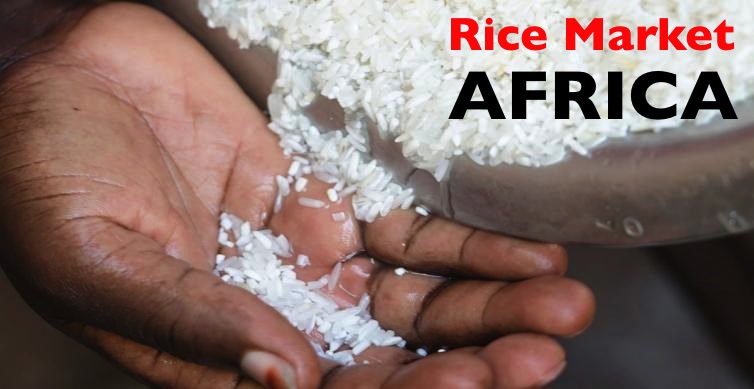
India's rice exports to Africa have been severely hampered as cheaper rice from China and Thailand begins to eat into India’s traditional markets in Africa. Indian exporters of rice are now seeking government intervention to salvage the situation in the form of incentives. Exports of non-basmati rice shipments fell to $294 million during April-May this year from $652 million in the corresponding period last year. India has around 50 per cent share in African rice market, estimated at around 15 million tonnes annually. The strengthening rupee against the dollar has made the Indian rice expensive in the world market, specially for importers of rice in Africa. An increase in minimum support price (MSP) for paddy has further added to the woes of Indian rice exporters. According to provisional data available, non-basmati rice exports from India to Africa have more than halved in the last year. The Rice Exporters Association of India has written to the Commerce Industry to "consider extending the 5 per cent incentive under the MEIS scheme and also extend the 5 per cent interest subvention scheme to non-basmati rice exporters". Chinese Rice Exports to Africa For rice importers in Africa, Indian non-basmati rice is expensive by 5-10 per cent compared with rice importers from Thailand, Vietnam, Pakistan and Myanmar. The situation of Indian rice exports to Africa has been further offset as the Chinese State agency COFCO is aggressively targeting new markets in Africa to liquidate old stocks of 3-4 million tonnes. COFCO is targeting markets in Africa, like Egypt, Benin, Senegal, Cote d'Ivoire, Somalia and Liberia. The entry of cheaper Chinese rice into the African markets has further compounded the problem for Indian exporters. India: Rice Exports to Africa India is the largest exporter of rice and accounts for a fourth of the global shipments. In 2018-19, non-basmati rice exports fell to 7.5 million tonnes from 8.8 million tonnes in the previous year. In value terms, the shipments fell to $3 billion during 2018-19 from $3.63 billion in the previous year. Top rice importers of non basmati rice from India in 2018-19 were: Nepal Benin Senegal Bangladesh Guinea Cote D Ivoire United Arab Emirates Somalia Indonesia Liberia Rice Exports to Africa Africa has become a major player in the international rice market, accounting for 20-30% of the total global imports. The rapid growth of Africa in the international rice trade business is due to its high consumption of rice as a food source in Sub-Saharan Africa. Africa produces 14.6 million tons of rice per year on an average on 7.3 million hectares, equivalent to 2.6 and 4.6 % of the world’s total production and area under rice, respectively. The rain-fed systems of West and Central Africa account for 78% of the regional rice land. West Africa accounts for 57% of the rice planted area in the region, amounting to 3.7 million ha. The West Africa region accounts for 42% of the total production, followed by North Africa (32%), East Africa (23.8%), Central Africa (1.2%), and Southern Africa (1%). Rice Importers in Africa The relative growth in the demand for rice in Africa is faster than anywhere in the world. The growing rice production in the region is attributed to land expansion by 70% and increase in productivity by 30%. By consumption, the region consumes 11.5 million tons of rice yearly. Due to the higher demand compared to production, the region is highly import-dependent for rice. The Middle East and Africa together account for nearly half of the total rice trade. While rice is a cash crop for small-to-medium-scale farmers in the Eastern and Southern Africa (ESA) region, it is more of a subsistence crop in West Africa, where most of the continent’s rice is produced. In comparison to the growing demand, rice production in the region is continuously growing at 5-6% every year. Export Rice to Africa Rice importers in Africa have been buying ever increasing quantities of rice from all across the world in order to meet the rising demand for rice amongst African buyers. According to industry reports, A frica imported 17 million tonnes in the last five years. Around half of the current global population – or about 3.5 billion people – relies on rice as a source of sustenance and livelihood. As local rice producers in Africa are not able to meet the rising demand for rice, importers of rice have been buying from overseas suppliers to meet the rising demand for rice amongst African consumers. List of Rice Importers in Africa The Africa Rice Importers Directory has been compiled with the sole purpose of promoting direct B2B contacts between African importers of rice and global suppliers. The Africa Rice Importers Directory provides exporters of rice a comprehensive database of importers of rice in Africa and helps them contact them directly. Online sales as well as email marketing has been playing an ever important role in promoting B2B contacts and generating sales leads – specially so in Africa where other forms of media and promotional tools are not as effective. By compiling a well researched list of rice importers in Africa, the Africa Business Pages has proved once again that it has been leading the pack when it comes to direct B2B promotions in the African markets.
Preliminary request for participation in the trade show
place
calendar_today
Preliminary request for visitor registration
Visitor Registration
place
calendar_today