

With 54 countries, Africa is a large continent with tremendous economic growth, investment, and rapidly rising living standards. Today Africa offers a host of opportunities for entrepreneurs and businesses across the world as it marches towards a better economic future. All across the African markets, national and regional economies are steadily accelerating their growth and attracting foreign investors from all across the world. This drastic change is driven by a number of factors, including more democratic and accountable governments; economic policies which increasingly favour and facilitate international trade; a new generation of policy-makers and business leaders; innovative information and communication technologies; an emerging spirit of entrepreneurship; and a growing middle class of relative prosperity with a taste for modern consumer goods. As a matter of fact, six of the world’s 10 fastest growing economies are in Africa, and the ease of doing business in Africa is improving to the extent that a good number of countries (including South Africa, Ghana, Mauritius and Tunisia) now outperform China, India, Brazil and Russia. FDI inflows to Africa have also registered year-on-year growth since 2010 and now amount to US$ 50 billion. Forecasts by industry experts are leading to optimistic outlooks among those early movers who have already identified the huge potential of the African continent with its one billion people spread across 54 countries. It is time for enterprising businesses to seize the opportunity and look at the African markets seriously. Population and Demographics More than 50% of Africa’s population is under 20 years old, making it the world’s youngest continent – in comparison only 28 % of the population of China is under 20 years old Almost 40% of the global population growth will be in Africa by 2050 500 million Africans are between the age of 18 and 24. By 2040, the forecast is 1.1 billion — more than in China or India Markets and Consumers Urban African consumers spend the largest share of their budgets (45%) on food and groceries –more than the average consumer in the BRIC countries Consumer expenditure is set to rise from USD 600 billion in 2010 to nearly USD 1 trillion in 2020 More than half of all African households are projected to have discretionary income by 2020 – corresponding to almost 130.000 households Consumer-facing industries (retail/wholesale, banking, telecommunication and tourism) in Africa are expected to grow by USD 400 billion by 2020, with apparel, consumer goods and food accounting for $185 billion Economic performance Average annual return on capital of African companies was 65-70% or higher than that of comparable companies in China, India, Indonesia, and Vietnam GDP growth for the continent is forecast to grow at 5.4% in 2020 and 5.7% by 2025 6 of 10 of the world’s fastest growing economies are currently in Africa FDI inflows to Africa have increased by 13.6% and FDI outflows by 55.6% in the last two years. Doing business in Africa Transparency International’s Corruption Perceptions Index ranks Botswana, Rwanda, Namibia, Ghana, South Africa, Liberia and Tunisia better than China and India in terms of the perceived corruption levels of public institutions African Economies: Marching Ahead in 2020 Africa’s fundamentals appear strong, and the continent’s outlook remains positive. The belief remains unshakable among Africans that tomorrow will be better than today and that is the kind of infectious confidence in which investments thrive. Many African governments are now embracing the right reforms and economic restructuring, building the right institutions, growing resilient economies and making the right policy choices, including diversifying their economies away from oil earnings, gas and mining to the massive job-creating promise held by agriculture and small and medium-size enterprise and business creation. The global economy is to gain greatly from high-performing Africa that can be the next global growth pole and its next market. Global prosperity will expand if Africa grows and prospers. The message to any company or investor still not in Africa is that today is the day that business in Africa is made and it might already be too late tomorrow. Africa is the now, no longer the future. The Africa train has already left the station. You are either on it or you risk becoming irrelevant. The time to get into Africa is now.

Only a quarter of Africans have access to the Internet, but the region is seeing the strongest growth, according to latest statistics. For the first time, more than half of the world’s population is now using the Internet and it is estimated that 51.2% of the global population, or 3.9 billion people, are now connected to the Internet. However, the strongest growth is reported in Africa, where the percentage of people using the Internet increased from just 2.1% in 2005 to over 25% in 2019. In 2019, more people in Africa accessed the internet than did in Latin America, North America, or the Middle East. There were 525 million internet users in Africa, 447 million in Latin America and the Caribbean, 328 million in North America, and 174 million in the Middle East. One out of five African internet users is believed to come from Nigeria which has an internet population of 112 million. This is probably because this West African country has one of the cheapest mobile data prices on the continent. A recent study ranked Nigeria as the 11th African nation with an average price of $2.22 for 1 Gigabyte (GB). Out of 57 African nations, Rwanda came out on the top with the cheapest average price of $0.56 for 1 GB data. It takes an average of over seven hours to download a five-gigabyte file in HD in Nigeria and only eight minutes to download the same file in Taiwan. It is no surprise that Nigeria’s internet download speed is ranked 176th out of the 207 countries measured globally. Overall, there is only one African country on the list of the top 50 fastest-performing countries and 25 on the list of the world’s 50 slowest-performing nations. Clearly, Africa may have rapid internet growth but it still has a long way to go when it comes to speed. About 40 percent of all Africans are now online, but usage varies from country to country. In Kenya it was 83 percent; in South Africa, 56 percent; and in Nigeria, 60 percent. However, Nigeria is so much bigger in population than any other African country, its citizens comprised about 20 percent of all African internet users. Though Africa is behind only Asia and Europe in the absolute number of internet users, it lags behind every other region in the proportion of internet users. The good news, simply put, is that 40 percent of all Africans have access of some sort to the internet. On a continent in which, by and large, newspapers are expensive, telephone landlines are underdeveloped, authoritarian governments seek to manipulate the media, and most people have traditionally received news from the radio, often broadcasting in local languages, the internet provides access to a new and much bigger world. The downside, of course, is that the internet is unfiltered, with both wisdom and garbage. There are also fewer ways to verify internet stories than in other parts of the world where other forms of media are more developed. Internet penetration in Africa is likely to grow at a faster rate than elsewhere in the world, and the fact that there are already more than half a billion internet users in Africa raises the possibility of a greater number of profound social, political, and economic changes. Internet usage may be a sign that the African giant is awakening. More than 90% of the population in Sub Saharan Africa was covered by 2G networks at the end of 2017 and six new 4G networks launched in the first half of 2018. As such, GSMA estimates that there are presently 120 such networks in the region and they state that these new networks combined with the market of cheaper smartphones help drive the transition to mobile broadband in this region. Future projections are that 3G will account for 60% of all mobile connections by 2025. Smartphone and mobile Internet usage have, and will continue to, grow all across the globe. With smartphones being the primary source of connection to the Internet globally, the necessity of the devices will only become more demanding in years to come. In Sub-Saharan Africa, there are populations that are farther along in their adoption process than others, yet the process is moving rapidly. Africa is definitely a region to watch as the race to increase global mobile Internet penetration continues, especially as the youth in Africa come-of-age.

Business Ideas For African Market
folder_open Articles , Business Outlook
Africa is a highly resourceful continent with a great return on investments if you can be able to strategise and tap into the huge market. With a population that is almost equal to 1 billion people, your market cannot be bigger. The problem, however, being faced by a lot of people is knowing the right African business idea to invest in. It may be a bit more challenging for those who may not fully understand the African market to invest in but one thing that is more than certain is the huge opportunities the black continent offers to potential investors and marketers. We bring you some ideas you may want to consider if you want to do business in Africa Agricultural Support Platforms Africa is well-known for agriculture as most of the countries therein largely depend on agriculture as the major source of income and foreign exchange and any investment in this sector with a technological backbone has the potential to scale up and become highly profitable. Have a mobile food service that allows you move your restaurant to serve breakfast, lunch, snacks, sandwich and casual drink close to workers or a technological platform that allows you identify food availability. Investments in Banking and Financial Services Africa is currently perceived as a new land of opportunity by the world. The current fight for access to Africa by the west and the Chinese buttress this fact. Stocks in African companies are now seeing better investments from expatriates living in Africa are now better off investing their money in African banks or companies’ stocks than into their own banks and economies. Creating tools and services for this community to provide investment advice and personal financial planners to intending investors and those willing to learn the African market. This opportunity could be packaged in the form of a confidential investment newsletter, market research agency, investment boutique, index fund, index tracker agency. E-libraries and e-books study platforms for students The trend towards digital library is soon going to envelop the black continent. Africa will soon by-pass the area of huge physical libraries which require a lot of funding, logistics, and infrastructure and go directly to digital libraries where students and citizens could access millions of books and materials through mobile devices and tablets. Smart entrepreneurs may want to explore this opportunity to negotiate the deals, clear the path of adoption and build the necessary platforms that will support this revolution and start off a new trend of business in Africa. Investments in Housing Africa has a huge housing problem in all its urban areas especially as most people rather go to live in urban areas than in the rural areas. The government is overwhelmed by housing projects and integration with private investors in this area will meet the need of a lot of people who in return, will drop their cash. Field Data Collection Services If there is anything that lacks in Africa, it is access to valuable data. Independent projects monitoring and translating data is one of the sectors that is completely naive in Africa. To enable the international community fund their project adequately, they need access to such valuable and raw data. Currently, this job is done by hiring huge consulting firm in Europe and the west which spend a lot of money subcontracting it out to other smaller firms to gather and organise their data. An African company that will specialise in field services and data collection will be able to fill this gap and become a valuable resource to the international community. Procurement and Logistics Most African countries still lack a reliable and large-scale procurement outsourcing services providers in front a huge and growing demand either by local entrepreneurs, and administration or by international organisations, this presents a huge opportunity for entrepreneurs interested in procurement and logistics sector. This sector offers an amazing platform to serve the ever growing need to supply work equipment and bridge the gap between technologies in Africa. Energy Sector Here comes one of the biggest challenges faced in Africa. The secret of making profits is by providing the services that meet the needs of people and in return, they offer you money and if your price is competitively low, you have a lot of subscribers and you make more money. The energy sector is one sector that is promising. Any capitalised company with interest in African energy sector with the right connections would be able to break new ground. E-commerce E-commerce in Africa is still at its infant stage. While the biggest challenge faced by this sector is online fraud, anyone who comes out with a way to sanitise or limit the risks within the online environment will be able to reap the benefits of this huge market. A ready and customer-friendly service will help gain some trust for anyone trying to venture into this field. Intellectual Property and Patents Protection Services As seen in the developed countries, African businesses will gradually start to pay close attention to their brands and Intellectual Properties (IP). There would be a need for IP companies to structure the groundwork for monitoring and identifying breaches and taking actions against IP offenders. e-government or Mobile-Government The social media, internet, and mobile technology serve as a great empowerment tool in the hands of a concerned government. Building a platform that allows government-citizen interaction with a rating and shared ideas on implementation will go a long way in bringing about a transparent government and of course with proper backing and monetization strategies, a good return on your investment. These are a just a few of the business ideas that would work in Africa when pursued from the right angle. This too is an opportunity that is waiting to be tapped.
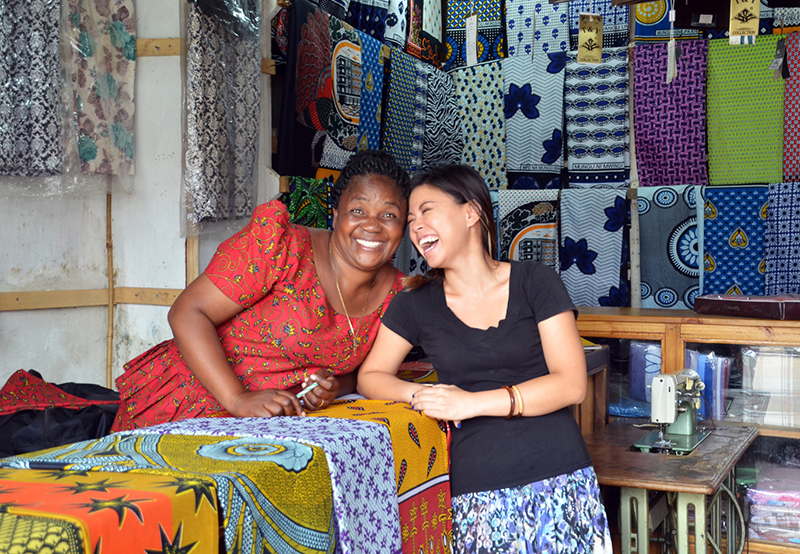
Tanzania has earned the distinction of being among the world's 10 fastest-growing economies. The east African nation grew at the rate of 6.8 per cent, according to the 2020 African Economic Outlook report. Other five African countries that have been making impressive growths are Rwanda (8.7 per cent), Ethiopia (7.4 per cent), Côte d'Ivoire (7.4 per cent), Ghana (7.1 per cent) and Benin 6.7 per cent. Not only did Tanzania achieve the highest growth rate among African countries, it’s inflation also fell to 3.3 per cent in 2019 due to improved food supply. The Tanzanian shilling also stood fairly stable in 2019, exchanging at an average of 2,290 to the dollar, compared with 2,263 in 2018. An impressive growth in the middle class of Africa has seen a steady rise in demand for consumer and capital goods all across Africa. The East Africa region has emerged as the continent's fastest-growing regions with an average growth estimated at five per cent in 2019; North Africa is currently the second-fastest, at 4.1 per cent, whereas West Africa's growth has been recoded at 3.7 per cent in 2019. The 2020 African Economic Outlook report predicts that Tanzania's growth will to be stable at 6.4pc in 2020 and 6.6 per cent in 2021. Overall, Africa's economic growth stood steady at 3.4 per cent in 2019 and is expected to pick up to 3.9 per cent in 2020 and 4.1 per cent in 2021.

Exports from Dubai to Africa Grow
folder_open Business Outlook
Dubai has emerged as one of the leading supplier of goods and all kinds of consumer products to Africa. Shipping lines plying the Dubai-Africa route are experiencing a welcome rise in business with the coming of African bulk buyers during the last decade. Among the major destinations of UAE exports are Nigeria, Mauritania, Senegal, Gabon, Ghana and the Ivory Coast in West Africa, and Tanzania, Uganda and Kenya in East Africa. On an average, freight rates to Africa cost around $2,200 to $2,600 for a 20-foot container, which has a capacity of 21 tonnes. For a 40-foot container with a capacity of 26.5 tonnes, current rates are between $4,900 and $5,600. Certain trade sectors in Dubai have reported substantial increase in demand from African countries in recent years. A growing number of African buyers are travelling to Dubai to purchase a wide variety of goods and to make direct contacts with suppliers and manufacturers in the UAE. Dubai's Exports to Africa Dubai’s trade with Africa, estimated at $45 billion, has grown beyond its traditional trade partners in Africa like Egypt, Ethiopia, Kenya and Uganda to new and emerging markets like Nigeria, Angola, Benin, Cameroon, Mozambique, Tanzania, Eritrea and Ghana. According to recent study conducted by Africa Business Pages, exports from Dubai to Africa constitute 10 per cent of the emirates total trade. In recent years, Africa has emerged as the largest export market for Dubai wholesalers of consumer electronics and IT equipment. Dubai’s trading ties with Africa go back decades and the emirate has been trading with many African countries much before the discovery of oil and the formation of the UAE Federation. Traditional trade partners in those historic days used dhows trade with the ports of Zanzibar, Somalia, Kenya and Tanzania was once dominated by Arab traders. Somali cattle have been imported in the Gulf countries since historical times. So trade between Africa and Dubai has a long and illustrious history. Emirates Opens New Trade Corridors in Africa Emirates airline has also played an instrumental role in the improving bi-lateral trade between Africa and Dubai. By operating direct flights from Dubai into many African countries, Emirates airline has helped in building new trade routes in the African markets as well as contributing to the rise in African passenger traffic to Dubai. Africa-Dubai Trade Grows New and liberal economic policies adopted by many African countries have also attracted foreign investments in industrial and manufacturing projects - mainly in the several Export Processing Zones (EPZs) that have come up in countries like Kenya, Uganda and Tanzania in recent years. This has resulted in greater demand for capital goods, machinery and raw material – a demand that is being met by many Dubai-based enterprises. The growing demand for goods in Africa is clearly reflected in statistics. The improving economic and political situation in many East African countries has resulted in greater buying power for the average person in Africa and has in turn boosted demand for consumer goods. The surge in the number of African visitors is a new phenomenon, although Dubai has traditional links with East Africa. According to data available, from a mere 6,954 in 1984, the number of visitors from African countries shot up to over 100,000 now. Most of them came from Ethiopia, Kenya, Uganda, Nigeria, Cameroon and South Africa.
Chinese goods have been gaining increasing popularity in the African markets and Chinese companies are exporting in huge quantities of a wide variety of products directly into many African countries. In the last few years, China's trade with Africa has been growing with leaps and bounds, as has Chinese investments into several African nations. In 2018, China-Africa trade reached US$204.2 billion, up 20 percent year-on-year, and China has emerged as Africa's largest trading partner for 10 straight years. Price-sensitive markets in Africa are hungry for cheaper-priced Chinese goods. Wholesalers, traders and merchants in Africa have also been quick to meet the rising demand for Chinsese goods in Africa and are now sourcing a large portion of their requirements from China. Africans Buying from China By cutting out the middlemen and buying directly from Chinsese manufactures has also helped them increase profit margins. This trend of buying from China and selling locally and regionally is being repeated in almost all African countries and the result is clearly visible in almost all African markets that are now flooded with low-priced Chinese goods – whether it is tyres, automobile parts, stationery, perfumes, cosmetics, computer hardware, furniture or machinery, China has dominated the African markets in the last decade. The main products China exports to Africa are machinery and electronics, textile and apparel, hi-tech products and finished goods, while imports from Africa concentrate on crude oil, iron ore, cotton, diamond and other natural resources and primary goods. To help the countries in Africa expand exports, China has exempted import tariffs for certain commodities of these countries. China has announced the names of over 25 African countries that enjoy zero tariff treatment and special preferential tariff rate for exports of some 190 products to China, ranging from food, mineral product and textile, to machinery and electronics. In fact, Africa’s resource-rich nations are getting even more reliant on China for their exports. China imports from China include crude petroleum from Angola and South Sudan, zinc and copper ore from Eritrea, cobalt from DR Congo, raw tobacco from Zimbabwe, besides iron and titanium from Sierra Leone. China in Africa China has committed to set up a $10-billion special fund for development financing, showcasing a possible change from a resources-for-infrastructure model of financial engagement. These statistics clearly show the increased trading activity between Africa and China. Chinese companies, known for their marketing and business skills, have been reaping rich dividends by promoting their products and services in the new and emerging markets of Africa. China-US Rivalry in Africa The battle for political and economic influence between the U.S. and China is playing out across Africa, and Beijing’s growing presence is troubling Western policymakers, experts say. Africa has become the fastest urbanizing region on the planet, and China has placed itself at the infrastructural vanguard of the new frontier. Chinese firms have been most active in building ports, roads and railways that will underpin integration and trade between African nations — an intention most recently exemplified across the continent in the landmark African Continental Free Trade Agreement (AfCFTA). The AfCFTA recently launched its operational phase, and eventually intends to bring together all 55 African Union member states into the world’s largest free trade area, spanning 1.2 billion people. U.S.-Africa trade has dipped in recent years, while China is now Africa’s biggest trade partner. Between 2002 and 2008, following the signing of the African Growth and Opportunity Act (AGOA), which provided tariff-free access to 6,500 products for qualifying sub-Saharan countries, trade between the U.S. and Africa grew to $100 billion. China recently launched a $1 billion Belt and Road infrastructure fund for Africa, and last year delivered a whopping $60 billion African aid package, further consolidating its robust economic influence.

A large number of African businesses use Dubai as their supply source. As a result, traders, merchants, manufacturers is Dubai have been eager to attract African buyers and have been doing roaring business in the African markets. The reasons why African buyers throng to Dubai are many. To start with, the lack of a reliable and well established manufacturing base in many African regions has forced both, African businesses as well as consumers, to look for overseas suppliers to meet the rising demand for capital and consumer goods. Against this backdrop, Dubai presents itself as a convenient and affordable market to source all kinds of goods at affordable prices. Comprehensive Range of Products Dubai offers a comprehensive range of products and services from all across the world – this helps African buyers compare prices and quality of goods from all across the world while buying from Dubai and choose the best products to suit their needs. A well established chain of retailers in Dubai offer a wide selection of goods at affordable prices to African buyers. As African buyers are mostly "cash customers", merchants in Dubai are able to offer them attractive prices too and welcome business from buyers from Africa. As a result, the wholesale market in Dubai is very active in promoting re-exports to Africa and African buyers generally buy in bulk from suppliers in Dubai and then undertake retail selling in their own countries as well as neighbouring countries, at a very healthy profit. Traders from Kenya, for instance, have been buying from Dubai bulk quantities of low-priced tyres, batteries and spare parts and distributing the same to nearby countries of Rwanda, Burundi and the Democratic Republic of Congo. Bargain Deals This adds to the attraction for African buyers to Dubai who are looking for low-priced products that are in big demand in the price sensitive markets of Africa. Low import duties and direct supplies from manufacturers in the Far East and China have been responsible for keeping prices in Dubai lower than other markets in the region. Easy Availability of Goods Easy availability of goods in Dubai also attracts business people as well as consumers from Africa to Dubai's thriving markets and souqs. Dubai's geographical proximity to the African continent further adds to the lure. Shorter travel time, cheaper freight costs and easy availability of visa has helped Dubai attract a large number of African buyers to its shores. For instance, the cost of shipping a 40-foot container from China to Africa is approximately $ 2450 compared to just $920 from Dubai. Consolidation The biggest advantage in making their bulk purchases from the UAE, for African buyers, is that they can purchase just the quantities they require. While theoretically, it is possible for African buyers to source their supplies directly from manufacturers in the Far East, but, such orders would normally be for at least one container load, if not more. Most African buyers, on the other hand, do not require the merchandise in such large quantities and are more comfortable with sourcing smaller quantities of different commodities from Dubai, stuffing them into one or two containers and then shipping the goods to their African destinations. The fact that Dubai has excellent shipping connections means that African buyers can ship their purchases to literally any destination on the continent. Thus, not only do African businessmen have in Dubai the ideal location where they can find all their requirements in one city, but also have the means of transporting it back home very conveniently and cheaply. Price Sensitive Markets in Africa African markets are extremely price sensitive and most of the requirements originating from Africa are for low-priced goods. As a result, goods from China, Korea, Hong Kong and other Far Eastern countries have been more successful in African markets as compared to those from Europe and North Africa as they relatively lower priced. The decisive factor is that over the decades, Dubai has developed a substantial community of retailers, a sophisticated import system and substantial warehousing for stock. This has lead to the emergence of a keenly competitive market that ensures that prices in Dubai are as much as 10 to 15 per cent lower than in neighbouring markets. Dubai continues to be number one for buying anything from cosmetics to automobile spare parts and machinery. Africa Business Pages: Connecting Exporters in Dubai to Buyers in Africa With the emergence of Africa as one of the major re-export markets for the UAE, many Dubai-based exporters have begun concentrating their marketing efforts towards the ‘dark continent’. The AFRICA BUSINESS PAGES is one of the tools that is proof of how seriously Dubai businesses take the African market – most of the advertisers on this B2B portal are from Dubai – a testimonial to the importance attached to the African market by Dubai-based businesses. Africa Business Pages has also compiled a database of importers in Africa that has helped many international suppliers find buyers in the African markets. The Africa Importers Directories compiled by Africa Business Pages lists major importers, retailers, buyers and wholesalers in over 35 countries in Africa and is now available for direct download in Excel format at a nominal cost. This unique database of importers in Africa has helped international suppliers to establish direct B2B contacts with the business counterparts in Africa. Most suppliers use the database to conduct email marketing campaigns across several African markets while others use the list to send our their product brochures to their potential customers in Africa.
The Market for Furniture in Africa
folder_open Business Outlook
With the growing population in Africa demand for home and office furniture is simultaneously increasing. When people move into a new home, they need a bed to sleep on, wardrobes for their clothes, chairs, a dining table, sofas, kitchen cabinets and all kinds of furniture. Like households, offices also buy a lot of furniture too. African is fast emerging as an important market for furniture on a global scale. Total furniture imports into Africa amounted to more than US$ 5 billion in 2018. Ten main furniture importing African countries (each of them importing over US$ 100 million of furniture) are Angola, Morocco, Libya, Nigeria, Algeria, Kenya, Egypt, Ghana and Sudan. Furniture Market in Africa Africa is a huge pool of population, which is projected to expand and grow rapidly. By 2050, 2.4 billion more people are expected on the planet out of which 1.3 billion are expected to be born in Africa. The majority of the world’s population growth is expected to take place in Africa – making the continent one of the most attractive markets in the world. Africa’s rapidly growing urban population and their spending capacity, along with the growing economy are the primary reasons why furniture business is enjoying the best time of its life. Rapid Urbanisation in Africa Urbanisation process is expected to be very rapid, particularly in Sub Saharan Africa and large urban areas will be the frontiers of economic growth with important implications for the increase of furniture consumption. Despite political instability and relative poor infrastructure level in some areas, there is evidence of numerous urban centres, which offer potential for growth for the furniture market. These cities are increasingly diversifying their economy. In recent years, huge investments have been made in real estate, tourism and hospitality industry, culture and entertainment, which have boosted demand for the furniture sector. More and more number of people are moving to cities from villages, in order to seek better medical facilities, education, sanitation and employment opportunities.At the current rate of growth, more than 500 million Africans will move to cities by 2030. As the population in African cities and towns increases, this will naturally create a profound and genuine need for real estate; residential accommodation, office space, hotels and schools everywhere in Africa. Office buildings, hospitals, schools, luxury hotels, premium guest houses, residential apartments and societies, shopping malls and theatres are being constructed everywhere in African cities. As this trend of more people moving into new homes and establishing new business offices continues, furniture will be required. When new schools are built, desks and chairs will be needed. New hotels often require skillfully designed beds, stylish wardrobes and various other fixtures and fittings. Furniture Importers in Africa This is just a short glimpse of a rewarding business stream which is waiting to be explored. Several African countries have good potential for developing their furniture industry, both for internal consumption and for exports. The more promising prospects are in South Africa, Egypt, Morocco and Nigeria, but also Namibia, Tunisia, Kenya, Zimbabwe are possible candidates for a relevant expansion of their furniture production.The global economy is prophesized to grow by 2 to 3 percent between the years 2011- 2020. Africa is projected to grow approximately by 6%. The reason behind these projections is the rising middle class in the African cities. These people are the dwellers, who migrates from the rural areas and villages to the cities for employment prospects. This class includes salaried job holders, small and medium scale business owners. The sales for the imported custom made furniture has been increasing since the last 3 years. In order to start up furniture business in Africa, one should know the needs and demands of the customers being targeted. Some buyers are more concerned about beauty, quality and durability of the furniture, and will pay high prices to get furniture that meets these requirements. Some other buyers are highly influenced by cost and their choices are restricted to the price of the furniture. They will love to have beautiful and high quality furniture only if it can fit into their budget. Some customers prefer imported furniture and some prefer the local one. The key to succeed and make money is the ability to fulfill the needs and taste of buyers. Some of the countries like Nigeria, in order to develop the local furniture industry and to create the employment opportunities introduced a ban on the imported furniture. In countries like these, it is advisable to form joint- ventures with the local manufacturers. There are certain advantages which one could get in forming a collaboration with local manufacturers. It will provide you a platter of the information about the latest market trends, taste, opportunities and much more. Not much research and development would be required. Furthermore, setting up a business in a joint venture with local manufacturer would prove to be cost effective as compared to establishing one’s own enterprise. Export Furniture to Africa East Africa furniture market alone is estimated to be worth $1.2 billion. Kenya is rated as the dominant market in the East African region with furniture imports worth $89 million in 2018. South African Furniture Market South African manufacturing sales of furniture at current prices amounted to R16 billion in 2018. South Africa has a total of 2,200 registered companies in the furniture manufacturing sector, employing 26,400 people. During 2018, South Africa was Africa's second-largest furniture exporter, with exports reaching R4.2 billion. North Africa: Increasing Demand for Furniture Algeria is the largest consumer of furniture in North Africa, followed by Egypt and Morocco, with local manufacturers accounting for more than 68% of the furniture market. Egypt, Algeria, and Mauritania have very low market exposure. West Africa Nigeria is the largest consumer of furniture (a fast-growing market), followed by Ghana and Ivory Coast. In West Africa, local manufacturers account for more than 70% of the furniture market. Central Africa Consumption level for both home and office furniture is the lowest in Central Africa, with local manufacturers accounting for 64% of the furniture market. The largest consumer is the Democratic Republic of the Congo, followed by Cameroon and Gabon. East Africa Ethiopia is the largest consumer in the East Africa region, followed by Kenya, Tanzania, and Uganda. The fastest growing markets in the region are Ethiopia and Uganda. Southern Africa Africa’s second largest furniture market is the Southern Africa region. Local manufacturers account for 50% of the furniture market while the other 50% is mostly imported from various parts of the world. South Africa is the largest furniture import market, followed by Angola with broad growth prospects. North and Southern Africa import the most in Africa. Southern Africa accounted for the highest share of imported furniture consumption, accounting for 37%, while North Africa accounted for 30%. Nigeria: An Important Market for Furniture The Nigeria furniture market is a thriving one thanks to the government’s decision to place an embargo on the importation of furniture into the country. The goal of the decision to ban the importation was to protect the local industries involved in the manufacture of these furniture items and this has been of huge benefit. Although the finished products in Nigeria are yet to be at par with those from countries like Italy and Spain however it is clear that progress is being made in the industry. One of the advantages of local manufacturing of furniture is the low labour costs which enables these items compete on price with their foreign counterparts as the cost of labour, freight charges and the import duties often make them expensive. However, there is still more to be done in terms of empowering local manufacturers in the Nigerian furniture market as there are some foreign competitors with factories in the country. If this can be done, the quality of local furniture can be as good as that of their foreign counterparts. The bottom line is that the projected increase in the demand for home and office furniture in Africa is driving the growth of furniture industry in Africa. It’s the perfect time to invest in this booming sector! Africa Furniture Importers Directory Furniture importers in Africa have been buying ever increasing quantities of furniture from all across the world in order to meet the rising demand for both home and office furniture amongst African buyers. As local furniture manufacturers in Africa are not able to meet the rising demand for furniture, importers of furniture in Africa have been buying from overseas suppliers to meet the rising demand for furniture amongst African consumers. The Africa Furniture Importers Directory has been compiled with the sole purpose of promoting direct B2B contacts between African importers of furniture and global suppliers. The Africa Furniture Importers Directory provides exporters of furniture a comprehensive database of importers of furniture in Africa and helps them contact them directly. Online sales as well as email marketing has been playing an ever important role in promoting B2B contacts and generating sales leads – specially so in Africa where other forms of media and promotional tools are not as effective. The Africa Furniture Importers Directory can be downloaded now in Excel format for a nominal cost. Many furniture exporters and manufacturers have used the directory to contact their potential buyers in Africa, send them product catalogs via email, conduct email marketing campaigns to their target audience in Africa and develop direct contact with importers of furniture in over 35 African countries. By compiling a well researched list of furniture importers in Africa, the Africa Business Pages has proved once again that it has been leading the pack when it comes to direct B2B promotions in the African markets.
Airbnb is giving tough competition to Africa's overpriced hotels and has become a serious threat for the hotel industry in many African countries. Many hotel chains are putting pressure on African governments to regulate the world’s biggest accommodation-sharing site: Airbnb. Recently, South Africa’s hotel federation claimed that Airbnb was taking business away from registered hotels and eating into their profits and even went on to describ Airbnb as a “massive problem”. In countries like Kenya, Tanzania, and Namibia, governments have already brought in legislation to rope in the rising popularity of Airbnb. Kenya’s government is in talks with Airbnb to register all properties on the platform and start remitting taxes by July, 2019. In Tanzania, homeowners that our renting their properties through Airbnb have been ordered to register their facilities by September, 2019 or face arrest. The same thing happened in Namibia in 2017 – private home rentals with two or more bedrooms were ordered to register with the local tourism board. The restrictions from African governments reflects Airbnb’s rapid growth in Africa and the increased appetite from both local and international travelers to use the platform instead of overpriced hotels – especially in off-beat destinations that might not have established hotel outlets. These government moves also signal efforts by the local governments to retain the major share of tourism revenues, which form critical parts of the national gross budgets for many African countries. The fightback from the African hotel sector also comes as major hotel chains expand across the continent, looking to both bridge the scarcity of top-notch quality hotels and tap into the growing number of tourists and business travelers. Airbnb itself recently bought into the hotel sector by acquiring booking application HotelTonight, a crucial move as it gears for an initial public offering. The demands to rein in Airbnb is also symptomatic of the challenges facing global companies like Uber and Netflix in Africa, whose disruptive services have been accused of flouting local regulations, short-changing customers, and avoiding taxes. For instance, Africa’s dominant television service MultiChoice blames multinational streaming services for a loss of 100,000 subscribers, arguing also that Netflix and Amazon were able to rake in higher profits on lower subscription fees because they were not subject to local rules and taxation plans. South African Hotel Industry Protests The opposition in South Africa is especially worrying for Airbnb given how much success the company has had in the country. Five years of Airbnb listings brought $247 million to South Africa, with Cape Town as the most popular with over 17,000 listings. The accommodation association in the southeastern city of Port Elizabeth also complained of Airbnb’s growing influence, saying the platform made $430,000 in the city, a 65% increase from December 2017. Taking note of some of these complaints, South Africa amended its Tourism Bill to include “short-term rentals”– meaning once the bill becomes law, Airbnb listings will follow the same regulations as the rest of the hospitality industry, including being subject to the tourism board’s official grading system. Overpriced Hotel The tourists are happy though – finally there is an alternative to some of Africa's grossly overpriced hotels. By providing competition to hitherto unchallenged monopoly of the unfair rates demanded by many African hotels, Airbnb will contribute in the growth and development of the hotel industry across Africa. After all, competition breeds quality!

Boom Time for Africa's Aviation Industry
folder_open Articles , Business Outlook
Africa’s aviation industry is experiencing a boom time as the continent continues to increase airline frequency to the GCC and other destinations around the world. Undoubtedly, the potential for the aviation sector in Africa is immense as the African aviation industry continues to provide new opportunities for growth and expansion. The International Air Transport Association (IATA) projects that the African continent will become one of the fastest growing aviation regions within the next 20 years, with an average annual expansion rate of almost 5%. IATA predicts that Africa will become one of the fastest growing aviation regions in the world by 2040. Currently, there are 731 airports and 419 airlines on the African continent, with the aviation sector supporting around 7 million jobs and generating $80 billion in economic activity. In terms of passenger numbers, 47 million passengers departed from Africa’s top five airports, which included Cairo, Addis Ababa and Marrakesh in 2018, according to the latest ANKER report. “Emirates and Saudia were only responsible for 8 million of those passengers, highlighting the potential for new routes throughout the continent and between the Middle East and Africa. Furthermore, IATA reckons if just 12 key Africa countries opened their markets and increased connectivity, an extra 155,000 jobs and US$1.3 billion in annual GDP would be created in those countries. The international aviation industry has been monitoring developments in Africa closely, especially since the Single African Air Transport Market (SAATM) agreement was drawn up in January 2018. The aim of SAATM is to open up Africa’s skies, allowing airlines to fly between any two African cities without having to do so via their home hub airport, boosting intra-Africa trade and tourism as a result. To date, 28 countries out of 55 member states have signed up to SAATM representing over 80% of the existing aviation market in Africa. However, despite its rosy outlook, the sector still faces significant challenges, indeed, protectionist trends have resulted in a rather lacklustre response from many members, concerning competition rules, ownership and control, consumer rights, taxes and commercial viability. “These mechanics are integral to an open sky treaty and necessary to resolve existing differences between airlines and provide an equitable way forward. Sixteen countries in Africa are landlocked, so the pent-up demand for affordable air transport must be considerable,” said Karin Butot, CEO, The Airport Agency “These, as well as other salient issues, will no doubt be discussed at length between senior network planning teams and high-level executives representing the aviation and tourism industries, in Africa’s as well as the Middle East & Asia, through unlimited one-to-one pre-scheduled networking appointments,” added Butot.
Preliminary request for participation in the trade show
place
calendar_today
Preliminary request for visitor registration
Visitor Registration
place
calendar_today