

African buyers are snapping attractive deals in Dubai's fast-changing real estate market. Investors from Nigeria, for instance, have been among the top buyers of property in Dubai from Africa. African investors buying property in Dubai range from those fleeing high interest rates or economic uncertainty to super rich VVIPs, who include Africans looking for a safe haven for their money or to relocate to a safer and more attractive lifestyle far from their country of origin. Following in the footsteps of the "big buck" investors from Africa is a flood of ambitious, aspirational Africans, including the younger generation of tech startup entrepreneurs, social media influencers, cryptocurrency gurus who are shifting to Dubai in search of a richer, wider global audience. As a result, many real estate agents in Dubai are looking for opportunities to sell to African buyers, specially HNWIs, entrepreneurs, institutional investors and affluent African business persons. Interestingly, majority of Africans buying properties are relocating permanently to Dubai. The answer to that is simple – Dubai is one of the most dynamic and rapidly growing cities in the world, poised for even higher growth ratesin the coming years. Dubai also offers endless possibilities and opportunities to create wealth and enjoy a higher standard of living. By investing in Dubai real estate, African investors are able to join the many successful investors who have already taken advantage of the city's robust property market and experience the benefits of owning property in one of the world's most sought-after destinations. Experts believe that skyrocketing property prices in Dubai has attracted African investors who have made investments in buying a small property in Dubai, then sold it at a profit after some time – a practice known in the real-estate parlance as ‘flipping’. It is believed that most African buyers prefer buying property around $1 million (AED 3.67 million), although some African investors have bought as many as 5 or more properties at that price. Financial Ease Most African buyers also feel that it is relatively easier to transfer money to Dubai in order to make property purchases. Most banks in Dubai ask all investors to follow the procedure of know-your-customer (KYC) regulations and to comply with stipulated measures that have been in place to avoid money laundering transactions. Most Africans buying properties in Dubai comply with all these regulations and are now reaping rich benefits from the real estate investments. As a rule, most real-estate brokers check the names of buyers against two lists – the UAE local terrorists list as well as the United Nations Security Council Consolidated List. If any investor's name is present on any of these lists, the transaction is flagged and reported to the concerned authorities. Market Projections The market has not yet reached its peak with international demand based on “push factors” bringing people to the UAE, including the war in Ukraine but also the cost-of-living crisis, rising taxes and natural disasters, which are likely to continue. Off-plan properties offering a hedge against higher interest rates as well as luxury homes are likely to be prominent. According to data provided by the Dubai Center for Statistics, Dubai’s population is expected to grow to 6.2 million by 2040. This steady population growth will lead to more real estate projects, thereby making the Dubai property market an attractive investment opportunity. Not to mention the increased domestic sales as more and more residents opt to buy property instead of renting. Nigerians: Leading Property Buyers from Africa in Dubai Real Estate Market Nigerians have, by and large, emerged as one of the leading buyers from Africa buying property in Dubai. As a result a growing number of property consultants in Dubai are now targeting potential property buyers in the HNWI sector in Nigeria. This year Dubai's property market started to rebound and recover from the COVID inflicted economic recession and Nigerians have emerged among top foreign investors in the property sector in Dubai. Traditionally too the rich Nigerian have been known to invest in buying second homes in London, New York and Paris where they prefer to shop and holiday. Today, Dubai has emerged as one of the top destinations for property acquisition by rich Nigerians. Even during the COVID pandemic upto $6 billion had been invested in Dubai's property market by Nigerians during three years between 2019 to 2021. Why Africans invest in Dubai's Property Market For Africans investing in Dubai’s real estate sector it is a convenient process – as investors don’t have to complete arduous paperwork to make an investment as is the case in many other countries. An added incentive is the fact that purchasing a property worth AED1 million or above automatically makes the buyer eligible for a residence visa. The UAE government has also been one of the largest Middle Eastern investors in Africa and is planning to further strengthen bi-lateral trade and investments by opening new avenues to diversify two-way investments. As a result, Africans feel welcome in the UAE and are increasinly looking for longterm property investment opportunities in the UAE real estate market. Advertising in Africa – Real Estate Leads from Africa Africa Business Pages has been promoting Dubai's real estate sector among African investors through its multi-pronged advertising verticals to generate authentic business leads for real estate developers and real estate agents in Dubai. By connecting buyers with sellers, Africa Business Pages has contributed in further consolidating FDI between Africa and Dubai. African Business Pages has a database of over 2.2 million registered users in Africa. Using this unique database, the dedicated digital marketing team at Africa Business Pages is able to reach potential buyers in Africa and redirect them to developers and real estate agents in Dubai. From email marketing, social media promotions to WhatsApp marketing and content marketing, the team at Africa Business Pages is able to reach potential buyers in Africa and connect them with the right developers and real estate agents in Dubai. Database of HNWI / Property Buyers & Investors in Africa Africa Business Pages has compiled a dedicated database of High Net Worth Individuals (HNWI) in Africa who could be potential buyers in property and real estate projects in Dubai and other parts of the world. The database of property and real esate leads from Africa aims to further consolidate the direct investments from African buyers into Dubai booming real estate and property markets. By providing possible leads for property developers in Dubai as well as real estate agents in Dubai the database of African property buyers compiled by Africa Business Pages has helped connect property buyers in Africa with real estate developers and agents in Dubai. Property dealers and real estate developers in Dubai have been able to generate buyer leads from Africa using the Africa HNWI Directory and their target audiences like: Property Buyers from Angola Property Buyers from Botswana Property Buyers from Cameroon Property Buyers from Congo Property Buyers from D R Congo Property Buyers from Cote d'Ivoire Property Buyers from Egypt Property Buyers from Ghana Property Buyers from Kenya Property Buyers from Madagascar Property Buyers from Malawi Property Buyers from Mali Property Buyers from Mauritania Property Buyers from Mauritius Property Buyers from Morocco Property Buyers from Mozambique Property Buyers from Namibia Property Buyers from Nigeria Property Buyers from Rwanda Property Buyers from Senegal Property Buyers from South Sudan Property Buyers from Seychelles Property Buyers from Somalia Property Buyers from South Africa Property Buyers from Sudan Property Buyers from Tanzania Property Buyers from Tunisia Property Buyers from Uganda Property Buyers from Zambia Property Buyers from Zimbabwe Available exclusively on Africa Business Pages, the African HNWI Directory lists affluent African business people and potential buyers of overseas properties in as many as 25 African countries. By connecting with potential buyers in Africa, real estate developers and property agents are able to reach their target audiences in key African makets. Available for instant download, the Africa HNWI Directory is a perfect resource for those looking to reach potential property buyers in Africa.

Africa is indeed experiencing a significant shift towards digital printing, which is quickly overtaking conventional analog printing in various sectors such as packaging, advertising, and publishing. This trend is not only transforming the printing industry but also creating long-term revenue opportunities for businesses operating in these fields. There are indeed an estimated 2,000 commercial printing companies operating in Africa, ranging from small and medium-sized enterprises (SMEs) to micro-enterprises. These companies play a vital role in the printing industry, catering to a diverse range of clients and providing a wide array of services. In addition to the commercial printing companies, there are approximately 1,000 other companies in Africa that offer pre-press and post-press services. Pre-press services involve activities such as layout and design, which are crucial in ensuring that the final printed product meets the client's expectations. On the other hand, post-press services encompass various processes including binding and finishing, which give the printed materials their final touch. The presence of such a significant number of printing and related service providers across Africa reflects the growing demand for printing services in various sectors. Digital Printing in Africa The rise of digital printing in Africa is fueled by several factors. Firstly, digital technology offers greater flexibility and customization options, allowing businesses to cater to the specific needs and preferences of their clients. Digital printing also enables faster turnaround times, as it eliminates the need for cumbersome plate-making processes required in traditional printing methods. This speed and agility are particularly beneficial in industries requiring quick production, such as advertising. Among the different digital printing techniques, laser printing holds immense potential for further expanding the adoption of digital technology in Africa. Laser printers offer high-quality, precise prints with sharp details, thereby making them ideal for various applications. Moreover, laser printers are well-suited for producing a wide range of materials, including brochures, labels, and packaging materials, just to name a few. This versatility positions laser printing as a key driver in the continuous growth of the digital printing environment in Africa. As the digital printing industry continues to evolve and gain momentum in Africa, it is expected to bring about numerous advantages. For instance, digital printing can significantly reduce waste by allowing businesses to print the exact quantity required, thereby minimizing excess inventory. Additionally, it enables the personalization of printed materials, helping businesses create more engaging and targeted content for their audiences. In conclusion, the rapid development of digital printing in Africa, especially in packaging, advertising, and publishing sectors, presents exciting opportunities for businesses to embrace new revenue streams. With laser printing leading the way, the digital printing environment in Africa is poised for further growth and innovation. Africa's Print Industry As per the latest reports, the global printing market is experiencing steady growth, with optimistic projections for the coming years. In 2021, the market size was estimated to be $311.53 billion, and it is expected to reach $322.43 billion by the year 2022, indicating a compound annual growth rate (CAGR) of 3.5%. This growth trajectory is expected to continue, as the printing market is projected to further expand to $350.2 billion by 2026, with a CAGR of 2.1%. Dramatic rises in commercial printing are significantly attracting local and international players to invest in the African market, according to Transparency Market Research in a report on Africa’s printing market. It's worth noting that the growth in the global printing market is not limited to specific regions. Even in Africa, the printers market is expected to experience substantial growth, with an estimated value of over US$ 235.3 million by the end of 2031. This indicates a promising future for printing in Africa, as it presents ample opportunities for industry players to tap into a growing market and seize these emerging possibilities. These figures reflect the dynamic nature of the printing industry, which continues to evolve and adapt to the changing needs and demands of businesses worldwide. With the advent of new trends and technologies, the printing industry is witnessing a paradigm shift in how printing services are offered and consumed. From innovative printing techniques to the integration of cutting-edge digital solutions, the industry is embracing these advancements to enhance productivity and provide more efficient printing solutions. 3D Printing in Africa With the convergence of new trends and technologies, the printing industry is poised for a transformative journey ahead. From 3D printing and variable data printing to eco-friendly printing methods, the sector is at the forefront of innovation. This evolution is driven by the increasing demand for personalized printing solutions, sustainable practices, and efficient production processes. The printing industry's growth globally and within Africa signifies the industry's resilience and willingness to embrace advancements in order to meet the evolving needs of businesses and consumers. As trends and technologies continue to shape the future of printing, the industry is well-positioned to unlock new opportunities and drive further innovation in the years to come. Print Service Providers in Africa Cybersecurity has emerged as one of the top priorities for businesses across various industries, as they continue to grapple with the aftereffects of the pandemic. In this new era, where remote work and digital transformation have become the norm, organizations must be vigilant in safeguarding their systems and data against cyber threats. Within the realm of print services, Print Service Providers (PSPs) will need to give utmost importance to print security in the coming years. As PSPs often handle print projects involving multiple stakeholders, the risk of security breaches increases exponentially. With the rise of hybrid work environments, where employees alternate between working remotely and in-office, new challenges have arisen when it comes to ensuring the security of sensitive information. Hackers and malicious actors have become increasingly sophisticated in their cyberattack techniques, constantly adapting and adopting innovative methods to exploit vulnerabilities within organizational networks. This ever-evolving landscape poses a significant threat to the confidentiality, integrity, and availability of crucial data and systems. To tackle this growing menace, PSPs must adopt a proactive and comprehensive approach to print security. This involves implementing robust security measures, such as encryption protocols, secure file transfers, and access controls, to safeguard sensitive information throughout the entire print workflow. Additionally, regular security audits and vulnerability assessments can help identify and address any potential weaknesses or loopholes in the system. Furthermore, educating employees and stakeholders about the importance of print security and promoting secure practices can significantly enhance an organization's overall cybersecurity posture. This includes creating awareness about common cyber threats, implementing strong password policies, and fostering a culture of vigilance regarding suspicious emails or communication. In conclusion, as the prevalence of hybrid work environments continues to increase, Print Service Providers must place a strong emphasis on print security. By adopting robust security measures and fostering a culture of cybersecurity awareness, organizations can mitigate risks and ensure the protection of valuable data and assets in today's interconnected digital landscape.

Remember the Bulky Yellow Pages and Telephone Directories? Gone are the days when businesses relied on the hefty Yellow Pages or Telephone Directories to get noticed. These once-essential tools have faded into obscurity, replaced by a faster, more efficient way to connect with customers – the internet. Today, when people need to find a business or a supplier, they don’t flip through telephone directories and yellow pages. They go online. That’s why having a strong digital presence is not just an option but a necessity for businesses looking to grow and thrive in today’s competitive marketplace. Stand Out in Africa’s Growing Marketplace Africa is rapidly emerging as a dynamic hub for business and trade, with buyers actively seeking reliable suppliers across various industries and business sectors. Listing your business on Africa’s leading B2B portal, Africa Business Pages, is the perfect way to position your company in front of African buyers and open doors to exciting new opportunities in Africa’s lucrative markets. Why Africa Business Pages? Africa Business Pages connects businesses from around the globe with the vast and growing African market. By listing your company on this award-winning B2B portal, you make it easier for buyers to find your products, services, and contact you for further details. This ensures that your business stands out in the digital marketplace and captures the attention of African buyers actively searching for suppliers like you. What You Get with a Business Listing Increased Visibility: Your company will appear on a platform frequented by African buyers looking for credible suppliers. Showcase Your Products: Upload 10 high-quality product pictures to give buyers a clear idea of what you offer. Visual representation plays a crucial role in attracting potential clients. Access to a Growing Market: With Africa’s economy on the rise, the demand for products and services is booming. Positioning your company in front of African buyers can lead to valuable partnerships and increased sales opportunities. Credibility and Trust: Being listed on a trusted portal like Africa Business Pages enhances your company’s reputation and establishes your credibility in a competitive market. Find Buyers, Importers in Africa Don’t let your business get lost in the vastness of the digital world. A listing on Africa Business Pages ensures you’re visible, accessible, and ready to connect with serious buyers across the continent. Take the leap. Showcase your company to an African audience. Make your business easy to find – because your next big client could be searching for you right now!

Africa B2B WhatsApp Group - Join Now for $33
folder_open Articles , Business Outlook , Cosmetics, Perfumes & Toiletries
Join Africa’s Leading B2B WhatsApp Business Groups Expand your business across Africa with direct access to buyers, importers, wholesalers, distributors, and decision-makers through the official Africa Business WhatsApp Groups. Join Africa B2B WhatsApp Groups Why Businesses Are Joining Our WhatsApp Groups Traditional email marketing is becoming slower and less effective in African markets. In Africa, mobile communication dominates business networking, and WhatsApp has become the preferred platform for real-time trade discussions and business opportunities. () Our premium WhatsApp B2B groups connect global suppliers directly with active African buyers from major markets including Nigeria, Kenya, Ghana, South Africa, Ethiopia, Tanzania, Uganda, Angola, and many more. () Whether you are an exporter, manufacturer, supplier, wholesaler, or brand owner, our groups help you build valuable business relationships faster. Direct Access to African Buyers Connect instantly with serious importers, wholesalers, retailers, distributors, garage owners, and procurement professionals actively searching for products and suppliers across Africa. () Real-Time Communication No waiting days for email replies. WhatsApp enables direct conversations, instant inquiries, faster negotiations, and quicker business decisions. According to Africa Business Pages, WhatsApp group response times can be under 90 seconds compared to over 90 minutes for email communication. () Industry-Specific Business Networks Our groups are carefully organized by industry so you can reach the right audience without wasting time. Available groups include: Cosmetics & Beauty Auto Parts Foodstuff & FMCG General B2B Trade This targeted approach helps suppliers connect with highly relevant buyers and distributors. () Promote Products Easily Share: Product catalogs Price lists Product images Videos Promotions Stock availability updates Trusted & Moderated Environment Unlike random public WhatsApp groups filled with spam, our groups are actively moderated to maintain a professional business-focused environment. Spam, scams, and irrelevant content are removed quickly to protect members and maintain quality networking. () Why WhatsApp Marketing Works in Africa Africa is a mobile-first continent. Businesses across the region increasingly rely on WhatsApp for communication, networking, sourcing, and trade. Independent discussions across online communities also recognize WhatsApp as one of the most effective communication channels for African business networking. WhatsApp Groups achieve up to 98% message open rates Communication is fast and low-bandwidth friendly Buyers trust WhatsApp more than cold emails African businesses use WhatsApp daily for trade communication If your business is not visible on WhatsApp, you may be missing valuable opportunities in fast-growing African markets. Who Should Join? Our WhatsApp B2B groups are ideal for: Exporters Manufacturers Distributors FMCG suppliers Cosmetics brands Auto parts companies Foodstuff suppliers Electronics traders Construction suppliers Machinery suppliers Brand representatives Trade agents Whether you are based in Dubai, China, India, Turkey, Europe, or anywhere else in the world, our groups provide direct market access to African buyers. Membership Benefits Reach buyers in 54 African countries Connect with 500+ active business members Access verified industry contacts Build long-term trade partnerships Increase visibility for your products Generate direct B2B leads Expand into high-growth African markets Africa Business Pages has been connecting African buyers with global suppliers for more than 25 years through its B2B trade networks and digital business platforms. Start Connecting With African Buyers Today Join Africa’s fastest-growing WhatsApp B2B trade community and start promoting your business directly to African importers, distributors, and wholesalers.
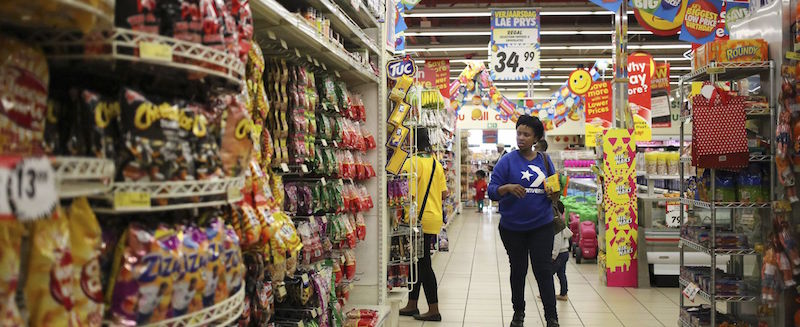
With a growing young population coupled with rapid urbanisation and fast-growing consumer expenditure, Africa offers attractive opportunities for entities wishing to expand into new frontier markets. Retailing contributions to GDP across the region continue to increase, indicating that the region is consumption-driven. Retail sales in the Africa amounted to over USD500 billion in 2019. Key retailing markets included South Africa, Egypt, Morocco, and Algeria. Although Africa is regarded as an emerging market, it is a different and complex one. The region is home to 55 independents states, which are characterised by diverse economies, and consumption patterns. It hosts a population of different income groups, religions, races, customs and languages. Furthermore, different countries are at different development stages. To develop a good and strategic market entry approach into the region, one needs to understand the diversity and dynamics that drive retailing. In addition, understanding how and where one’s product is consumed and purchased in the region is necessary for developing a route-to-market strategy. Africa is made up of a combination of traditional and modern retailing channels. These channels vary by market and are influenced by factors such as economy, state of development, consumer preferences and local culture. There are significant variations in the logistics costs and lead times required to access different African markets. The region is characterized by a multitude of retail channels, distribution networks, supply chains, marketing strategies, and different regulatory administrations. Underdeveloped infrastructure and complex distribution channels make it challenging for companies and products to reach consumers. Many consumer goods are imported from outside the region and thus demand an efficient supply chain. This comes with challenges such as volatile currency fluctuations and import duties. Partnering with local players that are connected along the value chain, coupled with creative, flexible approaches to supply chain and logistics can help companies overcome distribution challenges. Africa is on track to hit a predicted USD 2.1 trillion in consumer spending by 2025 These market dynamics indicate that Africa’s retailing landscape is diverse and increasingly expanding to suit the changing consumer demographics.
The Booming Markets In Africa
folder_open Business Outlook
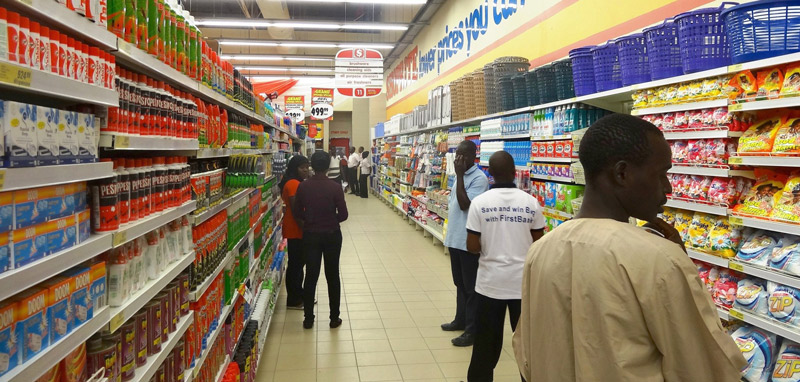
Many African countries have been increasing their spending on infrastructure such as airports, cities, hotels, ports, roads, bridges, hospitals, and power plants. Both west and east African countries continue to implement major infrastructure projects such as the Trans-African Highway network. This project is comprised of a transcontinental road which aims at integrating the region’s transport corridors to meet the growing demand for road transport by an increase in Intra-regional trade. Recently, Kenya has unveiled a 280-million-dollar road rehabilitation project to improve its links with Tanzania and South Sudan. Moreover, Lamu Port South Sudan Ethiopia Transport (LAPSSET) Corridor is a 25-billion-dollar project — which will link Kenya with Ethiopia, Uganda, and South Sudan. This far-reaching project involves a railway, a highway, a crude oil pipeline and a fibre-optic cable connecting the four countries. The project will also include several airports, resort cities, an oil refinery, a 32-berth port in Lamu and other supporting infrastructure mini projects. Once completed, the LAPSSET railway will connect to West Africa’s Douala–Lagos–Cotonou–Abidjan Corridor, running through Cameroon, Nigeria, Benin, Togo, Ghana, and the Ivory Coast respectively. As these projects progress both the cost of mobility and production are falling — which is helping many small businesses have access to more inter-regional connected markets. Additionally, the advance in the telecommunication capabilities is enabling millions of young educated and digitally connected population to connect, buy and sell goods. In a few years, the proliferation of mobile phone networks has transformed communications in sub-Saharan Africa. It has also allowed Africans to jump right to the digital age skipping the landline stage of development. Many African non-oil exporting countries have impressive growth rates. Countries not dependent on natural resources are also progressing with economic reforms. These countries, which include Botswana, Ivory Coast, Ethiopia, Kenya, Mauritius, Morocco, Rwanda, Senegal, Tanzania, and Uganda, posted an average GDP growth of 5.8% a year between 2010 and 2018. While it is true that the business environment is still not fully developed, and that many countries still have to do more to reduce bureaucratic rules and to create stronger independent institutions, these existing challenges do not diminish business opportunities. Some global consumer companies, such as Samsung, Transsion, Nestlé, LG, and Colgate, have been able to overcome challenges and gain market share.
Ethiopia Opens Up Logistics Sector
folder_open Business Outlook , East Africa
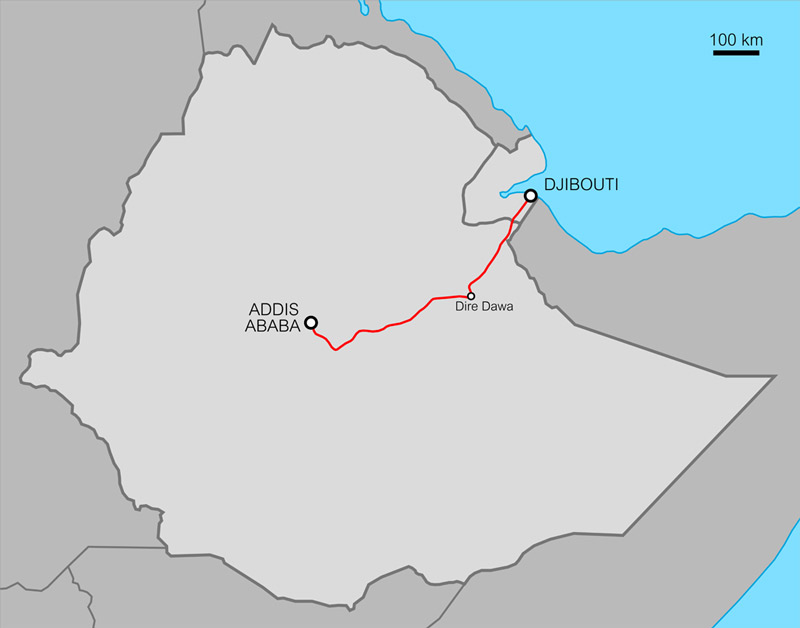
The Ethiopian government has opened up its logistics sector to foreign investors for the first time, in the form of joint ventures with local firms. The country wants to attract at least $120 million of foreign direct investment into the sector by 2021. Meanwhile, the state-owned Ethiopian Shipping & Logistics Services Enterprise (ESLSE) is to be part-privatised, and the state railway company, the Ethiopian Railway Corporation, restructured then fully privatised. Clearly, the government of Ethiopia has made improving logistics a top priority. A $2.5 billion, 750-kilometre railway connecting Addis Ababa with the port in Djibouti was launched in 2018 and should cut a three-day journey down to 12 hours. In an ambitious road-building programme flagship projects include a 200 kilometre expressway connecting Hawassa, home to the country’s largest industrial park, with the capital, Addis Ababa. Two years ago, the government signed a $150 million World Bank project to transform Mojo, a poorly equipped and heavily congested dry port near Addis Ababa that processes more than 70% of imported containers, into a state-of-the-art logistics facility. Meanwhile, Addis is helping a Dutch consortium, Flying Swans, to set up a cold chain along the railway to the coast. It also plans to increase to 90% the coverage of general cargo carried by ‘multi-modal’ transport – the theoretically more efficient system currently monopolised by the state-owned Ethiopian Shipping & Logistics Services Enterprise (ESLSE). As of now, to transport a 20-foot container of garments from Ethiopia to Germany costs 247% more than from Vietnam and 72% more than from Bangladesh. In 2016, Ethiopia scored 2.37 in the World Bank’s Logistics Performance Index – significantly lower than neighbouring Uganda, which is also landlocked. The country ranked 159th out of 190 in the World Bank’s Doing Business index in 2018; Uganda came 127th. Most of Ethiopia’s bulk imports like wheat, sugar and fertiliser currently pass through the port of Djibouti which is small and congested, especially when the Ethiopian government procures. The port is also 70% more expensive than other ports in the region. Ehtiopia has also signed a deal with Eritrea restoring Ethiopian access to the ports of Massawa and Assab. at will be most important to the Ethiopian economy. Ethiopia plans to invest in refurbishing the port with the help of investmetns from Saudi Arabia, United Arab Emirates and the World Bank.

The Business of Diamonds in Africa
folder_open Business Outlook
Diamond is undoubtedly the rarest and most precious mineral resource. It is very expensive and can only be afforded by the extremely rich, especially in its refined state. Diamonds are used to produce so many durable and beautiful and valuables including very fine and costly jewelries and ornaments. The affluent men of the society who are able to afford jewelries made of diamonds like showing them off in social gatherings to attract attention and esteem. So many countries of the world are blessed with this natural gem and African countries are not left out. Many of us would be able to mention some countries we know that produce diamond in commercial quantities but only a few may be able to tell who the largest producers are. There are generally 15 diamond producing countries in Africa. They are: Botswana, South Africa, Angola, Namibia, Congo, Zimbabwe, Guinea, Ghana, Congo, Lesotho, Liberia, Sierra Leone, CAR, Tanzania, and Togo. Now, the big question is: Which countries are the largest producers of diamonds in the African continent? However, the ratings of countries and their diamond production capacity is never stable and keeps fluctuating year-by-year. 1. Botswana Botswana is located in southern Africa bordering Zambia, Zimbabwe, Namibia and South Africa. Botswana is at the moment the largest diamond producing country both in Africa and the whole world. The first discovery of diamonds in Botswana was made by geologists in 1967. Botswana had insignificant production until 1970 and became one of the top producers in the mid-1980’s. Botswana has some of the highest yielding mines in the world and has been a leading producer of diamonds since 1999. The Jwaneng and the Orapa diamond mines in Botswana rank as the first and second biggest diamond mines in the world, estimated to produce $2.4B and $1.2B worth of diamond in 2015 respectively. That is, in terms of value and volume produced. The total estimated diamond by carats to be produced by Botswana this year is about 24 million carats. 2. South Africa Diamonds were discovered in the Namiba Desert in April 1908 near Lüderitz, when Zacharias Lewala, a former worker from the Kimberley diamond fields found a diamond by the railway. It immediately became a leading producer of gem-quality diamonds and held that position until the 1920’s when Zaire entered major production. South Africa has been a consistent producer for the past few decades with production volumes regularly ranging between 6 million and 7 million carats per year. South Africa has seven diamond producing mines of which Venetia, jointly owned by De Beers is the largest. South Africa is estimated to produce over 10M carats of diamond worth up to billions of dollars in 2015. South Africa is the second largest diamond producing country in Africa. 3. Angola Angola is situated on southern Africa’s Atlantic coast, bordering Namibia, the Democratic Republic of Congo and Zambia. Diamonds were first discovered in Angola in 1912. For the next 40 years, the industry was exclusively based on alluvial diamond mining (mining that extracts diamonds from deposits of sand, gravel and clay, which have been naturally transported by water erosion and deposited along either the banks of a river, the shoreline or on the bed of the ocean). Informal diamond mining first erupted in Angola on a very large-scale in September 1991, following the signing of the Bicesse Accords between the government and the National Union for the Total Independence of Angola (UNITA) rebels as well as an agreement to hold the country’s first general elections. Catoca diamond mine in Angola ranks as the fifth biggest diamond mine in the world. The Catoca open-pit located near Saurimo, around 840km east of Luanda, is estimated to contain up to 130Mct of mineable diamonds. Angola is currently the third largest diamond producing country in Africa. 4. Namibia The Orange River forms a geographic dividing-line between the nations of South Africa and Namibia. For the last hundred million years, the Orange river has been carrying eroded diamondiferous kimberlite material from its source on the Kaapvaal Craton, in central South Africa and Botswana. Diamond-bearing material was deposited in river bank gravels and alluvium as it traveled westward towards the Atlantic Ocean. Other diamondiferous materials were re-distributed by wind action, settling to form alluvial deposits in the desert sand.Namibia is the fourth largest diamond producing country in Africa at the moment, and is estimated to produce a total of 1 970 000 carats of diamond worth $937 million in 2015. 5. The Democratic Republic of Congo The Democratic Republic of Congo used to be one of the leading diamond producing countries not only in Africa but in the world. It produced 19.2 million carats in 2011 making it the second largest producer in Africa by volume after Botswana, which produced 22.9 million carats, according to the latest Kimberley Process (KP) data. The Congo is still the 2nd African country with the largest deposit of the hard rock, diamond. But it’s quite unfortunate that recently, other countries like South Africa, Angola and Namibia has taken its place in terms of value and volume produced. Currently, Congo has not been able to meet up with reasonable quality and quantity in Diamond production. One of the contributors to this decline is what is known as “blood diamonds”, as diamonds have funded brutal wars in many African countries which has resulted in the death and displacement of millions of people. Most of the diamond production in the country is from informal sources. This actually explains why about a third of the country’s diamond is smuggled out of the country and also accounts for the reason why Congo cannot be found in the list of top diamond producers if ranking is based on mines
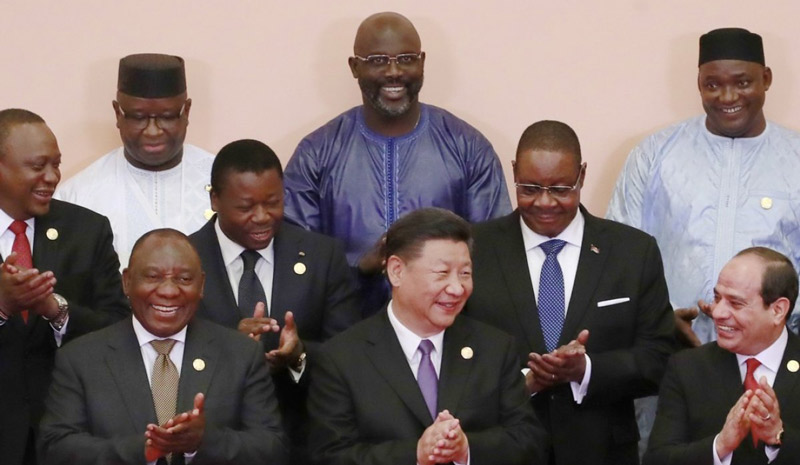
Chinese goods have been gaining increasing popularity in the African markets and Chinese companies are exporting in huge quantities of a wide variety of products directly into many African countries. In the last few years, China’s trade with Africa has been growing with leaps and bounds, as has Chinese investments into several African nations. In 2018, China-Africa trade reached US$204.2 billion, up 20 percent year-on-year, and China has emerged as Africa’s largest trading partner for 10 straight years. Price-sensitive markets in Africa are hungry for cheaper-priced Chinese goods. Wholesalers, traders and merchants in Africa have also been quick to meet the rising demand for Chinsese goods in Africa and are now sourcing a large portion of their requirements from China. By cutting out the middlemen and buying directly from Chinsese manufactures has also helped them increase profit margins. This trend of buying from China and selling locally and regionally is being repeated in almost all African countries and the result is clearly visible in almost all African markets that are now flooded with low-priced Chinese goods – whether it is tyres, automobile parts, stationery, perfumes, cosmetics, computer hardware, furniture or machinery, China has dominated the African markets in the last decade. The main products China exports to Africa are machinery and electronics, textile and apparel, hi-tech products and finished goods, while imports from Africa concentrate on crude oil, iron ore, cotton, diamond and other natural resources and primary goods. To help the countries in Africa expand exports, China has exempted import tariffs for certain commodities of these countries. China has also announced the names of over 25 African countries that enjoy zero tariff treatment and special preferential tariff rate for exports of some 190 products to China. In fact, Africa’s resource-rich nations are getting even more reliant on China for their exports. Chinese imports from Africa include crude petroleum from Angola and South Sudan, zinc and copper ore from Eritrea, cobalt from DR Congo, raw tobacco from Zimbabwe, besides iron and titanium from Sierra Leone. China has committed to set up a $10-billion special fund for development financing, showcasing a possible change from a resources-for-infrastructure model of financial engagement.
Business Opportunities In Africa
folder_open Business Outlook
Africa is the second largest continent and demand for consumer and capital goods is always high in the local markets. Most African economies rely on imports to satisfy the needs and requirements of their large population. If you want to export goods and products to Africa, good research and knowledge of the legal regulations are a must for your success. The IMF estimates that economic growth in sub-Saharan Africa will cross 6.5% in 2025. Africa hosts the majority of the top ten fastest growing countries in the world. The World Bank believes that most African countries will reach “middle income” (at least US$1,000 per person a year) by 2025 if current growth rates continue. Nearly 65% of the labour force in Africa is expected to have some secondary-level education by 2025. Africa has around 125 million people with household incomes exceeding $5,000 – meaning they can direct more than half of their income towards discretionary spending. It’s expected that this figure will cross 150 million by 2025. Exporting to Africa looks a much rosier prospect than in the past and already countries such as the US, Brazil, China and India have increased their business dealings with the African continent. Main Products Exported To Africa Demand for many consumer and capital goods has been growing steadily across many African markets. If you are looking to break into the African market, there are many norms that you should consider as an exporter. There are many products and services that are in demand in the African markets. Here, we will discuss the top products to export to Africa: Pharmaceutical Products Pharmaceutical products such as different medical drugs and vitamins as well as health supplements are in big demand in Africa. Since the industry of health and pharmaceutics is in constant development, investing in such goods is one of the best decisions to make nowadays. Also, African people suffer from a variety of conditions, especially in the rural environments where medical drugs are not so accessible. Iron and Steel When it comes to raw materials, exports of iron and steel which are much needed on the African market is indeed a profitable business. Africa can’t produce such metals due to lack of funds, and the demand is high especially in the urban areas of the continent. Automobile Spare Parts Automobiles and its components such as spare parts, tyres, batteries, lubricants and different mechanical pieces needed for repairs are also very much in demand in Africa. Many countries have been exporting a wide range of automobile spare parts to Africa and making a neat profit. Demand for automobile spare parts and accessories in Africa is expected to reach US$18.5 billion in 2025. Led by countries such as Kenya, Ethiopia, Tanzania, and Uganda. African demand for auto parts and accessories is growing 11 per cent year-on-year according to analysts Frost & Sullivan. There’re nearly 22 million vehicles on the continent’s roads today, creating demand for parts and accessories worth more than US$8 billion per year. It’s therefore become an increasingly significant market for global manufacturers of accessories and engine components such as bearings, brake pads, spark plugs and filters. Countries such as Nigeria, Kenya, Uganda, Ghana, have witnessed double digit growth in demand of parts in the past five years. Focusing on the tremendous opportunities of doing business in the fast-emerging African market, there are currently more than 21.6 million cars on the continent’s roads which make up for nearly 70 per cent of spare parts consumption. Cars Used cars are being imported into Africa from all across the world. However, exporting cars comes with a lot of new regulations and some of them keep changing. You have to consider the value of the car, the demand present on the market as well as the financial capabilities of African people. Used cars are also in big demand in African countries. The African market for passenger vehicles is emerging as one of the most important re-export markets, growing more than 11 per cent year-on-year, and estimated to be worth US$20 billion in 2018 and based on the double-digit growth of demand in key Sub-Saharan countries, the value of the Africa’s automotive market is likely to reach US$28 billion by 2022. Textiles Clothing One of the main exports to Africa is textiles and different clothing. Clothes will always be a must and a basic necessity which is why they are a great opportunity for those wanting to export to Africa. However, your best bet as an exporter is to supply clothes and textiles in urban areas of Africa because they will not sell so good in rural villages or undeveloped regions. Used clothing has diverse names in the various African countries. In Rwanda, it’s chagua, in Kenya, mitumba, and salaula in Zambia. The global trade of second-hand clothing has a long and rugged history. It became prominent due to its affordability and to the surge in liberalization policies in the early 1990s. Second-hand clothing provides work for millions of resellers, distributors and market stall holders in developing markets, particularly in East Africa. But the decision by some countries to cut its imports of second-hand clothing in order to encourage local textile manufacturing has brought forth charges of protectionism from developed country exporters. Rice Rice is being imported into African in increasingly large quantities in recent years. Countries like Nigeria are big consumers of rice, and there is never enough on the market. Imports keep coming to support the demand which is a great opportunity for foreign exporters. Even if Africa started producing their rice, the quality is still not the same as the imported rice. That is why many African people prefer to consume rice from other countries like India, China, Thailand, Pakistan and Malaysia. Local production of rice is also still very low due to lack of financial possibilities and no investments. Some rice producers decided to set up a rice farm in Africa to produce such goods locally. It helps them skip the entire import-export process which can be time-consuming and even unprofitable in some occasions. Rice is one of the basic goods consumed in Africa and mainly the white type of rice. But even so, some countries consume it more than others. While rice is also locally produced in Africa, it is never enough to supply for all the demand on the market. Rice production in Africa is constantly increasing, and the authorities try to find the funds to support this industry as well. Some African countries like Benin try to improve their rice production, but they are also exporting it to Nigeria. And the examples go on and on because this is a common practice within the African continent. Plastic Raw Materials Plastic raw materials are also a great category of goods to import in Africa because they are highly functional and tend to come at a fairly low price as well. The demand for plastic increased along with the urbanization process that took place in the past decades in Africa. More people live in cities, and the need for plastic materials and objects became a real struggle. Especially in countries like Nigeria where more than half of the population lives in urban areas. Even if other countries try to stay away from plastic since 2015, Africa still relies on this material mainly because it is affordable for all types of processes. Opportunities For Export To Africa There are enormous opportunities in Africa but you have to thoroughly research the market. If your business produces machinery and equipment, chemicals, petroleum products, scientific instruments or foodstuffs then exporting to Africa is a great idea. It’s important to have an agent who can travel to your target market on a regular basis and has established a network of customers there. This allows you to concentrate on supply and production. At some point though it’s important for you to get on that plane and travel to Africa. It’s important to meet people face-to-face and build proper relationships but make sure that you learn about their culture to avoid any potential embarrassing mistakes. Some countries such a Nigeria offer both complimentary and fee-based market research tools to help possible exporters from other countries to analyze the market and gain insight into specific sectors. Other advantages with Africa are lower salaries and rents, improving infrastructures and growth in those who have broadband. There are risks though as in any emerging markets. These include crime and corruption. Also in a country such as South Africa you have to respect laws that demand a certain percentage of employees, directors and shareholders are black. In Gabon there are strict rules that have to be adhered to. These protect the health, safety and environment of Gabon’s citizens from sub standard imported goods. Exporters need to provide a Certificate of Conformity for Customs clearance. Increased Trade With Africa Exports from Africa totaled US$476.6 billion in 2018. That dollar amount reflects an -11.3% drop since 2014 but a 12.8% year-over-year upturn from 2017 to 2018. In comparison, global exports from all countries worldwide equaled $19.228 trillion in 2018, rising 1.2% in value since 2014 and appreciating by 8.5% from 2017 to 2018. Africa’s exports represent an estimated 2.5 per cent of total world exports in 2018. Based on statistics from the International Monetary Fund’s World Economic Outlook Database, the total Gross Domestic Product (GDP) for Africa calculated on a Purchase Power Parity (PPP) basis amounted to roughly $6.813 trillion in 2018. Therefore, going by these figues exports account for about 7 per cent of Africa’s total economic output. Given Africa’s population of about 1.264 billion people, the total $476.6 billion in 2018 exported goods originating from continental Africa translates to roughly $375 per African resident. In conclusion, it’s important to break into a growing market as early as possible. Africa offers more than one option, and if you are planning to export to Africa you have many chances of success. Make sure you do your market research, employ reliable agents and distributors to keep a close eye on your investments and make sure that you comply with all the relevant laws in the country you are exporting to and exporting to Africa really can pay dividends.
Preliminary request for participation in the trade show
place
calendar_today
Preliminary request for visitor registration
Visitor Registration
place
calendar_today