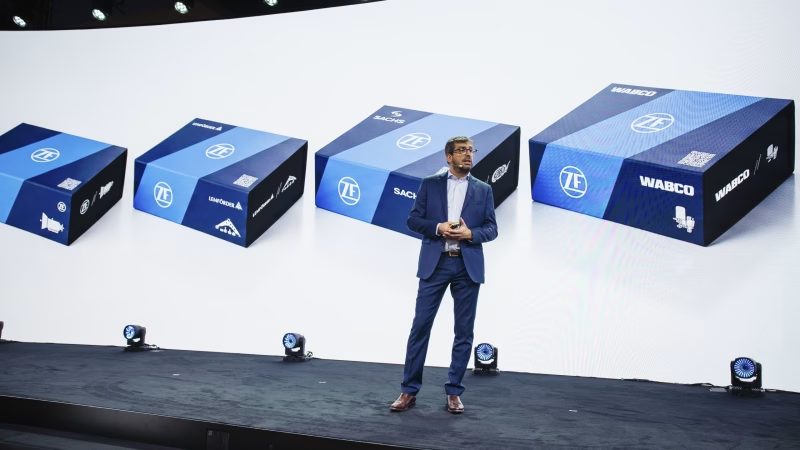
Africa Automotive Aftermarket: Import Trends & Supply Chain Opportunities
Africa's automotive aftermarket is a dynamic and expanding sector, presenting significant B2B trade opportunities for global suppliers. Driven by a rapidly growing vehicle parc and increasing demand for maintenance, repair, and operational (MRO) components, the continent's need for auto parts suppliers for Africa, accessories, and services continues its upward trajectory. This robust growth underscores Africa's position as a crucial market for international manufacturers and distributors looking to establish or expand their presence.
The continent's automotive landscape is characterized by a diverse mix of new and used vehicles, with a substantial portion of the fleet requiring consistent aftermarket support. Factors such as urbanization, infrastructure development, and a burgeoning middle class contribute to higher vehicle ownership rates and, consequently, a greater demand for spare parts, tyres and batteries exporters, and lubricants and grease suppliers. This creates a fertile ground for B2B partnerships focused on reliable and efficient supply chains.
Africa's Automotive Aftermarket: A Growing Landscape
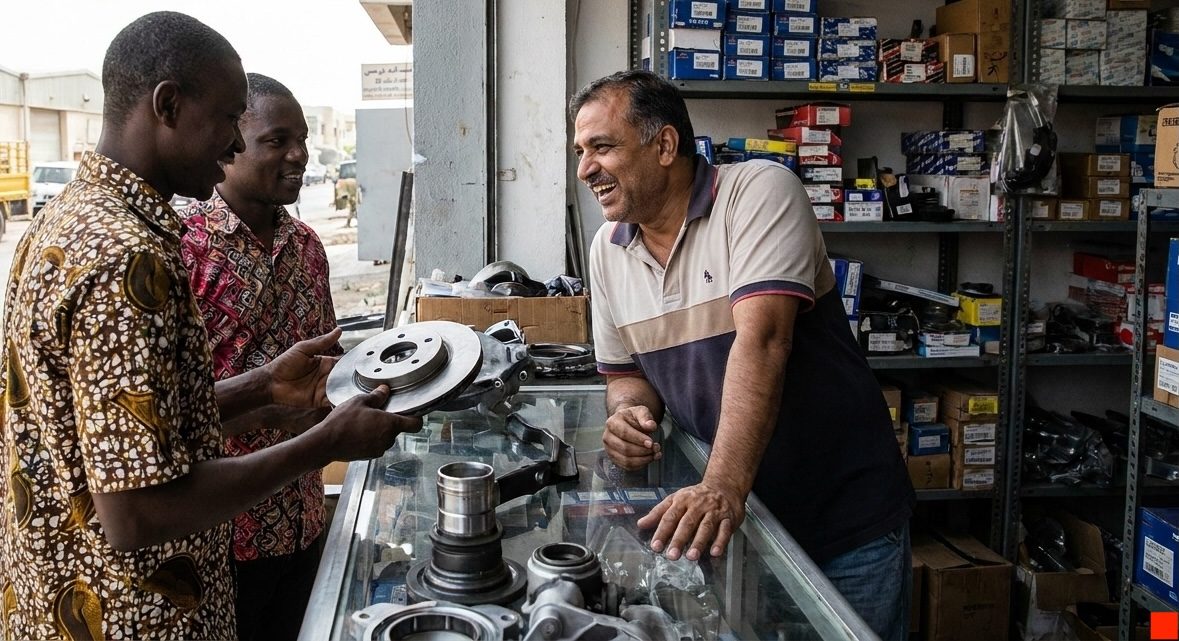
The sheer scale of Africa's vehicle population, encompassing passenger cars, commercial vehicles, and motorcycles, necessitates a constant influx of aftermarket products. From routine servicing items to complex engine components, the demand spans a wide spectrum. Local manufacturing capabilities, while growing, often cannot meet the full scope of this demand, making imports a critical lifeline for the sector. This reliance on international sourcing positions global trade platforms as indispensable for African businesses seeking quality and variety.
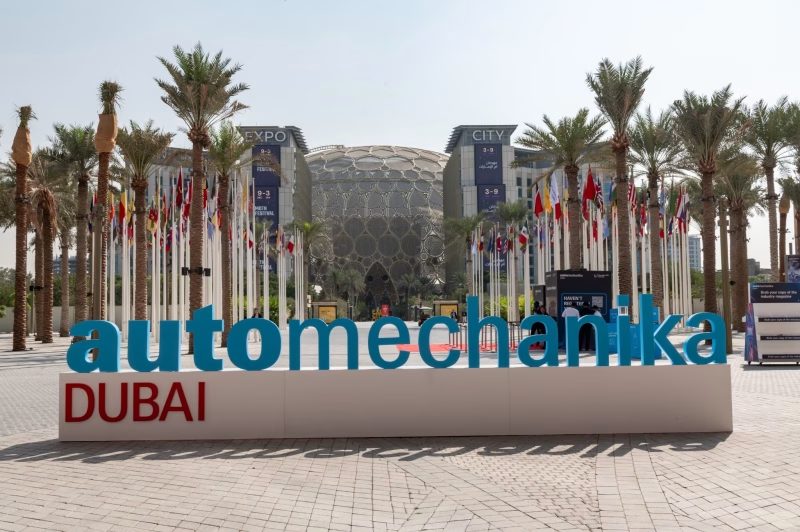
Exhibitions like Automechanika Dubai serve as vital conduits for this global-to-local connection. By bringing together a vast array of international exhibitors, these events offer African importers and distributors direct access to the latest innovations, diverse product ranges, and competitive pricing. The ability to engage directly with manufacturers, negotiate terms, and explore new technologies is paramount for businesses aiming to thrive in Africa's competitive market.
The strategic importance of global automotive aftermarket trade shows cannot be overstated for African businesses. These platforms are not merely exhibition spaces; they are critical ecosystems for knowledge exchange, partnership formation, and the direct sourcing of essential components that fuel the continent's transportation and logistics sectors.
Global Connectivity: Trade Fairs as B2B Gateways
The role of international trade fairs extends beyond simple product showcasing. They foster industry discussions, facilitate knowledge transfer on emerging technologies like electric vehicles and autonomous systems, and address critical supply chain challenges. For African buyers, these interactions are invaluable for staying abreast of global trends and adapting their business strategies to meet evolving consumer and commercial needs. Such events are pivotal in helping African Importers Directory members identify reliable partners and secure advantageous deals.
Navigating Supply Chains & Future Opportunities
Effective distribution and robust logistics are key to unlocking the full potential of Africa's automotive aftermarket. Navigating customs regulations, ensuring timely delivery, and managing inventory require sophisticated planning and reliable partners. Global suppliers looking to penetrate African markets must collaborate with experienced freight and logistics providers to ensure their products reach end-users efficiently. The ongoing development of infrastructure across the continent, coupled with initiatives like the African Continental Free Trade Area (AfCFTA), promises to further streamline these supply chains and create new avenues for growth.
The future of Africa's automotive aftermarket is bright, characterized by sustained growth in vehicle ownership, increasing demand for quality parts, and a growing emphasis on technological advancements. For global suppliers, strategic engagement with African buyers, leveraging international trade platforms, and building resilient supply networks are essential for long-term success. Explore opportunities and connect with key players by joining our Africa B2B WhatsApp Trade Groups to foster new partnerships and expand your market reach.