
African Auto Aftermarket: Digital Tools Reshape Vehicle Maintenance & Trade

Africa's automotive aftermarket is undergoing a significant digital transformation, enhancing efficiency across fleet management, vehicle maintenance, and the vital auto parts suppliers for Africa supply chain. This evolution is critical for maximizing operational uptime and supporting the continent's rapidly expanding logistics and trade sectors. As African economies continue to grow, the demand for reliable transportation solutions, from commercial fleets to passenger vehicles, necessitates advanced maintenance protocols that minimize downtime and optimize resource allocation.
Traditionally, vehicle repair processes in many parts of Africa, much like globally, have been characterized by fragmented systems. From the initial detection of an issue to diagnostics, service planning, and the crucial procurement of tyres and batteries exporters or other components, critical steps often occur in isolation. This disjointed approach inevitably leads to delays, increased operational costs, and reduced vehicle availability, directly impacting the productivity of businesses reliant on their vehicle fleets.
Leading global players are now demonstrating how integrated digital workflows can bridge these gaps, connecting existing customer systems with advanced solutions to streamline the entire repair journey. A prime example is ZF Aftermarket, which is at the forefront of this transformation. Their strategy involves creating an an open digital ecosystem that links remote vehicle data, sophisticated diagnostics, workshop operations, and parts procurement into a cohesive, data-driven service network. This holistic approach aims to move fleets and workshops from problem detection to completed repair with unprecedented speed, transparency, and efficiency, a model increasingly vital for Africa's dynamic market.
Digital Diagnostics & Remote Fleet Management
The cornerstone of this digital evolution lies in advanced remote diagnostics and fleet management. When a technical issue arises, rapid access to accurate diagnostic data can drastically reduce downtime. Solutions like ZF Bus Connect, a telematics and fleet management system, are being integrated with workshop-grade diagnostic software such as ZF [pro]Diagnostics via secure CAN Tunnel connections. This allows technicians to remotely access a vehicle’s diagnostic systems, enabling early troubleshooting even before the vehicle arrives at a workshop. For African fleets, where vehicles often operate across vast distances and in challenging environments, this capability translates into significant improvements in operational efficiency and uptime. By accessing ECU information, diagnostic trouble codes, live sensor values, and diagnostic routines remotely, maintenance decisions can be made proactively, minimizing unexpected breakdowns and optimizing maintenance schedules.
The integration of digital workflows, from initial fault detection to final parts procurement, fundamentally reshapes the operational landscape for African fleets and workshops. This shift not only minimizes vehicle downtime but also introduces unprecedented levels of transparency and efficiency into the entire maintenance and repair ecosystem, directly impacting the reliability of supply chains across the continent.
Streamlining Service Coordination & Parts Procurement
Beyond initial diagnosis, the next critical step is translating diagnostic information into an actionable repair plan. This phase has historically been riddled with manual coordination, phone calls, and emails between fleets and workshops. To overcome this, digital service coordination platforms are emerging, linking virtual front desks like ZF [pro]Manager with fleet management solutions. This integration converts service demands into structured digital workflows, allowing for seamless matching of workshop availability with service requirements and digital scheduling of repair appointments. Such systems reduce administrative burdens and enhance transparency, enabling fleet operators to track service progress digitally. The open API architecture of these platforms also ensures compatibility with third-party solutions, fostering a broader ecosystem where fleet data, workshop capacity, and service coordination work together harmoniously. This is particularly beneficial for freight and logistics providers operating complex networks across African nations.
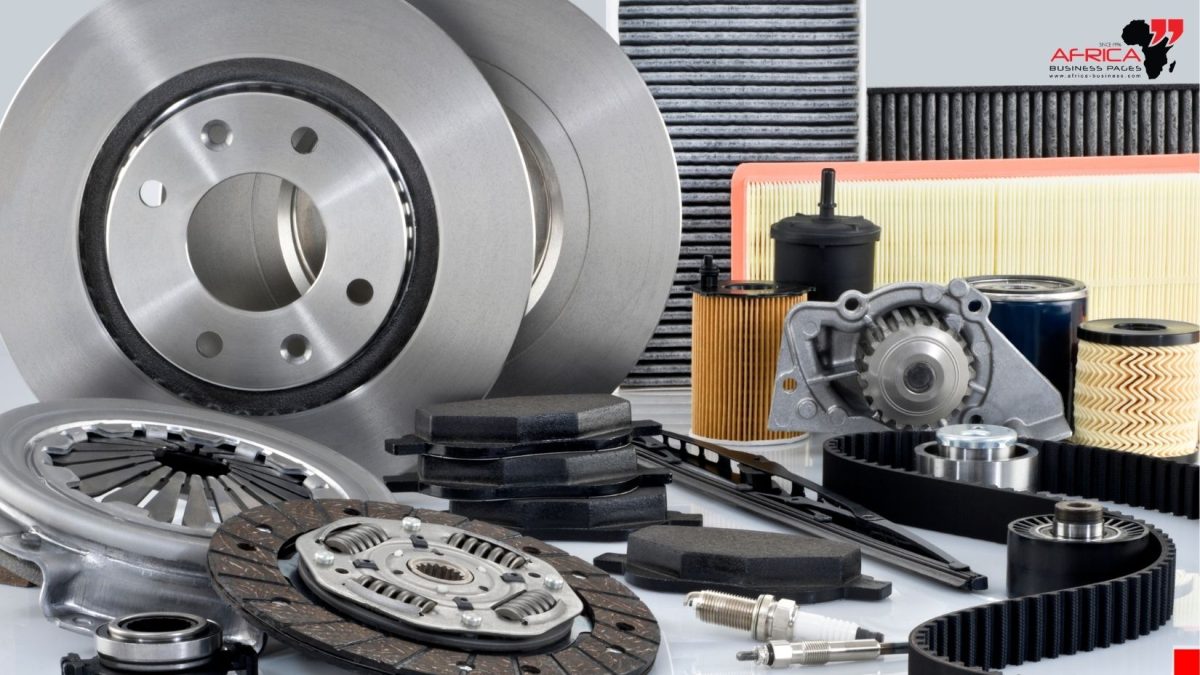
The efficiency gains extend to data-driven parts ordering, a crucial element for timely repairs. Integrating diagnostic data directly with distributor ordering systems eliminates delays between diagnosis and parts procurement. Diagnostic tools, such as ZF MultiScan, when combined with electronic distributor parts catalogs, allow workshops to move seamlessly from vehicle diagnosis to parts identification and ordering. After a diagnostic scan, vehicle and fault information are transferred directly to the integrated parts catalog, providing immediate recommendations for compatible parts, along with pricing and availability. This precision significantly reduces the time taken to identify and acquire the correct components, such as lubricants and grease suppliers or specialized auto parts suppliers for Africa, enabling workshops to process more vehicles efficiently and enhance overall fleet uptime.
Opportunities for B2B Collaboration & Market Growth
The digitalization of the automotive aftermarket presents immense opportunities for B2B collaboration and market growth across Africa. Global suppliers of automotive technology, diagnostic tools, and quality auto parts suppliers for Africa can find a receptive market in African businesses eager to adopt solutions that enhance efficiency and reduce operational costs. African importers, distributors, and workshop networks stand to benefit from streamlined supply chains, improved access to genuine parts, and advanced technical support. This evolution supports not only the automotive sector but also underpins the broader economic development by ensuring that the vehicles powering trade, agriculture, and industry remain operational. Businesses looking to tap into this burgeoning market can explore the African Importers Directory and the comprehensive Africa Business Directory to forge strategic partnerships and expand their reach. Join our Africa B2B WhatsApp Trade Groups for direct connections and market insights.