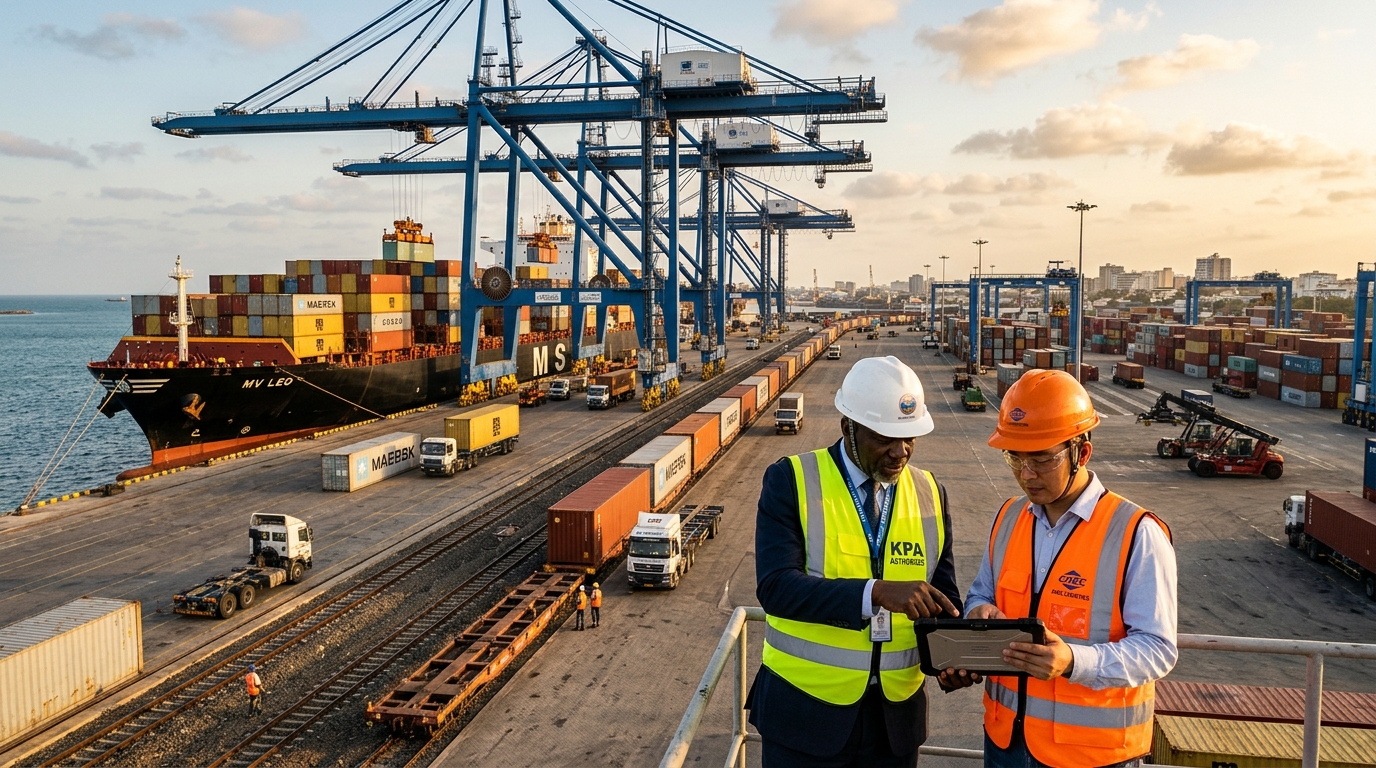

East Africa Rail Freight: Boosting Regional Trade & Port Efficiency
East Africa's strategic position as a trade gateway is underpinned by robust logistics infrastructure, crucial for connecting global markets with the continent's rapidly expanding economies. The region's ports and inland transport networks are vital B2B arteries, facilitating the efficient flow of goods across multiple nations. Enhancing these corridors is paramount for reducing trade costs, improving supply chain reliability, and unlocking the full economic potential of landlocked countries.
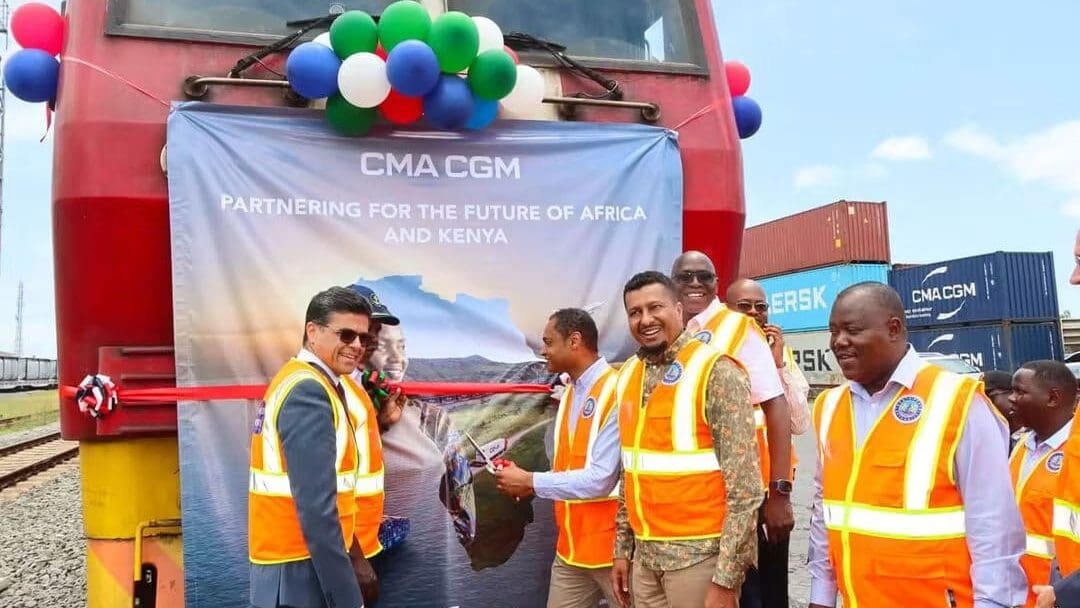
The Port of Mombasa, a cornerstone of East African trade, is continuously evolving its operational capabilities to meet growing demand. A significant development in this evolution is the introduction of dedicated block train services connecting the port directly to inland container depots, such as the one at Embakasi. This strategic initiative, exemplified by collaborations between entities like Kenya Railways, Kenya Ports Authority, and global shipping lines such as CMA CGM, marks a pivotal shift towards more integrated and efficient maritime-to-rail freight solutions. These services are designed to streamline the movement of containerized cargo, directly impacting the speed and reliability of B2B supply chains across the region.
Enhancing Corridor Efficiency & Regional Connectivity
The block train model represents a significant advancement over traditional mixed-freight rail services. By consolidating common cargo from a single carrier into a dedicated train, it eliminates the need for multiple sorting processes at intermediate points, which historically extended dwell times and increased operational complexities. For global shipping lines, this translates into greater control over the inland leg of their logistics operations, ensuring faster transit and more predictable delivery schedules. This enhanced efficiency is particularly critical for cargo destined for landlocked markets, where every hour saved in transit contributes to a competitive advantage.
The block train model specifically addresses a significant inefficiency in Mombasa’s container flow, enabling direct transfer from vessel to rail and reducing handling at inland depots. This streamlined approach is crucial for carriers aiming to offer competitive delivery times for transit cargo destined for landlocked markets, where supply chain reliability directly impacts business competitiveness.
Beyond the immediate benefits to the Mombasa-Nairobi corridor, these rail freight improvements have a ripple effect across the wider East African logistics network. The integrated rail and road links extend connectivity to key regional markets including Uganda, South Sudan, Burundi, and the Democratic Republic of Congo. This expanded reach facilitates greater intra-African trade and strengthens the position of Mombasa as a premier gateway for both imports and exports. The ability to move goods more swiftly and reliably across borders supports regional economic integration and fosters a more robust trading environment.

Strategic Investments & Future Outlook for East African Logistics
The commitment to enhancing East Africa's logistics infrastructure is evident through ongoing investments by key stakeholders. The Kenya Ports Authority has made substantial capital outlays in rail-linked capacity, including new berths and container yards designed to optimize the transfer of cargo from ships to trains. Concurrently, the implementation of advanced cargo declaration systems allows for pre-arrival documentation processing, further accelerating clearance times. These coordinated efforts by port authorities and railway operators are foundational to building a resilient and high-capacity logistics ecosystem capable of supporting future trade growth.
For international suppliers and African importers, these developments signal a more predictable and cost-effective supply chain landscape. The invitation extended by Kenya Railways to importers, exporters, and shipping lines to explore dedicated rail freight solutions underscores a proactive approach to fostering partnerships that support robust supply chains and regional trade ambitions. As Africa continues its economic ascent, the optimization of its trade corridors through strategic infrastructure development and collaborative operational models will be key to unlocking new B2B opportunities across diverse sectors.
Businesses looking to capitalize on East Africa’s burgeoning markets should closely monitor these logistics advancements. Understanding the evolving freight landscape can inform strategic decisions for market entry, distribution, and supply chain management. For a comprehensive overview of key players and trade opportunities, explore our African Importers Directory and connect with established partners.
To stay abreast of the latest market trends and connect with a vast network of industry professionals, consider joining our Africa B2B WhatsApp Trade Groups. These platforms offer invaluable insights and direct connections, empowering global businesses to navigate and succeed within the dynamic East African trade environment.