
Nigeria Industrial Investment: Capital Markets Drive Growth
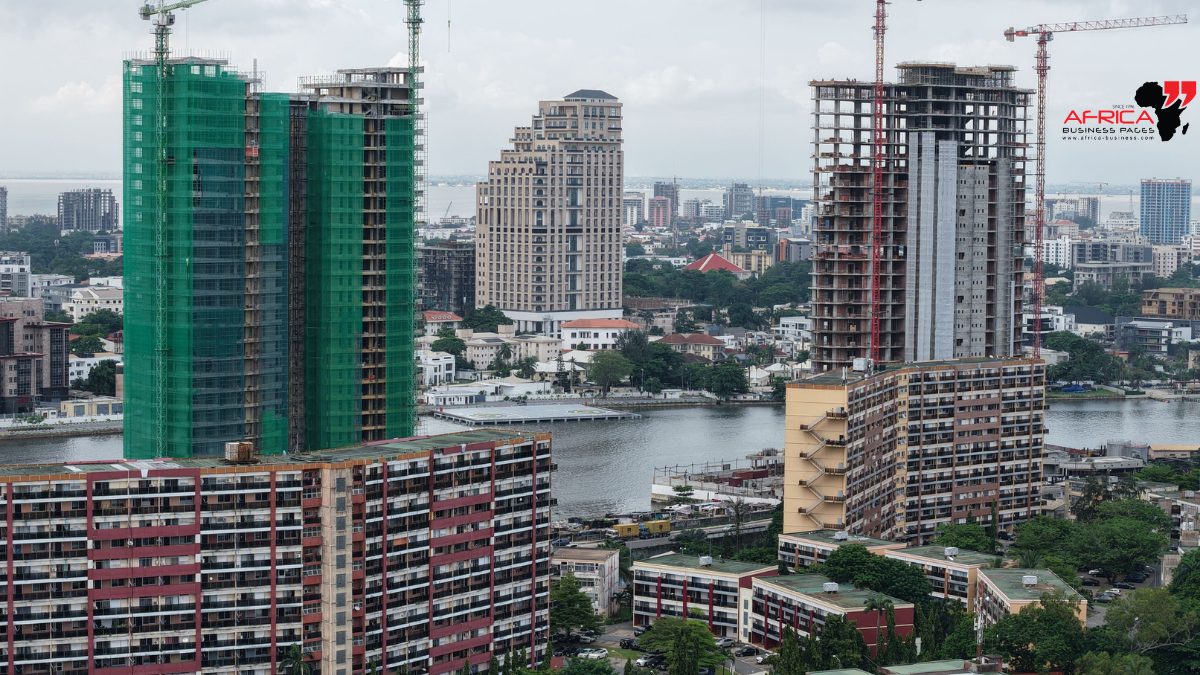
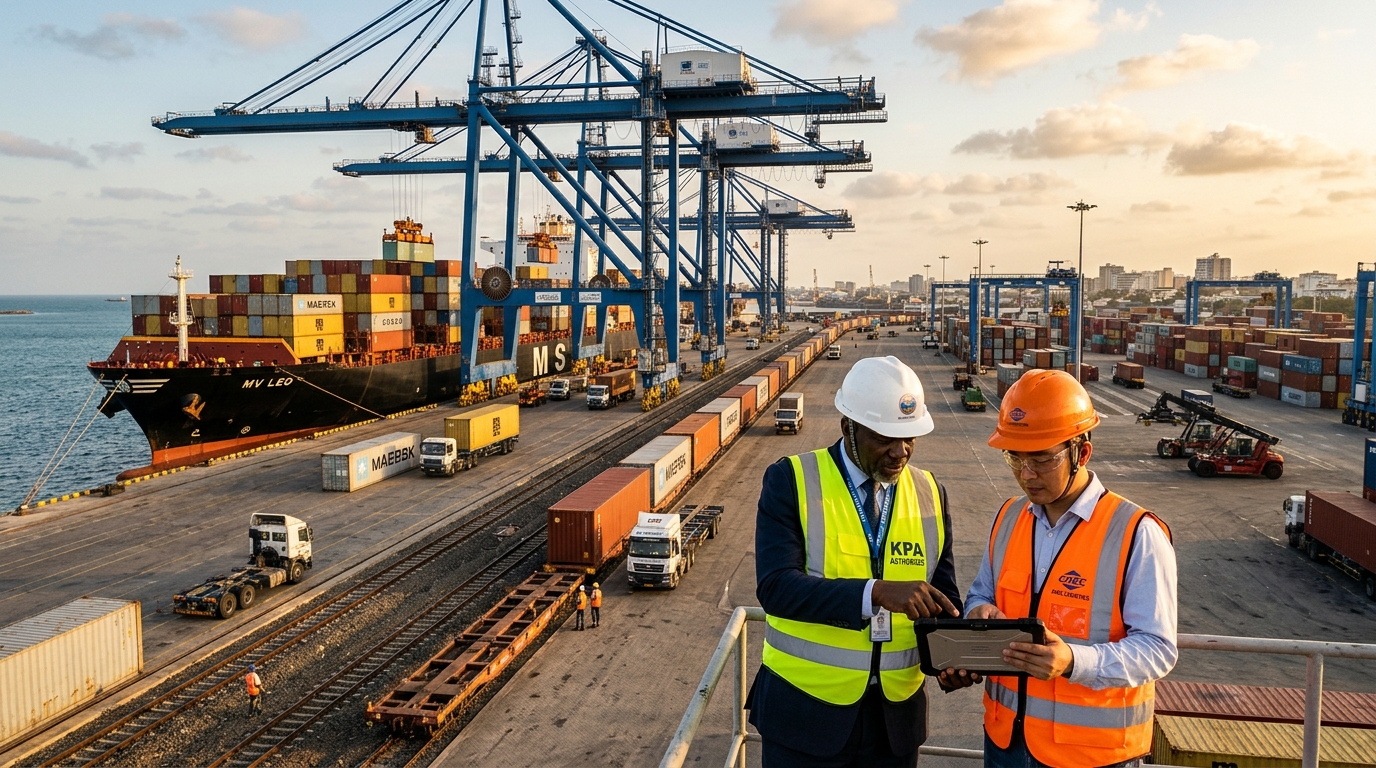
Nigeria's industrial sector is experiencing transformative growth, driven by strategic investments and robust capital market activity. This expansion creates significant B2B trade and supply chain opportunities across West Africa, positioning the nation as a manufacturing hub. Large-scale projects, often spearheaded by local conglomerates, are pivotal in diversifying the economy beyond traditional oil revenues, fostering self-sufficiency, and attracting both domestic and international capital.
The ambition to build world-class industrial infrastructure is reshaping Nigeria's economic landscape. These mega-projects not only address critical domestic needs, such as refined petroleum products or fertilizer production, but also generate substantial demand for ancillary services, raw materials, and specialized equipment. This creates a fertile ground for global suppliers and technology providers looking to enter or expand within the continent's largest economy.
A prime example of this industrial resurgence is the Dangote Refinery, a monumental undertaking that underscores Nigeria's capacity for complex project execution. Such ventures are not merely about production; they are catalysts for broader economic engagement, involving intricate supply chains, extensive logistics networks, and a vast ecosystem of supporting businesses.
Nigeria's Industrial Renaissance: Driving Economic Diversification
Nigeria's strategic shift towards industrialization is a cornerstone of its long-term economic development plan. By investing heavily in sectors like refining, petrochemicals, cement, and agriculture, the nation aims to reduce reliance on crude oil exports and foster a more resilient, diversified economy. This drive is supported by government policies promoting local content, infrastructure development, and an improved business environment, encouraging both domestic and foreign direct investment into manufacturing and processing industries.
The successful execution and operationalization of mega-projects like the Dangote Refinery highlight the critical role of robust capital markets in mobilizing the vast financial resources required. These markets not only provide avenues for local investors to participate in national growth stories but also signal stability and potential to international investment communities, fostering broader economic inclusion and ownership.
The ripple effect of such industrial giants extends far beyond their immediate operational footprint. They stimulate growth in adjacent sectors, creating demand for raw materials, logistics, packaging, and a skilled workforce. This holistic development approach is crucial for sustainable economic progress and the creation of a vibrant, interconnected B2B ecosystem across the West African region.

Capital Markets: Fueling Mega-Projects and Investor Engagement
The Nigerian Exchange (NGX) plays a vital role in this industrial renaissance by providing a platform for companies to raise capital and for investors to participate in the nation's growth. The prospect of an Initial Public Offering (IPO) from major industrial players, such as the Dangote Refinery, represents a significant opportunity to deepen the capital market, widen the investor base, and enhance liquidity. Such listings attract a diverse range of investors, from institutional funds to individual shareholders, democratizing access to ownership in key national assets.
This increased investor participation not only provides crucial funding for ongoing expansion and future projects but also enhances corporate governance and transparency. Companies seeking public listing are subject to stringent regulatory oversight, which builds confidence among both local and international investors. This, in turn, can lead to a virtuous cycle of investment, innovation, and sustained industrial growth, making Nigeria an increasingly attractive destination for B2B partnerships and capital deployment.
B2B Opportunities: Supply Chains, Services, and Future Growth
The expansion of Nigeria's industrial base translates directly into substantial B2B opportunities across numerous sectors. Global suppliers of machinery, industrial chemicals, spare parts, and advanced technology solutions will find a growing market. Furthermore, the demand for specialized services, including logistics, maintenance, engineering, and IT support, is set to surge. Businesses looking to engage with this dynamic market should explore strategic partnerships and local distribution channels.
For international businesses aiming to tap into this burgeoning market, understanding the local supply chain dynamics and regulatory landscape is paramount. Africa Business Pages serves as a crucial resource for connecting global suppliers with African Importers Directory and facilitating B2B engagements. Explore opportunities to supply Nigeria's expanding industrial sector and connect with key players. Join our Africa B2B WhatsApp Trade Groups to stay abreast of market developments and forge valuable connections.