Kenya Aims To Boost Meat Exports
folder_open Business Outlook , East Africa
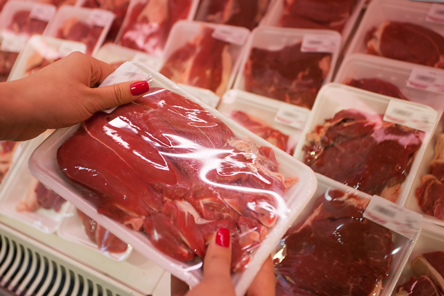
Kenya plans to boost its meat exports by investing in state-of-the-art slaughterhouses that meet international quality standards. This was announced by none other than President Uhuru at a recent meeting with government officials and business owners recently. “We will begin with the export of live animals but in two years, we should have our own export slaughterhouse. My vision is to revive this important sector,” said President Uhuru Kenyatta. Meat exports to Europe and the Middle East markets has been growing in recent years and the building of halal-certified slaughterhouses will certainly boost Kenya’s foreign exchange earnings though meat exports. “My main interest is that the farmer and herder of livestock get good prices for their animals,” said the President. President Kenyatta said livestock farming used to be a lucrative agribusiness in the 1970s but was brought down through mismanagement. “We used to do well in this livestock industry in the early 1970s. Unfortunately, due to mismanagement, it collapsed,” he said. Global Foods and Blue Mountain are two UAE-based companies that have been appointed to market Kenya Meat Commission (KMC) products in the Middle East with Dubai as the distribution point. KMC is also planning to set up distribution centres and cold storage warehouses in the Kuwait, Qatar, Saudi Arabia, the Democratic Republic of Congo (DRC), Sudan, and Egypt. “We want to directly take charge of the export market by doing away with middle men in our supply chain system. This will also help us convert agent commission fees into income,” said Patrick Mutemi, the deputy managing commissioner and head of finance and marketing at KMC. The Middle East is a prime market for small stock products — lamb, mutton, and goat meat — while corned beef is more popular in the African market and Saudi Arabia. Recently, a team from the United Arab Emirates visited Kenya to assess the capacity of Kenya Meat Commission to export meat to the Middle East country. The inspectors, mainly veterinary doctors, nutritionists and environmentalists studied how KMC meets international standards on food safety, health and sanitation, livestock disease control and meat handling. KMC is targeting the Middle East market to increase revenues and the company targets a 20 per cent profit at the end of this financial year. To enhance its capacity in meeting the market demand, KMC is constructing six satellite abattoirs in major livestock keeping areas countrywide, including Wajir, Samburu, Kajiado, Isiolo, Mandera, Garissa, Marsabit and Turkana counties. The European Union had banned the importation of Kenyan beef due to food safety concerns as a result of livestock diseases.
Kigali Sets Up New Logistics Hub
folder_open Articles , East Africa
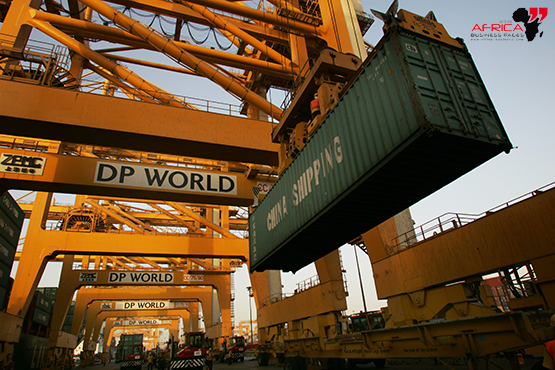
DP World Kigali is a secure, bonded facility spread over13 hectare that will improve imports and exports... DP World and the government of Rwanda have setup a state-of-the-a logistics hub, located 20 kilometers from the capital city Kigali, close to the international airport. The facility is East Africa’s first ever Inland Dry Port developed by DP World. DP World Kigali is a secure, bonded facility spread over 13 hectares and features an Inland Container Terminal (ICT) with modern warehousing capacity, a container yard, administrative and services buildings, parking areas and other facilities. DP World Kigali accesses two secure trade gateways for eastern Africa, the port of Mombasa in Kenya and Dar es Salaam in Tanzania. Rwanda is working closely with Tanzania on a new standard gauge railway from Dar es Salaam to Kigali that will add a direct rail corridor to the two existing road routes, further improving connectivity for containers and bulk goods. Currently the cost of transport of a 20 foot container from Shanghai China to Mombasa costs anywhere between 500 US$ to US$1,000. The cost of transport of the same container from Mombasa to Kigali varies between US$3,000 to US$4,000. The introduction of DPWK will serve the inland logistics problems, delays and cost by providing a one-stop shop for all logistics requirements and cargo services. The facility offers container handling, stuffing and de-stuffing, warehousing, storage and other cargo handling services. Imports from overseas can be routed through Kigali Logistics Platform for onward distribution to the surrounding countries of Uganda, Tanzania, Burundi and the DRC, a growing region of over 40 million people. Customs officers at the incoming port use highly advanced e-tags, to seal incoming containers. These active RFID tags allow real-time tracking of cargoes on route to Kigali, for complete transparency and added security. A dedicated customs team inside DP World Kigali handles final customs clearances. DP World Kigali is also establishing a road transport solution that will allow clients to fully outsource their end-to-end logistics needs, including international shipments, clearances, repacking and final deliveries. DP World’s single-window cargo management system and other investments in IT and automation will further increase efficiency and reduce costs. These are savings that can be passed down along the supply chain to drive more growth in the region’s economy.
Mombasa Port Has A New Rival
folder_open East Africa
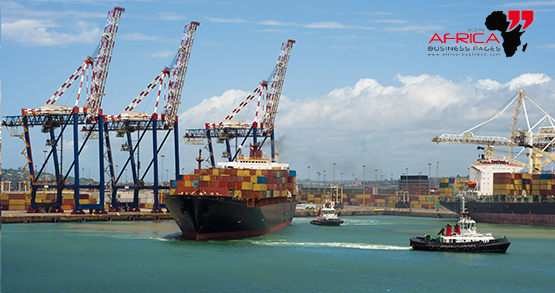
Tanzania is building a new port that might challenge Mombasa Port’s status as the shipping, logistics and distribution hub of East Africa. Located about 75 kilometres from Dar es Salaam and 10 kilometres from Bagamoyo town, the new Bagamoyo Port, which upon completion is expected to be the largest in East Africa, is expected to be fully operational between 2020 and 2021. Construction of the port is being carried out through a collaboration of China and Oman. Also to be constructed around Bagamoyo area are over 190 industries, including the manure processing plant that will be put up by the government of Oman. The new port will handle cargo coming from several landlocked countries in East Africa and beyond (Rwanda, Burundi, Malawi, Zambia, and the Democratic Republic of the Congo (DRC), improving Tanzania’s trade infrastructure is critical for the region’s success. When fully developed, the Bagamoyo Special Economic Zone will attract about 700 industries to become a strategic investment zone in East Africa. The Bagamoyo port and its affiliate industrial zone will ease congestion at the old port and support Tanzania to become East Africa’s leading shipping and logistics centre. The Bagamoyo Special Economic Zone that is expected to attract about 700 industries and become a strategic investment zone in East Africa. About 190 industries, including a fertiliser processing plant, will be put up by the government of Oman around the port. The Bagamoyo port and its affiliate industrial zone are meant to address congestion at the old port and support Tanzania to become East Africa’s leading shipping and logistics centre. Tanzania is the second-largest economy in the EAC and boasts one of Africa’s most stable democracies. Known for its vibrant tourist industry, Tanzania has significant mineral wealth and strategic location.
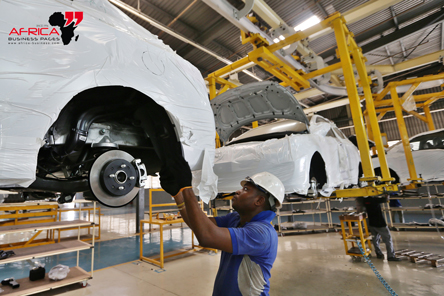
Nigeria’s Booming Auto Market
folder_open Automobiles Sector , West Africa
With a population of close to 180 million and a GDP of US$493 billion in 2015, Nigeria is the most populous country with the largest economy in Africa. Despite the current economic challenges facing the country due to low oil prices and a weakened currency, Nigeria still reveals robust economic growth of 2-4% in the medium term. Owing to the lack of domestic vehicle production, Nigeria is highly dependent on imports to meet its domestic demand. In 2014, passenger vehicles constituted the second-largest import category after petroleum oils or bituminous minerals. Overall automotive related imports stood at US$6.9 billion (passenger vehicle imports: US$2.9 billion) accounting for approximately 11.5% of Nigeria’s total imports. While auto imports recorded rapid growth between 2004 and 2014, the current slowdown in the economy and the recent introduction of high import duties on vehicles linked to the new automotive policy has led to approximately a two-third contraction in vehicle imports according to industry players. Second-hand vehicles dominate the import market. It is estimated that approximately 10% of vehicles imported to Nigeria are brand new. A large share of second-hand vehicles are imported from the US, given that vehicle specifications in this market are more in line with the demand and taste of Nigerian consumers, which is not always met by entry-level models from Europe. Importers of used cars in Africa are making a good profit importing used cars for resale from all across the world. Before the hike of import duties on second-hand vehicles, Nigeria imported more than 100,000 cars per year from the the US. In 2015, imports from the US had plummeted to less than 40,000 units. In addition to direct shipments to Nigeria, the Port of Cotonou in neighbouring Benin is a key transit point for second-hand vehicles destined for the Nigerian market. It is estimated that 85% of Benin’s used vehicle imports end up in Nigeria. In 2013, the European Union (EU) and the US exported approximately 300,000 cars to Benin. Based on the import figures for Benin, an additional 255,000 used cars from the EU and the US entered Nigeria via Benin. There is no culture of maintenance in Nigeria – people drive their cars until they break down and then fix them. Vehicle Numbers Depending on the source of data, the current vehicle fleet in the country ranges from 1.3 million vehicles to 10 million vehicles. According to the Federal Road Safety Corps the total fleet size was 1.65 million units in 2015, of which approximately one third are concentrated in Lagos State. Even applying the least conservative estimate of vehicles in use, namely 10 million vehicles, Nigeria’s motorisation rate is approximately one-third that of the global motorisation rate with less than 60 vehicles per 1 000 people. Due to the New Automotive Industry Development Plan (NAIDP) launched in 2014 that increased the prices for imported vehicles, and the economic slowdown triggered by low oil prices, Nigeria’s growth in fleet size slowed down remarkably in 2015. However, it is expected that in the short term fleet growth will stabilise in a range between 4.5% and 5.5% per annum. Vehicle Sales Despite being the most populous country in Africa, Nigeria’s new vehicle sales lag behind less populated countries such as Algeria, Egypt, Morocco and South Africa. According to industry players, the overall new and second-hand market combined ranges between 500,000 and 1 million units per year. Smuggling, grey imports of second-hand vehicles and the lack of reliable data however, make the exact size of Nigeria’s vehicle market and fleet size difficult to quantify. Challenges concerning the licencing and identification of vehicles further contribute to this difficulty. Imported second-hand vehicles, so-called tokunbos, dominate the Nigerian vehicle market as only a small segment of society is able to afford new vehicles. A representative of a leading automotive firm estimates that a mere 2% of the population is able to afford new vehicles given the current economic and financing environment. While commercial banks offer vehicle finance, accessing these credit facilities has become increasingly unattractive to individual consumers as credit facilities are provided at interest rates above 20% per annum and require at least a 10% down-payment. Commercial banks usually require repayment of vehicle loans within four years, due to the rapid depreciation of the value of vehicles given poor road conditions. According to one of the most established vehicle finance providers, the monthly repayment amount should not exceed 35% of the monthly income of the borrower. The short repayment-period as well as the high interest rates present a key challenge for low- and middle-income households when it comes to accessing vehicle finance. Due to the limited accessibility to and expensive financing of vehicles, new vehicles remain out of reach for most Nigerians and the largest share of current vehicle demand comes from the business community. Corporate buyers account for approximately 70% of overall new vehicle purchases, indicating the suppressed demand from private buyers, arguably the market segment with the largest growth potential. Through recently introduced promotional offers by banks in partnership with selected vehicle dealers, customers are able to access finance at a discounted rate for a limited number of vehicles and models. Indeed, the provision of alternative financing products, especially in-house financing by the automotive companies, is seen by industry players as a key requirement for the growth of the local market. However, in the absence of affordable finance solutions, secondhand vehicles remain the more attractive option for private vehicle buyers. According to a representative of a leading automotive company, second-hand passenger vehicles accounted for 80% of sales in 2014. The share of tokunbos in the commercial vehicle market is even larger, reaching up to 90% of the market according to a leading commercial vehicle manufacturer. New vehicle sales are dominated by Toyota which accounts for almost one third of new sales. Hyundai and Kia have established themselves as increasingly serious competitors to Toyota due to their competitive pricing and improved image in terms of quality. In 2015, the three Asian brands accounted for half of new vehicle sales in the country. The economic slowdown, the depreciation of the naira and the increase in vehicle prices due to the import duty hike had a substantial impact on new vehicles sales in 2015. Although vehicle sales saw positive growth post the global financial crisis, total new vehicle sales dropped by more than half in 2015, compared to 2014. The sharp decline of sales highlights the absence of sizeable and competitive domestic assembly that could provide an affordable alternative to imports and the dependency on vehicle imports to meet domestic demand. Production and Assembly Nigeria is no stranger to automotive assembly and manufacturing. Already in the 1970s Nigeria started assembling motor vehicles. In the 1970s and 1980s, the federal government of Nigeria partnered with six international automotive and commercial vehicle manufacturers to produce passenger and commercial vehicles locally from CKD kits. According to the National Automotive Council (NAC) these six companies had an initial installed capacity of 149,000 units per annum during the 1970s and 1980s. “Sometimes, cars are imported to be stripped for parts as availability of genuine parts is limited.” In addition to these plants, the Federal Government entered into five more agreements with international automotive companies to establish assembly plants in 1982, according to the National Automotive Design and Development Council Nigeria. These agreements included the establishment of plants by Isuzu in Maiduguri, Mazda in Umuahia, Mitsubishi in Ilorin, Nissan in Minna and Peugeot in Gusau. However, these plans did not materialise. Furthermore, due to inconsistent policy implementation, corruption, declining patronage by local and federal government departments and lack of reliable power supply, the output and capacity utilisation of the six existing plants declined rapidly. Symptomatic of the demise of Nigeria’s automotive industry was the stop of production activities by Peugeot Automobile Nigeria (PAN), Nigeria’s largest manufacturer, in 2010. Since then assembly plants have been lying dormant. By 2012, all of the country’s automotive manufacturers had been privatised as the government exited the existing partnerships, eroding any incentives for government departments to purchase locally assembled vehicles The launch of Nigeria’s NAIDP in 2014 and the subsequent hike in import tariffs for vehicles has attracted the interest of leading international carmakers and has led to the resumption of small scale vehicle assembly in the country. While the high import tariffs are aimed at encouraging local assembly, the sharp drop in vehicle sales in Nigeria in 2015 is a strong indication that this measure had an adverse impact on overall vehicle prices in the absence of a sufficient assembly base that could provide substitutes for imported vehicles. In 2015, local assembly was only able to cover 10-15% of the new vehicle market. According to a senior representative of one of the automotive companies present in Nigeria, approximately 1,000 passenger vehicles were assembled in Nigeria in 2015 – an even more conservative estimate. Currently, 35 companies are licensed to produce by the Nigerian Automotive Council under the NAIDP. Despite the increased focus on the automotive industry, the sector’s contribution to Nigeria’s GDP remains low at 0.07%. At present the vehicles are assembled from imported SKD kits with a limited degree of local inputs-sourcing due to the lack of a reliable and adequate domestic supplier base. While current assembly figures are low, with Peugeot Automobile Nigeria recording the largest number of vehicles assembled in 2015 with 400 units, the automotive companies aim at increasing their annual output in order to capitalise on the long-term growth prospects of the Nigerian market. However, due to the current economic slowdown, expansion plans are likely to be delayed as reflected in the decline of employment levels in some of the assembly facilities.
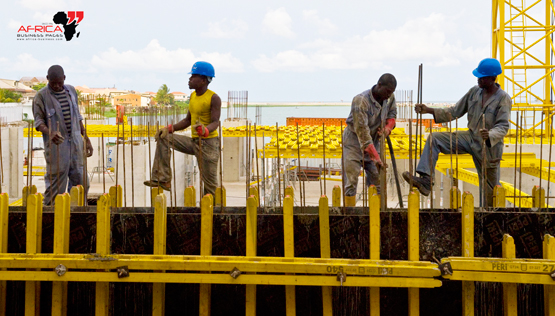
Construction Activity In Africa Increasing
folder_open Articles
The face of the African construction industry is changing. Construction projects on the continent are getting bigger and more complex. According to recent reports, this is owing to rapid urbanisation, strong economic growth, a rising middle class and regional integration in many of Africa’s 54 nations. All make for the ever-increasing demand in Africa’s construction industry, as big infrastructure projects get under way on the continent. This development leaves industry stakeholders with a lot of questions on how to best secure funding for a project, what is needed for successful project management, what projects have priority and how to access the African market place? Construction Costs Will Rise Due To Materials And Labour One of the most common concerns industry experts cited is the escalating cost of doing business. With rising building material and labour costs, firms will likely struggle to maintain their margins in the coming year. Contractors have been expecting an impending bump in building material costs after several years of relatively flat growth. The Associated Builders and Contractors called the most recent decline in material prices “the calm before the storm.” On the labour side, the skilled-worker shortage has led to employers raising average pay higher than the national average. Experts say that increasing workforce costs — which include recruiting and wage costs for current employees — will cut into contractors’ bottom lines. Most Africa countries spent a lot of money in the construction related projects in the last couple of years and growth of over 5% in the construction industry is expected in the next two years. Demand For Green Cement In Africa The global market for green cement is expected to grow to US$38.1 billion by 2024 from US$14.8 billion in 2015. Green cement reduces the carbon footprint of construction activities through the substitution of cementitious industrial wastes, such as fly ash from coal-fired power plants and slag from the steel and iron processing industry, as a replacement for traditional cement. Demand for green cement in Africa will provide an increasingly lucrative market over the next few years due to growing trends in sustainability and energy efficiency for both buildings and infrastructure. The coming years will witness an increase in demand from local African marketplaces for more sustainable products in the local built environment. Kenya: A Booming Construction Industry Currently, Kenya’s construction industry is going through boom. The government has invested heavily in the construction sector of Kenya in order to improve the infrastructure such as road networks, and at the same time provide new residencies for the locals (who are being supported by the banks to get loan to buy apartments/cars). According to the Kenya National Bureau of Statistics, the real estate and construction sectors continues to be some of the key drivers of economic growth in Kenya for the last five years. The Kenyan construction industry contributes 7 percent of the gross domestic product (GDP), which makes it clear that Kenya has a well-developed construction industry. With an increase in population, opportunities exist in the construction of residential, commercial and industrial buildings, including prefabricated low-cost housing. The economic outlook of the country indicates that the construction industry presents one of the key areas that would, and is, attracting investors to the country. Extensive opportunities for investment exists particularly in the area of upgrading slums and informal settlements, urban renewal, construction of middle and low income housing, and the manufacture and supply of building materials and components. Infrastructure development is a central pillar of Kenya’s Vision 2030 and in 2015 the US$3bn construction sector contributed 4.8% to the Kenyan economy. The Economic Survey 2016 published by the Kenyan National Bureau of Statistics (KNBS) reported that approximately 148,000 people are formally employed in the domestic building and construction industry. Players operating in the sector range from indigenous micro-enterprises to foreign multinational civil engineering and construction giants. Although building and construction contractors are required to be registered with the National Construction Authority (NCA), a significant number of unregistered contractors operate in the informal sector. Kenya has the highest literacy rate in Africa and the workforce is well known for being educated and hard working. One advantage for foreign investors is that everyone speaks the common language English. This makes it easy for new people to understand and quickly adapt to the new country. Therefore, Kenya serves as a good starting point to begin business in Africa due its positive growing economy, natural reserves & a strong workforce who can easily be communicated with. A recent study by BMI Research shows that the local construction industry will grow by 8.7 per cent this year and remain steady up until 2026 with an annual growth of 6.2 per cent – which will see Kenya outperforming all Sub-Saharan countries. Kenya’s construction market is poised for significant expansion between 2018 and 2026. Significant support for the sector will stem from the Kenyan budget, backed by foreign investment into the country’s planned infrastructure development. Nigeria’s Construction Industry Following a difficult 2016 the Nigerian construction sector showed signs of stronger growth from the first half of 2017 onwards. The uptick in activity comes on the back of a low base, however, as the country’s first recession in 25 years affected private investment in real estate building and oil companies had to scale back investment plans due to lower global oil prices. The stabilisation of the naira, the utilisation of new contract structures and an increase in local suppliers are now helping to provide fertile ground for tarde. Local content, in particular, is playing a larger role in the market, with domestic companies active as both standalone contractors and as subcontractors for foreign firms. While public sector tenders – which have traditionally been the source of major works – remain limited compared to the booming years of the 2000s, the increase of private development in the residential and commercial building segments offers promise. Nigeria is often highlighted as one of the most attractive markets in Africa for construction works. In West Africa, of the nearly $120bn committed to infrastructure spending across 92 projects, 61% is earmarked for plans in Nigeria. The country currently has 68 major building projects with a total capital expenditure of approximately $73billion, second only to South Africa on the entire African continent. Given the size of the Nigerian economy and traditional spend of other African states, however, these figures mask a historical underspend in gross fixed capital formation (GFCF), a category that includes infrastructure projects and land improvements. An average GFCF of 30% of GDP is considered optimal for creating a growth-conducive environment, but in recent years Nigeria has spent just 11.9% of GDP compared to a sub-Saharan Africa average of 21.5%. Ethiopia, the continental leader, spent an average of 32.8% of its GDP on infrastructure over the last decade.

Ethiopia is the latest African country to strike a deal with German automaker Volkswagen, following Ghana and Nigeria in 2018. The deal will see Volkswagen support Ethiopia in developing its automotive industry by establishing a vehicle assembly facility, localizing automotive components, introducing mobility concepts such as app-based car sharing and ride hailing as well as the opening of a training center. Thus, Volkswagen will work closely with the Ethiopian higher education and training institutions for skills development and capacity building of local talent. Ethiopia has the world's lowest rate of car ownership, with only two cars per 1,000 inhabitants, according to a recent report. Many Ethiopians have found owning a car too expensive because of import taxes of up to 200%. Once all taxes are added to an imported car's price tag, it could cost nearly three times more than the retail price in its country of origin. However, despite the heavy tax burden, there is a rise in the numbers of car imports. “As one of the fastest growing economies and with the second highest population in the continent, Ethiopia is an ideal country to advance our Sub-Saharan Africa development strategy,” said Thomas Schaefer, Head of the Volkswagen Sub-Saharan Africa Region, who signed a Memorandum of Understanding (MoU) with the Commissioner of the Ethiopian Investment Commission (EIC), Abebe Abebayehu in the presence of President of the Federal Republic of Germany, Frank-Walter Steinmeier and the Ethiopian Minister of Finance, Ahmed Shide. Ethiopia’s economy has grown impressively over the last decade. The country has also seen a recent wave of reforms which is increasing investor confidence in the country. Indian apparel maker KPR Export Plc. which invested in the country last year has started exporting from its base at the Mekelle Industrial Park in Ethiopia, shipping its first container to the European Union. Commenting on KPR’s export, Abebayehu noted that “industrial parks help attract and retain quality investors with sound capital, strong technology spillover and export growth contribution potential”. It is one of the reasons why Volkswagen is keen on Ethiopia. “Additionally, Volkswagen intends on tapping into existing expertise and strategic resources in Ethiopia to help to establish a thriving automotive components industry,” Shaefer said. Under its TRANSFORM 2025+ brand strategy, Volkswagen is strengthening the regions and focusing on new up-and-coming markets, with the Sub-Saharan Africa region seen as an important part of this. Last year, the company signed an MoU with Ghana that will see it establish a vehicle assembly facility and conduct a feasibility study for an integrated mobility solutions concept. In Nigeria, Volkswagen implemented a phased approach of vehicle assembly with a long-term view of establishing Nigeria as an automotive hub in West Africa. The car maker which has been manufacturing vehicles in South Africa since 1951 already has vehicle assembly operations in Algeria, Kenya and Rwanda. With a fast growing economy and stellar performance on Foreign Direct Investment inflow, Ethiopia is asserting itself as a competitive and preferred location of choice for investment.

Africa and Middle East: Markets Ripe for European Stationery, Paper and Office Supply Brands
folder_open Exhibitions , Stationery & Paper
The Middle East and Africa’s potential as a major growth market for paper, stationery, and office supplies, is catching the attention of European manufacturers, with top brands preparing to establish a larger presence at the industry’s dedicated regional trade fair in Dubai. Paperworld Middle East has typically proved to be a happy hunting ground for prospective European exhibitors eager to conquer new markets that are otherwise hard to reach. Since its inaugural edition in 2011, the annual three-day event has consistently welcomed a healthy number of manufacturers and suppliers from the Old Continent, with exhibitors hailing from Russia in the East and the UK in the West, to Italy, Germany, and Spain in between. That trend follows on in 2019, and when the 9th edition of Paperworld Middle East opens from 18-20 March at the Dubai International Convention and Exhibition Centre, more than 50 of the 300-plus exhibitors will come from Europe. Many are regular exhibitors of the dedicated showpiece event, including Portuguese stalwarts such as Navigator Paper, Olmar, Clipoura, and Bi-Silque; Polish companies WZ Eurocopert and 2x3; and Carioca, Morocolor Italia, and Stilolinea from Italy. Others are debut exhibitors ready to connect with distributors, retailers and department stores, schools, and commercial end-users from throughout the Middle East and Africa (MEA), such as Papkaprint from Russia, Spanish brands Factis and Rocada, and Rapesco from the UK. Rapesco, one of Europe’s leading office product manufacturers, distributes its products to more than 100 countries. Hani Moussalli, International Account Manager at Rapesco Worldwide, said the company’s first-time participation at Paperworld Middle East coincides with its efforts to expand its global presence in fast-growing markets. “The MEA is now of a central focus to Rapesco, and quickly growing, offering enormous potential,” said Moussalli. “The wide quality Rapesco product range fits perfectly with the demands and expectations of these markets, which are of huge interest and importance to us.” Moussalli said Rapesco aims to expand within the MEA region through sales in both its traditional lines and newer product ranges, adding: “sustainability and environmental issues continue to play a growing part in the consumers purchasing decision and that will reflect in our activity and development in these regions. “Our participation at Paperworld Middle East will centre on our quality contract office product range, retail products, e-commerce offerings and our environmentally friendly ECO line. Presenting these four product categories enables us to showcase a more diverse and exciting variety.” Moussali’s high expectations for Paperworld Middle East could be based on past experience from more seasoned exhibitors; WZ Eurocopert – one of Europe’s largest manufacturers of sustainable envelopes – has participated at the show for the last six years, and after three years of learning the market, is now reaping the rewards. Wojciech Zukowski, a Member of the Board, and Sales Director at WZ Eurocopert, said the company is still noticing regional business growth, with larger market trust and much better customer relationships: “Our first three years at Paperworld Middle East was important to understand the way Middle East customers operate and now we know exactly what to do,” said Zukowski. “Paperworld Middle East 2018 in particular was really good for us, and we developed and strengthened our business there. We want to continue this which is the main reason for returning to the show in 2019. We love the Middle East market, culture and people, and want to continue to be at least a small part of it.” Zukowski said eco-friendly WZ Eurocopert made two new customers at Paperworld Middle East 2018, with whom the company regularly cooperates with. Afterwards, they also received more business enquiries from not only the Middle East, but also from Africa. “Our goals for Paperworld Middle East 2019 are not only to develop more business, but also to meet our current customers,” he added. “As always, we’ll showcase our high-quality premium envelopes with variety of sizes, paper and packaging styles. We’ll also focus on our latest FSC (Forest Stewardship Council) certified air bubble protection envelopes and big peel’n’seal pockets.” Paperworld Middle East, which has a new ‘More than Paper’ theme for 2019 and beyond, has in recent years stepped up its efforts to offer a more diversified product range, as well as presenting more value-added features to attract a wider regional visitor and trade-buyer base. In 2019, new highlights include the Corporate Gifts Avenue presenting high-end gifts and promotional items, as well as the Mystery Box – a balloon shaping competition. That’s in addition to other popular features such as the Playworld Pavilion for children’s toys and games, Leatherworld for finished leather goods and accessories, and the Green Room for environmentally-friendly stationery and office supplies. This, says Show Director Alexandria Robinson, has attracted the interest of a wider variety of European exhibitors with unique product-offerings: “Cozydots from Poland, for example, is a new exhibitor specialising in tailor-made arrangements of children’s rooms, while Brand Office is a leading Romanian promotional gift and office supplies company providing hundreds of innovative products and solutions,” said Robinson. “Paperworld Middle East has always enjoyed a robust European presence keen to tap into the fast-evolving MEA market, and the upcoming edition will continue to see a strong push from continental exhibitors. Apart from a dedicated German Pavilion, Paperworld Middle East 2019 will see representation from Austria, Finland, Italy, Latvia, Poland, Portugal, Romania, Russia, Spain, Turkey, and the UK.” Organised by Messe Frankfurt Middle East, Paperworld Middle East 2019 returns with other popular features including Wrap Star – the UAE’s only gift wrapping competition; and a three-day seminar programme. The 8th edition attracted 7,179 trade visitors from 90 countries, sourcing the latest stationery, office supplies, paper and school articles, toys, games, arts and craft supplies, and much more. Get your free Visitor Pass > Click to Register * Africa Business Pages is the Official Media Partner for Paperworld Middle East and promotes the event in the African markets.
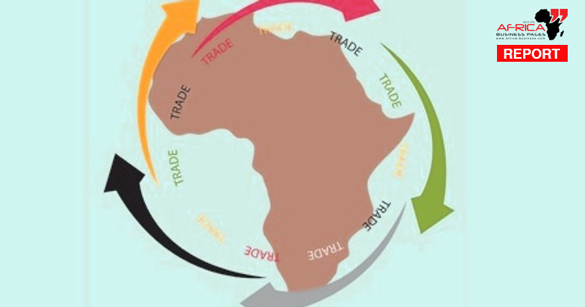
How to Export to African Countries
folder_open Articles , Business Outlook
In times of economic meltdown, planning which markets of the world to target for exports, the continent of Africa doesn’t always come top of the list. In fact, rarely. Part of that is down to preconceived opinions about the continent. Constant images of war and starvation don’t always make a business believe there are riches to be earned from business dealings on the continent. However the truth is that the economic situation in Africa is changing: Africa hosts the majority of the top ten fastest growing countries in the world. The IMF estimates that economic growth in sub-Saharan Africa will be over 5.5% in 2019. The World Bank believes that most African countries will reach “middle income” (at least US$1000 per person a year) by 2025 if current growth rates continue. Nearly half of the labour force in Africa is expected to have some secondary-level education by 2020. Africa has around 98 million people with household incomes exceeding $5,000 meaning they can direct more than half of their income towards discretionary spending. It’s expected that this figure will reach 128 million by 2020. All of a sudden exporting to Africa looks a much rosier prospects than in the past and already countries such as the US, Brazil, China and India have increased their business dealings with the continent. The UK and South African Governments set targets to double bilateral trade in the next five years. The main imported commodities are: Machinery and equipment Chemicals Petroleum products Scientific instruments Foodstuffs Tyres & Batteries Automobile Spare Parts Cosmetics Stationery Items Household Electronics While Africa faces tremendous challenges on the road to integration into the world trading system, there is more to Africa's trade performance than meets the eye. Many African export sectors have outperformed world market growth. Champions in the African export portfolio include cut flowers, frozen fish, t-shirts, women's trousers, footwear and transistors. These cases illustrate that Africa can compete. How to Export to Africa In many ways it’s pretty much the same as making plans to start exporting goods to any country in the world. You need to start off by doing some research to find out if your product compares to what is currently being supplied in the target market. Find out who your competitors are and what services they offer as well as their pricing schedules. Look at duty structures, freight rates, currency fluctuations and then you will have a better idea of whether you have a marketable product. There are enormous opportunities in Africa but you have to thoroughly research the market. If your business produces machinery and equipment, chemicals, petroleum products, scientific instruments or foodstuffs then exporting to Africa is a great idea. It’s important to have an agent who can travel to your target market on a regular basis and has established a network of customers there. This allows you to concentrate on supply and production. At some point though it’s important for you to get on that plane and travel to Africa. It’s important to meet people face-to-face and build proper relationships but make sure that you learn about their culture to avoid any potential embarrassing mistakes. Some countries such a Nigeria offer both complimentary and fee-based market research tools to help possible exporters from other countries to analyze the market and gain insight into specific sectors. Other advantages with Africa are lower salaries and rents, improving infrastructures and growth in those who have broadband. There are risks though as in any emerging market. These include crime and corruption. Also in a country such as South Africa you have to respect laws that demand a certain percentage of employees, directors and shareholders are black. In Gabon there are strict rules that have to be adhered to. These protect the health, safety and environment of Gabon’s citizens from sub standard imported goods. Exporters need to provide a Certificate of Conformity for Customs clearance. Since October 2013 this has been compulsory. It’s important to break into a growing market like Africa as early as possible. Make sure you do your research, employ agents to keep a close eye on your investments and make sure you comply with all the relevant laws in the country you are exporting to and exporting to Africa really can pay dividends. Traditionally a commodity exporter, Africa is diversifying into industrial goods and services. Tunisia is a good example of Africa's emerging growth areas. Exports of electronic components have passed the US$ 500 million mark, expanding at annual rates of 22% for several years. In clothing, despite fierce global competition, Tunisia has been able to increase its market share. It now ranks eighth among 184 countries in the Trade Performance Index for clothing, reflecting exports of US$ 2.5 billion to a diversified group of countries. Mauritius, Africa's other major clothing exporter, has also increased its world market share, supplying garments worth US$ 1 billion. In textiles, the continent's leading suppliers are South Africa, Morocco and Zimbabwe. More recently, a number of very successful small companies are driving rapid improvement in textile exports in Cameroon, Madagascar and Sudan. Export Markets in Africa Southern Africa has joined the ranks of the world's leading trading areas. In five out of the 14 sectors covered by the Trade Performance Index, the Southern African Customs Union (SACU) figures among the world's top 15 exporters. Transport equipment is one example, where SACU ranks ninth, with exports of US$ 1.4 billion and a high degree of product and market diversification. South Africa, the largest member of SACU, has experienced growing interest of transnational corporations to invest in the country, as shown by UNCTAD's recent survey on foreign direct investment in Africa. Success stories of African exporters are not confined, as is often perceived, to the Maghreb countries and southern Africa. Exports in sub-Saharan Africa (excluding southern Africa) are far from marginal for some product groups. This region, for instance, is a major net exporter of fresh food and agro-based products. Moreover, several countries are improving their competitiveness in exports of processed food, as evidenced from the change in competitive position in the Trade Performance Index for Kenya, Malawi, Ghana and Mozambique. Importers in Africa Low-income countries are also focusing on international business development. Despite being landlocked and among the group of least developed countries (LDCs), Ethiopia has become a competitive international supplier of several products and services. Ethiopian producers are now a leading source for sesame seeds, with an 11% share of world imports. Ethiopia's coffee export values and quantities have expanded at double-digit rates between 2013 and 2018, earning well over US$ 375 million in 2018. Ethiopian transport companies, including Ethiopian Airlines, chalked up export earnings from transport services of US$ 180 million in 1998. Finding Importers in Africa The Africa Business Pages has compiled the Africa Business Directory to help global exporters connect with importers in Africa for direct B2B interaction. Segmented by countries as well as business secretors, the Africa Business Directory has helped many exporters connect with their business counterparts in African countries. In addition to specific country directories, you can also download sector specific directories for the following business sectors: Africa Automotive Directory Africa Tyre Dealers Directory Africa Building & Construction Directory Africa Cosmetics & Beauty Directory Africa Foodstuff Directory Africa Health & Medical Directory Africa Hotels & Restaurants Directory Africa Pharmaceuticals Directory Africa Hospitals Directory Africa Rice Importers Directory Africa Furniture Directory Africa Security Directory Africa Car Importers Directory By contacting importers in Africa using the Africa Business Directories, you can take the first step towards increasing your exports to Africa and finding the right business partners for your business.
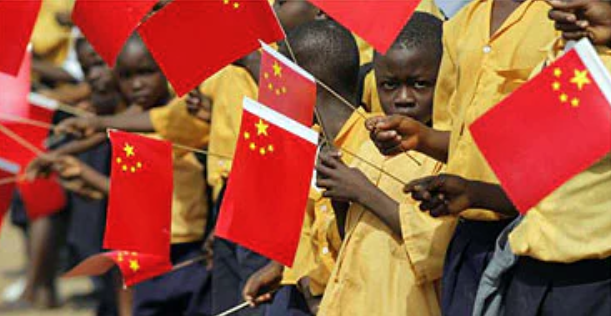
Ethiopian Airlines will start helping Chinese visitors process visas to travel across Africa. Beginning in 2019, Africa’s No.1 airline will set up a hub that will allow travelers from China to apply for visas to 35 African countries, the airline’s chief Tewolde Gebremariam told Chinese news agency Xinhua. The scheme is aimed at reducing the process of application especially for citizens who have to travel to embassies located in the capital, Beijing. Chinese passport holders can get visas on arrival in Ethiopia’s capital Addis Ababa. “The visa scheme will facilitate easier air travel for Chinese experts and business people and reduces their financial cost,” Tewolde said, adding that “we are very excited about it.” As Africa’s dominant carrier, Ethiopian Airlines has in recent years taken up a pan-African strategy, launching more connections, reviving defunct national airlines, and setting up more hubs across Africa. Part of this growth has included servicing both cargo and passenger flights to five destinations within China namely Beijing, Chengdu, Guangzhou, Shanghai, and Hong Kong. To tap into the growing number of Chinese traveling abroad, the airline in September started accepting payments in its mobile app via the Alibaba-owned payment platform Alipay. The establishment of a visa center is likely also a tactical gambit, placing the state carrier at the heart of efforts to ease movement across the continent. In November, Ethiopia started a visa-on-arrival push for all African travelers as more African nations liberalized their visa regimes to attract more trade and tourists. The plan is also beneficial for Ethiopian especially since its hub in Addis Ababa has now overtaken Dubai as the world’s gateway into Africa. The visa hub is also symptomatic of China’s deepening place in Africa. Besides coming to work and trade, Chinese tourists are showing increased interest in the continent’s cultural and historical sites. Cognizant of this, countries including Kenya, Morocco, and Tunisia have eased their visa rules or launched marketing campaigns to incentivize and attract more Chinese travelers. South Africa has even gone as far as issuing business travelers five to ten-year, multiple-entry visas on arrival.
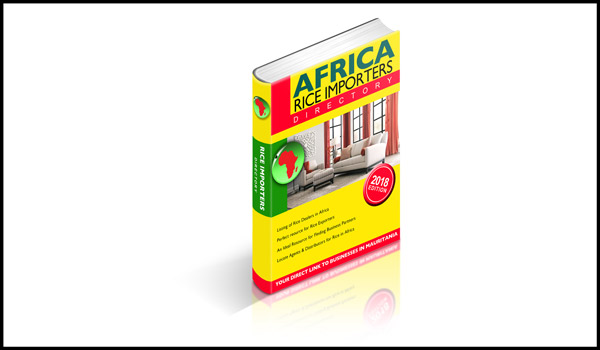
Africa Business Pages, the leading B2B portal connecting African buyers with global suppliers, has compiled a special directory of rice importers in Africa. The Africa Rice Importers Directory lists major rice importers in Africa from over 40 African countries. Rice importers in Africa have been buying ever increasing quantities of rice from all across the world in order to meet the rising demand for rice amongst African buyers. According to industry reports, A frica imported 17 million tonnes in the last five years. Around half of the current global population—or about 3.5 billion people—relies on rice as a source of sustenance and livelihood. As local rice producers in Africa are not able to meet the rising demand for rice, importers of rice have been buying from overseas suppliers to meet the rising demand for rice amongst African consumers. Many African rice importers import a significant amount of rice for local consumption and regional distribution. However, the relatively small country of Benin has emerged as one of the leading rice importers in Africa. Most of the rice imported into Benin is actually destined for Nigeria and is smuggled across the border to bypass the ban on imported rice by the Nigerian government in a bid to promote local agriculture. The Africa Rice Importers Directory has been compiled with the sole purpose of promoting direct B2B contacts between African importers of rice and global suppliers. The Africa Rice Importers Directory provides exporters of rice a comprehensive database of importers of rice in Africa and helps them contact them directly. Online sales as well as email marketing has been playing an ever important role in promoting B2B contacts and generating sales leads – specially so in Africa where other forms of media and promotional tools are not as effective. By compiling a well researched list of rice importers in Africa, the Africa Business Pages has proved once again that it has been leading the pack when it comes to direct B2B promotions in the African markets.
Preliminary request for participation in the trade show
place
calendar_today
Preliminary request for visitor registration
Visitor Registration
place
calendar_today