

Top 10 Imports of Africa
folder_open Articles
Africa has emerged as an attractive market for export-oriented companies and manufacturers across the world as demand for consumer and capital goods in Africa has been growing at a steady pace in the last few years. The emergence of an affluent middle-class with disposable incomes in many African companies has contributed largely in the increased trade to Africa. If you are targeting the African buyers in new and emerging African markets, here is a list of 10 major African imports based on current Africa import and export statistics: Automobiles The automobile industry provides innumerable lucrative opportunities in this rapidly growing continent. The high rate of economic growth and urbanization has led to a subsequent rise in income levels. This implies that more and more people are now able to purchase vehicles both for personal and commercial purposes as they move from low income status and into the upwardly mobile middle class. However, the continent boasts very little output in terms of automobile manufacture. Additionally, the major import firms in Africa focus their business on high-end buyers who are in a position to afford expensive, brand new vehicle models. This leaves a gap in the market for inexpensive used vehicles for the bigger percentage of buyers. For a long time, Japan and Korea dominated this niché market but in more recent years, the US and China are also making inroads to grab a piece of the pie. The market is still ripe and opportunities are endless considering the fact that the percentage of vehicle ownership is still very low in most African markets. Computers and other IT Products Another vastly unexploited export opportunity to Africa is in the sale of IT products. This has largely been the result of an ongoing computerization trend that has taken a hold throughout the continent. Even though there a few manufacturers of IT equipment in Africa, they have been unable to keep up with the level of demand in the market and as a result most traders are forced to import. Africa has one of the highest rates of growth in the market for IT products worldwide. As a result, multi-national manufacturers have concentrated their efforts on the market, producing in great quantities items specifically targeting the African market. South Africa’s computer market for instance is valued at more than $1 billion. One of the factors behind the growth in the sector is the fact that many organizations are changing from the traditional desktops to the more personal and portable laptops and ultra-books. Furthermore, the rapid pace at which innovations are being introduced to the sector and the inversely proportional price reductions have also boosted demand. The UAE has the lion’s share of this market thanks to its strategic position relative to the African continent that implies low transportation costs. Furthermore, the regulatory requirements governing the trade over both countries have served to favour the cycles of demand and supply. There is very high competition in the IT business in this region and as a result, the prices are rated among the cheapest globally. Automobile Spare Parts Most of the African buyers are buying substantial quantities of automotive batteries, tyres, spare parts, ball bearings, water pumps and a host of automobile spare parts from overseas markets for selling them at a profit in their own countries. In addition to automobile spare parts, a major import to many African countries in recent years has been tyres, batteries and lubricants. Clothing and Fashion Accessories The fashion and textile industry provides another booming opportunity for export to Africa. New imported clothes have gained popularity as a status symbol and are a reserve of the continent’s wealth. In a bid to keep up with the ever evolving trends in the fashion world they do not spare a dime in purchasing the most exclusive labels from the world’s top fashion hotspots. Countries like China provide cheaper options of clothing for the general populace by taking advantage of its high levels of industrialization as well as the availability of cheap labor in the production process. Secondhand clothes are also in great demand in Africa amongst the low-income earners. The United States is the largest used clothing exporter globally selling almost $700 million annually – a large portion of which is exported to Africa. However, the used clothing business has encountered its share of challenges with some African countries planning to ban the importation of used clothes. Pharmaceuticals The world is ever in search of more affordable drugs and Africa is no exception to this rule. Healthcare is a big concern with a majority of Africans who are unable to afford expensive medical care. Moreover, there is a huge gap in the demand and supply chain as African does not have any major bulk manufacturers of pharmaceuticals. Pharmaceutical products constitute a big bulk of Indian exports to Africa. This is largely due to the fact that India has emerged as one of the world’s biggest manufacturing hubs for generic drugs India's pharmaceuticals trade with Africa is worth over $17 billion annually. Mobile Phones The African mobile revolution has taken the world by storm with the continent having the second biggest market for mobile devices after China. Africa has more mobile device users than land lines. By 2020, the number of devices in use in the African continent is projected to reach about 1.8 billion. Subsequently, the sale of mobile phones has been on a consistent rise every year with the figures soaring to unimaginable levels as manufacturers consistently introduce improved models into the market. Considering that the current use of mobile phones mostly centers on making calls and sending short messages, the figures are expected to continue rising as the cost of using the internet becomes lower in most African countries. For the past five years, the annual rate at which the number of mobile users increases has been about 65%. This makes Africa the ideal market for international traders looking to secure viable export opportunities in Africa. Nigeria is once again the continent’s leader in the mobile handset market followed closely by South Africa. However, even in less developed war-torn countries like Somalia the mobile telecoms industry continues to thrive. Mobile money platforms have particularly made a significant contribution to this growth by offering most of the services that were previously the reserve of banking institutions. The huge unbanked population in the continent now enjoys these features from the convenience of their mobile handsets. There is still so much potential for growth in this market creating an ideal investment opportunity for exporters. Stationery Enterprising traders have found a large market for stationery items in Africa. This rise in demand has been a result of the increased number of academic institutions and the importance African attach to education. Since there is a shortage in the manufacturing capabilities for these products, the demand for stationery in Africa is being met by overseas companies. Dubai has come to the fore as one of the most reliable suppliers in this sector giving competitive prices and a suitable environment for import export trade. Foodstuff While Africa was once a major exporter of agricultural products to other countries, there are a number of factors that have created a turn of events and it now accounts for a huge market share of the food importation market. These include the ever-expanding population, poor infrastructure, mismanagement of local agricultural industries, and the emergence of the middle class. While this may spell doom for its population, it is the best news an international trader would want to hear. With the middle-class expected to continue growing, the African food import market is bound to continue to grow for a while since there is a shortage on laborers to work in the agricultural sector. As always, Nigeria and South Africa take the lead in the region’s top importers and together with Angola, they account for almost half of all the imports made into the continent. Electronics The African market has not yet been able to achieve self-sustenance in the electronics sector and relies on external players in the industry to fill its growing need for home appliances and electronics. Electronic products from Asia have gained increasing popularity in the African markets thanks to their well-equipped production and assembly facilities as well as competitive pricing. Unlike European and American manufacturers, Asian manufacturers have easy access to electronic components and hence are able to provide cheaper prices. Machinery & Engineering Products Africa lacks the strong and diversified base that is necessary for the production of most engineering products. These refer to all materials needed for the manufacturing of other products. They form the base for such strong manufacturing countries as China and India and have turned these into the biggest exporters of the products into Africa. This is another important product on the list of items that can be imported into Nigeria by virtue of the dynamic nature and rapid rate of urbanization of the country. It has therefore worked out favorable bilateral trade agreements with these major manufacturers in order to maximize the opportunities for trade. Chemicals The demand for chemicals in the African market has exceeded its supply capabilities by far. The current rate of industrial growth and the general demand for products by its growing population necessitates the importation of these products. The agricultural sector is one of the areas of the African economy that has created a great need for the products. There is a growing trend in the use of modern agricultural methods that utilize organic chemicals to a greater degree than ever before. The cosmetics industry is also growing rapidly and there is increased need for raw material to manufacture soap, colognes, make up and various toiletries. How to Penetrate the African Market Reaching the right African buyers is a challenge for most international companies. The dearth of information and the unorganised nature of business in many African countries is indeed a challenge for those wanting to export to Africa. Buy the African Importers Database Africa Business Pages, the leading B2B portal connecting African buyers to international suppliers since 1996, has compiled a database of African companies. The database of African importers has helped many international companies identify potential business partners in new and emerging markets in Africa. Available for download from Africa Business Pages, the database of African companies lists importers in Africa and is available for download in excel format at https://importers.africa-business.com. Featured Listing on Africa Business Pages Many international companies have been able to find buyers in the African markets by listing their companies in dedicated African B2B portals like the Africa Business Pages. By listing your company under the relevant trade sector, many global suppliers have been able to generate useful sales leads from African importers. Advertise in Africa - Print & Digital Marketing in Africa Advertising has always been the preferred medium for reputed manufacturers, traders and suppliers to reach their target audiences around the world. By advertising in print magazines like Africa Business Pages you can get your company noticed amongst African buyers and importers. Digital marketing plans offered by Africa Business Pages have also been producing good results for advertisers. The digital marketing plan includes Email marketing to African buyers, banner advertising, content marketing, lead generation, business matchmaking as well as social media advertising.

African Business Email List | Africa Business List | Africa Business Database | Now available for download
folder_open Articles
Email marketing to reach African customer and African buyers is gaining popularity as more and more businesses look to expand in the African markets. However, there are very few reliable and authentic database providers that are able to provide accurate and authentic email marketing database for Africa. B2b marketing lists for Africa are mostly not as good as they claim to be. It is therefore a challenge for exporters across the world to find high-quality, authentic and authenticated email marketing lists for Africa. B2B marketing lists are easily available for most countries but not for most African countries. Reealising this, the Africa Business Pages, one of the leading B2B portals dedicated to African businesses, has released new email database of companies in Africa that it has collected since its inception in 1996. As one of the specialised B2B portal dedicated entirely to the African market, the email marketing database of Africa sold by the Africa Business Pages has helped many exporters, manufacturers, traders, service providers and merchants connect with their business counterparts in the African markets. The Africa Business Pages has now gone a step further and compiled all this useful data into well-organised Excel sheets that are easy to update and easy to distribute. Customers and now easily download the email lists database for Africa directly from the African Business Pages portal. This has come as welcome news by those businesses that were looking to export to Africa. By having access to authentic email database of companies in Africa, international businesses can now connect with importers in Africa, appoint agents in Africa and send their brochures and proposals to potential business partners in Africa. Email Marketing Database of Importers in Africa The Africa Business Pages has made available email marketing database of companies in Africa for the following countries: Algeria B2B Database - Complete email database with Company Name etc. Angola Importers Database - Email marketing database listing with emails etc. Benin Business Database - Authentic email database for Benin. Botswana B2B Email Database - Verified and registered email marketing list. Burundi Business Database - Full B2B email database for B2B email marketing. Burkina Faso Importers Database - Email marketing in Africa made easy. Cameroon B2B Email Database - Perfect email marketing list for email marketing. Cape Verde Email Database - Comprehensive B2B email marketing list for Africa. Chad B2B Email Database - For those looking for African email marketing database. Congo B2B Database - Email marketing list and database of importers in Africa. Djibouti Business Database - Database of companies in Africa for exporters. Egypt B2B Database - Export to Africa using this email marketing list for Africa. Ethiopia B2B Email Database - Email marketing list to reach importers in Africa. Gabon Business Email Database - The perfect way to launch your email marketing campaign. Ghana B2B Email Database - Useful B2B email marketing list and email database. Kenya Business Email Database - Business listings of companies in Africa in this database. Libya Business Database - List of importers in Africa with email addresses. Madagascar Email Marketing Database - Buy this authentic email database of importers in Africa. Malawi B2B Email Database - Buy this email database of importers in Africa. Mali Business Database - Contact list of companies in Africa for email marketing. Mauritania Email Marketing Database - Email database of companies in Africa for exporters. Mauritius Email Listings - African companies database for email marketing. Morocco B2B Email Database - B2B email database. Perfect for email marketing. Mozambique Email Database - List of companies in Africa with email addresses. Namibia Importers Database - Email marketing list of companies in Africa. Nigeria B2B Email Database - Business listings of importers in Africa. Rwanda B2B Email Database - Database of email addresses for email marketing. Senegal B2B Email Database - Buy email marketing lists to reach importers in Africa. South Africa B2B Email Database - Email database plus database of companies. Sudan B2B Email Database - Buy email database of companies in Africa. Somalia B2B Email Database - Database of companies in Somalia. Email database. Tanzania Email List - Tanzania business database for email marketing list. Uganda B2B Email Database - Email marketing list of importers in Uganda, Africa. Zambia B2B Email Database - Buy database of importers in Zambia, Africa. Zimbabwe B2B Email Database - Companies database of importers in Zimababwe. Each database is reasonably priced starting as low as $150. You can also buy the B2B email database of importers in Africa in bundles at discounted prices. Available for instant download at: https://importers.africa-business.com

Nairobi to Have Flying Taxis
folder_open Articles , Automobiles Sector
Last year Uber promised flying taxis in several cities by 2020. But the company will be relying on variety of partners to provide the actual vehicles and systems required to have a working flying taxi service in a city. The cars will be efficient in fuel use, safe and no noise compared to helicopters. McFly, the company that intends to introduce the service in Kenya will use an initial production cost worth $120,000 per vehicle. However, that is expected to reduce to $30,000 once they start producing in bulk. The trip will cost $8 per minute. But pricing will depend on grid’s load. Passengers will be picked up at the nearest helipad or heliport and dropped at the nearest pad to their destination, and will take a 5-10-minute walk at either end. US-based tech firms Facebook and Uber have also requested permission from Kenya's aviation regulator to test drone activities following legalisation of the Unmanned Aerial Vehicles (UAVs). The Kenya Civil Aviation Authority (KCAA) says the tech giants have shown interest in use of drones in the country following adoption of regulations to guide operation of the devices. The move makes Kenya the third country on the continent after Rwanda and South Africa to have a legal framework in place for the remotely controlled aircraft. Meanwhile, at least 19 companies are also working on flying taxis. Amongst them are big names like Airbus and Boeing (who have completed initial flight tests of an electric unmanned cargo aerial vehicle prototype), as well as small startups like Kitty Hawk, owned by Google founder Larry Page. Dallas, Dubai and Los Angeles are the first three cities where Uber plans to launch a pilot service by 2020. Uber has signed a Space Act Agreement with NASA to create a brand-new air traffic control system. Dubai's Road and Transport Authority (RTA) hopes that airborne taxi services will make up a quarter of all transport in the city by 2030 and Singapore is also investing in flying, driverless drones to resolve traffic problems. Introducing flying taxi services in cities will be a complicated and cumbersome task, but given the rising traffic problems in urban areas all across the world, flying cars and taxis seem to the only viable solution.

The evolving and rising nature of crimes in Africa have seen many people relying on contemporary and effective ways to monitor their businesses, homes and events. Over the years, it has become evident that man guards, the most popular response to crime in many African countries have become inadequate, and newer ways are being sought to ensure a combination of electronics support to enhance the effectiveness of Man Guarding on the back of technology in creating solutions around different risk equation and demands for safety. This explains an increasing demand in African countries for electronic security, which is the use of technology and electronic devices to provide safety and security for lives, assets, and businesses, by preventing and unauthorized access to restricted premises, critical assets, and sensitive data. This is done, leveraging on contemporary electronic security systems, intrusion & panic sensors and alarms, electronic access control systems, and CCTV/Video surveillance systems and analytics. A case in point is the Nigerian market which has responded positively to the electronic security market. In Nigeria, many private individual commercial establishments and government bodies are now investing on improving the quality of safety. A major factor contributing to these improvements are the wave of terror, kidnapping, some basic regulations being implemented in some sensitive sectors like FSI, Manufacturing and Oil & Gas. In fact, security systems are also now adopted as a strong basics for quality certification. Commercial establishments have also adopted security systems/programs as a strategic value proposition. Security in the face of the optimism, the market is still faced with a major challenge of premature and poor infrastructure, like power, physical development and in proper planning and legislation. Influence of technology and the growth trend Since the creation of the ear-piercing burglar alarm systems, profound level of fear amongst the public and a demand for more cost effective and efficient measure has increased demand for electronic security. The advent of the Internet of Things (IoT) has simplified the approach and made technology a critical factor in combatting the risk management deficient in every society. Technology is therefore a critical enabler in creating a sustainable Security management framework. The developed society today have invested billions of dollars in cities counties, states communities, critical infrastructure, real estate sectors on electronic security systems such as CCTV surveillance systems, access control and other security and surveillance equipment and gadgets. Africa is still way behind in this regard. But few discerning countries like Nigeria, Kenya, South Africa are beginning to take steps in the right direction. The system integration capability in electronic security has tremendously helped law enforcement in several African countries in apprehending criminals and law breakers. Most evidences produced through the platform has proven reliable. As it is, the global Electronic Security System market is characterized by various factors. The United State of America is considered to be the largest market followed by Europe, Asia, Middle East and Africa and is expected to be worth US$80 billion by 2020. It is envisaged that there will be a huge demand in CCTV and Video Surveillance and critical need to restrict unauthorized access due to the rising global insecurity which is considered to be borderless. Also, knowing that the African market is still evolving towards a one-dimensional strategy, which is why the market is not growing at the appreciable ratio. After South Africa, Nigeria is the second largest market of video surveillance systems in the Sub-Saharan region and is expected to grow at an annual growth rate of 5.3 percent from till 2022. It is expected that the market for civil security technologies in Kenya and Tanzania will also register robust growth in the future. Industrial growth and the increase of urbanization in both countries open up additional market potentials for the use of security technologies. Both in the commercial and public sectors the demand for high-tech video and alarm systems, electronic access control and specialty equipment especially will be on a high level. In addition, the threat of terrorist attacks plays a significant role. Fields of application of electronic security technology are strategically important facilities, such as airports, railway stations or other urban infrastructure.

Construction Industry in Africa Bounces Back
folder_open Articles
The face of the African construction industry is changing. Construction projects on the continent are getting bigger and more complex. According to recent reports, this is owing to rapid urbanisation, strong economic growth, a rising middle class and regional integration in many of Africa’s 54 nations. All make for the ever-increasing demand in Africa’s construction industry, as big infrastructure projects get under way on the continent. This development leaves industry stakeholders with a lot of questions on how to best secure funding for a project, what is needed for successful project management, what projects have priority and how to access the African market place? Construction costs will rise due to materials and labour One of the most common concerns industry experts cited is the escalating cost of doing business. With rising building material and labour costs, firms will likely struggle to maintain their margins in the coming year. Contractors have been expecting an impending bump in building material costs after several years of relatively flat growth. The Associated Builders and Contractors called the most recent decline in material prices “the calm before the storm.” On the labour side, the skilled-worker shortage has led to employers raising average pay higher than the national average. Experts say that increasing workforce costs — which include recruiting and wage costs for current employees — will cut into contractors’ bottom lines. Most Africa countries spent a lot of money in the construction related projects in the last couple of years and growth of over 5% in the construction industry is expected in the next two years. Demand for Green Cement in Africa The global market for green cement is expected to grow to US$38.1 billion by 2024 from US$14.8 billion in 2015. Green cement reduces the carbon footprint of construction activities through the substitution of cementitious industrial wastes, such as fly ash from coal-fired power plants and slag from the steel and iron processing industry, as a replacement for traditional cement. Demand for green cement in Africa will provide an increasingly lucrative market over the next few years due to growing trends in sustainability and energy efficiency for both buildings and infrastructure. The coming years will witness an increase in demand from local African marketplaces for more sustainable products in the local built environment. Kenya: A Booming Construction Industry Currently, Kenya’s construction industry is going through boom. The government has invested heavily in the construction sector of Kenya in order to improve the infrastructure such as road networks, and at the same time provide new residencies for the locals (who are being supported by the banks to get loan to buy apartments/cars). According to the Kenya National Bureau of Statistics, the real estate and construction sectors continues to be some of the key drivers of economic growth in Kenya for the last five years. The Kenyan construction industry contributes 7 percent of the gross domestic product (GDP), which makes it clear that Kenya has a well-developed construction industry. With an increase in population, opportunities exist in the construction of residential, commercial and industrial buildings, including prefabricated low-cost housing. The economic outlook of the country indicates that the construction industry presents one of the key areas that would, and is, attracting investors to the country. Extensive opportunities for investment exists particularly in the area of upgrading slums and informal settlements, urban renewal, construction of middle and low income housing, and the manufacture and supply of building materials and components. Infrastructure development is a central pillar of Kenya's Vision 2030 and in 2015 the US$3bn construction sector contributed 4.8% to the Kenyan economy. The Economic Survey 2016 published by the Kenyan National Bureau of Statistics (KNBS) reported that approximately 148,000 people are formally employed in the domestic building and construction industry. Players operating in the sector range from indigenous micro-enterprises to foreign multinational civil engineering and construction giants. Although building and construction contractors are required to be registered with the National Construction Authority (NCA), a significant number of unregistered contractors operate in the informal sector. Kenya has the highest literacy rate in Africa and the workforce is well known for being educated and hard working. One advantage for foreign investors is that everyone speaks the common language English. This makes it easy for new people to understand and quickly adapt to the new country. Therefore, Kenya serves as a good starting point to begin business in Africa due its positive growing economy, natural reserves & a strong workforce who can easily be communicated with. A recent study by BMI Research shows that the local construction industry will grow by 8.7 per cent this year and remain steady up until 2026 with an annual growth of 6.2 per cent – which will see Kenya outperforming all Sub-Saharan countries. Kenya’s construction market is poised for significant expansion between 2018 and 2026. Significant support for the sector will stem from the Kenyan budget, backed by foreign investment into the country’s planned infrastructure development. Nigeria's Construction Industry Following a difficult 2016 the Nigerian construction sector showed signs of stronger growth from the first half of 2017 onwards. The uptick in activity comes on the back of a low base, however, as the country’s first recession in 25 years affected private investment in real estate building and oil companies had to scale back investment plans due to lower global oil prices. The stabilisation of the naira, the utilisation of new contract structures and an increase in local suppliers are now helping to provide fertile ground for activity. Local content, in particular, is playing a larger role in the market, with domestic companies active as both standalone contractors and as subcontractors for foreign firms. While public sector tenders – which have traditionally been the source of major works – remain limited compared to the booming years of the 2000s, the increase of private development in the residential and commercial building segments offers promise. Nigeria is often highlighted as one of the most attractive markets in Africa for construction works. In West Africa, of the nearly $120bn committed to infrastructure spending across 92 projects, 61% is earmarked for plans in Nigeria. The country currently has 68 major building projects with a total capital expenditure of approximately $73billionn, second only to South Africa on the entire African continent. Given the size of the Nigerian economy and traditional spend of other African states, however, these figures mask a historical underspend in gross fixed capital formation (GFCF), a category that includes infrastructure projects and land improvements. An average GFCF of 30% of GDP is considered optimal for creating a growth-conducive environment, but in recent years Nigeria has spent just 11.9% of GDP compared to a sub-Saharan Africa average of 21.5%. Ethiopia, the continental leader, spent an average of 32.8% of its GDP on infrastructure over the last decade.
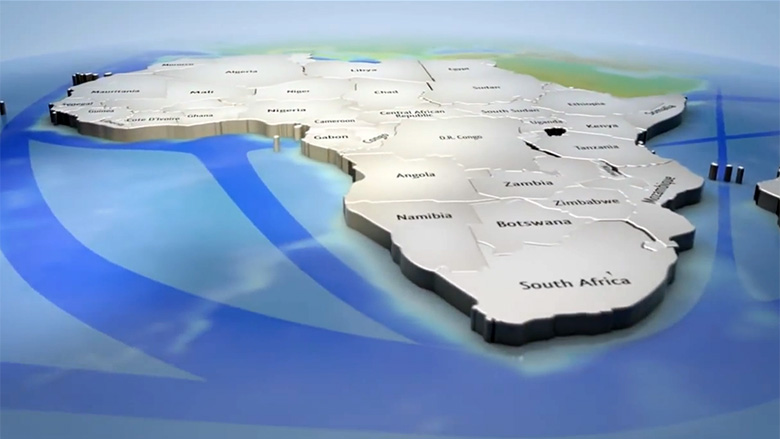
Ethiopia has adopted a new system to tackle trade under-invoicing that costs the country an estimated $2 billion every year. Ethiopia Customs and Revenue Authority has linked its new Customs database to global price makers which updates itself automatically. The new system will help detect cases where importers under-invoice the value of their goods in order to reduce their import duties. “We are also identifying the major importers in the country for close follow-up by our intelligence unit. We also have a plan to pay up to 10 per cent of the recovered tax money to members of the public who inform us of tax fraud,” said Sisay Bikaru, director of Ethiopia Customs and Revenue Authority (ERCA). According to reports, Ethiopia loses $1.97 billion every year through trade under-invoicing, and a further $630 million every year through illicit financial flows. The losses constitute five to 10 per cent of the country’s GDP. Uganda, Tanzania and DR Congo lose about $720 million, $480 million and $225 million annually to illicit flows. In Africa, South Africa is ranked top at $20.9 billion lost through illicit flows annually, followed by Nigeria at $17.8 billion, Morocco at $4.1 billion, Egypt at $3.9 billion, Zambia at $2.8 billion and Cote d’Ivoire at $2.3 billion. Ethiopia’s tax to GDP ratio stands at 13 per cent, compared with 15 per cent for sub-Saharan Africa. According to recent reports developing countries lose $85 billion a year through trade under-invoicing, with China losing the most through illicit financial flows.

Ethiopia's Automotive Industry
folder_open Articles , East Africa
Ethiopia is among Africa’s most impressive growth performers over the past decade averaging 10.9% annual growth between 2010 and 2020. With a GDP of US$91 billion in 2019 it is among the top ten largest economies in Africa and the third largest in Eastern Africa. After Nigeria, the country is also home to the continent’s second largest population of 95 million people. Undoubtedly, Ethiopia is a relatively untapped investment opportunity in Eastern Africa especially in the manufacturing sector. Ethiopia’s automotive market is dominated by second-hand imported vehicles – particularly commercial vehicles. Commercial vehicles were Ethiopia’s second most valuable import overall in 2019, worth US$955 million. On the other hand, commercial vehicles are also Ethiopia’s highest earning automotive export. This can largely be attributed to Bishoftu Automotive Industry (BAI), an automotive manufacturing and assembly company run by the Ethiopian military. BAI specialises in assembling, upgrading, overhauling and localising buses, pick-ups, SUVs, trucks and military equipment such as tanks and armoured personnel carriers (APCs). Military vehicles are largely for the use of the Ethiopian military and African Union peacekeeping missions while civilian vehicles are supplied to local customers such as state-owned transport providers. Small quantities of commercial vehicles have been exported to neighbouring Somaliland. Increasing Numbers Ethiopia has the lowest motorisation rate globally, with only two cars per 1,000 inhabitants. Recent reports estimate that in 2019 there were 175,000 vehicles in use in Ethiopia, of which 100,000 were passenger vehicles and 65,000 were commercial vehicles. Between 2010 and 2020, total vehicles in use grew at a CAGR of almost 2.1%. According to Ethiopia’s Ministry of Transport approximately 84% of the market is passenger vehicles while commercial vehicles make up 16%. Second-hand vehicles in Ethiopia tend to appreciate in value due to high import duties and limited supply of vehicles. As a result, second-hand vehicles dominate the market. Approximately 85% of vehicles are second-hand imports, of which almost 90% are Toyotas.These vehicles are imported primarily from the Gulf States, through the Port of Djibouti. Automotive Sales Although there is almost no publicly available reliable data on vehicle sales in Ethiopia. It is however estimated that 18,000 vehicles are brought into Ethiopia each year. The majority of these are second-hand vehicles. Each year, 2,000 new Toyotas and between 5,000 and 7,000 used Toyotas are imported. Clearly, Toyota controls approximately 65% of the total market (new and second-hand) due to its reputation as being reliable and inexpensive to maintain. The main drivers of new commercial vehicle sales are construction, agri-business and retail while passenger vehicle sales are driven by government (including diplomatic corps) purchases. Vehicle affordability is further locked up by prohibitively high vehicle taxes of sometimes more than 220% depending on engine size. As taxes in Ethiopia are cumulative, excise tax is calculated on the customs duty, surtax is charged on top of the excise tax, and customs duty and final VAT is calculated once the surtax, excise tax and customs duty have been added. Imported vehicles may cost as much as three times the retail price of the vehicle outside of the country. Commercial vehicles, such as pick-ups, vans and trucks, have a lower tax rate than vehicles for personal use. Relative disincentives exist vis-à-vis personal vehicles compared to commercial vehicles. Diplomats and foreign investors are allowed to import vehicles duty-free. The supply-depressing character of foreign exchange shortages contributes to imbalances in the market and drives up the market price of vehicles, thus also having a negative impact on the affordability of vehicles in the Ethiopian market. Production and Assembly The Ethiopian Investment Commission (EIC) reports that 31 foreign vehicle investment projects (largely Chinese projects but also someinvolvement of European companies) and 73 domestic vehicle assembly investment projects have been licensed since 1998. This means that a total of 104 companies have been licensed for vehicle assembly in the country over the past two decades. However, only a few of these are operational, with the vast majority licensed at the pre-implementation stage. During the past decade, a number of leading international automotive companies have carried out market scoping exercises to assess the viability of Ethiopia as an assembly hub. However, due to the limited market size, large-scale investments by these automotive firms have not yet materialised. Although a number of assemblers source some components such as tyres locally, Ethiopia has no defined local content requirement. A number of assemblers indicated that they are instructed that local content should be approximately 30% in order to qualify for the 30% tax incentive associated with all local manufacturing, but that no written agreement exists between assemblers and the state. Due to Ethiopia’s tax system, which subjects vehicles to tax depending on their engine size rather than age or origin, it is often cheaper to import a second-hand vehicle with a smaller engine size than it is to assemble a vehicle locally, despite import taxes on these vehicles. Despite being home to the continent’s second largest population, the overall automotive market size remains small in the short to medium term for current and prospective assemblers and producers. However, Ethiopia’s strong government support for industrialisation and the development of auxiliary industries coupled with a large cost competitive labour pool, and sizeable investments in infrastructure (both physical and economic) could position the country favourably for automotive manufacturing in the long term to service both the regional and domestic market with price competitive vehicles. To achieve this, clear definitions of local content need to be developed. The country’s high tax rates on vehicles reduce the affordability of vehicles, especially given the low income of the population, and restrains the vehicle retail market. To address this, industry stakeholders should support the establishment of vehicle financing solutions, in order to encourage wider vehicle ownership. Taxes should be revised to also take the age of vehicles into account in order to provide incentives for locally produced vehicles.

Morocco Automotive Industry Growing Fast
folder_open Articles
Before the end of next year, Morocco officials hope to announce the name of a third global automaker to build an assembly plant there. The unnamed manufacturer would launch production in the North African kingdom in 2021 or 2022, according to Khalid Qalam, senior adviser with Invest in Morocco. That third player would join Renault, which has two factories in Morocco, and PSA Group, which will begin building cars near the coastal city of Kenitra in 2019. But Morocco has even bigger plans for the industry. The country is working to recruit a fourth major automaker plant before the end of 2021, Qalam says, with production starting in 2023 or 2024. A fourth project would help the country reach its stated goal of having the capacity to build 1 million vehicles a year by 2025. “At that level, we believe Morocco will rank among the top 15 vehicle-producing countries in the world, and quite possibility even enter the top 10,” Qalam said. Officials are mindful of the shifting nature of global technologies, he adds. Morocco is encouraging its next vehicle manufacturer to produce a platform that allows it to manufacture both electrified vehicles and conventional models. Morocco’s pitch to world automakers is that it offers a low-cost base to produce models for export to Europe. But to help make EV production more attractive, Morocco will be providing consumer incentives to get local buyers to consider switching to models that fully or partially run on battery power. By 2025, Morocco wants annual sales of electrified vehicles to rise to 70,000 to 100,000 from small numbers today. The move to electrified transportation coincides with Morocco’s aim to become a major producer of solar power and to cover half of the country’s energy needs from alternatives such the sun, wind and biomass. The average wage in Morocco is less than 400 euros ($450) a year, compared to 2,000 euros just across the Mediterranean in Spain. The tax rate on companies is 0 percent for the first five years, and businesses are given a big break on value added tax. The country’s Tangier Med Port is already capable of processing 1 million vehicles a year. In addition, a high-speed rail line between Tangier and Casablanca is set to be operational in 2018. Africa Automotive Directory The research team at Auto Parts Africa has compiled a valuable database of automotive companies in Africa through painstaking work across more than 20 African countries. The result is the compilation of the first even Africa Automotive Directory which lists more than 17,000 automotive companies in Africa. This database of automotive-related companies in Africa lists wholesalers of automotive parts in Africa, auto parts dealers in Africa, auto parts retailers in Africa, auto parts suppliers in Africa, auto parts distributors, garages & service stations, Government Bodies, Automotive Associations as well manufacturers of auto parts in Africa. The Africa Automotive Directory is available for download here. Companies and exporters of auto parts from across the world have been using this database of automotive companies in Africa to reach potential buyers in Africa of auto parts and connect with importers of auto parts in Africa. This Directory contains the latest and complete information about your potential business partners in several cities across Africa. Listings of Top Companies Dealing in Auto Parts In MS Excel format Classified under different Trade Categories Up-to-date database of tyre dealers in Africa The database is well organised in an Excel sheet and the sortable fields include: Company Name, Address, Phone, Fax, Email, Website, Business Category.

Formed in 2015, the Africa Association of Automotive Manufacturers (AAAM) works specifically to promote and facilitate the growth of the African automotive industry. Formed by executives from the world’s biggest car manufacturers, the African Association of Automotive Manufacturers (AAAM) embarked on a concerted push to revive and resurrect Africa’s auto industry. Since then, the newly-created African Association of Automotive Manufacturers (AAAM) has been working with key African governments to create the right policy environment for the sector to ?ourish. Not surprisingly, one of the organisation’s ?rst ports of call was government leaders in Nigeria’s capital Abuja. Fast-growing Nigeria is the jewel in Africa’s auto crown with just 44 vehicles per 1,000 inhabitants, far below the global average of 180 vehicles per 1,000 inhabitants, according to recent estimates by a Deloitte report. While new vehicle sales have jumped in developing markets like China, India and Brazil over the last decade, growth in Africa has remained relatively slow. According to the International Organisation of Motor Vehicle Manufacturers (OICA), only 1.5 million new vehicles were sold across the African continent’s 54 countries with a combined population of 1 billion in 2016. South African consumers buy most new cars, and together with Egypt, Algeria and Morocco account for almost 80 per cent of the continent’s total auto sales, with only muted demand from important economies like Nigeria and Kenya. But far from being a disincentive to investors, the ?gures act as a rallying call. “When Volkswagen and General Motors moved into China the motorisation rate was lower than in Ethiopia today. The limited market was not a deterrent for the early movers who recognised China’s long-term potential,” says Karthi Pillay, Africa automotive leader, risk advisory at Deloitte. Africa’s untapped demand combines with a steady increase in consumer spending which has been rising at an annual rate of 10 per cent over the last few years. Moreover, analysts predict that by 2030, over half a billion Africans will have joined the middle class. “If the growth in vehicle sales keeps pace with growing consumer spending, annual sales of passenger cars in Sub-Saharan Africa will surpass 10 million units by 2030,” says South African consultancy B&M Analysts. Mix with this a renewed determination amongst African leaders to diversify their economies through boosting manufacturing. New policies aimed at increasing domestic car production are starting to pay off. In 2016, China’s state-owned car manufacturer Beijing Automotive International Corp unveiled plans to build a R11bn (US$759mn) auto plant in South Africa – the biggest investment in a vehicle-production facility in the country in four decades will earmark over half of its output for export, initially to East, West and North Africa. Elsewhere, after a four-decade break in production, Volkswagen is starting up its Kenyan production line once again. The signs are good. But with challenges ranging from imported used cars ?ooding the market to Africa’s weak manufacturing base and a lack of ?nance for would-be car owners, Africa promises a challenging operating environment. USED CARS THRIVE IN AFRICA The biggest barrier to new vehicle sales in Africa is cheap, imported second-hand cars from the US, Europe and Japan. Consultancy Deloitte estimates that eight out of 10 imported cars in Ethiopia, Kenya and Nigeria are used cars. According to the Kenya National Bureau of Statistics (KNBS) the volume of imported vehicles between 2005 and 2017 grew at over 300 per cent from 33,000 to over 120,000 units. Governments are developing policies to limit the in?ux. In an effort to hike the price of second-hand cars to favour more new car purchases, Kenya has forbidden vehicles over eight years old from entering into the country, with plans to reduce this further. Similarly, Nigeria has increased its import duty on second-hand vehicles, most of which arrive in a bustling trade from the US into Africa via Benin’s Cotonou port. As a result, Nigeria’s imports of cars from the US plummeted from more than 100,000 a year to less than 40,000 units in 2015. Other signs of change include the enduring stagnation of the Japanese economy. It has resulted in sluggish sales of new cars there, which in turn has created a shortage in the supply of quality used vehicles. There has been “a deterioration of the environment surrounding the export of the used motor vehicles industry”, says Hiroshi Sato, chairman of the Japan Used Motor Vehicle Exporters Association. As crucial as controlling used-car imports is to nurturing a domestic industry, so is establishing a manufacturing base. South Africa leads the continent’s auto manufacturing sector with original equipment manufacturers, long-established in the country and backed by a vibrant community of 500 suppliers and diversi?ed manufacturers. Yet, head up the continent and there is little auto manufacturing until North Africa, bar light manufacturing from imported kits. Kenya only has three assembly plants, and they all produce vehicles with wholly imported parts that require no domestic manufacturing input. The Kenyan government, which has identi?ed the auto sector as a key driver of the country’s industrialisation policy, has promised incentives to encourage a local industry. These include building special economic zones which bene?t from tax holidays and low utility rates. It has also introduced local input requirements and tariffs on imported auto components that could be manufactured locally. Encouragingly, the assembly of motor vehicles in Kenya grew by 31.4% from 2013 to 2014, with assembly ?gures forecast to almost double between 2013 and 2019. It’s improving the country’s chances of becoming a hub for assembly and production in the region. It’s a similar story in Nigeria, where the Automotive Industry Development Plan (NAIDP) pledges to build auto industry infrastructure including supplier parks and clusters. Tax incentives include Nigeria allowing car groups to import two fully-built units at a discount duty of 35 per cent for cars and 20 per cent for commercial vehicles, for every one built locally. The government also aims to boost skills and investment and encourage a local component industry to supply manufacturers at competitive prices. It amounts to the kinds of incentives that encouraged Ford to begin assembling its Ford Ranger pickup in the Nigerian city of Ikeja in 2015, partnering with Ford dealer group Coscharis Motors on the project. “Nigeria is a priority market for us in Sub-Saharan Africa and this will allow us to better serve our customers, both from a retail point of view and in terms of vehicle and parts availability,” says Jeff Nemeth, president and CEO of Ford Motor Company of Sub-Saharan Africa. “We are committed to supporting Nigeria’s developing automotive industry and economy together with Coscharis, and are looking forward to being active in the community. New assembly operations, even on a smaller scale like this one, have very positive ripple effects in the local economy and workforce.” But nurturing indigenous manufacturing is still dif?cult. Nigeria-based groups Nissan and Peugeot also only assemble the bulk of their vehicles from imported semi-knocked down (SKD) kits because there is no local manufacturing industry. Even Nigeria’s own Innoson Vehicle Manufacturing Company (IVM) based in the south-eastern Anambra state, assembles trucks and buses with completely knocked-down (CKD) kits with all the vehicles’ engines, gear boxes and electrical parts imported from overseas. Auto-related imports into Nigeria accounted for around 11.5% of total imports, worth around US$6.9bn in 2014, according to UNCTAD. AFRICA'S AUTOMOTIVE SECTOR Nigerian policy is currently making things even more dif?cult. Like all manufacturing, the auto sector is struggling under currency policies and associated import controls set up to conserve hard currency – and encourage local manufacturing – by prioritising strategic imports. It’s starving the auto sector of inputs and leading to a collapse in supplies of product lines from glass to rubber. OICA estimates that total new vehicle sales in Nigeria dropped by more than half in 2017, compared to 2016. It’s this kind of foreign exchange controls that are also limiting the ability of companies to import SKD units and parts for assembly and repair in Ethiopia, where high taxes also make cars unaffordable for most. Exporting within Africa is also a challenge for the continent’s carmakers because of tariffs and barriers. Uganda and Tanzania slap tariffs on cars assembled in Kenya, the only country in the East African Community with assembly capability, because they don’t meet local input criteria. It gives imported second-hand cars the edge. In recent times, Toyota South Africa saw a fall in exports to the rest of the continent as a result of higher tariffs in Nigeria, Algeria and Angola. Meanwhile, South Africa exports more vehicles to Europe, the US and even Asia than it does to its neighbouring African market. “Vehicle exports to Europe and Asia continued to show growth. Vehicle exports to African markets recorded substantial declines. This was due to a combination of factors including ad hoc duty increases in Nigeria and Zimbabwe, regulatory restrictions in Algeria and weaker economic conditions across most African countries due to the decline in commodity prices,” says Nico Vermeulen, director of the National Association of Automobile Manufacturers of South Africa (NAAMSA). FINANCING NEW CARS IN AFRICA Governments also need to create easier access to car ?nance. “The availability of ?nancing for new motor vehicles is virtually non-existent in most African countries,” says Vermeulen. South African banks have been quickest off the mark. South Africa’s FirstRand Bank announced plans to set up a vehicle ?nancing arm in Nigeria via its subsidiary WesBank, Sub-Saharan Africa’s largest provider of auto loans. Meanwhile, First Bank of Nigeria has spotted opportunity in the growth of car sharing in Nigeria in a development that the architects trying to build demand for new cars can hardly welcome. The bank’s vehicle ?nancing arm plans to extend borrowing to highly-rated Uber drivers via low-interest, used vehicle loans. The car-sharing platform has operated in Abuja and Lagos since it entered the Nigerian market in 2014. It currently has more than 2,000 drivers and was targeting 4,000 by the end of 2016. “We are absolutely committed to making it as easy as possible for our driver partners to start and maintain their own successful and pro?table businesses,” says Ebi Atawodi, general manager of Uber Nigeria. “And these used vehicle ?nance options make it possible for those with a demonstrable performance commitment to build sustainable businesses without incurring the high costs often associated with new vehicle purchases.” The growth in car sharing in Nigeria leads Deloitte’s Pillay to ponder future developments in the industry. “It shows mobility leapfrogging car ownership; Africa may not be a market focused on making and selling cars,” he suggests. Indian and Chinese manufacturers believe their low-cost models will have the advantage, while others are betting on the electric car. Uganda’s Kiira Motors grew out of a research project at Makerere University and is aiming to produce electric vehicles by 2019 before becoming original manufacturers by 2039. Ford is expanding its multi-modal approach to urban mobility. One of the innovations on show at Go Further Africa was its electric MoDe:Pro e-bike. Whatever the future holds, Africa’s consumers are the last untapped market for the auto giants.

Africa Business Pages B2B networking group. Join now at https://chat.whatsapp.com/Hh6sOcfcAw2BdW5PCtyyfS From 2016 onwards, WhatsApp has emerged as one of the fastest growing networking apps as well as a media platform in Africa. For most Africans, WhatsApp is their main social media platform, overtaking even Facebook. According to recent reports, more people in Africa use WhatsApp, not Facebook, to communicate with each other and share information. People all around the world use WhatsApp to connect with small businesses they care about – from online clothing companies in India to auto parts stores in Brazil. But WhatsApp was built for people and we want to improve the business experience. For example, by making it easier for businesses to respond to customers, separating customer and personal messages, and creating an official presence. Although WhatsApp has not released any official data about its market position in Africa but it seems to be eager to tap into the growing popularity of WhatsApp in Africa – evident from the recent launch of a dedicated standalone app called WhatsApp Business which targets small businesses. WhatsApp Business is currently just for Android users who dominate market share in emerging markets. It is estimated that 80% of small businesses in Brazil and India already use WhatsApp Messenger to reach their customers. WhatsApp Business features include business profile, messaging tools such as quick replies, greeting messages and away messages, metrics and a verified business account listing. “Our new app will make it easier for companies to connect with customers, and more convenient for our 1.3 billion users to chat with businesses that matter to them,” WhatsApp says. Customers won’t need to install new apps as messages sent from WhatsApp Business will be received on WhatsApp Messenger as usual. Already, over 500,000 users have installed the app within two weeks of being rolled out. A quick check showed the app which was rolled out initially in the UK and US on January 18, is now available in Nigeria, Kenya and South Africa. “It is a nice move that WhatsApp is going all-in for small businesses even though Africa’s big companies would also jump on the WhatsApp Business train as part of their digital business outreach,” said Chris Alagboso, an Owerri-based Nigerian media entrepreneur. While several early users of the new app in Nigeria said they were impressed, they observed that several important features that small businesses need are still missing such as receiving payments and the possibility of finding potential customers with a service similar to Facebook’s Sponsored Posts. WhatsApp rise has caused tensions with some of the mobile network operators as its success has eaten into the traditional voice and SMS revenue structure since the app enables users to make voice calls and text messaging for relatively low data costs. But the upside of WhatsApp’s popularity is that it is likely partly responsible for the continued rise in internet use particularly with smartphone take-up. For example in Zimbabwe, one of the few countries to provide data, WhatsApp alone was responsible for nearly half of all internet traffic in the country in 2017. In Nigeria, both e-commerce startups and traditional retailers in local markets have been experimenting with reaching their customers on WhatsApp, usually targeting popular WhatsApp groups or building broadcast lists. Africa Business Pages has always been leading the brigade in terms of embracing new technology to reach new audiences in Africa and already has a dedicated WhatsApp Business Group that helps African entrepreneurs connect with businesses worldwide. You can join the https://chat.whatsapp.com/Hh6sOcfcAw2BdW5PCtyyfS
Preliminary request for participation in the trade show
place
calendar_today
Preliminary request for visitor registration
Visitor Registration
place
calendar_today