
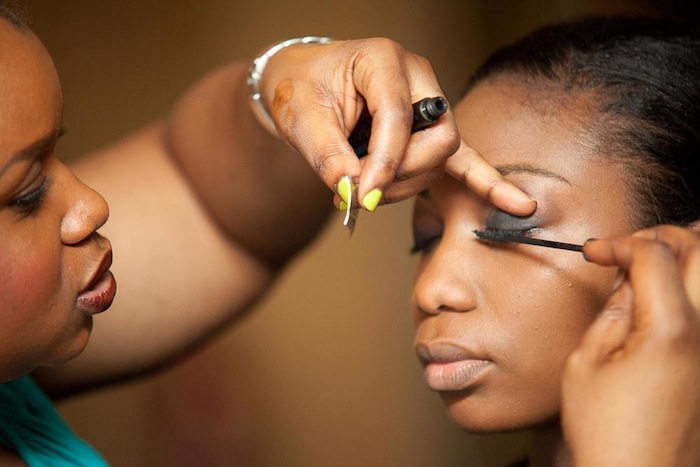
Acquisitions: The new trend in Kenya's cosmetic industry
folder_open Cosmetics, Perfumes & Toiletries , East Africa
The beauty and cosmetics industry has become Kenya’s new hub of investment that is pulling in big money to establish new lines of business and to snap up successful enterprises through multi-million shilling acquisition deals. That statement was firmly made when Flame Tree Group acquired a local start-up Suzie Beauty in a deal estimated to be worth millions of shillings. The Flame Tree Group said it made the acquisition as part of a larger plan to expand its fast moving consumer goods business, especially in cosmetics where it is already a big player. “Suzie Beauty is a strong brand in Kenya with a niche target. Of the beauty products in our portfolio, all are mass market goods. Suzie Beauty is a niche product that gives us reach to the high-end market,” said Heril Bangera, chief executive officer of Flame Tree Group. Suzie is the fourth acquisition that the Flame Tree Group has made since its 2014 listing on the Nairobi Securities Exchange. The beauty products maker bought Miss Africa, Black Angel and Beauty plus hair brands from Beauty Plus Trading East Africa before taking in Monalisa skincare brand shortly thereafter. Kenya’s colour cosmetics market is estimated to be worth Sh5.4 billion and is expected to grow to Sh6.6 billion by the end of 2018. The Flame Tree Group’s annual report for 2014 says the cosmetics division, under the manufacturing arm, accounted for 74 per cent of the company’s portfolio with the rest going to the trading arm. The Suzie Beauty takeover comes barely two years after French beauty and cosmetics giant L’Oreal acquired Nice & Lovely range of products from Paul Kinuthia startup InterConsumer in a deal worth more than Sh1.5 billion. L’Oreal, one of the largest cosmetic groups in the world, purchased InterConsumer Products, targeting Kenya’s fast-growing lower end of the market, where it had no presence. That gamble paid off when the company clocked 40 million units in sales after the acquisition, up from just 2 million the year before. Kenya is about to hit a growth period, especially in the colour cosmetics field, as new brands enter the market. Due to its geographical position and relative market sophistication, Kenya is generally seen as a regional hub which provides entrance into the East African Community (EAC) region. Mid-market cosmetic brands like Victoria’s Secret, Sleek, Petal Fresh, Freeman, Mary Kay, Simple, Bath & Body Work, Black Opal, Flori Roberts, Ombia (Austria) are popular in Kenya. Locally produced emerging brands include SuzieBeauty. Popular haircare and hair accessories brands include Golden Perfect, Imaj, Fashion Idol, Hair Culture, Organics, Rio, Glitter & Glam, Africa’s Best, Alba Botanica, Avalon Organics, Lady Rainbow, Freeman, L’Oreal, Babyliss, Ceriotti. Grape and Eve. Kenya’s use of personal care cosmetic products ranks third behind South Africa and Nigeria in sub-Saharan Africa. In the coming 5 years, beauty and personal care market is expected to see a steady increase in volume, increased competition among local and international players and widening of product base to suit varying consumer profiles. Distribution Channels The increasing reach of retail outlets in residential areas and their ease of accessibility for local residents have made these the preferred channels of distribution to reach consumers in Kenya’s urban centres. In recent years, the rising popularity of mall-culture among the Kenya’s urban population has further strengthened the value of this important distribution channel to reach Kenya’s rising middle class. However, most middle- and lower income group consumers still purchase their products from outdoor markets and supermarkets, which stock a wide variety of products at affordable prices. The high-income consumer groups however prefers to do their buying at health and beauty retailers located in wealthier residential markets and shopping malls.
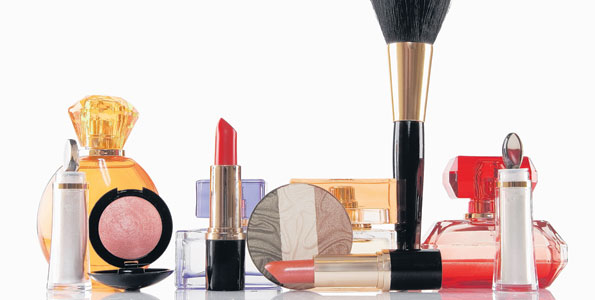
The beauty and cosmetics industry in Kenya
folder_open Cosmetics, Perfumes & Toiletries , East Africa
The beauty and cosmetics industry has become Kenya’s new hub of investment that is pulling in big money to establish new lines of business and to snap up successful enterprises through multi-million-shilling acquisition deals. This is due to the economic restructuring and regional integration measures adopted by many governments in the region which has, in turn, created a rising middle class that craves for new consumer and luxury goods. Cosmetics play an important role in enhancing one’s inherent beauty and physical features. Men have also joined this industry with a number of products designed for them lately, which was not the case before. They are increasingly using cosmetics in their daily routine including various types of fragrances and deodorants. This growing demand for cosmetic products has, in turn, led to the growth of cosmetics market not only in Kenya but also across the world. As far as Kenya is concerned, the key drivers of the Kenyan economy include a strong population growth, a growing number of people belonging to the middle-class and an educated workforce. Increased growth of the beauty and personal care market in Kenya, combined with the fact that Kenya is recognized as the sales and distribution hub for the larger East African market, has attracted many international brands. Improvement and change in the current lifestyles of individuals have been among the key factors to the major growth of the Kenya Beauty and cosmetics industry. Consumers have now become more conscious regarding the usage of cosmetics in their daily lives in an effort to step up their style quotient and overall personality. Clearly, this is a huge market where men and women splash on themselves to look good and smell nice. Major cosmetic companies in the country have been increasing their sales in emerging markets like Kenya, where the beauty industry is valued at over 100 billion shillings, as customers become more conscious about their looks and grooming. As of 2017, Kenya’s color cosmetics market is estimated to be worth 5.4 billion shillings and is expected to grow to 6.6 billion shillings in 2018. Kenya also benefits from a dynamic private sector in which Kenya seems to have become the regional leader. Therefore, Kenya presents promising opportunities in the beauty and cosmetics sector by offering avenues for greater regional expansion through its well-developed infrastructure. The beauty and cosmetics market in Kenya is more mature and multinationals are edging out local companies. But industry watchers say the country is about to hit a growth period, especially in the colour cosmetics field, as new brands enter the market. Due to its geographical position and relative market sophistication, Kenya is generally seen as a regional hub which provides entrance into the East African Community (EAC) region. Mid-market cosmetic brands like Victoria’s Secret, Sleek, Petal Fresh, Freeman, Mary Kay, Simple, Bath & Body Work, Black Opal, Flori Roberts, Ombia (Austria) are popular in Kenya. Locally produced emerging brands include SuzieBeauty. Popular haircare and hair accessories brands include Golden Perfect, Imaj, Fashion Idol, Hair Culture, Organics, Rio, Glitter & Glam, Africa’s Best, Alba Botanica, Avalon Organics, Lady Rainbow, Freeman, L’Oreal, Babyliss, Ceriotti. Grape and Eve. Kenya’s use of personal care cosmetic products ranks third behind South Africa and Nigeria in sub-Saharan Africa. In the coming 5 years, beauty and personal care market is expected to see a steady increase in volume, increased competition among local and international players and widening of product base to suit varying consumer profiles. Distribution Channels The increasing reach of retail outlets in residential areas and their ease of accessibility for local residents have made these the preferred channels of distribution to reach consumers in Kenya’s urban centres. In recent years, the rising popularity of mall-culture among the Kenya’s urban population has further strengthened the value of this important distribution channel to reach Kenya’s rising middle class. However, most middle- and lower income group consumers still purchase their products from outdoor markets and supermarkets, which stock a wide variety of products at affordable prices. The high-income consumer groups however prefers to do their buying at health and beauty retailers located in wealthier residential markets and shopping malls.
A move to strengthened destination marketing and boost tourism in the land of Kilimanjaro and spices, Destination Zanzibar returns to Arabian Travel Market (ATM) 2017, through strategic alliance with Zanzibar Commission for Tourism (ZCT), Zanzibar Association of Tour Operators (ZATO), Zanzibar Association of Tourism Investors (ZATI) and Tanzania Tourism Board under the banner “Tanzania – the land of Kilimanjaro, Zanzibar & the Serengeti”. Determined to develop a holistic campaign that delivers a stronger voice and aligned vision, this partnership will serve as a forum for networking and collaborations while showcasing Tanzania as a growing market with business opportunities within leisure and business travel sectors. During international travel shows, the partnership’s objective will continue to promote world-class travel experiences including Safari wildlife, cultural adventures, beach experiences and all that remains unexplored. Joining Tanzania Tourism Board and Zanzibar Commission for Tourism at this year’s edition of Arabian Travel Market is Destination Zanzibar, Asanja Africa, Azao Resort, Bluebay Hotels Zanzibar, Bobby Tours Tanzania Safaris, Exotic Zanzibar, Golden Tulip Zanzibar Resort, Lifestyle Safaris & Holidays, Ngorongoro Conservation Area Authority, The Aiyana Hotel, Zan Tours and Zanzibar Association of Tour Operators. The delegation will discuss changing travel trends across Luxury, Adventure, Safaris and Family Holidays as well as MICE inviting operators to connect with representatives, operators and hoteliers promoting Zanzibar as more than sun, sand and sea and Safari products. Culturally, historically and economically interesting for GCC travelers, Tanzania and Zanzibar islands aim to engage with GCC travel agencies and stakeholders allowing them to get better acquainted with the destination and its attractions. Major Gulf carriers like Emirates, FlyDubai, Qatar Airways, Oman Air and Etihad who fly frequently to Tanzania, have become catalysts to changing tourism landscape “We predicted positive results following our participation at last year’s edition of ATM. Zanzibar has since witnessed an increase in tourism from this region, a testament to the destination potential across the Gulf. Tourism will continue to grow as the market develops and offers wide range of holiday packages for a wider demographic. Returning to ATM 2017 is a milestone for Zanzibar team; we have united with TTB to promote Tanzania – the land of Kilimanjaro, Zanzibar & the Serengeti, presenting the entirety of the destination that includes safari and beach holidays, undoubtedly a feather on our cap” said Hafsa Mbamba, Managing Director, Destination Zanzibar. Tanzania Tourism “Collective collaboration unites our common goals and governs our efforts to boost travel and tourism to mainland Tanzania and Zanzibar. A land of plenty, Tanzania is blessed with natural beauty, wildlife, rich history, fascinating cultures and stunning beaches, making it one of the most beautiful and must visit places on earth. As we enter this new market, competing against matured destinations, we have no doubt or skepticism towards what we bring to new audience and travel industry across the GCC ” said Devota Kasanda Mdachi, Managing Director, Tanzanian Tourism Board. Inhabited by friendly and warm-hearted people, Tanzania is one of the most beautiful places to visit providing travellers the most unforgettable holiday experiences in the world. A melting pot with unique attractions, it is by far a destination of contradictions suitable for families, honeymooners as well as adventurers and thrill seekers. The changing landscape of tourism in mainland Tanzania and Zanzibar means expansion across hospitality sector and aviation industries will continue as hotels, resorts; airlines and tour operators enter the market attracting foreign investors across tourism sector.
The pharmaceutical industry in Kenya is growing at a rapid pace and offers excellent opportunities for exporters and manufacturers to establish their products and services in the lucrative market for pharmaceuticals in East Africa. Kenya is currently the largest producer of pharmaceutical products in the Common Market for Eastern and Southern Africa (COMESA) region, supplying about 50% of the regions’ market. Kenya’s prescription pharmaceuticals market is worth over $500 million and is expected to grow at a compound annual growth rate (CAGR) of 11.8% till 2020. Prescription drugs account for around 78% of the market. However, the fastest growth in the coming years is expected in the over-the-counter (OTC) product sales. The pharmaceutical industry in Kenya consists of three segments namely the manufacturers, distributors and retailers. All these play a major role in supporting the country’s health sector, which is estimated to have about 5,000 health facilities countrywide. The number of companies engaged in manufacturing and distributionof pharmaceutical products in Kenya continue to expand, driven by the Government’s efforts to promote local and foreign investment in the sector. There are about 700 registered wholesale and 1,300 retail dealers in Kenya, manned by registered pharmacists and pharmaceutical technologists. These pharmacies are accorded a 25% mark-up on retail drugs. The pharmaceutical sector in Kenya is also engaged in assembling capsules, disposable syringes, paracetamol, and surgical gauze amongst others. Kenya spends about 8% of its GDP on health. The Kenya Medical Suppliers Agency (KEMSA), a division of the Ministry of Health, largely carries out the distribution of pharmaceutical products in Kenya. It distributes drugs to government public health facilities and private health facilities. The health sector in Kenya is one of the sectors that has experienced remarkable development in the recent years. The country has made great efforts in controlling diseases like Malaria, TB and Cholera while actively fighting the AIDS/HIV pandemic. Similar efforts have been made in controlling communicable diseases like poliomyelitis, neonatal tetanus and measles. The targets for eradication of the guinea worm disease and elimination of lymphatic filariasis and leprosy have been attained. Other parasitic diseases of epidemiological concern such as schistosomiasis, helminthiasis and leishmaniasis are seriously being addressed. The market is heavily dependent on the private clientele, and affordability remains a primary restraint, together with low reimbursement rates. Kenya also enjoys preferential access to the regional market under a number of special access and duty reduction programmes related to the East African Community (EAC) and the Common Market for Eastern and Southern Africa (COMESA) among others. Increasingly, urban consumers constitute Kenya’s primary market segment, while private hospital pharmacies remain the principal vendors within the market’s urban sector. Pharmaceutical Manufacturing Companies in Kenya: Alpha Medical Manufacturers – Nairobi Aventis Pasteur SA East Africa – Nairobi Bayer East Africa Limited – Nairobi Beta Healthcare (Shelys Pharmaceuticals) – Nairobi Cosmos Limited – Nairobi Dawa Pharmaceuticals Limited – Nairobi Didy Pharmaceutical – Nairobi Diversey Lever – Nairobi Eli-Lilly (Suisse) SA – Nairobi Elys Chemical Industries Ltd – Nairobi Glaxo SmithKline – Nairobi High Chem East Africa Ltd – Nairobi Ivee Aqua EPZ Limited – Athi River Mac’s Pharmaceutical Ltd – Nairobi Manhar Brothers (Kenya) Ltd – Nairobi Novartis Rhone Poulenic Ltd – Nairobi Novelty Manufacturers Ltd – Nairobi Pfizer Corp (Agency) – Nairobi Pharmaceutical Manufacturing Co (K) Ltd – Nairobi Pharmaceutical Products Limited – Nairobi Phillips Pharmaceuticals Limited – Nairobi Regal Pharmaceutical Ltd – Nairobi Universal Pharmaceutical Limited – Nairobi Cardiovascular, diabetes and anti-infectives constitute the largest and fastest-growing prescription market segments, and GlaxoSmithKline (GSK) is reported to be Kenya’s leading pharmaceutical supplier, with around 12% market share. This is primarily due to the fact that the company reduced the prices of key products by approximately 40% a few years back. Around 41% of all anti-infective products sold in pharmacies were licensed to GlaxoSmithKline. GlaxoSmithKline has been able to garner a substantial share of Kenya’s pharmaceutical market largely due to the popularity of its anti-infectives, which account for approximately 42% of all revenues generated in the prescription sector. The prices of Amoxil (amoxicillin) 500mg, Suprapen (amoxicillin plus flucloxacillin) 500mg and Floxapen (flucloxacillin) 500mg are particularly competitive within the respective active ingredient classes Cardiovascular is Kenya’s most dominant and fastest-growing prescription market segment, worth around $40 million in 2017 and expected to show a CAGR of 15.4% to 2019, while the diabetes market was valued at approximately $35.2 million last year and is forecast to rise at a CAGR of 13.5% during 2010-2019. Based on revenue segmentation, the top-selling cardiovascular product in Kenya was Nebilit [nebivolol) 5mg, licensed to Menarini, accounting for approximately 7% of revenues for all prescription products sold. And within the diabetes therapeutic segment, Merck Serono’s Glucophage (metformin) 500mg was the most popular product, based on volume segmentation, accounting for approximately 19.8% of all oral hypoglycaemic tablets sold. Kenyan private consumers’ prefer branded innovator products, despite the high penetration of generic manufacturers within the overall industry. A critical success factor within the Kenyan market is the use of distributors with established networks with key vendor outlets. Investment Opportunities in Kenya’s Pharmaceuticals Industry Opportunities for investment in the health/pharmaceutical sector in Kenya include: ? Manufacture of disposable surgical gloves, latex gloves and condoms. Commercial processing of traditional medicines, considering the diverse flora available in the country. ? Multipurpose chemical plant for bulk production of intermediate inputs such as paracetamol, aspirin, etc. ? Processing of locally available sugar, salt (sodium chloride) and ethanol to pharmaceutical grade for pharmaceutical industry use. ? Chemical plant to manufacture anti tuberculosis, anti-leprosy, antibiotic rifampicin from the penultimate state. ? Manufacture of Quinine by extraction from Cinchona bark and subsequent purification and synthesis to Quinine sulphate. ? Extraction of Hecogenin from sisal waste and synthesis of Betamethasone from Hecogenin. Manufacture of medical supplies e.g. syringes, catheters, gauzes, etc,and medical equipment for the regional market. Prospects for the pharmaceutical industry in Kenya? Export of high quality products ?Increased quantity of production Expand product portfolio and intensify the search for new markets and marketing opportunities Support for medical research Kenya’s Pharmaceutical Industry 15 Ensure strict adherence to the national code of conduct and the industry’s code of practice. Importers Database: Importers of Pharmaceuticals in Africa The research team at Africa Business Pages has compiled a valuable database of pharmaceutical companies in Africa through painstaking work across more than 20 African countries. The result is the compilation of the first even Africa Pharmaceutical Directory which lists more than 6,500 pharmaceutical companies in Africa. This database of pharmaceutical-related companies in Africa lists wholesalers of pharmaceuticals in Africa, pharmacies in Africa, pharmaceutical retailers in Africa, hospital suppliers in Africa, Pharmaceuticals Distributors, Clinics & Hospitals, Government Medical Clinics, Medical Institutes as well Manufacturers of Pharmaceuticals in Africa. The Africa Pharmaceutical Directory is available for download here. Companies and exporters of pharmaceuticals from across the world have been using this database of pharmaceutical companies in Africa to reach potential buyers in Africa of pharmaceuticals and connect with importers of pharmaceuticals in Africa. This Directory contains the latest and complete information about your potential business partners in several cities across Africa. Listings of Top Companies Dealing in Pharmaceuticals In MS Excel format Classified under different Trade Categories Up-to-date database of tyre dealers in Africa The database is well organised in an Excel sheet and the sortable fields include: Company Name, Address, Phone, Fax, Email, Website, Business Category.
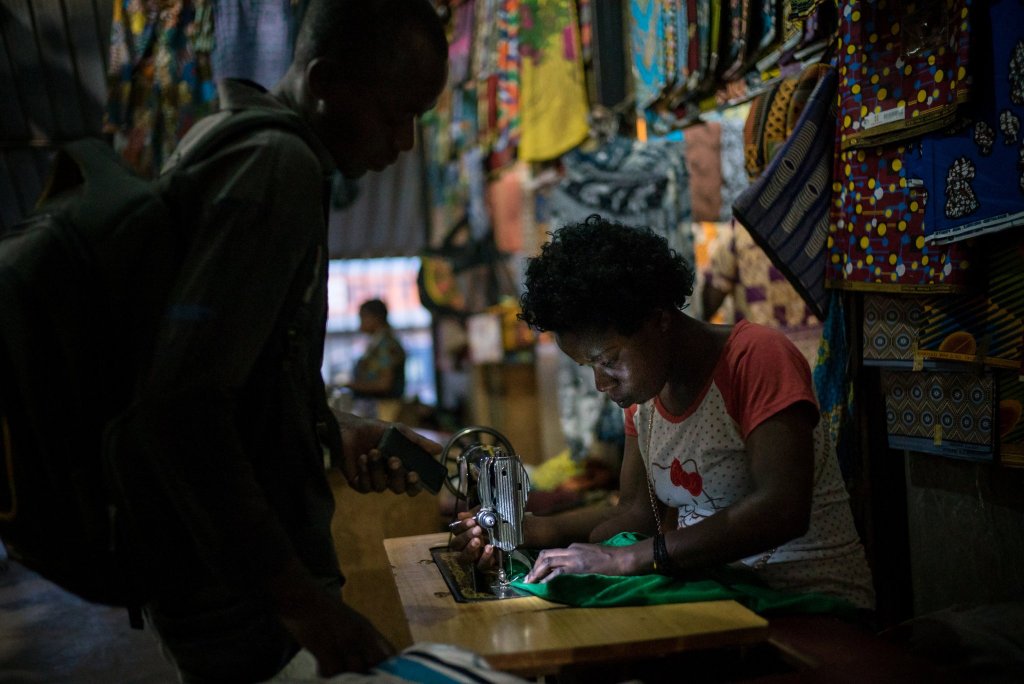
East African countries could ban imports of used clothes and second-hand cars in the next three years, putting an end to a lucrative trade in the region. The EAC directed member countries to buy their textiles and shoes from within the region with a view to phasing out imports by 2019. The move follows a decision by the six-nation East African Community – Kenya, Uganda, Rwanda, Burundi, Tanzania and South Sudan – to fully ban imported second-hand clothes, shoes and used cars by 2019, arguing it would help member countries boost domestic manufacturing. Second-hand cars have also been blamed for causing accidents. To avoid paying taxes, people pay bribes at ports to import cars. Those cars then do not go through any safety checks. To give some idea of the extent of smuggled imports, recent news reports claim that over 2,700 shipping containers had disappeared in at Dar es Salaam port in Tanzania. The U.S. Trade Representative is also threatening to review trade benefits to Rwanda, Tanzania and Uganda under the African Growth and Opportunity Act (AGOA) after a complaint by U.S. interests about East African ban on imports of used clothing. The AGOA trade program provides eligible sub-Saharan countries duty-free access to the United States on condition they meet certain statutory eligibility requirements, including eliminating barriers to U.S. trade and investment, among others. U.S. AGOA imports from Rwanda, Tanzania, and Uganda totaled $43 million in 2016, up from $33 million in 2015. U.S. exports to Rwanda, Tanzania, and Uganda were $281 million in 2016, up from $257 million the year before.
Preliminary request for participation in the trade show
place
calendar_today
Preliminary request for visitor registration
Visitor Registration
place
calendar_today