
Kenya Raises Duties On 31 Goods
folder_open East Africa
The Kenya Revenue Authority (KRA) has increased the tax on excisable goods in line with the average inflation rate, despite pleas from manufacturers and importers to leave rates unchanged. The KRA’s excise duty inflation adjustment has upped rates by 4.94%, in line with the official annual inflation rate for the 2019/2020 financial year to 30 June 2020. In its official release, the KRA confirmed that the new tariff amounts have taken effect from 1 October 2020. The new rate affects at least 31 products, including juices, wines and spirits, some imported chocolates, beer, bottled water, imported sugar confectionery, cigarettes and fuel. Specifically, the KRA will now collect an additional KES5.46 (US$0.05) duty on a litre of beer, cider, opaque beer and other beverages with alcohol content not exceeding 6%; and for a kilogramme of powdered beer. Duties on spirits rise by KES12.50 per litre to KES265.50 from KES253; and on wines duties have gone up by KES9.34 per litre, rising from KES189 to KES198.34. Fruit and vegetable juices have risen by KES0.55 to KES11.59 per litre from KES11.04. Bottled water has increased by KES0.27 per litre. The excise duty levied on sugar confectionery and for some chocolates has added KES0.99 and KES9.88 to total duty payable per kilogramme respectively. The Kenya Association of Manufacturers and other industry players have called on the tax authority to pause the implementation of the new rates, citing the substantial challenges that stakeholders are already facing from the Covid-19 pandemic. They have also criticised the authority for failing to consult the National Assembly prior to setting new rates, as is allegedly required by the country’s Finance Act, 2020. The KRA, however, has defended its actions saying that the adjustment for inflation is required by law under Section 10 of the Excise Duty Act, 2015.
Saudi Connection to the African Markets
folder_open East Africa
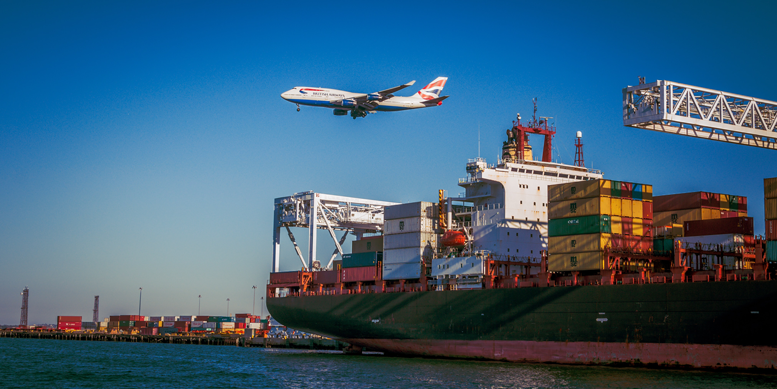
The Saudi Ports Authority (MAWANI) has announced the launch of a new shipping lane connecting Saudi Arabia with East African countries, to be provided through French giant logistics company and shipping line, CMA CGM. The new ‘JEDDEX’ shipping service will provide a weekly direct service between Saudi Arabia, Somalia and Kenya, with four ships plying the route, each with 1,100 TEU nominal capacity. The new shipping lane will connect the King Fahd Industrial Port in Yanbu and the Jeddah Islamic Port in Saudi Arabia, with the ports of Mogadishu and Mombasa in Somalia and Kenya respectively. The port rotation will be Yanbu - Jeddah - Mogadishu - Mombasa - Yanbu. The new service will make JEDDEX the first container service to link the fast-growing Yanbu port with the international shipping lines that connect to the port at Jeddah, which joins much of Saudi Arabian trade to the rest of the world and, in particular, Europe. The new route should cut shipping times between Mombasa and Jeddah by up to seven days, as currently cargo is required to go via European ports such as Antwerp and Genoa, which can take up to 29 days. Relay services for the JEDDEX service will also be available between Jeddah and Northern European, Mediterranean and Red Sea ports. Relay services for imports from the US East Coast have also been proposed in the future. According to MAWANI, the JEDDEX service reflects its ongoing efforts to build strategic partnerships with major international shipping lines, develop the capabilities of Saudi port infrastructure, boost exports and imports, and increase investment flows and non-oil state revenues. It believes that the new East African shipping lane will result in increased exports of local products, drive greater capacity of cargo handling at Saudi ports, increase direct imports from East Africa, and expand regional trade. Saudi Arabia is the 20th largest exporter of goods and the 32nd largest import market in the world. Foreign trade represents 67% of its GDP (2019). Petroleum products represent a large majority of exports (76.4% of total exports in 2017, 78.5% in 2018), followed by petrochemical products (propylene, ethylene, etc.). Automobile accounts for the largest share of imports, followed by telecommunication devices and medicine. Saudi Arabia’s main export partners are the UAE, China, India, Singapore and Belgium. Its main import partners are China, the United States, UAE, Germany and India. In order to promote international trade, attract foreign investment and diversify the non-oil sectors, the government announced plans to establish four ‘economic cities’ in different regions of the country.
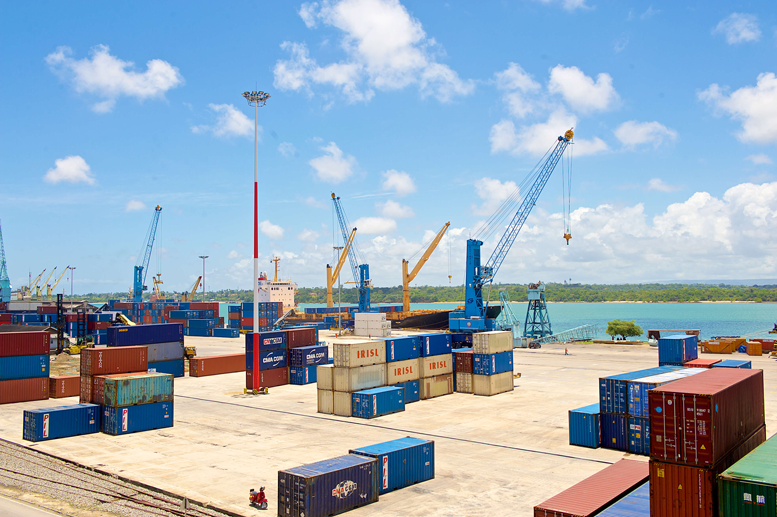
Kenya’s President, Uhuru Kenyatta, opened the government’s Container Freight Station (CFS)-Kenya Railways Corporation Transit Shed near the Nairobi Central Station on 10 November 2020. The new freight transit shed, also known locally as the ‘Boma line’, eliminates the need for small importers to collect goods from the Inland Container Depot (ICDN) at Embakasi, about 13 kilometres away, which requires the use of expensive clearing agents, typically incurring a charge of KES109,000 (US$1,000) for a container deposit. At the new Transit Shed, a joint initiative of the Kenya Revenue Authority (KRA) and Kenya Railways Corporation, the customs clearing process for smaller quantities of imports has been simplified, saving time and money. According to an official KRA press release, consolidated cargo will be stripped from containers and stored in the shed while being organised according type, with marking for easy tracking and identification. Customs and other government verification will consequently be carried out on specific single goods, as opposed to the typical verification of a whole container. For goods of US$10,000 customs value or less, import declarations are now possible using a mobile app, or by a direct assessment entry. Goods valued above US$10,000 will have to go through a registered clearing agent in the customs system. About one hundred 40-foot containers per month can currently be accommodated in the transit shed, with the number expected to rise to about 300 containers per month with 24-hour operations during the post-Covid-19 period. According to the KRA, plans are underway to increase warehouse capacity as trade volume increases, along with training traders on how to clear cargo without the assistance of clearing agents.

Online Trading in Kenya Gains Popularity
folder_open East Africa
Emerging as an area of opportunity for online retailing, Kenya has witnessed the rise of indigenous e-commerce platforms and the increasing footprints of international players, reflecting significant jump-start potential for businesses looking to tap into the country’s consumer market. We bring you an overview of the Kenyan consumer market in the context of online retailing as we look into examples of businesses which are successfully leveraging e-commerce. Kenya’s E-commerce Landscape Increasing internet and mobile penetration and growing consumer adoption of digital payments have contributed to the growth of Kenya’s e-commerce landscape. Consumers are more engaged with online shopping, and mobile payment has enabled easier and faster e-commerce orders. According to Euromonitor, the size of Kenyan’s internet retailing market is valued at US$89 million in 2018 and is forecast to grow rapidly to US$1.6 billion by 2023. Kenya is among the fastest growing e-commerce markets in Africa, with more than ten online retailers in the market. Jumia, started in Nigeria nine years ago and now publicly listed on the New York Stock Exchange, is leading Kenya’s e-commerce market with over one-fifth of the market share. Known as the “African Amazon”, its online marketplace connects over 81,000 sellers with African consumers and offers a wide range of branded and non-branded affordable consumer goods, such as fashion and apparel, home and living, electronics and beauty products. In fact, over 90% of the items sold on Jumia are offered by third-party sellers, presenting a viable option for both local and international sellers, particularly SMEs, in reaching the consumers across multiple regions in Africa. Jumia has been actively attracting more sellers from Mainland China in order to enhance the variety of products available on their platform. The company opened an office in Shenzhen in 2016 in order to connect more Chinese vendors to the platform. Currently, there are about 1,500 Chinese sellers on Jumia’s marketplace, including flagship stores of some well-known Chinese brands such as Huawei, Xiaomi and Skyworth. Kilimall: E-marketplace with Close Chinese Links When it comes to bridging Chinese businesses with the African market, Kilimall has been on the front line with its online channel. Named after Africa’s highest mountain Kilimanjaro, Kilimall was the first Chinese e-commerce company to enter Africa. Since its founding in 2014, it has grown rapidly to become one of the largest B2C e-commerce sites in Kenya. It has an edge over competitors due to its Chinese roots, as the country remains one of the world’s leading e-commerce markets, with deep experience of operations and marketing techniques. Kilimall sells products across various categories similar to Jumia, with over 10,000 vendors on the platform, but it has stronger Chinese connections, with about half of the vendors coming from Mainland China. The presence of both local and Chinese vendors enables Kilimall to offer a greater variety of products and styles in different price ranges and thus expand the customer base. Kilimall now distributes to three African countries, namely Kenya, Uganda and Nigeria, with over 10 million users in Kenya alone. Kilimall provides a stress-free and cost-competitive business environment for vendors as it helps to monitor orders, handles logistics and runs marketing campaigns. The platform does not charge per-item listing fees and only receives commission on sales, with the lowest commission rates in Kenya (ranging from 5% to 15%) across product categories. For overseas companies newly entering Kenya, cross-border e-commerce platforms such as Kilimall offer a viable option to explore the market. Apart from reaching retail consumers, overseas suppliers can also connect with Kenyan buyers through Kilibusiness. This B2B online sourcing platform is part of an initiative launched at the China-Africa Economic and Trade Expo held in June 2019. Kilibusiness allows Kenyan buyers to source products in bulk from Mainland China through the platform. Product categories vary from manufacturing machinery, lighting and decorations, to footwear and even packaged food and beverages. It is free to register on Kilibusiness and suppliers can upload details of their products such as product specifications, unit price, and minimum order size as well as their contact details (which can only be accessed by registered users). Omni-channel Strategy to Enhance Retail Experience Apart from pure online retailing, companies are also proactively deploying online-cum-offline strategies to provide better customer experience. One example is the Chinese construction company China Wu Yi, which built Kenya’s largest home furnishing shopping mall – Coloho Mall – in 2018. The Mall acts as a one-stop shop for home furnishings and decoration materials and features a wide variety of Chinese-imported, local and international branded products such as ceramic tiles, flooring decorations, kitchen sinks and lighting fixtures. The company has later expanded its distribution channel online via Coloho.com. The online platform synchronises product information of the offline store and provides delivery or self-pick up options for online orders. With an omni-channel strategy, it is possible for online and physical store to boost each other’s sales with collaborative promotion and discount offers. The physical presence of Coloho Mall also acts as a showroom and allows more interactions with customers to improve their shopping experience. For example, there is a VR sample room at the Mall which enables shoppers to visualise their ideal home settings by digitally placing furnishings into a virtual room. Coloho Mall Gracepak Ventures - Toys World, an online toy retailer in Kenya, has also embraced the advantages of having offline presence to interact with its customers. However, instead of setting up physical stores, the company collaborates with shopping malls in Kenya and sets up pop up stores and children’s play areas to promote their products and increase customer engagement. Gracepak Ventures - Toys World benefits from the face-to-face interaction with potential customers while customers are able to learn more about the products through product demonstrations. Testing the Waters Through E-commerce Platforms International brands are also taking advantage of e-commerce platforms to test local consumers’ preference in products and analyse their cross-border capability. Decathlon, a sportswear and equipment brand originating in France, first entered the Kenyan market in 2017 by partnering with Jumia, and distributes its products through the platform. About a year after Decathlon’s online debut, the company opened its first physical store in Nairobi, the capital city of Kenya, together with their official online retail website. Distributing goods online as the first step into the Kenyan market enabled Decathlon to identify the demand and expectations of local consumers and better evaluate their capability before setting up brick-and-mortar store in the country. It also helps the company to better utilise their physical store to optimize shopping experience. For example, consumers can purchase goods on the Decathlon website and collect at the store within a certain period of time. Businesses looking to establish a presence in Kenya are encouraged to explore the market with the use of e-commerce platforms which are usually considered to be less risky
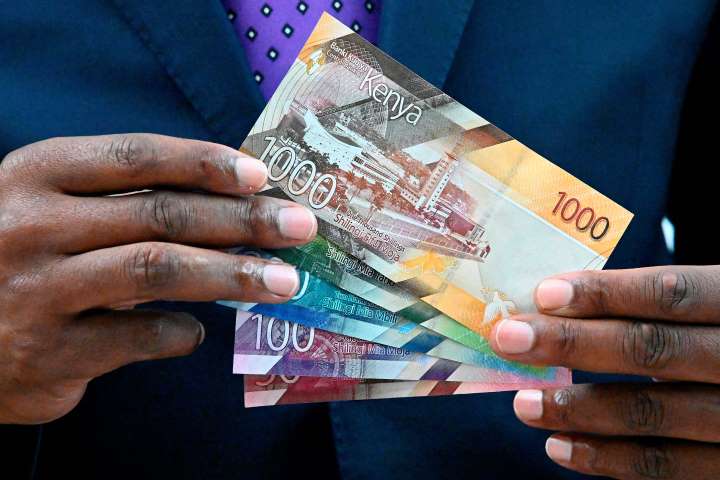
Remittances from overseas workers helped the Kenyan economy tide over the devastating economic impact of Covid-19. Despite the negative impact on almost all major sectors, the Kenyan economy was able to tide over the financial impacts of the global pandemic due to regular inflow of foreign currency from overseas workers that form the diaspora. According to a recent report by Kenya’s Central Bank (CBK), diaspora remittances hit Sh329.41 billion ($3.094 billion) in 2020 despite the impact of the COVID-19 (coronavirus) pandemic. Although the pandemic crippled Kenya’s foreign earnings from tourism and exports due to a global lockdown, the East African nation earned a minimum of Sh6.33 billion weekly in diaspora remittance in 2020. Kenya has been ranked 3rd in Africa in terms of diaspora remittance inflows Nigeria is placed at the top as largest recipient of remittances in Africa, with projected inflows of US $ 21.7 billion in 2020. It is followed by Ghana. Senegal is placed in fourth place, behind Kenya, with projected inflows of US$ 2.3 billion at the end of 2020. South Sudan has reported the Sub Sahara region’s highest share of remittances to GDP, at more than 35.4 per cent, followed by Lesotho (20.6 per cent), the Gambia (14.9percent), then Cape Verde (12.0 per cent), and Comoros (10.8 per cent). According to a report, Kenya experienced a growth of 10.7 percent in diaspora remittance from the Sh285.23 billion ($2.796 billion) it made in 2019. It is also important to note that the pandemic significantly encouraged the use of financial technologies which accounted for an increase in online transfers. These smart innovations helped Kenyan’s abroad to send money home with ease. Diaspora remittances have been Kenya’s largest source of foreign exchange since 2015 when they overtook earnings from tea exports. Other key sources of foreign exchange include tourism receipts as well as horticulture and coffee exports. “This remarkable growth of remittances has been supported by financial innovations that provided Kenyans in the diaspora more convenient channels for their transactions,” Patrick Njoroge, CBK’s Governor said in a statement, According to the apex bank, the strong performance came on the back of December 2020 remittances hitting Sh32.91 billion ($299 million). That was the all-time high to have ever been sent home in a single month. The country currently tops in diaspora remittances in the Eastern African region. According to the report, the United Nations recommended that remittance costs should not exceed three percent of the value of money being sent home, but steady growth in remittance has defied that submission. For over a decade, Kenya’s economy did not experience a severe contraction like it did in the second quarter of 2020. But the impact of the COVID-19 pandemic reversed the narrative after 12 years as it crippled key economic sectors like tourism and agriculture. According to a report, the country’s Gross domestic product (GDP) depreciated by 5.7 percent, compared with growth of 4.9 percent in the three months between March and June. Diaspora Remittances for Kenya’s Development As the country closes in on its Kenya Vision 2030, the government is relying heavily on its expat population for investment. The development program focuses on matters like curbing the high cost of remittances, addressing diaspora issues, using mobile money to boost tourism, reversing brain drain, and creating a comprehensive data file on Kenyan diaspora profiles. Money sent back to Kenya is steering the economy to drive investment in different core sectors such as financial services, BPO, tourism, and education. The emergence of mobile technology is reducing the cost of international transfers by offering a safer and more comfortable approach. The Kenyan government is taking proactive steps to streamline the process. It is also taking steps to offer tax rebates and offer incentives on investments made by expats. Remittances, if utilised wisely, have the potential to radically transform a country’s economy and Kenya is well aware about this fact. Despite being a relatively low-income country, appropriate utilisation of remittance money has shown a huge potential for growth to other nations. With a growing sense of confidence in the country’s investment landscape, the coming years could see a further rise in inward remittances. Remittances can be considered a significant contribution to a country’s GDP. This external financial source can help bail out developing nations in times of distress and shape a future that’s characterised by sustainable development.
Africa's Booming Gold Trade
folder_open Business Outlook , East Africa
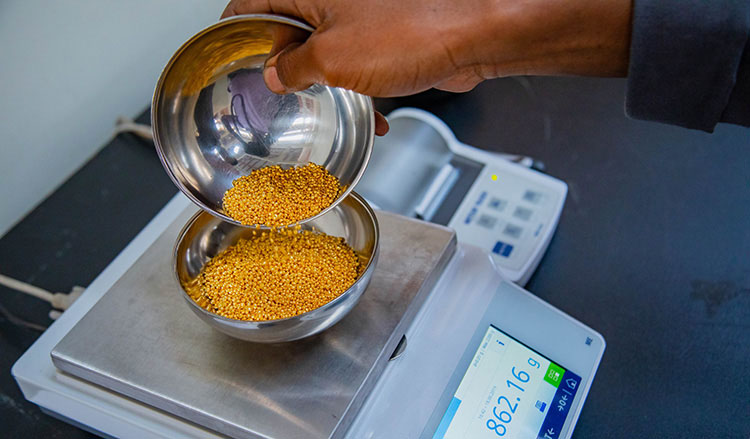
In another instance of the African awakening, efforts are now underway by several African governments to keep a stricter control on the African continent’s large gold deposits and mineral wealth. The aim is to to add value to African minerals before exporting them. Over the years, many African countries have been exporting a wide variety of minerals and other natural resources to earn much needed foreign exchange to boost their economies. However, things are changing now as governments in Africa are now planning to add value to their natural resources before exporting them to overseas markets. Rwanda, once again, has taken the lead by establishing its first-ever gold refinery. Located in Kigali Special Economic Zone in Gasabo District, the $5 million plant has a capacity to refine 6 tonnes of gold a month, or about about 220 kilogrammes a day. The refinery has capacity to process gold from around the African continent thereby eliminating the need to travel long distances to look for a place that can refine Africa’s gold. Uganda and South Africa have also set up similar refineries to process gold mined in African countries. The DRC’s also opened its first refinery in Ituri Province in July 2019, and the second in South Kivu in March 2020. “What we are doing is not new but people have been used to taking gold to Europe, Dubai, Turkey, Switzerland, and Belgium. Now we have the same factory with the standards as those in Europe and Asia,” said Jean de Dieu Mutunzi, chairman of Aldango, the company behind the initiative which is a joint venture between two firms – Hilly Metals Company, a local company, and Aldabra. The company’s core business is to buy gold and process it to 99.99 per cent purity. Rwanda targets to collect $1.5 billion from mineral exports by 2024. Rwanda’s Rising Gold Exports Aldango is supporting the government to transform Rwanda into a precious metal manufacturing and trading hub across Africa. Most of the gold in Rwanda is mined from gold located in Miyove village, Gicumbi district, North, Karongi district, West and Nyamagabe district in Southern province. Rwanda only recently entered the artisanal gold trade in a major way, taking advantage of the political chaos in neighbouring Burundi and enforcement actions in the DRC to capture the lion’s share of the South Kivu gold trade. The documented paucity of domestic gold production in Rwanda makes it clear that the vast majority of this gold found in Rwanda is not of Rwandan origin. In 2014, Rwanda reported $8.1 million USD in exports of “other minerals,” which includes gold. This rose to $80.06 million USD in 2016. The same year, reporting by The National Institute of Statistics for Rwanda documents how “other unwrought gold (incl. gold plated with platinum), non-monetary” totaled $75.52 million USD in 2016. According to the UN Group of Experts, Rwanda officially exported 2,163 kg of gold in 2018, yet 12,539 kg of gold imported into the UAE was reported as Rwandan in origin. This swift surge in gold production has not gone unnoticed by the Rwandan government, which publicly celebrates its emergence as one of the region’s most significant gold exporters. It is believed that South Kivu gold is being smuggled across the border to Rwanda, then laundered into the legitimate international supply chain through its export to Dubai as supposedly Rwandan gold. Africa’s Gold Trade Illicit gold trade in the Africa appears to be booming. Despite efforts to introduce traceability and due diligence for the artisanal gold supply chain, only a small fraction of gold is actually being captured through legal channels. Some traders and exporters in Africa succeed in staying under the radar of government authorities by undervaluing their gold purchases and exports, declaring only a small percentage while pocketing massive profits—a percentage of which should have been paid in taxes. Gold refineries in Africa will ensure that all private sector players are importing and exporting gold according to the regulatory procedures outlined by each country, with all taxes paid, and with an authentic ICGLR certificate. Mining to Market After it’s mined, gold is sold by miners to a trader. There are two types of traders: those based at mine sites and smaller towns and those in the provincial capitals and larger cities. Once a trader aggregates a sufficient amount of gold, they transport it to a city that has good transportation links leading outside of the country. The trader sells the gold to an exporter. Only a licensed exporter is allowed to sell gold to an international buyer. The exporter most often buys from multiple traders and waits until they have aggregated enough gold to make it profitable to export. This calculation includes taxes and fees to pay on their shipment, time required for official (often onerous) export procedures, and the cost of transportation; gold is often carried by hand by a representative across borders. The exporter transports the gold to a neighbouring Africa country where it is aggregated. The gold can be transported onward to an international destination where it is refined. Alternatively, it can be purchased by a locally-based refiner, as refiners with significant capacity are opening in the Great Lakes region. The gold, whether refined or doré, then makes its way to a trading centre where it enters the international legal supply chain.
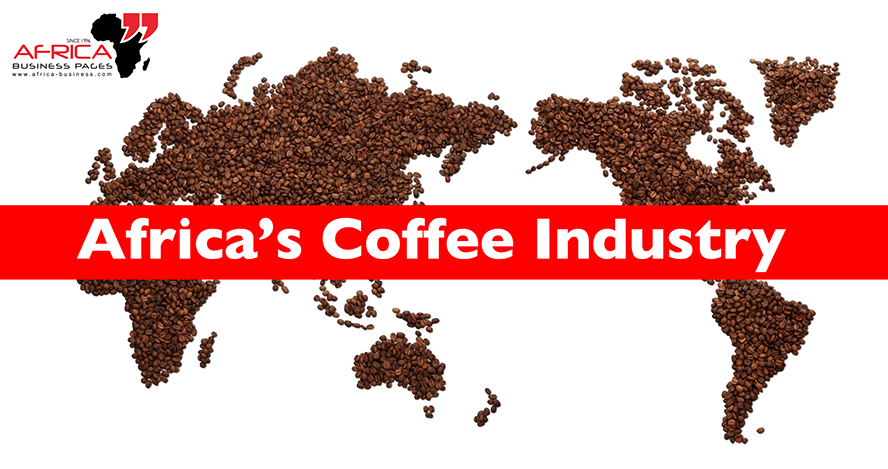
Coffee is big business – it is estimated that over 2 billion cups of coffee are consumed around every day around the world. According to rough estimates, over 140 million bags of coffee beans are traded internationally. Coffee trade is worth over $16 billion globally – making coffee one of the most traded commodities in the world after crude oil. In many developed nations, coffee is no more a luxury drink but a daily necessity. As a result, demand for coffee has been growing steadily with the passing of each year. According to recent reports, annual coffee consumption is expected to cross 200 million bags by 2030. Against this backdrop, African coffee has a bright future as it produces some of the best coffee beans in the world. Coffee and tea exports, in fact, have been the top revenue earners for many African countries. Currently, the global coffee trade has been dominated by South American and Southeast Asian countries like Brazil, Vietnam, Colombia, and Indonesia. However, African countries are now emerging as one of the tp exporters of high quality coffee beans as top coffee producers from South America are already facing obstacles because of climate change causing a fall in coffee production in South America. On the other hand, Africa produces some of the finest quality beans, demand for which has been growing exponentially in recent years. Africa’s leading coffee producers like Ethiopia, Uganda, Cote D’Ivoire, Kenya, Tanzania, Rwanda, Madagascar – to name a few – are already recognized globally as the leading suppliers of high quality coffee beans. According to recent reports, Ethiopia and Uganda dominate the East Africa's coffee supply chain, accounting for 62% of sub-Saharan Africa’s coffee output. Dedicated organisation's like the African Fine Coffees Association (AFCA) predict bright future for Africa's coffee industry. In one of their recent reports they noted that African farmers are fine tuning their production methods by planting more coffee trees and boosting their exports by exploring new markets to boost their income. As a result, Africa’s coffee production is expected to double in the next five years, thereby making it one of the leading coffee exporters in the world. The Market for Coffee Demand for coffee in Brazil, North America, and Europe has been growing each year. Europe has emerged as one of the largest consumers of coffee with over 45 million bags bought in 2021. Demand for coffee in Canada and Brazil has been growing too, with consumption of more than 6 kilograms of coffee per person every year. Indonesia, Vietnam and India are also consuming more coffee than ever before. China too has emerged as a big importer of coffee from Africa. All this points to the bright future for exporters of coffee in Africa. Due to rising demand for coffee from all across the world, there has been a shortage of coffee because production levels have not grown simultaneously. African coffee producers can easily meet the shortage of coffee in the world by growing more coffee. African coffee growers have an excellent opportunity to boost their sales by supplying more coffee by simply producing more coffee. As it is, sub-Saharan Africa has the perfect climatic conditions and soil for coffee farming. Ethiopia has dominated coffee production in Africa and can allot an aditional 5.4 million hectares of farmland available for coffee cultivation. On the other hand, Uganda coffee famers recoded a 36 percent growth in production and a 15 percent growth in exports in 2021. This fivefold increase in their share of the international coffee market is a direct result of them penetrating new markets across the world. Although Africa has been exporting coffee for many decades, most of it has been raw coffee beans and not processed, ready-to-consume coffee. As a result, most African nations only earn a small percentage of the global coffee earnings because multinational processors and big retailers in Europe and America take the largest share of coffee profits. Advantages African Coffee African coffee industry also has an another advantage over its competitors – although its competitors like Colombia, Brazil and Vietnam produce more coffee beans, it is the quality of coffee that matters in the end and African coffee beans are considered premium due to the fact that African countries have better quality of elevation, soil, and climate for coffee farming. As a result, African coffee beans of premium quality are in higher demand in coffee consuming nations in Europe and USA where almost 50% of the coffee consumed is of premium quality. Although other countries produce more coffee beans than African countries, industry leaders such as do not strictly control the marketplace because not all coffee is equal. Unlike other products such as steel or oil, coffee is a product that differs by region, elevation, soil, and climate. Because consumers demand a diversity of beans, new countries suitable to grow coffee face fewer entry barriers and establish a niche in the coffee market. Africa accounts for about 12% of the world’s production and coffee consumers around the world prefer premium quality coffee from Africa. Specialty coffee, with unique flavors and taste, are a much prized commodity globally, and can be a top revenue earner for Africa in the coming years. In the global coffee trade circles, Africa is famous for its specialty coffee beans. For instance, Ethiopia – Africa’s largest coffee producer – has 5,000 different strains of Arabica, the world’s most famous coffee specialty coffee whereas countries like Brazil and Colombia only have about 20 strains. Ethiopia, the origin of Arabica coffee, is renowned for its unique Yirgacheffe, Sidamo, and Harar Arabica varieties, while Kenya’s fine Arabica beans grown at high altitudes near Mount Kenya are in equally high demand. And this is why key specialty coffee producers like Ethiopia, Kenya, Rwanda, South Sudan, Tanzania, Cameroon, Zambia, Burundi, and Congo will benefit a lot from the growing demand for specialty coffee worldwide. Investing in Africa’s Coffee Industry While South American coffee is subjected to climate change, African coffee could take advantage of the decreased productivity of the competition to gain a market share in rich countries, in particular, the US and the EU. This would allow them to conquer a niche market of specialty coffee made of high-quality and high-priced coffee. By taking advantage of the global coffee market, many African countries are poised to grow rapidly. These countries are making sure they improve their quality of life while they export their product all over the world. Africa’s coffee market expansion and the diversification of African economies lead to greater stability and more trade for all countries that enjoy their coffee. The volume of business is huge – Coffee exports from Africa were valued at nearly $2.5 billion in 2021. Ethiopia was the leading exporter, earning around $1.2 billion in coffee exports. Uganda followed with an export value of $594.2 million in 2021. Ethiopia currently sits as the world’s sixth largest coffee producer. The industry employs approximately 15 million people and accounts for 28 percent of the country’s total annual exports. Uganda ranks eighth on the list of global coffee production. The country grows very little arabica coffee compared to Ethiopia, with robusta comprising 82 percent of total production. robusta coffee is indigenous to Uganda, and two main varieties—Nganda and Erecta—are grown specifically for their suitability for the growing instant coffee industry.
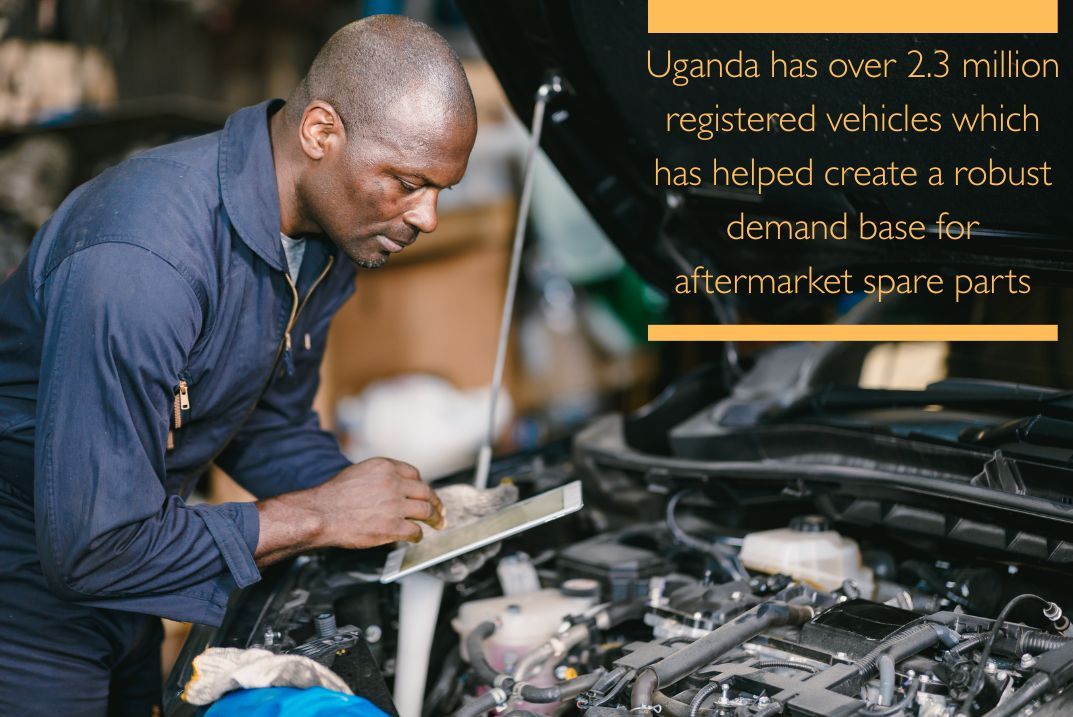
Uganda's automotive spare parts market is undergoing significant transformation, driven by a combination of rising vehicle ownership, strategic local manufacturing initiatives, and the gradual digitization of parts distribution. According to a recent study conducted by the research team of Africa Business Pages, Uganda has over 2.3 million registered vehicles which has helped create a robust demand base for aftermarket spare parts. As a result, the automotive spare parts sector in Uganda has attracted both established importers and innovative domestic manufacturers. Market Overview: Demand Dynamics and Import Infrastructure According to the study, Uganda's automotive sector is characterized by a high prevalence of used vehicles, predominantly imported from Japan, South Korea, UAE and Europe. This reliance on aging fleets – averaging 10-15 years in operational lifespan – creates sustained demand for replacement components, particularly brake parts, engine parts, batteries, filters, suspension systems, and electrical components. Mandela Auto Spares, one of Uganda's largest parts stockists, maintains over 12,000 SKUs specifically tailored for Japanese models like Toyota, Mitsubishi, and Isuzu, reflecting market alignment with prevalent vehicle makes. Annual parts consumption is estimated at $8 billion continentally, with Uganda contributing a growing share amid its 11% year-on-year demand growth. Import Infrastructure and Regional Trade Networks As the East African Community's leading auto parts importer, Uganda accounts for 37% of regional shipments, with 4,364 annual import transactions. Key trade corridors include: India: 1,971 shipments, specializing in lead molds and electrical components United Arab Emirates: 1,045 shipments, focused on assorted spare parts China: 1,045 shipments, supplying engine and chassis components This import ecosystem remains critical due to limitations in local production capacity. However, rising freight costs and supply chain disruptions post-2020 have incentivized shifts toward domestic manufacturing, as seen in Standard Waves Ltd's expansion from 1 workshop to 4 production facilities since 2016. Uganda: The Hub for Re-Exports in East Africa Ugandan importers, wholesalers and distributors increasingly act as re-export hubs for landlocked neighbouring countries in East Africa. A 2024 survey found 37% of UAE goods imported via Kampala were onward-shipped to Kigali and Juba, leveraging Uganda’s COMESA-certified warehousing zones. This secondary trade generated $96 million in logistics revenue for Ugandan firms, incentivizing further imports from the UAE. Standard Waves Ltd: A Case Study in Import Substitution Founded in 2016, Standard Waves Ltd (SWA) exemplifies Uganda’s nascent manufacturing push, producing 1,000+ replacement parts for 80 vehicle models. Their product range spans oil filters, engine mounts, and specialized fasteners, capturing 20% of the domestic market through competitive pricing – 30–40% below imported equivalents. Strategic government backing, including tax incentives and land allocations for factory expansion, underscores policy alignment with the National Development Plan III’s industrialization targets. Hon. Evelyn Anite’s endorsement during SWA’s facility tour highlighted state priorities: “Local manufacturing isn’t optional; it’s essential for job creation and forex preservation.” Brick-and-Mortar and Service Integration Mandela Auto Spares’ B2B model – supplying government ministries, UN agencies, and 60+ garages – demonstrates the enduring relevance of physical distribution. Their value-added services, including direct-to-garage parts delivery with labor-only billing, reduce counterfeit risks and improve fleet maintenance outcomes for institutional clients. Kampala hosts 114 registered spare parts distributors, though market fragmentation persists, with 80% operating single-outlet models. eCommerce Acceleration and Market Democratization The vehicle parts eCommerce sector, projected to reach $1.9 million by 2025, is reshaping rural access. Platforms like Volza.com facilitate SME imports through consolidated shipping, while SWA’s digital catalog – accessed by 40% of its customers – enables just-in-time ordering for mechanics outside Kampala. However, logistical bottlenecks limit same-day delivery to major hubs, with 72-hour lead times common in Northern and Eastern Uganda. Tax Regimes and Their Market Impacts Uganda’s automotive policies present a dual-edged sword: Import Duty Waivers: Reduced tariffs on machinery imports (from 10% to 7%) aided SWA’s expansion. Excise Taxes: 20% levies on imported parts sustain price gaps favoring local manufacturers. The 2023 Automotive Industry Development Bill proposes further incentives, including VAT exemptions for locally produced parts exceeding 60% domestic content. Market Growth Trajectories The Middle East and Africa spare parts market, valued at $13.36 billion in 2024, expects 5.9% CAGR through 2031, with Uganda outperforming at 7–8% driven by: Vehicle Electrification: Emerging demand for hybrid battery components and charging parts. Aftermarket Expansion: 45% of vehicles aged 15+ years require frequent part replacements. Uganda’s automotive parts market stands at an inflection point, balancing import reliance with nascent industrialization. With strategic public-private synergies, Uganda could capture 15-20% of the regional aftermarket by 2030, translating to $2.2 billion in annual revenue. The sector’s growth will increasingly hinge on technology adoption, quality enforcement, and workforce upskilling – a roadmap requiring coordinated investment and policy agility.
Ethiopia Opens Up Logistics Sector
folder_open Business Outlook , East Africa
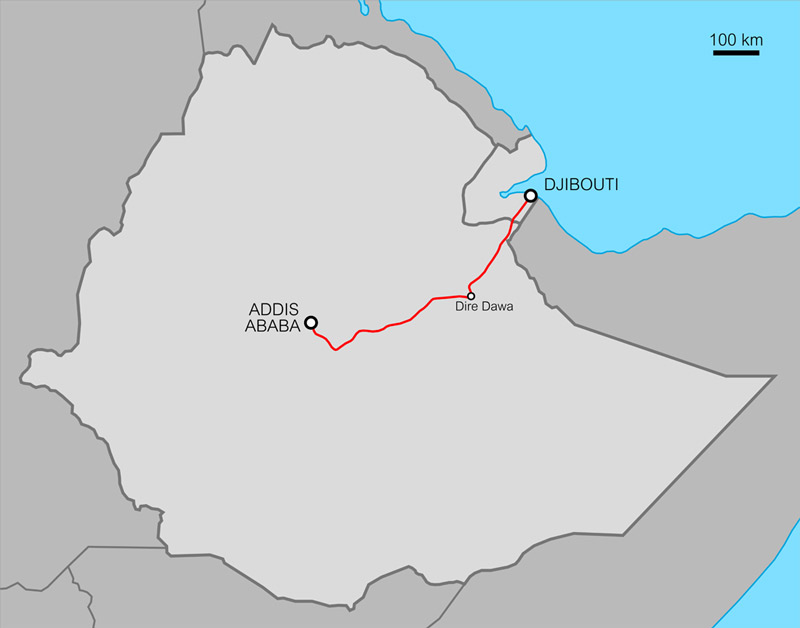
The Ethiopian government has opened up its logistics sector to foreign investors for the first time, in the form of joint ventures with local firms. The country wants to attract at least $120 million of foreign direct investment into the sector by 2021. Meanwhile, the state-owned Ethiopian Shipping & Logistics Services Enterprise (ESLSE) is to be part-privatised, and the state railway company, the Ethiopian Railway Corporation, restructured then fully privatised. Clearly, the government of Ethiopia has made improving logistics a top priority. A $2.5 billion, 750-kilometre railway connecting Addis Ababa with the port in Djibouti was launched in 2018 and should cut a three-day journey down to 12 hours. In an ambitious road-building programme flagship projects include a 200 kilometre expressway connecting Hawassa, home to the country’s largest industrial park, with the capital, Addis Ababa. Two years ago, the government signed a $150 million World Bank project to transform Mojo, a poorly equipped and heavily congested dry port near Addis Ababa that processes more than 70% of imported containers, into a state-of-the-art logistics facility. Meanwhile, Addis is helping a Dutch consortium, Flying Swans, to set up a cold chain along the railway to the coast. It also plans to increase to 90% the coverage of general cargo carried by ‘multi-modal’ transport – the theoretically more efficient system currently monopolised by the state-owned Ethiopian Shipping & Logistics Services Enterprise (ESLSE). As of now, to transport a 20-foot container of garments from Ethiopia to Germany costs 247% more than from Vietnam and 72% more than from Bangladesh. In 2016, Ethiopia scored 2.37 in the World Bank’s Logistics Performance Index – significantly lower than neighbouring Uganda, which is also landlocked. The country ranked 159th out of 190 in the World Bank’s Doing Business index in 2018; Uganda came 127th. Most of Ethiopia’s bulk imports like wheat, sugar and fertiliser currently pass through the port of Djibouti which is small and congested, especially when the Ethiopian government procures. The port is also 70% more expensive than other ports in the region. Ehtiopia has also signed a deal with Eritrea restoring Ethiopian access to the ports of Massawa and Assab. at will be most important to the Ethiopian economy. Ethiopia plans to invest in refurbishing the port with the help of investmetns from Saudi Arabia, United Arab Emirates and the World Bank.

Uganda Starts Manufacturing Mobile Phones
folder_open East Africa
The Ugandan government recently launched a mobile phone and computer manufacturing plant in the Namanve Industrial Park. Heralded as a turning point in positive foreign direct investment, this move would also drastically reduce the cost of importation of technology and ensure job creation opportunities for Ugandans. The factory built by Chinese Electronics firm ENGO Holdings Limited will produce 2,000 mobile phones, 1,500 Smart phones and 800 mini slim laptops every day when it starts operating at full capacity in 2021. The phone models with dual SIM slots and a Memory card will collectively be known as S300 powered 1,400mAh capacity battery. They are enabled with JAVA for playing MP3/MP4 Audio-Visual files. They receive telecommunications signal using 2GSM and GPRS operating on two bandwidths in the range of 850 -1900. Ares Chow Yu Qing, the Executive Director of ENGO Holdings Limited says that the factory will in the future produce 2,000 chargers, 4,000 USB cables and 4,000 ear phones in the third phase of the development of the factory in October 2021. ENGO Holdings Limited is investing USD 15 million in phases over a period of five years to achieve optimal output from the initial one million electronic gadgets a year. Most of the parts currently being assembled were imported from China including mainboards, the 2.4 Inch screen, touch panels, battery, Cameras, speaker receivers and vibrators. The factory is expected to reduce the import bill by producing cheap phones for the East African nation. Financial investments from the Chinese is something that President Museveni encourages. In his speech at the launch of the manufacturing plant, the president stated that he believes the Chinese investors to be “very serious partners because they understand the importance of infrastructure,” and that he is “very happy” with their investments in the country. With plans to use the products manufactured in the government departments itself and even impose importation taxes on similar products brought into the country, it is obvious that Museveni will be taking the necessary steps to ensure that the products assembled in the factory are used
Preliminary request for participation in the trade show
place
calendar_today
Preliminary request for visitor registration
Visitor Registration
place
calendar_today