

Africa Auto Parts Market: Quality, Counterfeits, & Supply Chain

The African automotive aftermarket is a dynamic and rapidly expanding sector, crucial for maintaining the continent's growing vehicle fleet and supporting economic activity. This vibrant market presents significant B2B opportunities for global suppliers of high-quality components, driven by increasing demand for reliable and safe vehicle parts across diverse regions.
With a burgeoning middle class, expanding commercial fleets, and ongoing infrastructure development, the continent's vehicle parc continues to grow, fueling a consistent need for maintenance, repair, and replacement parts. From passenger cars to heavy-duty trucks, ensuring access to durable and performance-tested components is paramount for vehicle longevity and operational efficiency across various industries.
Africa's Automotive Aftermarket: Growth & Challenges
Africa's automotive aftermarket is characterized by its diversity, with demand varying significantly across regions like West Africa, East Africa, and Southern Africa. While local manufacturing initiatives are gaining traction, imports remain a critical source for a vast array of auto parts suppliers for Africa, including everything from engine components to specialized electrical systems. The market is propelled by factors such as population growth, urbanization, and the expansion of logistics and transportation networks, all of which necessitate a steady supply of spare parts.
However, this growth also brings challenges, notably the proliferation of counterfeit parts. These illicit products undermine legitimate businesses, endanger consumers, and erode trust in the supply chain. For global suppliers looking to enter or expand in the African market, understanding these dynamics and establishing robust distribution channels that prioritize authenticity and quality is essential for long-term success.
The Imperative of Genuine Parts & Endurance Testing
The distinction between genuine and counterfeit components is stark, particularly when it comes to critical safety systems like vehicle suspension. Genuine suspension parts, including shock absorbers, struts, springs, and control arms, undergo extensive endurance testing, simulating years of demanding driving conditions long before they reach the market. This rigorous validation process ensures that components can withstand constant stress from rough roads, heavy loads, and extreme temperatures, maintaining consistent performance, durability, and safety throughout their service life.
Modern testing facilities employ advanced equipment to replicate real-world scenarios, subjecting parts to repeated compression, vibration cycles, and impact loads. This proactive approach allows manufacturers to identify potential weaknesses and refine designs, guaranteeing that genuine products meet stringent quality and safety standards. For fleet operators, investing in such properly tested parts translates into lower maintenance costs, reduced vehicle downtime, and improved operational efficiency, directly impacting their bottom line and overall business continuity.
Navigating Supply Chains & B2B Opportunities
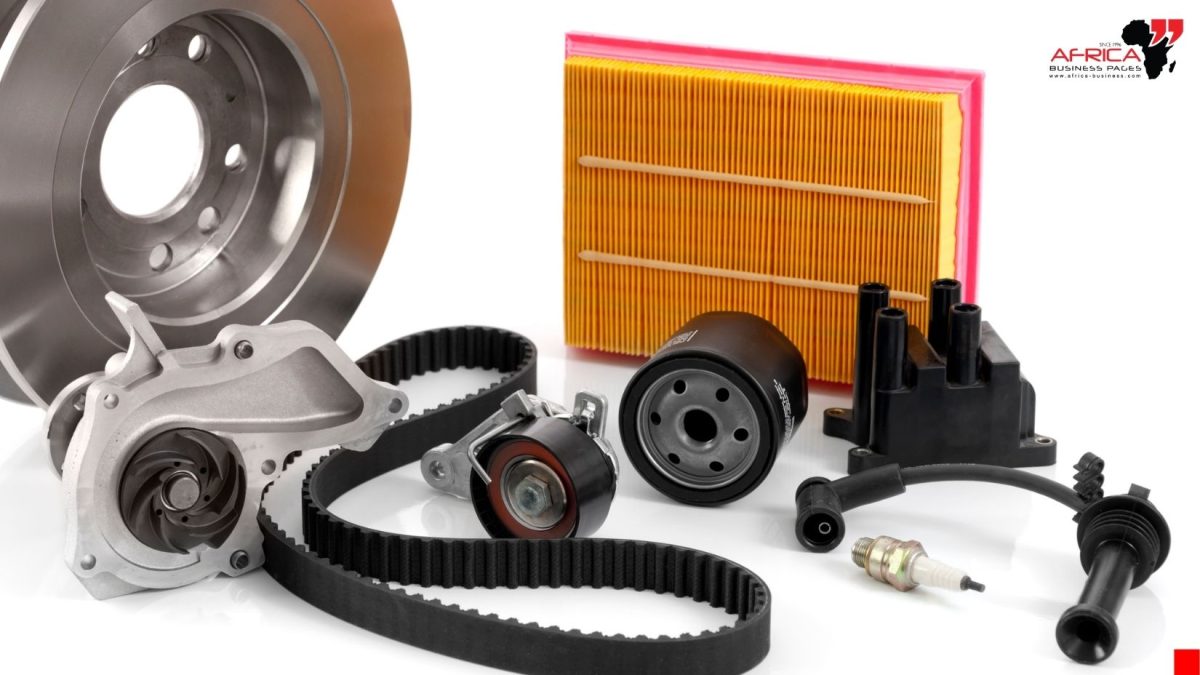
Establishing an efficient and reliable supply chain is paramount for success in Africa's diverse automotive aftermarket. This involves navigating customs regulations, optimizing freight and logistics providers, and building strong relationships with local distributors and African Importers Directory. Beyond suspension components, there is strong demand for other essential items such as tyres and batteries exporters, as well as lubricants and grease suppliers, all requiring similar assurances of quality and authenticity.
For international manufacturers and suppliers, the African automotive aftermarket represents a significant growth frontier. By focusing on genuine, quality-assured products and developing robust, transparent supply chains, businesses can tap into this immense potential. Engaging with established B2B platforms and trade networks, including Africa B2B WhatsApp Trade Groups, provides invaluable access to key market insights and direct connections with serious buyers and importers. The commitment to quality and safety, underscored by rigorous testing, is not just a competitive advantage but a fundamental requirement for sustainable trade in Africa.