Ghana Automotive Market: Manufacturing & Distribution Drive Growth
Ghana's automotive sector is experiencing significant transformation, driven by a strategic focus on local manufacturing and robust distribution networks. This evolution presents substantial B2B opportunities for global suppliers and investors looking to engage with a dynamic West African market, fostering economic diversification and job creation.
The nation's commitment to industrialization, coupled with a growing middle class and increasing demand for both passenger and commercial vehicles, positions it as a key hub for automotive development in the region. This shift from predominantly importing fully built units to local assembly and manufacturing is a pivotal moment, attracting major international players and stimulating the entire value chain.
This strategic pivot is not merely about assembling vehicles; it encompasses the development of a comprehensive ecosystem, from component manufacturing to after-sales service and recycling. The long-term vision includes fostering a skilled workforce, transferring technology, and boosting intra-African trade under initiatives like the African Continental Free Trade Area (AfCFTA).
Ghana's Automotive Sector: A Landscape of Growth & Policy Support
Ghana's proactive approach to industrial development has made its automotive sector particularly attractive. The government's policies, notably the GADP, provide a structured framework for investment, offering tax holidays, customs duty exemptions on imported components for assembly, and other fiscal incentives. These measures are designed to reduce the cost of local production and make Ghanaian-assembled vehicles competitive, both domestically and for export within the West African sub-region.
The strategic intent behind Ghana's automotive policy is clear: to transform the nation from a consumer market for imported vehicles into a significant producer and exporter, thereby creating a robust industrial base and unlocking extensive B2B opportunities across the supply chain.
The policy's success is evident in the entry and expansion of several global automotive brands, signaling confidence in Ghana's economic stability and growth trajectory. This influx of investment is catalyzing demand for a wide array of support services and components, from logistics to specialized manufacturing inputs.
Key Players & Investment in Local Manufacturing
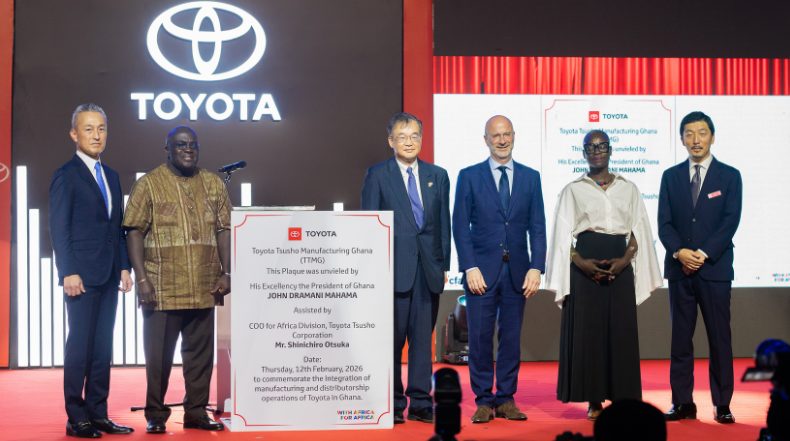
Leading the charge in Ghana's automotive transformation are global entities like CFAO Mobility. As a prominent pan-African mobility solutions provider, CFAO Mobility's establishment of Toyota Tsusho Manufacturing Ghana (TTMG) exemplifies the commitment to local value addition. This initiative, following the acquisition of Toyota and Hino vehicle distribution operations, integrates local assembly with established distribution networks, creating a powerful synergy.
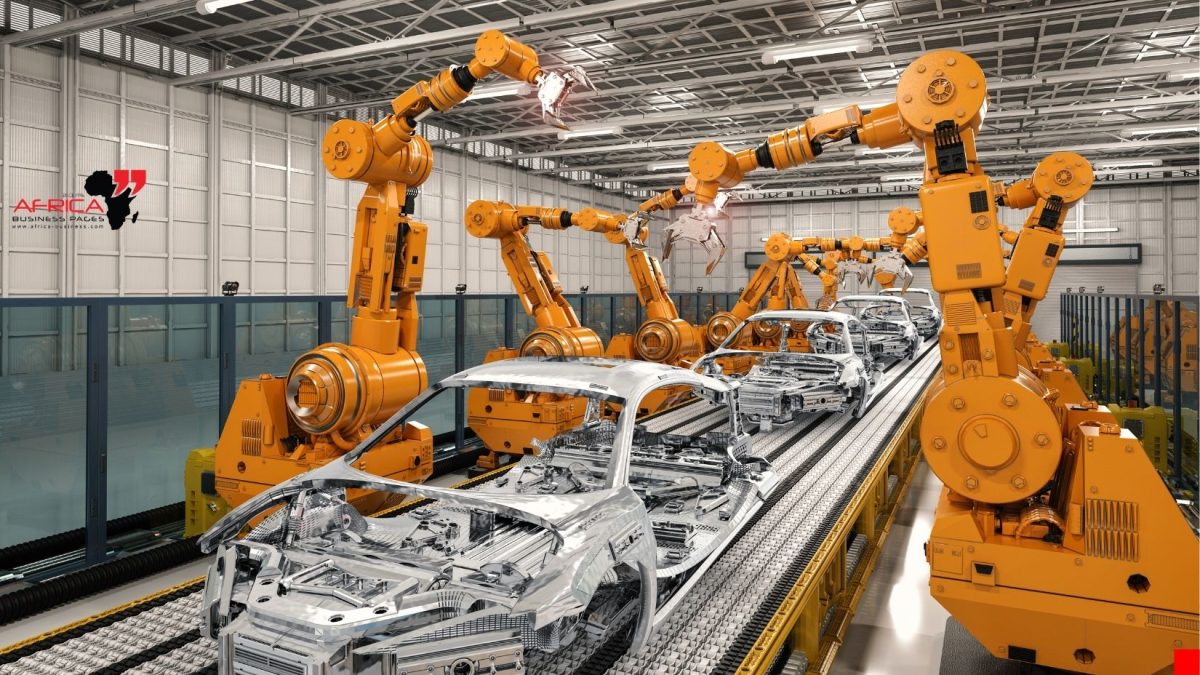
The TTMG project underscores a broader trend where international automotive groups are investing in assembly plants, not just for passenger cars but also for commercial vehicles, which are crucial for Ghana's burgeoning agricultural, mining, and construction sectors. This creates significant demand for auto parts suppliers for Africa, ranging from engine components to interior fittings, as local content requirements gradually increase.
Supply Chain Dynamics & B2B Opportunities for Global Partners
The growth of local automotive manufacturing in Ghana opens up a myriad of B2B opportunities for international suppliers. There is a strong and evolving demand for raw materials, semi-finished goods, and specialized components required for vehicle assembly. This extends to consumables such as tyres and batteries exporters, lubricants and grease suppliers, and various automotive chemicals.
Furthermore, the expansion of the automotive sector necessitates robust support infrastructure. This includes advanced manufacturing equipment, tooling, and technology transfer. The need for efficient logistics and distribution networks is also paramount, creating opportunities for freight and logistics providers capable of handling complex supply chains across West Africa. As Ghana continues its journey towards becoming a regional automotive powerhouse, global businesses are encouraged to explore the vast potential. Connect with key players, identify market gaps, and establish strategic partnerships to capitalize on this transformative period. Discover more opportunities by exploring the African Importers Directory and joining our dedicated Africa B2B WhatsApp Trade Groups.