South Africa Automotive Aftermarket: Local Production & Import Trends

South Africa's automotive sector stands as a cornerstone of its industrial economy, driving significant B2B trade across the continent. While vehicle manufacturing has a strong footprint, the aftermarket for parts and components presents a dynamic landscape, heavily reliant on imports but increasingly focused on local production and import substitution strategies to bolster domestic industries and create new opportunities for auto parts suppliers for Africa.
The nation's vehicle parc continues to grow, fueling consistent demand for maintenance, repair, and replacement parts. This robust demand has historically been met by a diverse array of global suppliers, making the aftermarket a critical segment for international exporters. However, strategic initiatives are now steering the sector towards greater self-sufficiency, aiming to localize the manufacturing of commercially viable components and foster economic transformation.
South Africa's Automotive Aftermarket Landscape
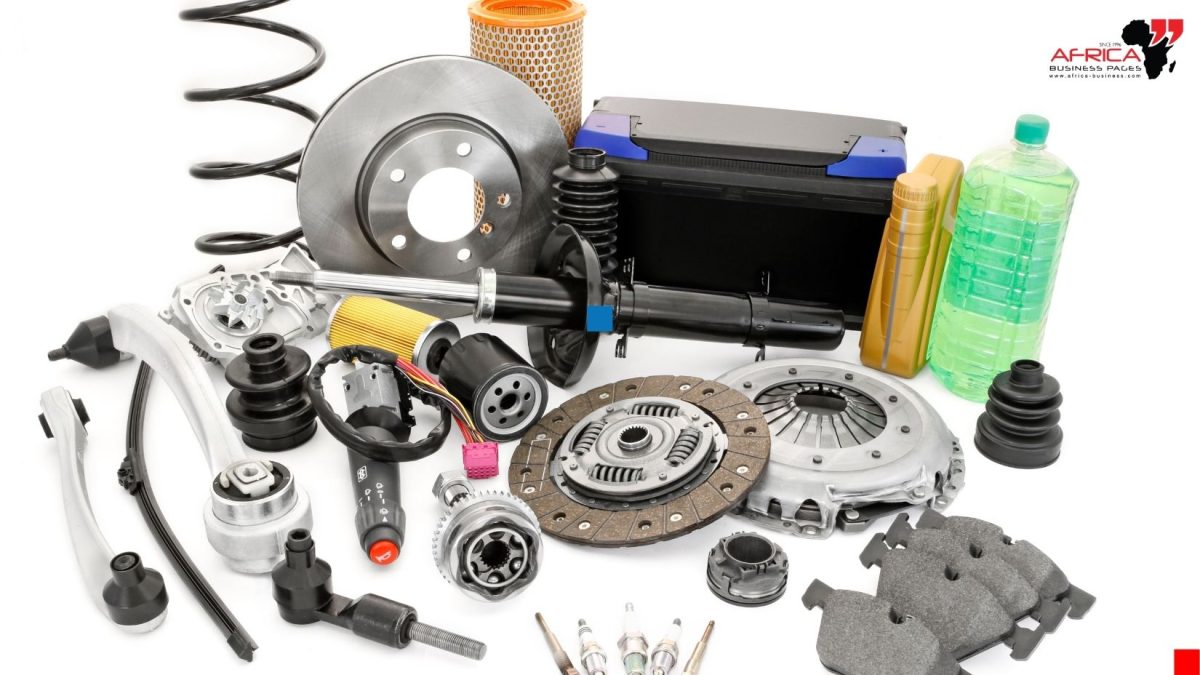
The South African automotive aftermarket is characterized by a complex ecosystem of importers, distributors, wholesalers, and retailers. Key product categories range from engine components, braking systems, and suspension parts to electrical systems, tyres and batteries exporters, and lubricants and grease suppliers. The market serves a diverse fleet of passenger vehicles, commercial trucks, and buses, reflecting varying needs for original equipment (OE) parts and high-quality aftermarket alternatives. Growth drivers include an expanding middle class, increased vehicle ownership, and the need for reliable transportation infrastructure across the region. Global suppliers seeking to enter or expand within this market must navigate established distribution networks and understand the specific demands of South African consumers and businesses.
The strategic shift towards import substitution in South Africa's automotive aftermarket is not merely about reducing reliance on foreign goods; it is a comprehensive industrial policy aimed at fostering local manufacturing capabilities, creating employment, and empowering a new generation of industrialists, thereby reshaping the B2B supply chain for automotive components across Southern Africa.
Driving Localisation and Black Industrialist Development
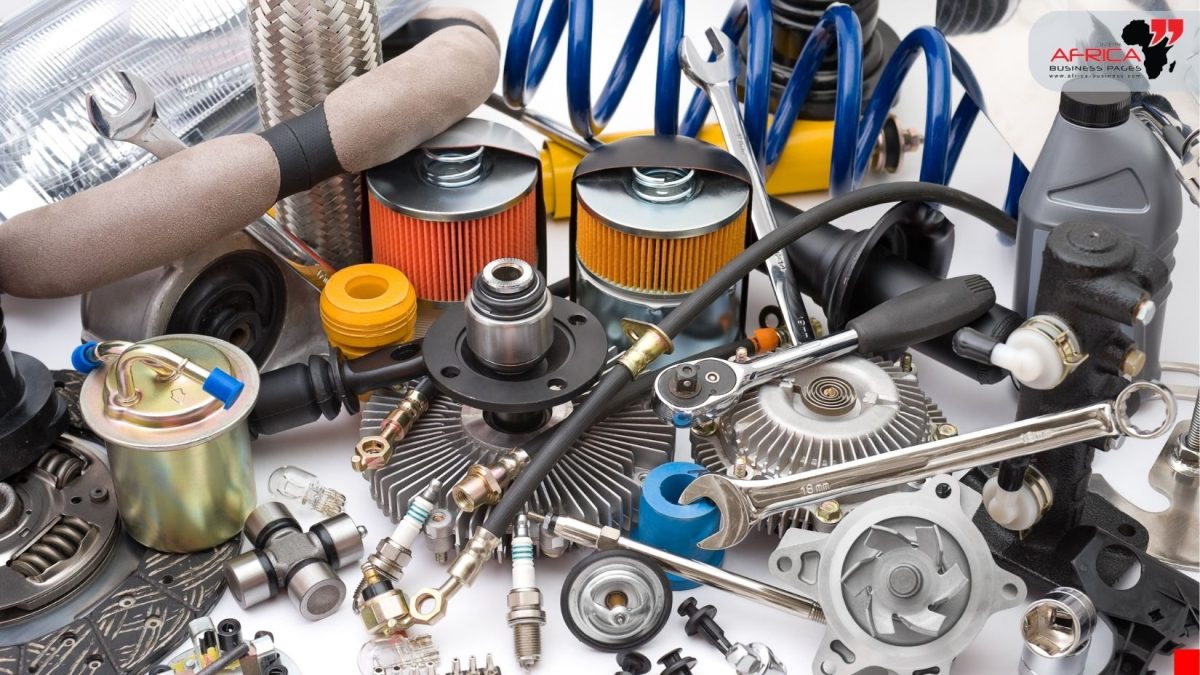
Government and industry bodies, exemplified by NAAMSA (The Automotive Business Council), are actively promoting policies to encourage local manufacturing of automotive components. This includes identifying specific parts and sub-assemblies where local production can be commercially viable and competitive. The focus extends beyond mere assembly to deep localization, involving the entire value chain from raw material processing to finished product. Furthermore, initiatives like the Black Industrialist Development Framework are designed to convert import demand into tangible transformation opportunities, supporting the growth of black-owned manufacturing enterprises. This creates a dual opportunity: for global firms to invest in local production partnerships and for African entrepreneurs to step into the manufacturing space, backed by policy support and market demand.
B2B Opportunities in the Aftermarket Supply Chain
For international suppliers, the evolving South African automotive aftermarket presents a nuanced set of opportunities. While import substitution aims to reduce overall import volumes in certain categories, there remains a significant and ongoing demand for specialized, high-tech, or niche components that may not be locally produced. Furthermore, the growth of local manufacturing often creates new requirements for raw materials, machinery, and advanced technologies from global partners. B2B engagement can take the form of direct supply to local manufacturers, strategic joint ventures, technology transfer agreements, or participation in the expanded distribution networks for both locally produced and imported goods. Businesses looking to connect with this dynamic market can explore the African Importers Directory to identify potential partners and distributors.
Navigating these shifts requires a deep understanding of local regulations, market dynamics, and the strategic priorities of South African industry. Companies that can offer competitive pricing, high-quality products, and a willingness to engage in local value addition are best positioned for long-term success. The emphasis on developing local capabilities and promoting Black Industrialists signifies a commitment to sustainable economic growth and a more inclusive automotive sector. For those interested in deeper engagement and networking within this vital sector, joining Africa B2B WhatsApp Trade Groups can provide invaluable insights and direct connections with key players.