
Ghana: The Automotive Hub of West Africa
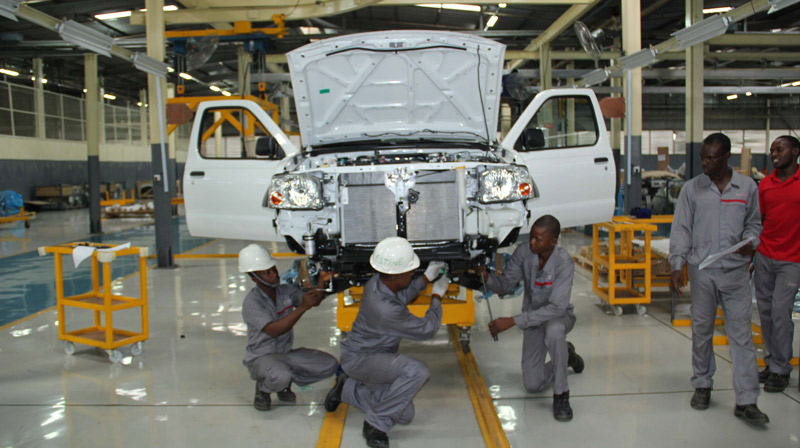
With the imminent ablishment of trade barriers under the African Continental Free Trade Area (AfCFTA), Ghana is poised to overtake Nigeria by becoming a gateway to the rest of West Africa, and a market leader in new car sales. The government of Ghana is also offering 10-year tax breaks to the automotive manufacturing industry in a bid to make Ghana the regional hub for car assembly and boost car sales in the local and regional markets.
And a lot of international car makers are considering Ghana government’s invitation very seriously. Toyota, for instance, is aiming to collect 30% of the corporation’s total annual revenue, currently at $60b illion, from Africa in coming 20 years. Industry experts forecast that Africa will account for one-third of the world’s population by 2050, up from 17% now.
Africa currently accounts for less than 1% of global annual new car sales. However, Toyota and other manufacturers will find it tough to immediately find a large consumer base in Ghana given the dominance of the used vehicle market. On the other hand, industry experts predict that new vehicle registrations in Ghana are expected to expand at an average annual rate of just 1.5% from 2019-28.
On the other hand, retail and consumer spending is expected to grow in Ghana, which is benefiting from two decades of stable democratic government, making Ghana one of the fastest growing economies in the world in 2019, and a pro-business regime proactively attracting foreign investment.
Kumasi, the capital of the Ashanti region, has long been a base for the automotive trade, serving the markets of landlocked neighbouring countries to the north as well as an access point for the important markets of Mali and Burkina Faso.
Given the promise in the market, it is not just international giants that are looking to gain a foothold. Local electric car manufacturer Kantanka is hoping to capitalise on changing consumer patterns amid growing international concern over carbon emissions. CEO Kwadwo Safo Jnr has said the firm will build electric cars that can travel between Accra and Kumasi without recharging. The business has already received orders from the trade and agricultural ministries. With moves to encourage electric vehicles in Europe and North America, and sales in China growing to 1.4 million in 2019, the market could develop in tandem with a demand for traditional vehicles.