
Africa's Beauty and Personal Care Market Poised for Growth
folder_open Cosmetics, Perfumes & Toiletries
The African beauty and personal care market continues to evolve with innovations in product formulations, sustainable packaging, and digital retail strategies. The demand for skincare, men’s grooming products, and natural ingredients will fuel market expansion, while companies adapting to consumer preferences and regulatory changes will gain a competitive edge. Overall, the industry is poised for steady growth, driven by increased self-care awareness, technological advancements, and a shift towards eco-conscious and personalized beauty solutions. The Africa beauty and personal care market is projected to grow by USD 8.18 billion at a CAGR of over 8% between 2025 to 2030. This rapid expansion is driven by key trends, including the rising demand for anti-aging products and the shift toward natural ingredients. Consumers are increasingly seeking skincare solutions that promote a youthful appearance, while health-conscious buyers favor personal care products free from synthetic chemicals. Despite these growth opportunities, the market faces challenges such as limited distribution networks, regulatory hurdles, and high import duties, which complicate market penetration for businesses. Product Insights The skincare segment is expected to experience significant growth, driven by increasing awareness of self-care and grooming. High-demand products include: Cleansers & toners Moisturizers Anti-aging solutions House of Tara International, a Nigerian beauty brand, exemplifies the success of locally tailored skincare solutions. Additionally, organic hair care, color cosmetics, fragrances, and men’s grooming products are expanding market segments. Market Trends and Dynamics in the African Markets Rising demand for anti-aging products: Influenced by shifting lifestyles, greater skincare awareness, and a desire for a youthful appearance. Growing preference for natural ingredients: Consumers are avoiding synthetic chemicals, favoring safer alternatives such as shea butter and baobab oil. Expansion of online beauty retail: Digital platforms and social media influencers are shaping purchasing behaviors, providing access to customized skincare and personalized beauty solutions. Significant Market Trends Eco-friendly packaging and sustainable solutions: Environmentally conscious consumers drive demand for biodegradable and recyclable packaging. Customization and personalization: Tailored skincare regimens and fragrances cater to individual preferences, enhancing consumer engagement. Male grooming on the rise: Increased focus on hair fall prevention, skincare, and dental care among male consumers. Challenges Facing the Market Health risks from synthetic chemicals: Growing awareness of harmful ingredients like parabens and sulfates pushes consumers toward safer, natural alternatives. High import duties and regulatory constraints: Trade barriers make market entry challenging for new and international players. Offline vs. online retail preferences: While e-commerce is expanding, many consumers still prefer in-store experiences for product testing and expert recommendations. Competitive Landscape Leading companies in the Africa beauty and personal care market include: Adidas AG Africology Pty Ltd. Amway Corp. Beiersdorf AG Christian Dior SE Coty Inc. House of Tara International Johnson & Johnson Services Inc. L’Oreal SA Unilever PLC Zaron Cosmetics and Beauty Africa Cosmetics Directory The Africa Cosmetics Directory compiled by Africa Business Pages has emerged as a helpful resource for those looking for buyers of cosmetics, perfumes and beauty products in Africa. The Africa Cosmetics Directory lists major cosmetics importers in over 35 African countries and is available for immediate download in Excel format. This special directory is updated every six months and is currently for sale at the Africa Business Pages B2B portal at a nominal cost of US$444. The Africa Cosmetics Directory has helped many exporters, manufacturers and dealers of cosmetics, perfumes, toiletries and beauty products connect with their business counterparts in the African markets and develop direct business relations and expand their sales and distribution network in key African markets.

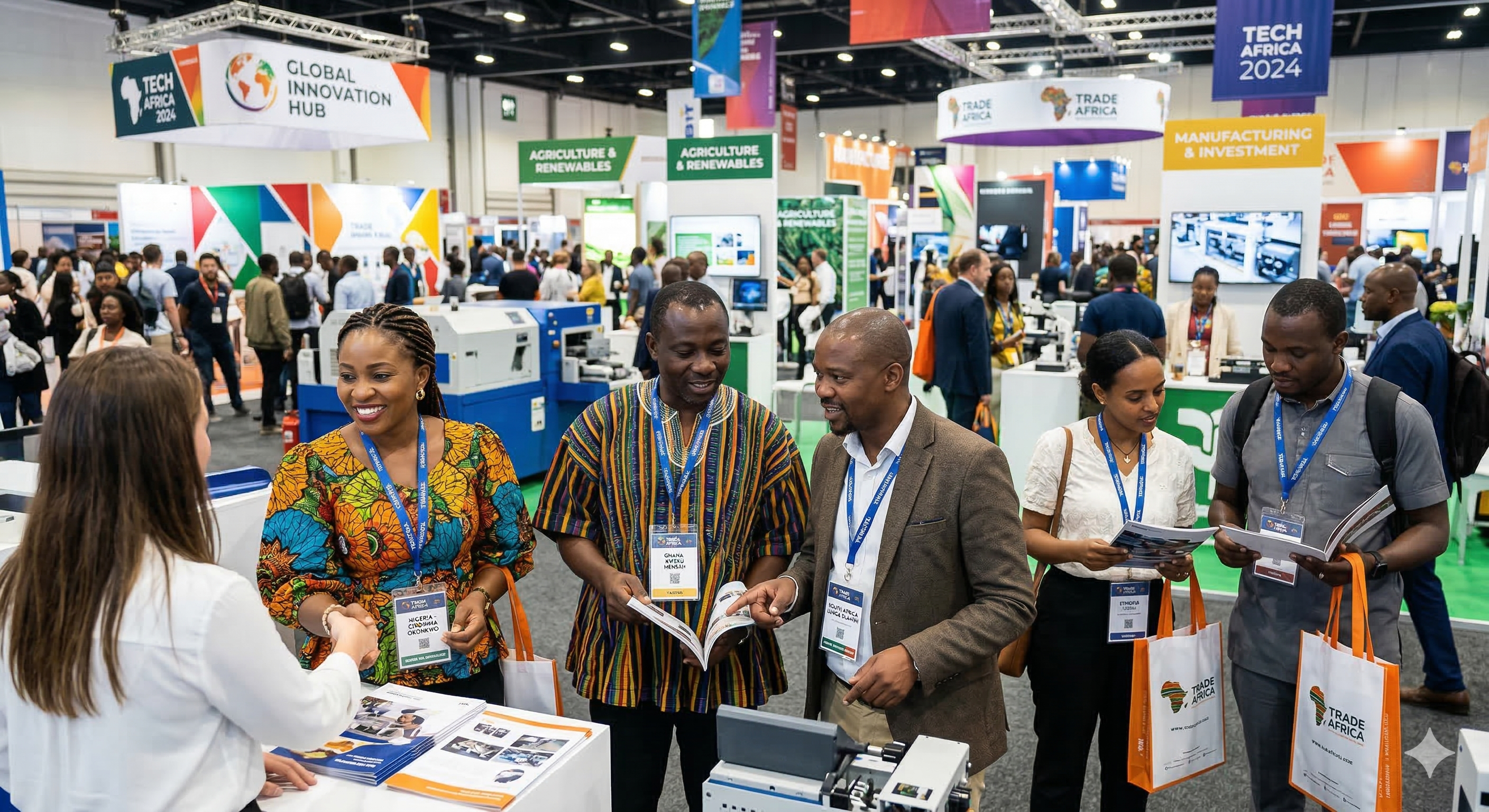
Africa Business Pages continues to play a vital role in promoting trade fairs and exhibitions across the continent. Through its expertise, the platform helps attract more African visitors to events, increasing visibility for products and services exhibited. This, in turn, leads to greater business opportunities for exhibitors. Satisfied exhibitors contribute to higher participation and stronger turnout for future events, enhancing overall exhibition success. As Media Partners of an exhibition, Africa Business Pages guarantees to generate a minimum number of registrations through its multiple marketing verticals and ensures that your trade show gets a sizable footfall from the African markets. Driving African Market Engagement With over 5,000 companies relying on Africa Business Pages to achieve their marketing goals in African markets, the platform brings dedicated expertise to help exhibition organisers connect with the right audiences in Africa. The Digital Marketing team at Africa Business Pages continually innovates with new strategies and approaches tailored specifically for African markets. Africa Business Pages offers a comprehensive range of services, including: SMS, WhatsApp & Email Marketing Content Marketing & SEO Services Social Media Marketing & Facebook Advertising Field Marketing & On-Ground Activations Online & Print Advertising Direct Outreach Banner Advertising (UTM tracked) The focus remains on increasing direct visitor registrations from Africa by delivering messages through targeted digital and traditional marketing verticals developed by Africa Business Pages over the last 25 years. Experts in African Digital Marketing As a specialized Africa-focused B2B platform, Africa Business Pages ensures that Exhibition Organisers reach and engage their target audience, increasing visitor turnout from Africa for their trade exhibitions and providing value-add to their exhibitors turn.. Over 25 Years of Promoting Trade with Africa For more than 25 years, Africa Business Pages has been at the forefront of promoting trade to and from Africa through its magazine and online B2B portal. The platform’s digital expansion has led to the launch of industry-specific B2B portals such as Auto Parts Africa, Beauty Africa, and Foodstuff Africa, further strengthening its ability to connect businesses across various sectors. Africa’s Largest Business Database Africa Business Pages has compiled the largest database of African businesses over the last 25 years. Through its portal, the platform provides access to an extensive database for targeted trade sector engagement and business matchmaking services. This database serves as a powerful tool for email marketing campaigns, helping clients reach their desired audience efficiently. Advantages of Partnering with Africa Business Pages Maximize Exhibitor ROI – Expand exhibitor reach into Africa’s booming markets, increasing their chances of securing valuable business opportunities. Comprehensive Marketing Support – Exhibitors rely on effective promotion, and Africa Business Pages’ African-focused strategies ensure outreach to new and emerging markets, increasing exhibition success. Stronger Event Participation – Higher exhibitor satisfaction leads to increased event participation and long-term growth for trade shows. Some of the local, regional and international trade shows and exhibitions organisers that Africa Business Pages has worked with include Gulf Print & Pack, Tyre Export Africa, Messe Frankfurt, Beauty India, Automechanika Middle East, Informa Exhibitions, FESPA Middle East, Middle East International Exhibition, China Council for the Promotion of International Trade, Thai Auto Parts Aftermarket Association, Garage Expo, Beautyworld Middle East, Cosmoprof Bolgna – to name a few. By leveraging its expertise and extensive networks, Africa Business Pages helps trade show organizers deliver successful events, ensuring exhibitors gain maximum exposure and business success in the African market.
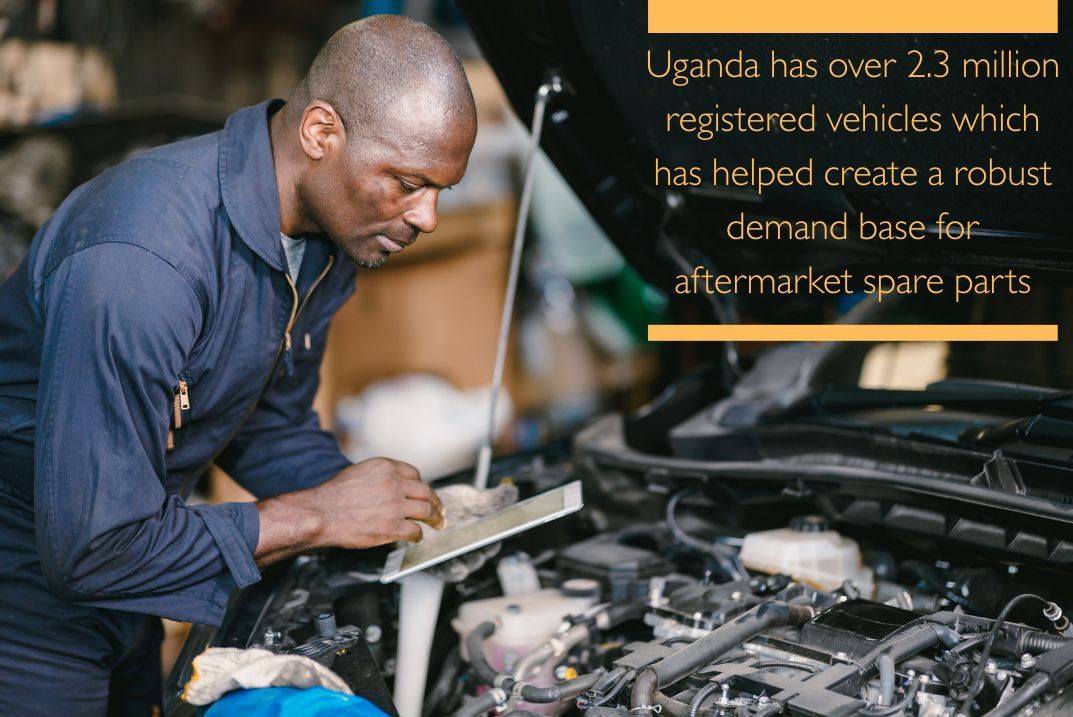
Uganda's automotive spare parts market is undergoing significant transformation, driven by a combination of rising vehicle ownership, strategic local manufacturing initiatives, and the gradual digitization of parts distribution. According to a recent study conducted by the research team of Africa Business Pages, Uganda has over 2.3 million registered vehicles which has helped create a robust demand base for aftermarket spare parts. As a result, the automotive spare parts sector in Uganda has attracted both established importers and innovative domestic manufacturers. Market Overview: Demand Dynamics and Import Infrastructure According to the study, Uganda's automotive sector is characterized by a high prevalence of used vehicles, predominantly imported from Japan, South Korea, UAE and Europe. This reliance on aging fleets – averaging 10-15 years in operational lifespan – creates sustained demand for replacement components, particularly brake parts, engine parts, batteries, filters, suspension systems, and electrical components. Mandela Auto Spares, one of Uganda's largest parts stockists, maintains over 12,000 SKUs specifically tailored for Japanese models like Toyota, Mitsubishi, and Isuzu, reflecting market alignment with prevalent vehicle makes. Annual parts consumption is estimated at $8 billion continentally, with Uganda contributing a growing share amid its 11% year-on-year demand growth. Import Infrastructure and Regional Trade Networks As the East African Community's leading auto parts importer, Uganda accounts for 37% of regional shipments, with 4,364 annual import transactions. Key trade corridors include: India: 1,971 shipments, specializing in lead molds and electrical components United Arab Emirates: 1,045 shipments, focused on assorted spare parts China: 1,045 shipments, supplying engine and chassis components This import ecosystem remains critical due to limitations in local production capacity. However, rising freight costs and supply chain disruptions post-2020 have incentivized shifts toward domestic manufacturing, as seen in Standard Waves Ltd's expansion from 1 workshop to 4 production facilities since 2016. Uganda: The Hub for Re-Exports in East Africa Ugandan importers, wholesalers and distributors increasingly act as re-export hubs for landlocked neighbouring countries in East Africa. A 2024 survey found 37% of UAE goods imported via Kampala were onward-shipped to Kigali and Juba, leveraging Uganda’s COMESA-certified warehousing zones. This secondary trade generated $96 million in logistics revenue for Ugandan firms, incentivizing further imports from the UAE. Standard Waves Ltd: A Case Study in Import Substitution Founded in 2016, Standard Waves Ltd (SWA) exemplifies Uganda’s nascent manufacturing push, producing 1,000+ replacement parts for 80 vehicle models. Their product range spans oil filters, engine mounts, and specialized fasteners, capturing 20% of the domestic market through competitive pricing – 30–40% below imported equivalents. Strategic government backing, including tax incentives and land allocations for factory expansion, underscores policy alignment with the National Development Plan III’s industrialization targets. Hon. Evelyn Anite’s endorsement during SWA’s facility tour highlighted state priorities: “Local manufacturing isn’t optional; it’s essential for job creation and forex preservation.” Brick-and-Mortar and Service Integration Mandela Auto Spares’ B2B model – supplying government ministries, UN agencies, and 60+ garages – demonstrates the enduring relevance of physical distribution. Their value-added services, including direct-to-garage parts delivery with labor-only billing, reduce counterfeit risks and improve fleet maintenance outcomes for institutional clients. Kampala hosts 114 registered spare parts distributors, though market fragmentation persists, with 80% operating single-outlet models. eCommerce Acceleration and Market Democratization The vehicle parts eCommerce sector, projected to reach $1.9 million by 2025, is reshaping rural access. Platforms like Volza.com facilitate SME imports through consolidated shipping, while SWA’s digital catalog – accessed by 40% of its customers – enables just-in-time ordering for mechanics outside Kampala. However, logistical bottlenecks limit same-day delivery to major hubs, with 72-hour lead times common in Northern and Eastern Uganda. Tax Regimes and Their Market Impacts Uganda’s automotive policies present a dual-edged sword: Import Duty Waivers: Reduced tariffs on machinery imports (from 10% to 7%) aided SWA’s expansion. Excise Taxes: 20% levies on imported parts sustain price gaps favoring local manufacturers. The 2023 Automotive Industry Development Bill proposes further incentives, including VAT exemptions for locally produced parts exceeding 60% domestic content. Market Growth Trajectories The Middle East and Africa spare parts market, valued at $13.36 billion in 2024, expects 5.9% CAGR through 2031, with Uganda outperforming at 7–8% driven by: Vehicle Electrification: Emerging demand for hybrid battery components and charging parts. Aftermarket Expansion: 45% of vehicles aged 15+ years require frequent part replacements. Uganda’s automotive parts market stands at an inflection point, balancing import reliance with nascent industrialization. With strategic public-private synergies, Uganda could capture 15-20% of the regional aftermarket by 2030, translating to $2.2 billion in annual revenue. The sector’s growth will increasingly hinge on technology adoption, quality enforcement, and workforce upskilling – a roadmap requiring coordinated investment and policy agility.
.png)
Africa B2B WhatsApp Group - Join Now for $33
folder_open Articles , Business Outlook , Cosmetics, Perfumes & Toiletries
Join Africa’s Leading B2B WhatsApp Business Groups Expand your business across Africa with direct access to buyers, importers, wholesalers, distributors, and decision-makers through the official Africa Business WhatsApp Groups. Join Africa B2B WhatsApp Groups Why Businesses Are Joining Our WhatsApp Groups Traditional email marketing is becoming slower and less effective in African markets. In Africa, mobile communication dominates business networking, and WhatsApp has become the preferred platform for real-time trade discussions and business opportunities. () Our premium WhatsApp B2B groups connect global suppliers directly with active African buyers from major markets including Nigeria, Kenya, Ghana, South Africa, Ethiopia, Tanzania, Uganda, Angola, and many more. () Whether you are an exporter, manufacturer, supplier, wholesaler, or brand owner, our groups help you build valuable business relationships faster. Direct Access to African Buyers Connect instantly with serious importers, wholesalers, retailers, distributors, garage owners, and procurement professionals actively searching for products and suppliers across Africa. () Real-Time Communication No waiting days for email replies. WhatsApp enables direct conversations, instant inquiries, faster negotiations, and quicker business decisions. According to Africa Business Pages, WhatsApp group response times can be under 90 seconds compared to over 90 minutes for email communication. () Industry-Specific Business Networks Our groups are carefully organized by industry so you can reach the right audience without wasting time. Available groups include: Cosmetics & Beauty Auto Parts Foodstuff & FMCG General B2B Trade This targeted approach helps suppliers connect with highly relevant buyers and distributors. () Promote Products Easily Share: Product catalogs Price lists Product images Videos Promotions Stock availability updates Trusted & Moderated Environment Unlike random public WhatsApp groups filled with spam, our groups are actively moderated to maintain a professional business-focused environment. Spam, scams, and irrelevant content are removed quickly to protect members and maintain quality networking. () Why WhatsApp Marketing Works in Africa Africa is a mobile-first continent. Businesses across the region increasingly rely on WhatsApp for communication, networking, sourcing, and trade. Independent discussions across online communities also recognize WhatsApp as one of the most effective communication channels for African business networking. WhatsApp Groups achieve up to 98% message open rates Communication is fast and low-bandwidth friendly Buyers trust WhatsApp more than cold emails African businesses use WhatsApp daily for trade communication If your business is not visible on WhatsApp, you may be missing valuable opportunities in fast-growing African markets. Who Should Join? Our WhatsApp B2B groups are ideal for: Exporters Manufacturers Distributors FMCG suppliers Cosmetics brands Auto parts companies Foodstuff suppliers Electronics traders Construction suppliers Machinery suppliers Brand representatives Trade agents Whether you are based in Dubai, China, India, Turkey, Europe, or anywhere else in the world, our groups provide direct market access to African buyers. Membership Benefits Reach buyers in 54 African countries Connect with 500+ active business members Access verified industry contacts Build long-term trade partnerships Increase visibility for your products Generate direct B2B leads Expand into high-growth African markets Africa Business Pages has been connecting African buyers with global suppliers for more than 25 years through its B2B trade networks and digital business platforms. Start Connecting With African Buyers Today Join Africa’s fastest-growing WhatsApp B2B trade community and start promoting your business directly to African importers, distributors, and wholesalers.

Unlock Libya's Market: Why This Business Directory is Your Key to Finding Buyers
folder_open North Africa
For export-oriented companies, the word "opportunity" often means finding an untapped market—a place with high demand, a growing economy, and a strategic position. Right now, that word is Libya. As Libya continues to focus on rebuilding and economic diversification, it is re-emerging as a significant commercial hub in North Africa. Its strategic Mediterranean location makes it a gateway to both African and European markets. But what does this opportunity look like for exporters, and how can you seize it? The Libyan Opportunity: A Market Hungry for Imports Libya's economy is undergoing a significant transformation. Beyond its vast oil and gas sector, there is massive, state-supported demand across several key areas: Infrastructure & Reconstruction: Years of rebuilding have created an immense need for construction materials, heavy machinery, engineering services, and utilities. Healthcare: The country is actively modernizing its healthcare system, driving imports for pharmaceuticals, medical equipment, and hospital supplies. Agriculture & Food: To enhance food security, Libya is a major importer of foodstuffs, processed foods, and agricultural machinery. ICT & Consumer Goods: A young, educated, and increasingly tech-savvy population is fueling demand for electronics, mobile phones, computers, and other consumer goods. The Libyan government is actively encouraging this growth, offering incentives for foreign investment and dismantling old trade barriers. This has created a fertile ground for exporters who can supply the goods and services this rebuilding market needs. The Exporter's Challenge: Finding the Right Partners The opportunity is clear, but so is the challenge. In a market that is reforming and rebuilding, how do you find the right people? How do you connect with reliable importers, wholesalers, and distributors who are actively seeking your products? Wasting time on outdated contacts or searching aimlessly online is not an option. You need a direct, reliable, and verified resource to bypass the noise and get straight to business. This is where the Libya Business Directory from Africa Business Pages becomes your most valuable tool. Your Solution: The Libya Business Directory This isn't just a list; it's a comprehensive, actionable database designed for one purpose: to connect exporters like you with verified business partners in Libya. Available for instant download in MS Excel format, the Libya Business Directory is the perfect email marketing and B2B outreach tool. It provides you with: Over 1,800 Verified Listings: Get direct access to top companies, importers, wholesalers, retailers, and agents across Libya. Essential Contact Details: The directory includes company names, addresses, phone numbers, and, most importantly, email addresses and websites to make your outreach immediate and effective. Key Sector Classifications: The database is sorted by business category, allowing you to instantly filter for your target market, whether it's: Automobile Spare Parts Foodstuff Distributors Electronics & Mobile Phones Heavy Equipment & Machinery Pharmaceuticals & Medical Building Materials ...and many more. Instead of spending months on market research, you can start your email marketing campaign today. You can introduce your products, build relationships, and start generating leads from the moment you download the file. A Trusted Partner in African Trade: Africa Business Pages This directory is compiled by Africa Business Pages, a leader in African B2B trade promotion since 1996. For decades, they have played an instrumental role in bridging the gap between global exporters and African buyers. While others were still relying on bulky, printed telephone books, Africa Business Pages pioneered the digital B2B portal for Africa. They have a proven track record of helping thousands of companies grow their footprint on the continent by providing the very tools—like this directory—that generate validated leads and real-world results. Their mission is simple: to make it easier for you to find buyers in Africa. Seize Your First-Mover Advantage Libya is open for business, and the demand for international products is high. The companies that will succeed are the ones that move quickly and connect with the right partners first. Don't let this opportunity pass you by. The Libya Business Directory is your direct link to over 1,800 potential buyers. Get your copy today for the special price of $150 and start connecting with Libyan importers instantly. Click Here to Download the Libya Business Directory Now
In most parts of the world, B2B sales still revolve around email threads, scheduled calls, and structured CRM pipelines. In Africa, however, a different reality has taken shape – one where deals are initiated, negotiated, and closed inside a messaging app. That app is WhatsApp. Across cities like Lagos, Addis Ababa, Nairobi, and Johannesburg, WhatsApp has become the default tool of business communication, quietly redefining how relationships are built and how deals get done. Africa Business Pages has created a dedicated online community of Africa B2B WhatsApp Groups for specific business sectors. These WhatsApp Groups are where African buyers meet global suppliers and conduct direct business transactions. Some of these WhatsApp Business Groups managed by Africa Business Pages have more than 1000+ members and have a ever-changing mix of new members through a revolving door system where new members keep joining in as older members leave. Some of the popular Africa Business Groups that form the Africa Business Pages WhatsApp community include: Cosmetics Africa B2B WhatsApp Group Foodstuff Africa B2B WhatsApp Group Auto Parts Africa B2B WhatsApp Group General B2B Africa WhatsApp Group “Our B2B WhatsApp ecosystem turns WhatsApp into more than just a communication tool – it becomes a living network of commerce,” says N. Hasan, CEO and Founder of Africa Business Pages. “Our WhatsApp Business Groups provide direct access to decision-makers and create a sense of community that traditional platforms struggle to replicate,” he said. WhatsApp Business Groups in Africa What makes WhatsApp particularly powerful in Africa’s B2B landscape is how closely it aligns with the continent’s relationship-driven business culture. Business transactions are rarely purely transactional; they are built on trust, familiarity, and ongoing dialogue. WhatsApp naturally supports this dynamic through real-time chats, voice notes, and media sharing. A quick voice message or informal conversation often carries more weight than a formal email. Instead of replacing traditional business practices, WhatsApp digitizes and accelerates them, preserving the human element that is central to deal-making. Another defining advantage is engagement. Compared to email, where messages are often ignored or delayed, WhatsApp conversations are immediate and highly responsive. Messages are read quickly, replies come faster, and conversations flow naturally. This speed has a direct impact on sales outcomes. In competitive markets, the business that responds first often wins – not necessarily the one with the most polished pitch. WhatsApp compresses response times and reduces friction, making it easier to move prospects from interest to decision. Perhaps the most transformative aspect of WhatsApp in Africa is how it collapses the entire B2B sales funnel into a single channel. What traditionally required multiple tools – lead generation platforms, email campaigns, calls, and CRMs – can now happen within one chat thread. A typical deal might begin with an introduction, move into product discussions, continue with proposal sharing, and end with negotiation and confirmation – all without leaving the app. This simplicity reduces complexity for both buyers and sellers, accelerating deal cycles significantly. In many cases, WhatsApp also doubles as a business infrastructure layer. For small and medium-sized enterprises, especially, it replaces the need for expensive software stacks. It functions simultaneously as a communication tool, a sales pipeline, and a customer support channel. This low-cost, high-efficiency model is particularly important in emerging markets, where businesses often operate with limited resources but high expectations for responsiveness and service. A unique feature of WhatsApp’s influence in Africa is the role of group chats in driving B2B networking and deal flow. These groups often act as informal marketplaces and industry hubs, where opportunities are shared, partnerships are formed, and deals are discussed in real time. These groups typically enable: Faster discovery of business opportunities Direct access to suppliers, buyers, and partners Real-time discussions and deal negotiations Peer validation and social proof Finally, WhatsApp is at the center of a broader shift toward conversational commerce. Instead of navigating websites, filling out forms, or waiting for callbacks, buyers simply send a message. Conversations replace forms, and decisions happen in real time. This is particularly valuable in B2B transactions, where requirements are often complex and require back-and-forth discussion. WhatsApp makes this process fluid, interactive, and efficient. WhatsApp is no longer just a messaging app. In Africa’s business landscape, it is the deal room, the negotiation table, and the closing tool – all in one.

Lead Generation Services by Africa Business Pages: Get 300 Business Inquiries from African Buyers Africa Business Pages has launched a deciated Lead Generation Service to help small business owners as well as large business conglomerates to reach potential buyers in the African markets through a dedicated digital marketing plans. The Silver Plan, for instance, can fetch as as many as 300 pre-qualified leads from African buyers per month at fixed price of $550. You can even try a 7-Day Trial promotion before commiting for one of the three digital marketing and lead generation plans offerred by the Africa Business Pages. All the plans are exclusively dedicated towards the African market and target ONLY buyers from Africa. This has helped many companies generate quality business leads from African buyers and increase their exports to Africa by using the dedicated Leads Generation Service by Africa Business Pages – Africa’s leading B2B portal since 1996. Business from Africa: Export to Africa For companies wanting to consolidate their exports to the African markets, the leads generation service offered by the Africa Business Pages is the best way to reach the right African customers at the right time and right place! Africa Business Pages offers an increased number of targeted and qualified leads in B2B and B2C markets. when it comes to digital marketing in Africa, a specialised lead generation company can serve as your first step to get closer to your targeted customers in Africa. By identifying potential buyers in Africa through their previous interest or inquiry, the Africa Business Pages is able to conduct precise business matchmaking through their extensive database. algorithm. Business Leads from Africa Lead Generation Services by Africa Business Pages can be your first step in bringing African customers to your company. The Africa Business Pages team helps in generating leads for your company to get more customers and the dedicated CRM team will pre-qualify these leads in order to convert them into paying customers for your company. The campaigns used by Africa Business Pages for generating leads are conceptualised by a dedicated and experienced team of digital marketing veterans to capture validated, pre-qualified leads through various digital marketing verticals. The pre-qualified leads are then delivered to the clients or their marketing/sales manager through emails. How will business leads from Africa help your business? Fixed price plans for lead generation – all-inclusive Choose the product you want to promote in Africa Choose a geographical area to target in the African market Benefit from the African Business Pages database to target specific audiences Minimum number of business leads per month guaranteed Lead Guarantee from Africa Business Pages The leads provided by Africa Business Pages are generated through unique web platforms owned and managed by Africa Business Pages. The leads go through a process of manual verification and qualification filters as per the BANT or other criteria set up at the start of campaign. All leads delivered by Africa Business Pages are guaranteed to be manually validated and with a genuine requirement. Africa Business Pages’ support team offers consultation and clients can change their target markets and products periodically. You only pay a one-time fixed price to subscribe to the service. Get Hot Validated Business Leads from Africa If you are you a startup/ small organization struggling to acquire business leads from the African markets, the B2B lead generation services offered by Africa Business Pages will help you gain validated leads and expand your company export to new and emerging markets in Africa. We deliver quality, verified leads Competitor tracking Customized campaigns via Social Media Buying Service Zero risk game Pay one-time fixed price for subscription Less Sales Efforts The lead generation service offered by Africa Business Pages reduces the pressure on your sales team by covering all aspects of generating hot, validated leads for your business from the African markets. Our expert digitial marketing team will be responsible for carrying out all your sales and graphics related activities for your promotional campaign in Africa. Follow ups and E-mail Funnels The Africa Business Pages team makes sure to follow up on the generated leads continuously with conversion rates moving swiftly in the favour of your company. The comprehensive database of African buyers available with Africa Business Pages helps in targeting the right potential buyers in Africa for your business / products. Increase Exports to Africa The African Business Pages team uses an inbound approach to generate business leads from African buyers – this includes paid search marketing, content marketing, and opted email marketing as well as interactive marketing activities attract potential customers in Africa. Managing business leads from Africa Marketing automation systems like email funnels makes it easier to nurture and capture relevant business inquireis for your business through online automation tools. The idea of this service is built around a unique framework which relieves your company of the hassles of managing and securing marketing/sales data. Our framework is agile, self-expanding, and fully-supported by our team. We assist in areas including lead generation, segmentation, managing the leads, nurturing and scoring leads, and keeping a track on them. The leads are sent an automated message or mail updating about your company and hence, the service helps in conveniently and actively managing the leads. Marketing for Business Leads from Africa The dedicated digitial marketing team at Africa Business Pages focuses on moving leads from top to bottom based on their relavance and importance. By using online marketing automation techniques, the Africa Business Pages team is able to design, automate, and market a time-bound marketing workflow for your company. Business Leads from Africa The process of marketing automation and using specific softwares to automate key aspects of capturing leads has helped Africa Business Pages to generate better leads. Capturing leads through marketing automation software provides better results than the traditional digitial marketing tools. Status updates The digitial marketing automation techniques used by Africa Business Pages helps in keeping African customers up-to-date with the status of services offered and your company offers and activities. The users have no time to come down to the website and check for the updates of the company, whereas automated marketing gives them all the information about your company and products in a single easy-to-read automated email. ABOUT AFRICA BUSINESS PAGES Africa Business Pages is a leading B2B portal dedicated to the African markets and is backed by a highly expereinced digital marketing team that provides a wide range of marketing services to businesses across industry verticals. The company serves all types and sizes of businesses striving to carve a niché for themselves in the African markets through varied marketing techniques, sales verticals, digital marketing activities and marketing activities. Africa Business Pages knows what it takes to be a leader, and has a pool of carefully recruited digital marketing experts to support the success of each client in utmost professional and upbeat manner. You can consult and get expert advice for fueling the overall growth of your business, irrespective of the stage your business cycle is at. Our 25+ years of experience has enabled Africa Business Pages to gain a significant position among leading digital marketing platforms across Africa.

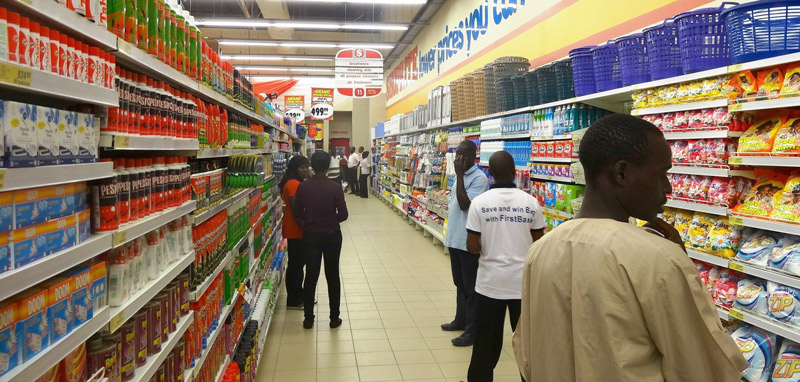
With a growing young population coupled with rapid urbanisation and fast-growing consumer expenditure, Africa offers attractive opportunities for entities wishing to expand into new frontier markets. Retailing contributions to GDP across the region continue to increase, indicating that the region is consumption-driven. Retail sales in the Africa amounted to over USD500 billion in 2019. Key retailing markets included South Africa, Egypt, Morocco, and Algeria. Although Africa is regarded as an emerging market, it is a different and complex one. The region is home to 55 independents states, which are characterised by diverse economies, and consumption patterns. It hosts a population of different income groups, religions, races, customs and languages. Furthermore, different countries are at different development stages. To develop a good and strategic market entry approach into the region, one needs to understand the diversity and dynamics that drive retailing. In addition, understanding how and where one’s product is consumed and purchased in the region is necessary for developing a route-to-market strategy. Africa is made up of a combination of traditional and modern retailing channels. These channels vary by market and are influenced by factors such as economy, state of development, consumer preferences and local culture. There are significant variations in the logistics costs and lead times required to access different African markets. The region is characterized by a multitude of retail channels, distribution networks, supply chains, marketing strategies, and different regulatory administrations. Underdeveloped infrastructure and complex distribution channels make it challenging for companies and products to reach consumers. Many consumer goods are imported from outside the region and thus demand an efficient supply chain. This comes with challenges such as volatile currency fluctuations and import duties. Partnering with local players that are connected along the value chain, coupled with creative, flexible approaches to supply chain and logistics can help companies overcome distribution challenges. Africa is on track to hit a predicted USD 2.1 trillion in consumer spending by 2025 These market dynamics indicate that Africa’s retailing landscape is diverse and increasingly expanding to suit the changing consumer demographics.
The Booming Markets In Africa
folder_open Business Outlook
Many African countries have been increasing their spending on infrastructure such as airports, cities, hotels, ports, roads, bridges, hospitals, and power plants. Both west and east African countries continue to implement major infrastructure projects such as the Trans-African Highway network. This project is comprised of a transcontinental road which aims at integrating the region’s transport corridors to meet the growing demand for road transport by an increase in Intra-regional trade. Recently, Kenya has unveiled a 280-million-dollar road rehabilitation project to improve its links with Tanzania and South Sudan. Moreover, Lamu Port South Sudan Ethiopia Transport (LAPSSET) Corridor is a 25-billion-dollar project — which will link Kenya with Ethiopia, Uganda, and South Sudan. This far-reaching project involves a railway, a highway, a crude oil pipeline and a fibre-optic cable connecting the four countries. The project will also include several airports, resort cities, an oil refinery, a 32-berth port in Lamu and other supporting infrastructure mini projects. Once completed, the LAPSSET railway will connect to West Africa’s Douala–Lagos–Cotonou–Abidjan Corridor, running through Cameroon, Nigeria, Benin, Togo, Ghana, and the Ivory Coast respectively. As these projects progress both the cost of mobility and production are falling — which is helping many small businesses have access to more inter-regional connected markets. Additionally, the advance in the telecommunication capabilities is enabling millions of young educated and digitally connected population to connect, buy and sell goods. In a few years, the proliferation of mobile phone networks has transformed communications in sub-Saharan Africa. It has also allowed Africans to jump right to the digital age skipping the landline stage of development. Many African non-oil exporting countries have impressive growth rates. Countries not dependent on natural resources are also progressing with economic reforms. These countries, which include Botswana, Ivory Coast, Ethiopia, Kenya, Mauritius, Morocco, Rwanda, Senegal, Tanzania, and Uganda, posted an average GDP growth of 5.8% a year between 2010 and 2018. While it is true that the business environment is still not fully developed, and that many countries still have to do more to reduce bureaucratic rules and to create stronger independent institutions, these existing challenges do not diminish business opportunities. Some global consumer companies, such as Samsung, Transsion, Nestlé, LG, and Colgate, have been able to overcome challenges and gain market share.
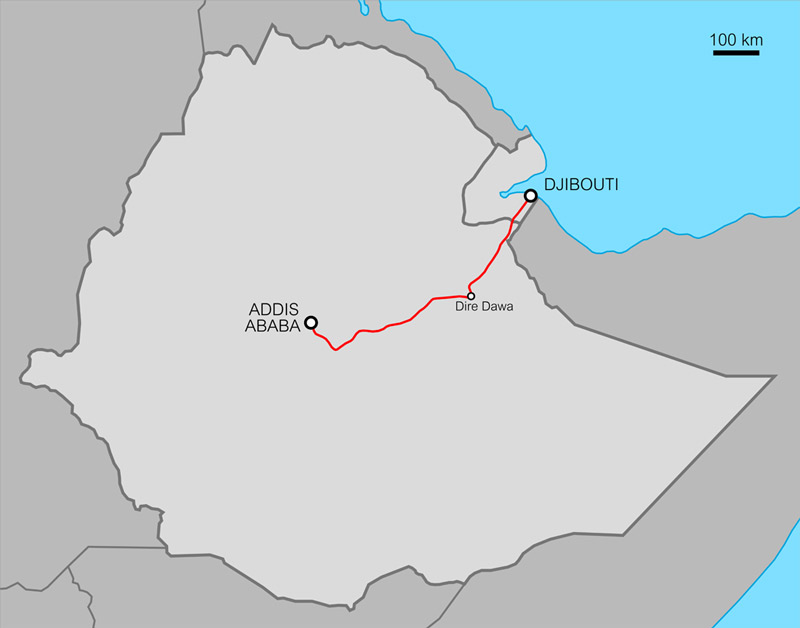
Ethiopia Opens Up Logistics Sector
folder_open Business Outlook , East Africa
The Ethiopian government has opened up its logistics sector to foreign investors for the first time, in the form of joint ventures with local firms. The country wants to attract at least $120 million of foreign direct investment into the sector by 2021. Meanwhile, the state-owned Ethiopian Shipping & Logistics Services Enterprise (ESLSE) is to be part-privatised, and the state railway company, the Ethiopian Railway Corporation, restructured then fully privatised. Clearly, the government of Ethiopia has made improving logistics a top priority. A $2.5 billion, 750-kilometre railway connecting Addis Ababa with the port in Djibouti was launched in 2018 and should cut a three-day journey down to 12 hours. In an ambitious road-building programme flagship projects include a 200 kilometre expressway connecting Hawassa, home to the country’s largest industrial park, with the capital, Addis Ababa. Two years ago, the government signed a $150 million World Bank project to transform Mojo, a poorly equipped and heavily congested dry port near Addis Ababa that processes more than 70% of imported containers, into a state-of-the-art logistics facility. Meanwhile, Addis is helping a Dutch consortium, Flying Swans, to set up a cold chain along the railway to the coast. It also plans to increase to 90% the coverage of general cargo carried by ‘multi-modal’ transport – the theoretically more efficient system currently monopolised by the state-owned Ethiopian Shipping & Logistics Services Enterprise (ESLSE). As of now, to transport a 20-foot container of garments from Ethiopia to Germany costs 247% more than from Vietnam and 72% more than from Bangladesh. In 2016, Ethiopia scored 2.37 in the World Bank’s Logistics Performance Index – significantly lower than neighbouring Uganda, which is also landlocked. The country ranked 159th out of 190 in the World Bank’s Doing Business index in 2018; Uganda came 127th. Most of Ethiopia’s bulk imports like wheat, sugar and fertiliser currently pass through the port of Djibouti which is small and congested, especially when the Ethiopian government procures. The port is also 70% more expensive than other ports in the region. Ehtiopia has also signed a deal with Eritrea restoring Ethiopian access to the ports of Massawa and Assab. at will be most important to the Ethiopian economy. Ethiopia plans to invest in refurbishing the port with the help of investmetns from Saudi Arabia, United Arab Emirates and the World Bank.
Preliminary request for participation in the trade show
place
calendar_today
Preliminary request for visitor registration
Visitor Registration
place
calendar_today