

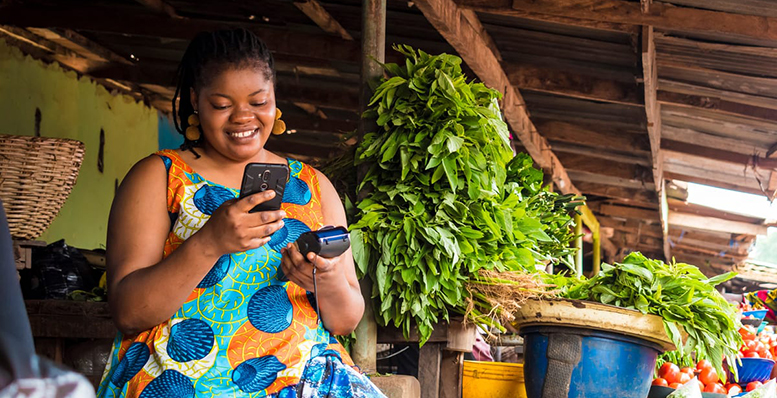
Double-digit growth has firmly taken root in the East African mobile market over the last decade, transforming the region into a global leader for mobile-first technologies. As of 2025, the core East African market (Kenya, Tanzania, Uganda, and Rwanda) boasts over 150 million active mobile subscribers, pushing the regional penetration rate well above 80 percent. The market has shown explosive growth as legacy fixed-line networks were entirely bypassed in favor of advanced mobile telephony.
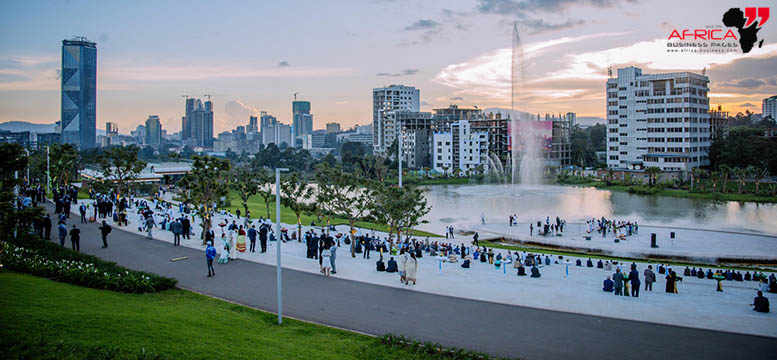
Abu Dhabi Expands Relations With Africa
folder_open East Africa
Historically, Abu Dhabi-based conglomerates made global headlines by investing hundreds of millions of dollars to launch mobile phone operations across East and Central Africa. In the early 2000s, entities like the Abu Dhabi Group targeted heavily under-penetrated markets such as Uganda—which at the time had a population of 28 million and a mere 9 per cent market penetration—laying the foundational infrastructure for the continent's impending digital boom.
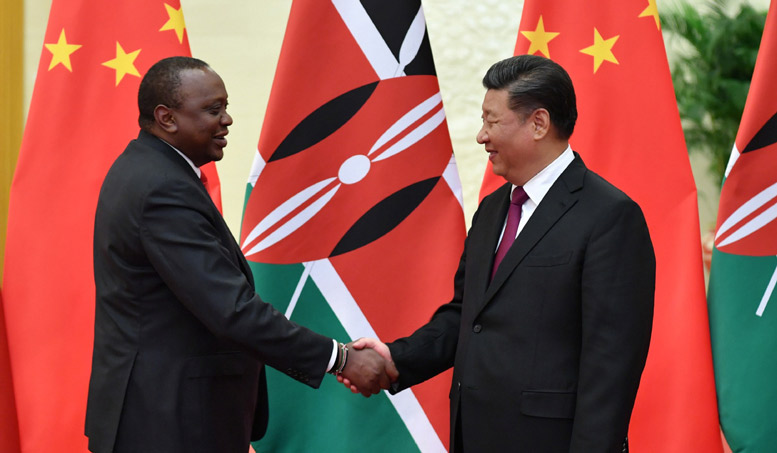
Kenya Looks East
folder_open East Africa
When Kenya purchased Toyota vehicles for its military forces, instead of the all-pervasive Land Rover, it signalled a seismic change – in effect ending the most favoured status enjoyed by imports sourced from its erstwhile colonial master the UK. Another example is De la Rue, a UK-based printing and security firm that has uninterruptedly printed Kenyan currency since independence. It is fighting to retain its contract. The administration of Mwai Kibaki broke with tradition, inviting other internationally recognised firms to bid for the job.
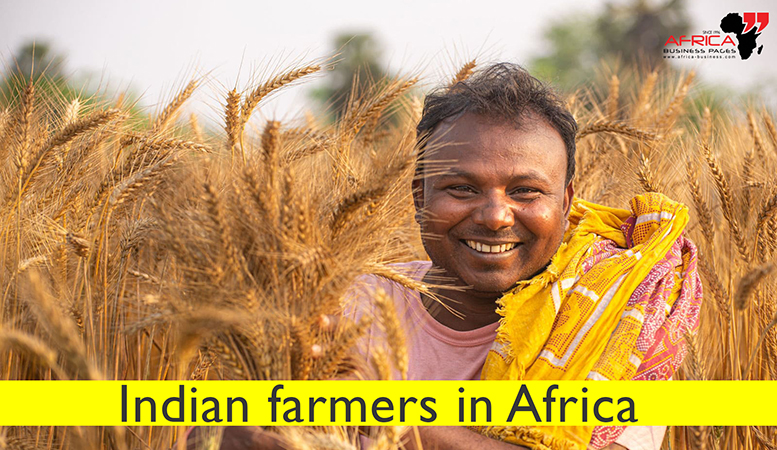
Did you know that the flowers which were used during the inaugural of World Cup in Johannesburg came from the Ethiopian rose gardens of Sai Ramakrishna Karuturi. Karuturi, a Bangalore businessman who has been acquiring land in African nations, has already become the biggest rose grower in the world, and one of the world’s biggest private land owners. Interestingly, he also owns Karuturi Sports, a Kenyan football club (earlier called Sher Agencies) that plays in the country’s premier league.
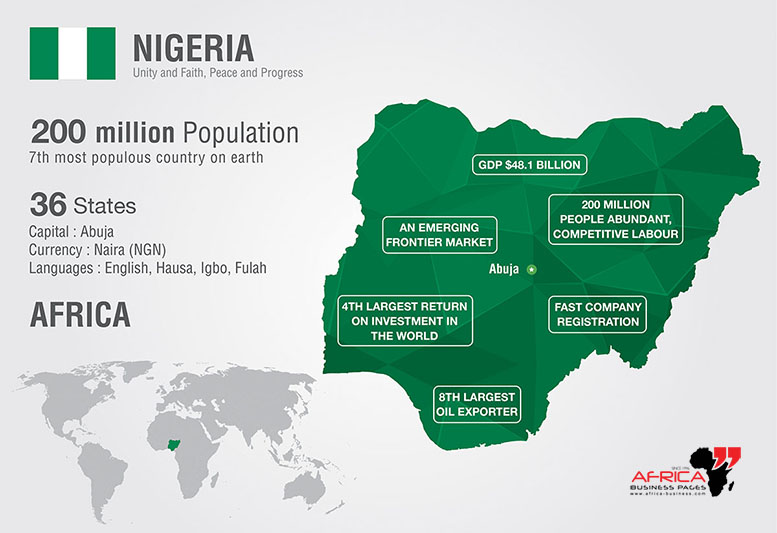
Business Opportunities in Nigeria
folder_open West Africa
Nigeria is Africa’s most populous country with a population of 150 million. This makes one in every six Africans a Nigerian. It is also one of the largest oil producer on the continent creating huge inflows of foreign income.
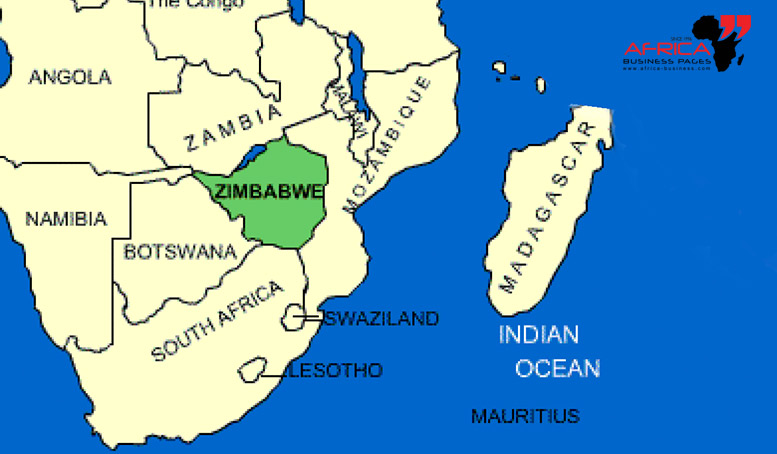
The Zimbabwean economy boasts a highly diversified industrial base, transitioning from a predominantly agriculture-based model to one driven by strong manufacturing, mining, tourism, and services sectors. The main contributors to the national GDP include agriculture, manufacturing, mining, and a highly competitive, world-class financial services sector.
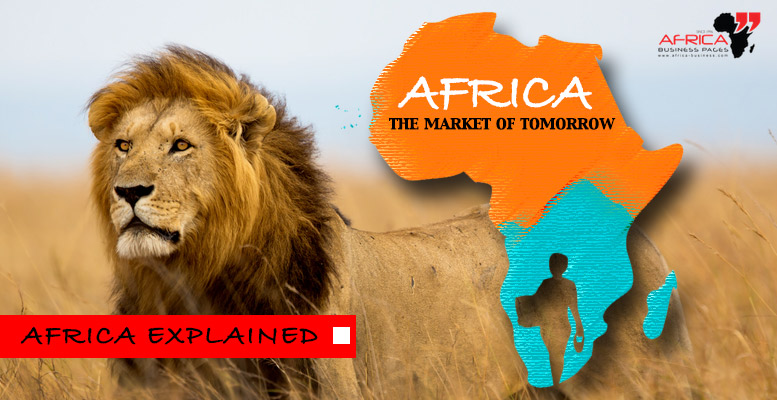
For decades the only news reported about Africa was bleak, creating a singular and distorted image of the continent. Terrorism, famine, political corruption, and the proliferation of diseases dominated the international media, driving negative perceptions of Africa. Today, however, brighter, data-driven, and highly varied narratives have entirely rewritten those perceptions, unveiling the continent as the world's most dynamic emerging market.
Uganda Attracts Investments
folder_open East Africa
Uganda is clearly a country on the move. The country has attracted increasing amounts of foreign direct investment (FDI) since the beginning of the 1990s. Between 2005 and 2007, the country attracted an average of over US$100 million in FDI. This increased steadily with FDI being USD 210 million in 2006. This means that Uganda attracts more FDI than most other countries in the region and indeed, most developing countries. The Government of Uganda has pursued a steady policy of improving the investment climate by reducing bureaucracy, streamlining the legal framework, fighting corruption and stabilizing the economy. The government has adopted 'The Big Push' strategy intended to make Uganda the most competitive destination for FDI in Africa and establish Multi-Facility Economic Zones, extra-territorial zones exempt from cumbersome and archaic domestic laws.
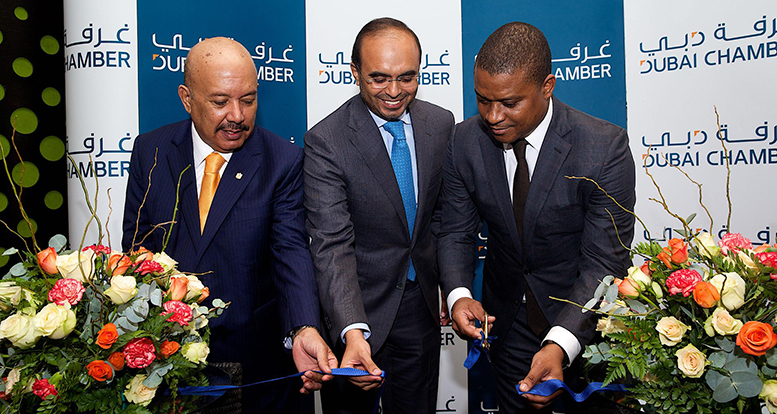
Mozambique is rapidly establishing itself as one of the most vital gateways to the African hinterland, actively expanding its bi-lateral trade and investment ties across the globe. Driven by strategic geography and unprecedented natural resource discoveries, the country has become a focal point for international delegations seeking to secure long-term commercial partnerships.
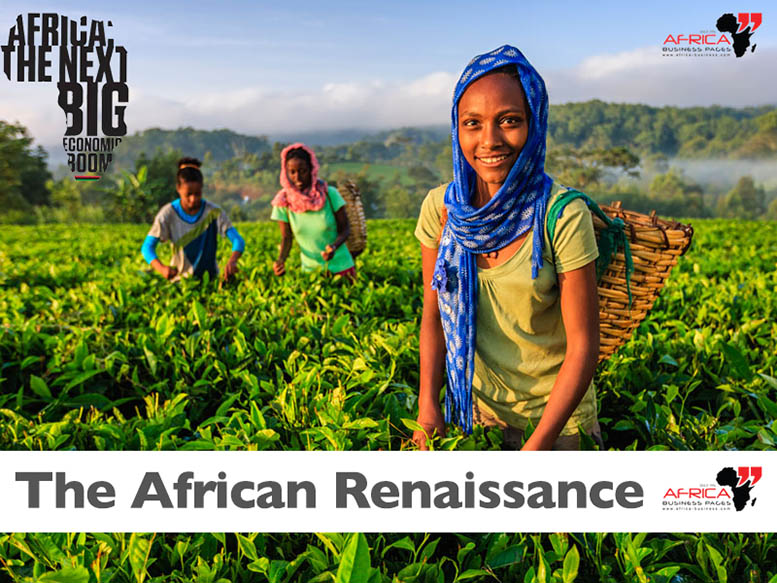
The African Renaissance
folder_open Articles
The perception has long been that Africa is hopeless, a place of war and famine seemingly populated almost entirely by tyrants and children with flies in their eyes. Naturally, with a new appeal every year and a new disaster every other, some people have begun to wonder if all the aid money from foreign nations pouring into Africa is doing any good. They argue that aid creates dependence, fuels corruption, undermines democracy and stifles development. And that debate is important, no doubt. But it is drowning out a more significant development – that aid is no longer Africa’s main source of foreign income. Africa is now becoming an attarctive business destination.

How to Succeed in the African Market
folder_open Business Outlook
Finding the right customers in the African market can be a time-consuming process. Being such a large continent, with as many as 53 countries, marketing one's products and services in African markets is indeed a challenging task. However, for a successful marketing effort, it is imperative to identify and associate with reliable and efficient business partners in key African countries. There are a number of ways to go about identifying potential trade partners. A good starting point is via an organisation that specialises in marketing and business promotion in the African markets. Such organsations have not only the necessary experience and expertise, but also the right contacts to help you in your marketing efforts.
The lubricants industry in the UAE has long been recognized as one of the most significant components of the country's re-export economy. The UAE is at the absolute forefront of meeting the massive demands for high-quality lubricants not only within the Middle East, but also in neighboring high-growth regions like the CIS, India, Pakistan, Sri Lanka, Bangladesh, and Africa.
Preliminary request for participation in the trade show
place
calendar_today
Preliminary request for visitor registration
Visitor Registration
place
calendar_today