
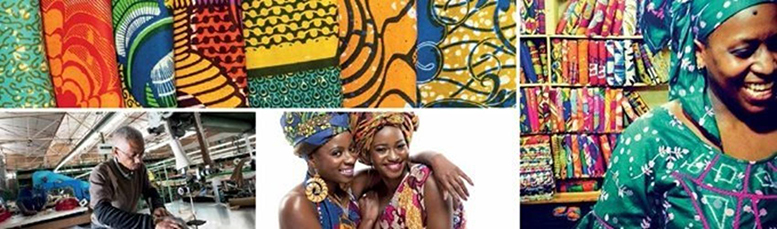
The Textile Industry Of Mauritius
folder_open Business Outlook , Southern Africa
The textile industry is widely considered the major catalyst of the Mauritian Industrial Revolution. For the past four decades, the Mauritian apparel sector has spearheaded the structural transformation of the nation's economy. Acting as the primary engine of economic growth, it has consistently attracted Foreign Direct Investment (FDI), created vast employment opportunities, and fortified the island's robust manufacturing base.
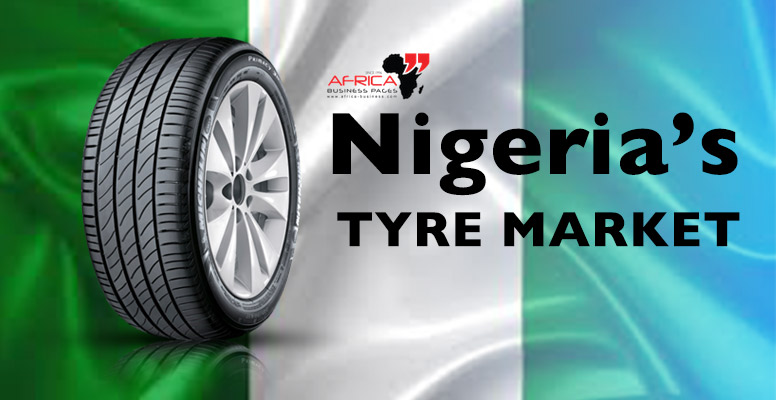
The Nigerian government recently revised its fiscal policy, aligning tariffs with the 2026-2027 ECOWAS Common External Tariff (CET) framework. The government hopes that these new Import Adjustment Taxes (IAT) will revitalise the local tyre manufacturing industry, increase employment, and effectively block the influx of unregulated sub-standard tyres from overseas markets.
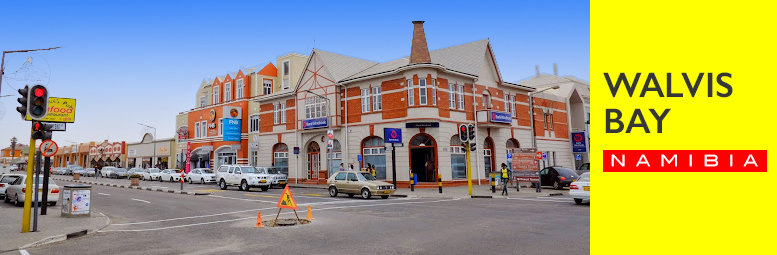
Walvis Bay: Link To Southern Africa
folder_open Southern Africa
Namibia’s Port of Walvis Bay offers unparalleled advantages for international importers and exporters, acting as a highly strategic maritime interface between Southern Africa, Europe, the Americas, and the Far East. Namport’s strategic mandate is to consolidate Walvis Bay as the premier, congestion-free regional gateway serving the entire Southern African Development Community (SADC) and the expansive West African coast.
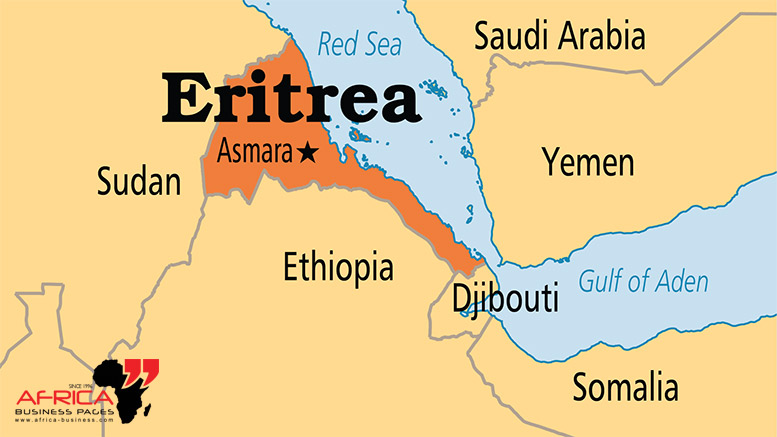
Eritrea is on a quest to build its nation with sweat and strategic partnerships, heavily emphasizing long-term self-reliance. Though impoverished by its long war for independence, Eritrea is rich with spirit, resourcefulness, and immense geological wealth. Since winning their independence, Eritreans have turned their energies inward, rejecting any outside interference that does not move them further toward political and economic autonomy.
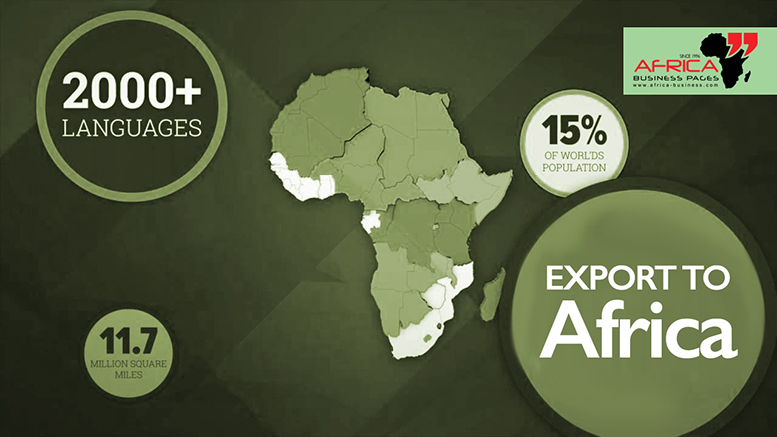
Sweeping economic reforms in many African countries have turned the world's attention towards Africa as conditions in many African countries are beginning to become more conducive to business development. Positive moves and policies adopted by many African governments have played a significant role in promoting Africa as a viable business partner in the global market. Exchange rates have been liberalised; restrictions on imports have been removed; tariffs are being reduced; price controls on agricultural products and manufactured goods have been removed; steps have been taken to address the financial stress on banks; and economic growth has picked up to around 4 per cent overall for the continent. All these factors have contributed in the development of a thriving local and international business community within Africa.
The Tyre Market in Dubai
folder_open Automobiles Sector
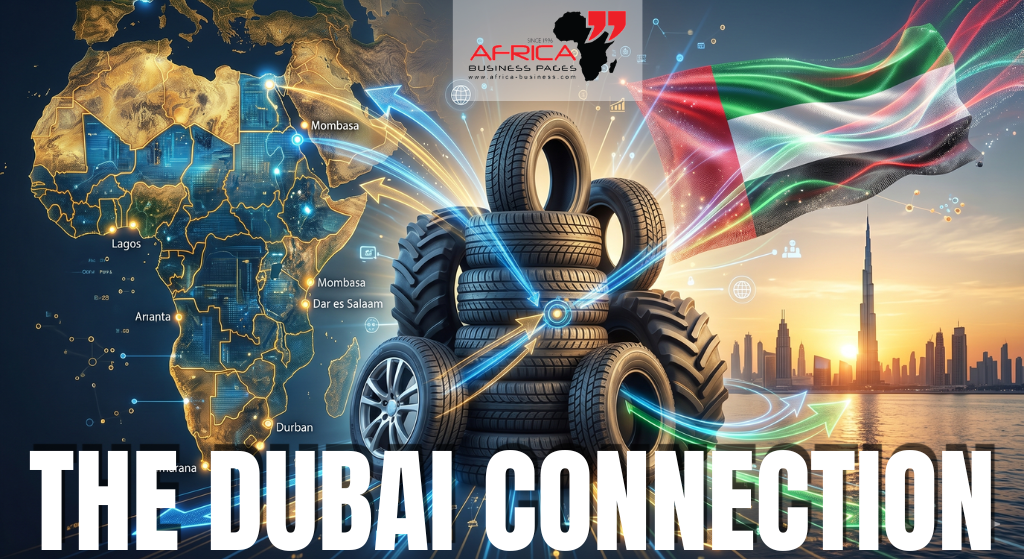
Dubai has firmly established itself as a leading global supplier of tires, tubes, and automotive batteries to international markets. With a highly sophisticated retail and wholesale sector, the tire export and re-export business in Dubai remains a major economic pillar, driving massive trade volumes to the GCC region, CIS, and the African continent. In 2025, the UAE tire market was valued at approximately USD 1.34 billion, reflecting a massive influx of trade and a rapidly expanding domestic vehicle fleet. Every year, millions of tires for passenger cars, buses, and heavy-duty logistics trucks are imported to Dubai, predominantly from major manufacturing hubs in China, Japan, and India. Over 65 percent of these tires are subsequently re-exported to rapidly emerging markets across Africa and the broader Middle East, while the remaining volume supports robust local consumption.
Did You Know?
folder_open Articles
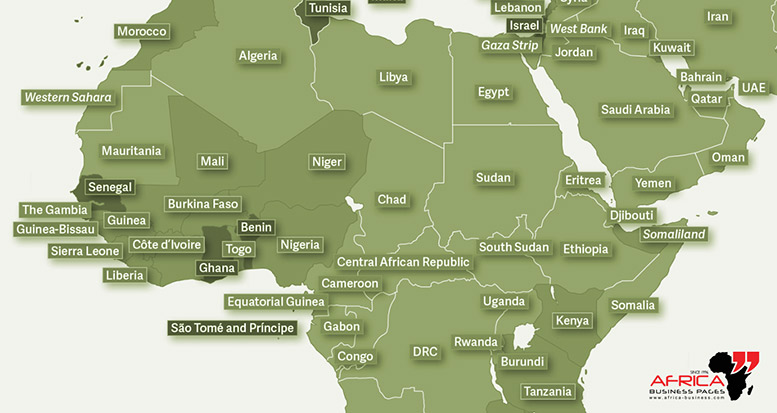
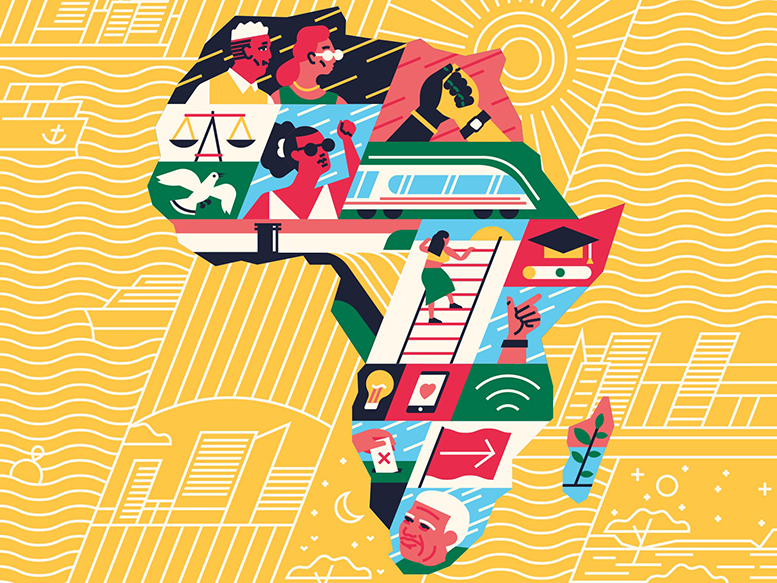
Africa is the second-largest continent in the world, ranking second in both landmass and population. Covering about a fifth of the Earth's total land area, it is a region of unparalleled geographical, biological, and cultural diversity. Here are some of the most fascinating facts about the African continent.
Expanding Into Africa
folder_open Business Outlook
BThe unique opportunities and challenges in the African markets make determining where to enter a new market and what strategy to use especially important. Your options will vary depending on your industry segment, the sophistication of the business environment, relative levels of risk and the amount of control that company management would like to maintain. Ideally, you should gather as much information as possible from a wide variety of sources and develop a clear plan for expanding into Africa.

Uganda Attracts Foreign Businesses
folder_open East Africa
Uganda is a landlocked country in East Africa with a total estimated population of about 48.2 million people. The country is bordered on the east by Kenya, on the north by Sudan, on the west by the Democratic Republic of the Congo, and on the south by Rwanda and Tanzania.
Tunisia
folder_open North Africa
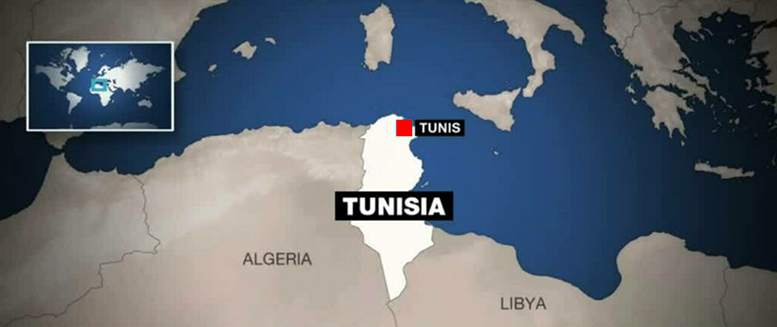
Tunisia features a predominantly Muslim population and lists Arabic as its official national language. In recent years, the country has navigated complex macroeconomic transitions to solidify its standing as a critical manufacturing and trade bridge between Africa and Europe. While traditional economic metrics have fluctuated during periods of global volatility, Tunisia's relentless drive to position itself as a first-world technology and logistics hub continues to gain impressive momentum.
Africa's Internet Explosion
folder_open Business Outlook
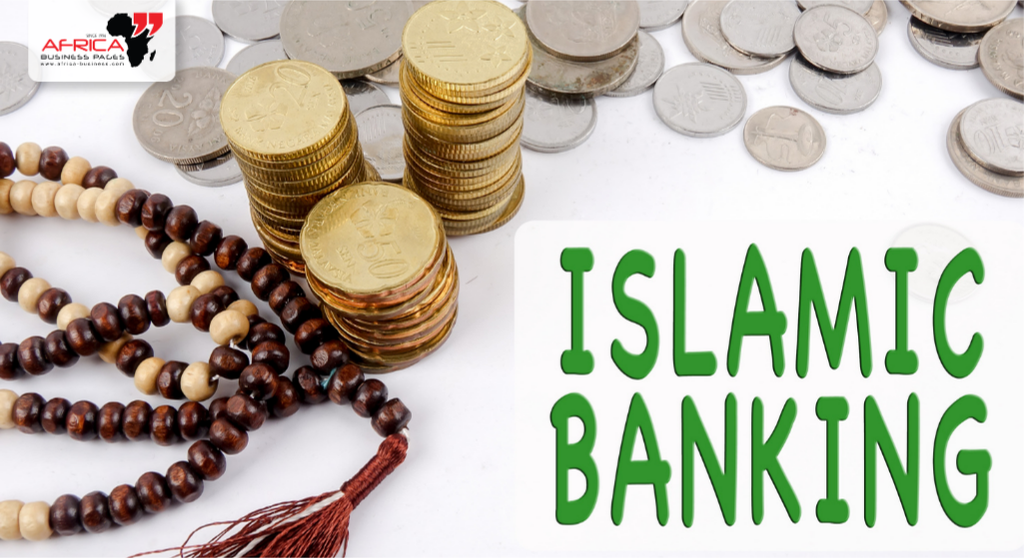
Islamic finance has grown rapidly, transforming from a niche sector into a core component of the global financial market. The Islamic banking segment has significantly increased its penetration across many International Monetary Fund (IMF) member countries. It has become systemically important in Asia and the Middle East, while the global issuance of Sukuk – the Islamic equivalent of bonds – is expanding with remarkable international reach among both issuers and investors. This trend is expected to continue aggressively, driven by strong economic growth in countries with large, and historically underbanked, Muslim populations.
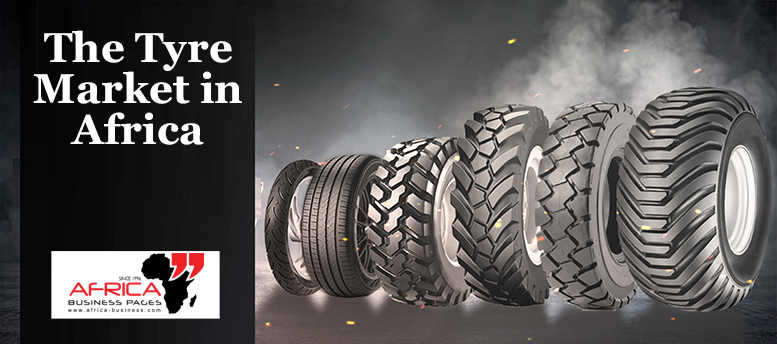
The tyre business in East Africa is undergoing a major transformation. The demand-and-supply equilibrium, historically disrupted by global economic fluctuations, is now being heavily reshaped by shifting global supply chains, rising freight costs, and booming automotive demand in Kenya, Uganda, and Tanzania.
Preliminary request for participation in the trade show
place
calendar_today
Preliminary request for visitor registration
Visitor Registration
place
calendar_today