

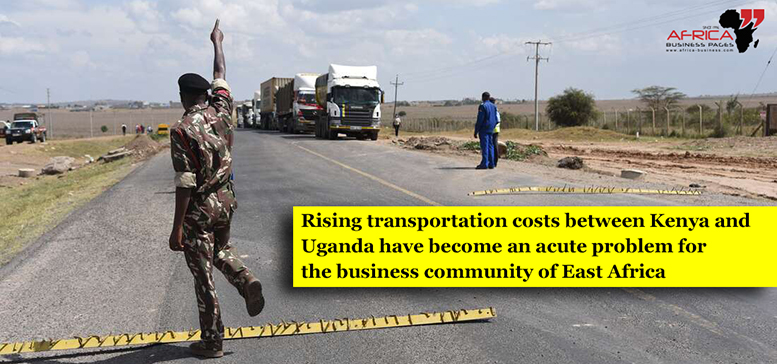
Rising transportation costs to ship goods between Kenya and Uganda have historically been an acute problem for the business community of East Africa. To combat this, Ugandan traders have aggressively pushed to empower the National Trade and Facilitation Forum (NTF) and regional shippers’ councils to fight soaring transport costs on the country’s vital Northern Corridor. The NTF aims to reduce logistics costs through the removal of non-tariff trade barriers and the harmonization of transport policies across the corridor, which also serves the Democratic Republic of Congo, Rwanda, Burundi, and South Sudan.

Battery manufacturers in East Africa are actively collaborating with regional governments to secure their supply chains and protect consumers from an influx of substandard imports. Following historical challenges faced by major players like Associated Battery Manufacturers (ABM) due to predatory scrap lead exports, the region is now aggressively restructuring its automotive battery sector. Local manufacturers—including ABM, Uganda Battery Manufacturers, and Tanzania's Yuasa Ltd—have successfully lobbied for stricter quality control standards at ports of entry to block cheap, short-lifespan imports that fail to withstand harsh African road conditions.
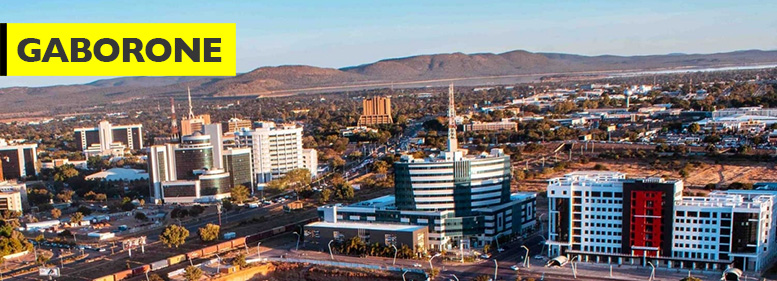
Botswana: Business hub in Southern Africa: Importers in Africa meet growing demand...
folder_open Southern Africa
In a recent report in the Foreign Policy magazine, the Carnegie Endowment for International Peace has ranked Botswana at number one (1) in Africa in its "Globalisation Index". Among the countries classified as “developing”, Botswana was ranked number three (3) after Malaysia (20) and Panama (27) and just ahead of Republic of (South) Korea (32). The other African states that were ranked in the index’s top 50 were: Tunisia (35), Uganda (38), Senegal (40), Nigeria (42), Morocco (47), and South Africa (49).

Multinational corporations are often the frontrunners in emerging African markets. They possess extensive experience, substantially higher risk appetites, dedicated deployment teams, and seemingly endless capital resources. Beyond the traditional oil and gas sectors, several large US and European corporations have been embedded in Africa for decades. It is no surprise that global heavyweights like Coca-Cola have been operating in Africa since the 1930s, while in more recent years, tech and retail titans like Microsoft, Amazon, and Walmart have aggressively expanded their continental footprint. However, in today’s highly globalized and digitally connected economy, expansion into these emerging markets is no longer the sole domain of the largest global players.
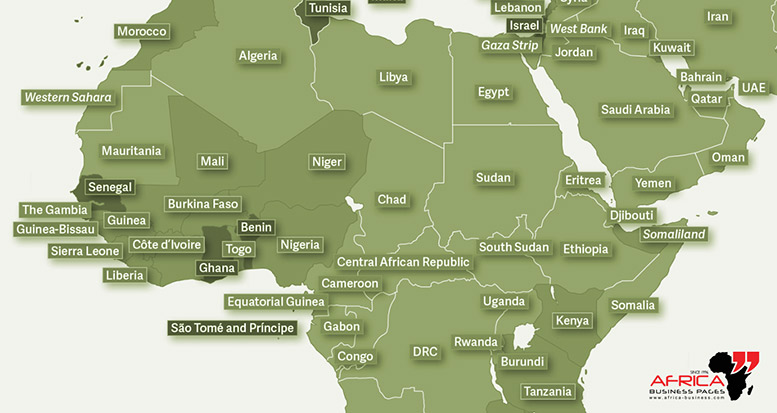
Business Opportunities in East Africa
folder_open East Africa
East Africa is a region overflowing with potential. From high-tech agriculture and critical mineral mining to eco-tourism and renewable energy, investment opportunities abound. With the aim of harnessing this potential to promote robust economic growth and development, the eight partner states of the East African Community (EAC) have agreed to cooperate extensively in the areas of Investment and Industrial Development, as outlined in the EAC Treaty.
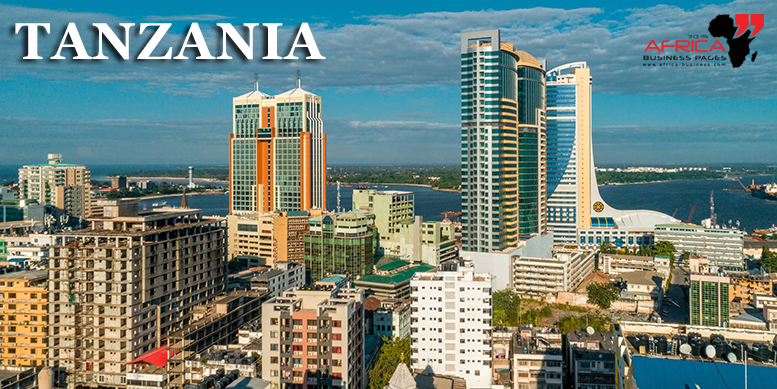
Tanzania: Hub For Financial Service
folder_open East Africa
Tanzania is fast emerging as the financial hub for East Africa and consistently ranks among the top countries on the continent assessed for their aggressive efforts to expand and improve access to digital financial services.

Electronics and Household Appliances Market in Dubai - A major supplier to African countries
folder_open Business Outlook
Row upon row of glittering shops in Dubai's fabled souks and mega-malls, stacked ceiling-high with the latest attractions from the world's leading consumer electronics manufacturers, present a sight that lures shoppers from around the globe. Electronics, alongside gold, has always been one of Dubai's greatest commercial attractions. The finest products from the best-known international brands are available here at what are, undoubtedly, some of the most competitive wholesale and retail prices in the world.

Business in Africa
folder_open Business Outlook
Africa is experiencing its highest economic growth in decades and is the focus of growing international attention by global business enterprises. As the new millennium takes shape, Africa is increasingly becoming an exciting place to do business. Analysts estimate Africa’s current economic growth at about five per cent – an impressive performance considering the prevailing economic situation worldwide.
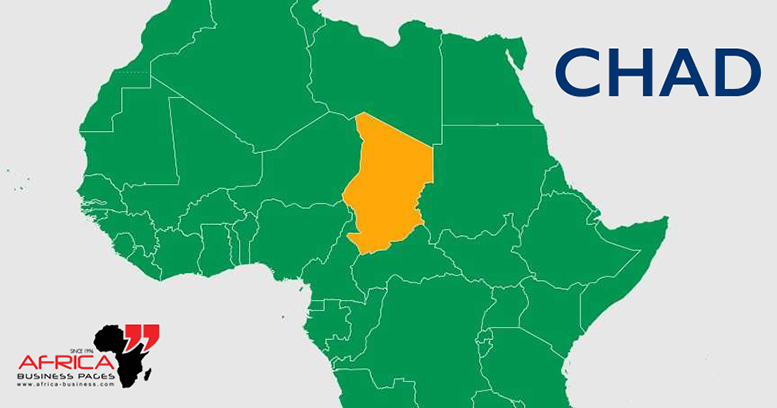
Chad: Business Opportunities Galore
folder_open Business Outlook
Chad’s economy has undergone a significant transformation since it officially became an oil-producing nation over two decades ago. The operational success of the Chad-Cameroon pipeline cemented crude oil as the country’s primary foreign currency earner, fundamentally shifting its commercial landscape. Today, the government continues to refine its revenue management frameworks to shield the economy from global oil price volatility and promote sustainable, long-term investments.
The African Transformation
folder_open Business Outlook
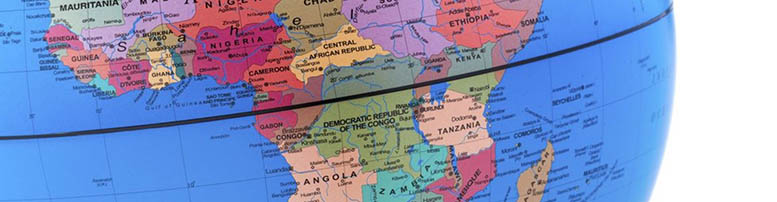
There was a time when Africa was was seen as a poor and backward area. Many economists believed that African countries were better off poor because wealth – especially resources that could be sold on international markets – inevitably fueled civil wars. Not any more. The new thinking now is to share Africa’s wealth more equitably. That’s right: Africa’s wealth.
South Sudan: An Emerging Market
folder_open East Africa
Smart investors, savvy analysts and individuals familiar with emerging markets know that South Sudan has the potential to become Africa’s next best bet. So says David Raad and Associates (DR&A) who helps businesses explore and undertake opportunities in southern Sudan.

Kenya In Focus
folder_open East Africa
Kenya is the logistical hub for the East African region. Through its strategic geographical location, Kenya has emerged as a significant player in regional trade, investment, infrastructure development and general economic growth. Despite many of its social and economical problems, Kenya can be described as one of Africa's post-colonial success stories: relatively prosperous, comparatively stable and host to many international organisations. Few could have imagined that Kenya would have achieved so much given the violence and terror which marked the country's struggle for independence. Today, Kenya continues to maintain a stable government and a free-market economy with a vibrant private sector, and, through the Greater Horn of Africa Initiative, the country is in a strong position to maintain its significant role in regional trade, investment, infrastructure development and general economic co-operation for the region.
Preliminary request for participation in the trade show
place
calendar_today
Preliminary request for visitor registration
Visitor Registration
place
calendar_today