


Demand for Tyres in Kenya Grwoing
folder_open Automobiles Sector
Backed by an explosive increase in domestic automotive demand and the undisputed emergence of Kenya as the major East African commercial hub, the tyre market in the country is projected to witness massive volume sales growth over the next five years. Today, the Kenyan tyre market is a 100% replacement-driven, import-reliant ecosystem.

Kenya emerges as business hub of COMESA
folder_open East Africa
Kenya has further consolidated its status as the gateway to East Africa and a leading trade hub in the region. The country tops the list of highest exporting countries in the 19-member COMESA trading bloc, emerging as the top performer in the regional East African market. In recent years, Kenya has also been labelled as a viable business hub in the East African region and many foreign companies have set up assembly plants in Kenya to penetrate the lucrative markets in the region. By manufacturing in Kenya, the businesses are able to transport their goods within COMESA member countries without paying taxes, thereby adding to their profit margins.
Ethiopia Targets Growth
folder_open East Africa
Ethiopia has been consistently earning more than US$3 billion from the export sector since 2021. This year too, the revenue earned from foreign trade in the first few months exceeded that of the same time of the previous year by more than US$250 million particularly through the export of gold, horticulture, livestock, textiles and minerals. Over the past 10 years, Ethiopia's GDP has grown by an average of 9.1%, making it one of Africa's fastest-growing economies.

Tanzania: Business Scenario
folder_open East Africa
Tanzania is a glaring example of a successful transition from state socialism to an open, dynamic market economy. Successive governments, culminating in the pro-investment reforms under President Samia Suluhu Hassan, have embraced liberalization policies that have driven down trade tariffs, paved the way for multinational corporations, and cemented the country as an East African economic powerhouse.

Single-Entry Visa for East Africa
folder_open East Africa
A groundbreaking cross-border initiative is successfully revolutionizing international travel across the region. The East Africa Tourist Visa (EATV) is a joint initiative spearheaded by Kenya, Rwanda, and Uganda designed to market the region as a single, highly competitive global tourism destination. The EATV is a multiple-entry visa that allows tourists to travel freely between these three participating nations for up to 90 days without incurring extra border fees.
Mobile Phones Industry in Africa
folder_open Business Outlook
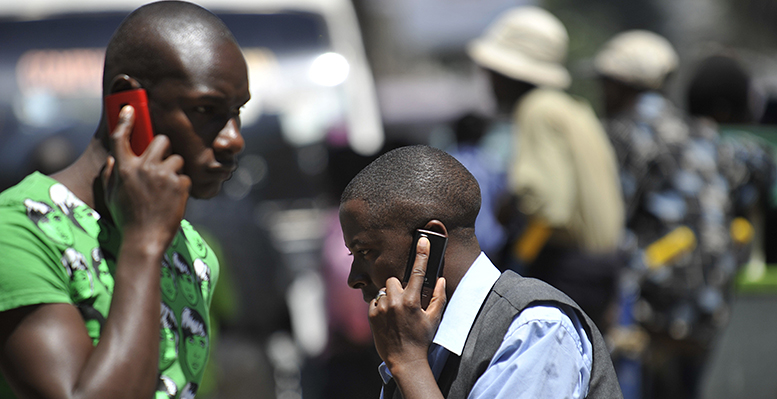
A recent comprehensive economic report indicates that the mobile industry now contributes over $170 billion to Africa’s economy, representing approximately 8.5 per cent of the continent's Gross Domestic Product (GDP). Mobile connections across the African continent have skyrocketed past the 1.2 billion mark, pushing mobile penetration well beyond 80 per cent in several key regions.
The Emerging Markets of Africa
folder_open Business Outlook
With all of the attention historically placed on volatile stock markets and governments around the world bailing out global financial systems, one might assume that investing in an emerging economy like Africa would be the furthest thing on the minds of international investors. However, that is entirely incorrect. Capital markets across Africa are booming, and institutional funds focusing on sub-Saharan Africa have exploded in the past few years. In fact, with regional market capitalizations expanding rapidly, Africa's stock markets present a dynamic growth frontier similar to Central Europe and Russia in the mid-1990s when they first opened up to foreign capital.
Used Computers Being Dumped in Africa
folder_open Articles
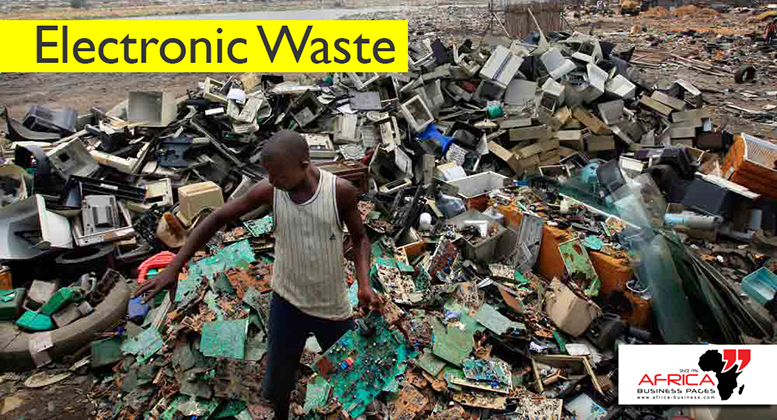
Africa is worried by the large-scale importation of used computers from the West that poses an environmental hazard to the impoverished continent. Children scavenging rubbish dumps for old computer parts are a common sight in Africa. The activity exposes them to dangerous minerals such as lead, cadmium and toxic fumes emitted from dump sites, experts say. “This is the situation in most African cities where ‘computer villages’ for selling old imported computers, especially laptops, are springing up,” said a spokesman for the World Wide Fund for Nature (WWF).

Why Africa?
folder_open Business Outlook
Africa has rapidly gained attention as the next investment hotspot and is being called “the final frontier.” A decade ago, the worldwide boom in investing in emerging markets initially benefited Africa along with other regions, but today many African countries stand out on their own as highly attractive investment opportunities.

However, a critical issue in the booming personal care sector is the adaptation of Western products to the specific needs of African consumers. Many renowned international companies have recognized this imperative, either adapting their global product formulations to suit African needs or launching entirely new product ranges. For example, major FMCG conglomerates have developed specialized ranges of shampoos and conditioners aimed specifically at natural ethnic hair; make-up manufacturers have introduced broader, darker shade palettes; and anti-ageing products have been specifically formulated for melanin-rich skin.
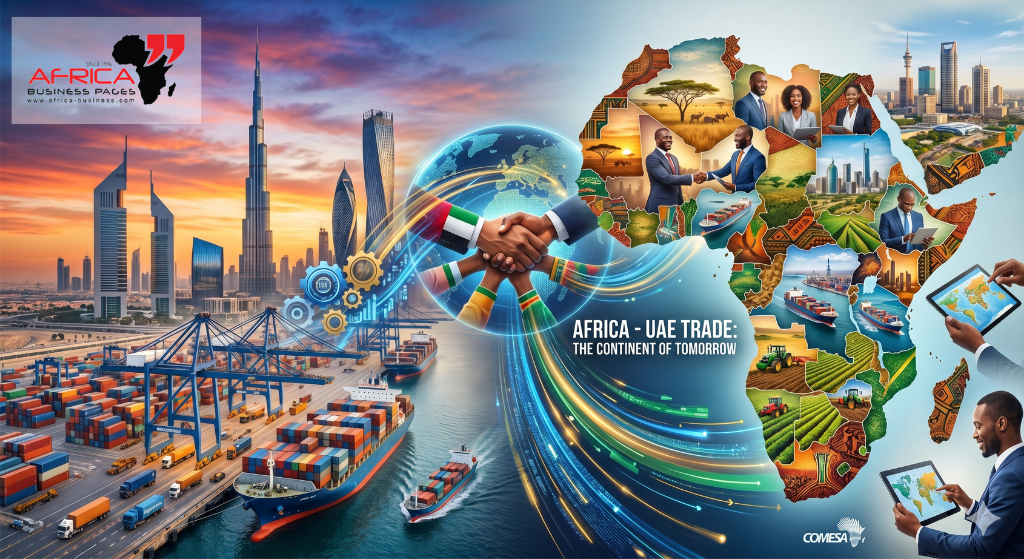
It is a well known fact that Dubai has emerged as one of the leading supplier of goods to many countries in Africa. Certain trade sectors have reported substantial increase in demand from African countries in the last few years. Many Africans are now travelling to Dubai in increasing numbers to purchase goods and to make direct contacts with suppliers and manufacturers. The improving economic and political situation in many East African countries has resulted in greater buying power for the average person in Africa and has in turn boosted demand for consumer goods. Many companies in Dubai are now looking for agents / distribiutors in Africa. Favourable economic policies adopted by many African countries have also attracted foreign investments in industrial and manufacturing projects - mainly in the several Export Processing Zones (EPZs) that have come up in countries like Kenya, Uganda and Tanzania in recent years. This has resulted in greater demand for capital goods, machinery and raw material - a demand that is being met by many Dubai-based enterprises.
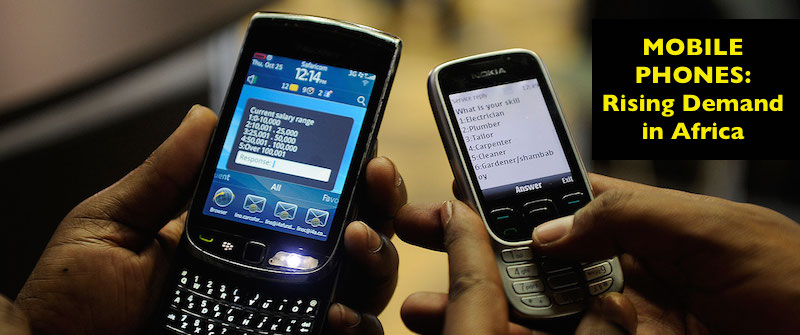
When it comes to digital connectivity, Africa has undergone an unprecedented mobile revolution. As of 2026, the continent has thoroughly cemented its status as a "mobile-first" region. According to recent GSMA Intelligence reports, Africa's mobile subscriber base has shattered early forecasts, surpassing 600 million unique subscribers. In a historic leapfrog over legacy infrastructure, more Africans have connected to high-speed mobile networks in the last decade than the entire global fixed-line rollout of the previous century.
Preliminary request for participation in the trade show
place
calendar_today
Preliminary request for visitor registration
Visitor Registration
place
calendar_today