
Africa & The Internet
folder_open Business Outlook
While Internet penetration in Africa is growing steadily, the gap between urban-connected people and the digitally disenfranchised rural population is a growing cause for concern. The issue dominated proceedings at the recent AfricaCom, the continent’s largest B2B high-tech expo, which was recently held in South Africa. Conference participants believed that mobile technology wasn’t necessarily the solution to the particular challenges facing Africa. “The economics are different in Africa – there are lower population densities and higher operating costs for mobile networks,” said Frank McCosker, the General Manager of Microsoft’s 4Afrika Initiative. With only 20 per cent of its population able to access the Internet, Africa remains the least digitally connected continent, and will remain so until certain cost issues are addressed. “A more economically viable strategy is needed to connect those areas where there is no Internet access,” said Mr McCosker. “To this end, the 4Afrika Initiative has created a new operating model that would provide affordable access to smart devices for Africans and free access to web services for African SMEs through financing partnerships and smart sourcing.” While the potential gains from a digitally integrated Africa were widely acknowledged, so too were the barriers that need to be overcome. “Africa’s lack of a comprehensive information and communication technology (ICT) infrastructure is the major problem and there is a continuing failure at the policy level to address this,” said Miriam Altman, a Commissioner with the South African National Planning Commission. Despite the challenges, it was also clear that some progress was being made on several fronts. For instance, there has been considerable growth in the number of tech start-ups and innovation hubs in several African countries, including Nigeria, Kenya and South Africa. Many of these firms are reportedly developing home-grown solutions that could meet the daily needs of African consumers and businesses. “Digital transformation in Africa is a fact and it is ongoing, with the encouraging trends in terms of accelerated mobile subscription rates clearly testifying to this,” said Jean-Claude Geha, President of the sub-Saharan Africa region for Swedish telecoms giant Ericson, noting that Nigeria led the charge, followed closely by Ethiopia and South Africa. “Overall, there are three principal drivers of this growth. Firstly, there is the growing demand for smartphones, which is being met by more affordable handsets. Secondly, the typical African user profile – largely young and urban – is boosting mobile broadband uptake. Thirdly, the Internet of Things (IoT) is seen as likely to play a key role in resolving Africa’s socio-economic problems.” The Internet of Things IoT is expected to play a crucial role in the continent’s emerging connected economy. “We believe the next explosion in Africa’s digital economy will reflect the impact of IoT,” said Babak Fouladi, Chief Technology Innovation Officer for MTN, a Johannesburg-headquartered mobile-communications company. According to recent reports, South Africa and Nigeria have the highest number of connected devices in the region, while IoT is also starting to make a real impact in East Africa. In the next 5 years, the total number of IoT connections is expected to grow by about 38 per cent a year. Several major cities in South Africa, Kenya, Ghana, as well as in several other countries across the region, have successfully adopted a technology-driven approach to help reduce water loss through leak detection in the supply infrastructure. Similarly, they have also incorporated systems that enhance efficiencies in public-transport systems and public-sector services, while looking to conserve energy through the introduction of smart electricity meters. Other areas where IoT services are said to be coming into their own include localised solar-electricity generation, the construction of intelligent residential complexes, healthcare, predictive agriculture and several safety applications within the mining sector. There is also a sound business case for facilitating IoT connections across cellular networks in sub-Saharan Africa, which suffers from an acute deficit in fixed-line infrastructure. Digital Entertainment African consumers have embraced digital entertainment in recent years, driven largely by streamlined access to mobile content – particularly video-on-demand (VoD), most notably in Nigeria and South Africa, two of the continent’s most sophisticated markets. As has been the case elsewhere in the world, Internet-based video content has truly taken off in Africa, competing with broadcast TV for consumer attention and spend. As part of its global rollout, Netflix’s launch in South Africa has also played a part in stimulating the VoD industry across the continent. Looking to head off the competition, Naspers, the South African media business – which has a 34 per cent share in the Shenzhen-based Internet giant Tencent – launched Showmax, its own VoD service, in 2015. In large part, the growing popularity of digital entertainment among African consumers can be attributed to better network coverage and the wider availability of affordable smartphones. According to PwC Southern Africa, there is also a clear correlation between the disproportionate size of the under-35 population across the continent and the uptake of digital entertainment services. Similarly, Africa’s digital-music market has also enjoyed strong growth, with the sector dominated largely by local artists. Overall, African consumers increasingly want to create their own viewing/listening mix when it comes to digital entertainment. Indeed, this appetite for design and curating a bespoke media diet is now one of the industry’s defining trends.
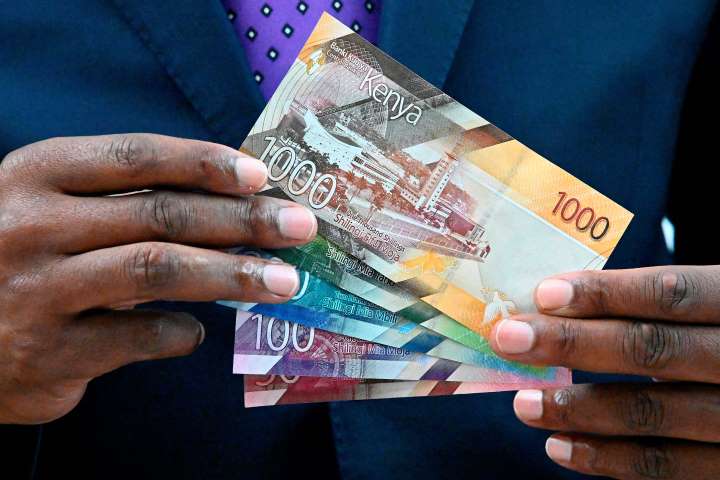
Remittances from overseas workers helped the Kenyan economy tide over the devastating economic impact of Covid-19. Despite the negative impact on almost all major sectors, the Kenyan economy was able to tide over the financial impacts of the global pandemic due to regular inflow of foreign currency from overseas workers that form the diaspora. According to a recent report by Kenya’s Central Bank (CBK), diaspora remittances hit Sh329.41 billion ($3.094 billion) in 2020 despite the impact of the COVID-19 (coronavirus) pandemic. Although the pandemic crippled Kenya’s foreign earnings from tourism and exports due to a global lockdown, the East African nation earned a minimum of Sh6.33 billion weekly in diaspora remittance in 2020. Kenya has been ranked 3rd in Africa in terms of diaspora remittance inflows Nigeria is placed at the top as largest recipient of remittances in Africa, with projected inflows of US $ 21.7 billion in 2020. It is followed by Ghana. Senegal is placed in fourth place, behind Kenya, with projected inflows of US$ 2.3 billion at the end of 2020. South Sudan has reported the Sub Sahara region’s highest share of remittances to GDP, at more than 35.4 per cent, followed by Lesotho (20.6 per cent), the Gambia (14.9percent), then Cape Verde (12.0 per cent), and Comoros (10.8 per cent). According to a report, Kenya experienced a growth of 10.7 percent in diaspora remittance from the Sh285.23 billion ($2.796 billion) it made in 2019. It is also important to note that the pandemic significantly encouraged the use of financial technologies which accounted for an increase in online transfers. These smart innovations helped Kenyan’s abroad to send money home with ease. Diaspora remittances have been Kenya’s largest source of foreign exchange since 2015 when they overtook earnings from tea exports. Other key sources of foreign exchange include tourism receipts as well as horticulture and coffee exports. “This remarkable growth of remittances has been supported by financial innovations that provided Kenyans in the diaspora more convenient channels for their transactions,” Patrick Njoroge, CBK’s Governor said in a statement, According to the apex bank, the strong performance came on the back of December 2020 remittances hitting Sh32.91 billion ($299 million). That was the all-time high to have ever been sent home in a single month. The country currently tops in diaspora remittances in the Eastern African region. According to the report, the United Nations recommended that remittance costs should not exceed three percent of the value of money being sent home, but steady growth in remittance has defied that submission. For over a decade, Kenya’s economy did not experience a severe contraction like it did in the second quarter of 2020. But the impact of the COVID-19 pandemic reversed the narrative after 12 years as it crippled key economic sectors like tourism and agriculture. According to a report, the country’s Gross domestic product (GDP) depreciated by 5.7 percent, compared with growth of 4.9 percent in the three months between March and June. Diaspora Remittances for Kenya’s Development As the country closes in on its Kenya Vision 2030, the government is relying heavily on its expat population for investment. The development program focuses on matters like curbing the high cost of remittances, addressing diaspora issues, using mobile money to boost tourism, reversing brain drain, and creating a comprehensive data file on Kenyan diaspora profiles. Money sent back to Kenya is steering the economy to drive investment in different core sectors such as financial services, BPO, tourism, and education. The emergence of mobile technology is reducing the cost of international transfers by offering a safer and more comfortable approach. The Kenyan government is taking proactive steps to streamline the process. It is also taking steps to offer tax rebates and offer incentives on investments made by expats. Remittances, if utilised wisely, have the potential to radically transform a country’s economy and Kenya is well aware about this fact. Despite being a relatively low-income country, appropriate utilisation of remittance money has shown a huge potential for growth to other nations. With a growing sense of confidence in the country’s investment landscape, the coming years could see a further rise in inward remittances. Remittances can be considered a significant contribution to a country’s GDP. This external financial source can help bail out developing nations in times of distress and shape a future that’s characterised by sustainable development.
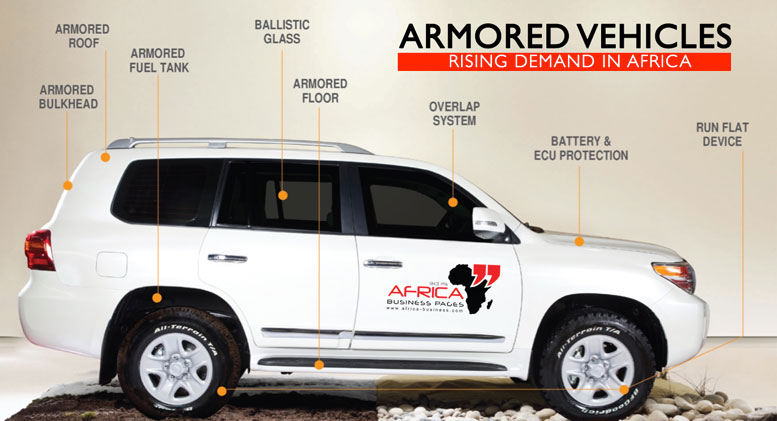
Demand for armored vehicles in Africa is growing at an exponential rate as increasing internal and cross-border conflicts across Africa accelerate and create a huge market for security armored vehicles of all kinds. According to a recent report, the global armored vehicles market is expected to grow to US$ 26.37 billion by 2027, growing at a CAGR of 5.7%. On the other hand, the Middle-East & Africa armored vehicles market is projected to register a CAGR of more than 2.5% in the same period. In Africa, the demand for armored cars and vehicles has been growing at a steady pace due to the rising intensity of cross-border tensions across several African states. For example, in East Africa, recent tensions between Ethiopia and Somalia have always been high, even resulting in frequent border skirmishes in some cases. Similarly, cross-border skirmishes between Sudan and South Sudan have become commonplace. In many other regions also such tensions have escalated in recent years. Armored Vehicles: Rising Demand in Africa Steady ramping up of military expenditure by many African countries will prove beneficial for this market for armored vehicles. Many African countries are in the process of upgrading their defense forces with modern weaponry to better equip their soldiers in the battlefield, which augurs well for this market as armored vehicles are vital in ground-level combat as well as in border patrolling activities during peacetime. For instance, the complex military situation in Ethiopia and Eritrea has kept regions surrounding these countries in a mode of self-preservation. Moreover, historical internal conflicts such as the one in Tigray (Ethiopia) have kept governments on their toes. Armored vehicles are a key component in a nation’s military arsenal as they empower armed forces to efficiently monitor border situations and deter any forthcoming attacks. Clearly, the geopolitical and military conflicts in Africa are driving the modernization plans of various military forces in Africa. Thus, the African continent needs to replace aging armored vehicle fleet with newer-generation armored vehicles. Market for Armored Vehicles in Africa Multi-lateral collaboration between African countries such as North Atlantic Treaty Organization (NATO) and the African Union to counter terrorism and maintain peace is also expected to favour market growth. The market is also anticipated to be driven by various African governments opting for the latest machinery to counter emergencies caused by insurgencies and militant attacks. Moreover, increasing communal riots and organized crimes in regions such as East Africa as well as North Africa are expected to drive market demand. Increasing defense budgets, particularly in East Africa, is anticipated to further boost market growth. The goodwill of industry participants is expected to play a key role in contract allotments. Advancements such as increased fuel efficiency and use of high-tech sensors are expected to drive the market over the next few years. Commercial Demand for Armored Vehicles in Africa Commercial applications of armored vehicles include VIP protection, armed convoys, and patrols. Rising demand for rental and leasing protected van services owing to increasing awareness about personal safety is also expected to favor the growth of the commercial segment in the coming years. Additionally, owing to soaring crime rates across several African countries, organizations and banks are opting for protected trucks or vans to carry valuables, transfer money from banks to ATMs, and transfer cash collected at large commercial establishments to banks. Demand is specially high in Africa for Armored personnel carrier (APC), Infantry Fighting Vehicle (IFV), mine-resistant ambush-protected (MRAP), main battle tank (MBT), armored cars, vehicles carrying armored self-propelled artillery, light armored vehicles, armored ambulance, armored recovery vehicles, assault amphibious vehicle, armored vehicle-launched bridge (AVLB), armored utility vehicles, and other support vehicles. The extensive use of armored vehicles during the recent Presidential elections in Uganda is also indicative of the rising demand for aromored vehicles in African countries. United Arab Emirates: Anticipated Highest Growth Over the past few years, the military equipment procurement of the UAE increased at a rapid pace, due to the involvement of the country in regional conflicts. The country also plans to modernize all units of the UAE armed forces with new and advanced military equipment to continue developing capabilities. In May 2020, the US government approved the sales of about 4,569 Mine Resistant Ambush Protected (MRAP) armored vehicles, under the Excess Defense Articles program. Similarly, in February 2019, the UAE government signed an initial procurement contract worth US$ 2.7 million for four of the Mbombe 4x4 armored vehicles from Paramount. These vehicles can be integrated with a variety of different weapons and payloads, from 30mm cannon turret and cameras to an electronic warfare suite to support a wide range of missions. If the vehicles meet the requirements of the UAE army, the government will increase the number of Mbombe vehicles on order. Such robust plans of the government to rapidly increase the fleet of armored vehicles are anticipated to propel the growth of the market in the coming years. Competitive Landscape Some of the prominent players in the Middle-East & African armored vehicles market are Mahindra & Mahindra Limited, NIMR Automotive LLC, STREITGroup, BMC Otomotiv Sanayi ve Ticaret A?., and KocHolding AS. The market of the armored vehicles has both regional and international players with significant shares in the market. In addition to the efforts of the international players, the domestic players in the market are increasing their product portfolio to enhance their position in the market. For instance, BMC’s Tulgaarmored pickup truck, developed for the Turkish internal security forces, is expected to enter mass production. The company claims that armored vehicles are expected to become prominent options in the Middle-East in the coming years. Such factors are anticipated to help the companies increase their presence in, and attain profits from, the region in the coming years. In fact, several domestic players in the UAE market have been using marketing and promotion services of Africa Business Pages to reach buyers in Africa by advertising their products and services through Africa Business Pages and its associate network of Africa-centric B2B portals. Notable among them are Harrow Security Vehicles, SchutzCarr Armored Cars as well as Emirates Special Vehicles (ESV). Demand for Armored Vehicles in Africa “Africa is an important market for armored vehicles and we are happy to partner with Africa Business Pages to promote our products and services in the lucrative African markets,” says Saleem Ansari, Executive Director of Emirates Special Vehicles (ESV). “By showcasing our state-of-the-art armored vehicles to our target audiences through Africa Business Pages, we aim to further expand our sales network across the African continent,” he says.
Africa's Booming Gold Trade
folder_open Business Outlook , East Africa
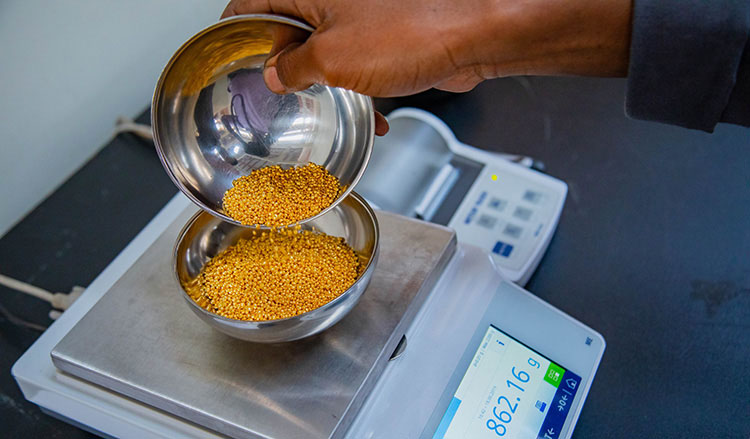
In another instance of the African awakening, efforts are now underway by several African governments to keep a stricter control on the African continent’s large gold deposits and mineral wealth. The aim is to to add value to African minerals before exporting them. Over the years, many African countries have been exporting a wide variety of minerals and other natural resources to earn much needed foreign exchange to boost their economies. However, things are changing now as governments in Africa are now planning to add value to their natural resources before exporting them to overseas markets. Rwanda, once again, has taken the lead by establishing its first-ever gold refinery. Located in Kigali Special Economic Zone in Gasabo District, the $5 million plant has a capacity to refine 6 tonnes of gold a month, or about about 220 kilogrammes a day. The refinery has capacity to process gold from around the African continent thereby eliminating the need to travel long distances to look for a place that can refine Africa’s gold. Uganda and South Africa have also set up similar refineries to process gold mined in African countries. The DRC’s also opened its first refinery in Ituri Province in July 2019, and the second in South Kivu in March 2020. “What we are doing is not new but people have been used to taking gold to Europe, Dubai, Turkey, Switzerland, and Belgium. Now we have the same factory with the standards as those in Europe and Asia,” said Jean de Dieu Mutunzi, chairman of Aldango, the company behind the initiative which is a joint venture between two firms – Hilly Metals Company, a local company, and Aldabra. The company’s core business is to buy gold and process it to 99.99 per cent purity. Rwanda targets to collect $1.5 billion from mineral exports by 2024. Rwanda’s Rising Gold Exports Aldango is supporting the government to transform Rwanda into a precious metal manufacturing and trading hub across Africa. Most of the gold in Rwanda is mined from gold located in Miyove village, Gicumbi district, North, Karongi district, West and Nyamagabe district in Southern province. Rwanda only recently entered the artisanal gold trade in a major way, taking advantage of the political chaos in neighbouring Burundi and enforcement actions in the DRC to capture the lion’s share of the South Kivu gold trade. The documented paucity of domestic gold production in Rwanda makes it clear that the vast majority of this gold found in Rwanda is not of Rwandan origin. In 2014, Rwanda reported $8.1 million USD in exports of “other minerals,” which includes gold. This rose to $80.06 million USD in 2016. The same year, reporting by The National Institute of Statistics for Rwanda documents how “other unwrought gold (incl. gold plated with platinum), non-monetary” totaled $75.52 million USD in 2016. According to the UN Group of Experts, Rwanda officially exported 2,163 kg of gold in 2018, yet 12,539 kg of gold imported into the UAE was reported as Rwandan in origin. This swift surge in gold production has not gone unnoticed by the Rwandan government, which publicly celebrates its emergence as one of the region’s most significant gold exporters. It is believed that South Kivu gold is being smuggled across the border to Rwanda, then laundered into the legitimate international supply chain through its export to Dubai as supposedly Rwandan gold. Africa’s Gold Trade Illicit gold trade in the Africa appears to be booming. Despite efforts to introduce traceability and due diligence for the artisanal gold supply chain, only a small fraction of gold is actually being captured through legal channels. Some traders and exporters in Africa succeed in staying under the radar of government authorities by undervaluing their gold purchases and exports, declaring only a small percentage while pocketing massive profits—a percentage of which should have been paid in taxes. Gold refineries in Africa will ensure that all private sector players are importing and exporting gold according to the regulatory procedures outlined by each country, with all taxes paid, and with an authentic ICGLR certificate. Mining to Market After it’s mined, gold is sold by miners to a trader. There are two types of traders: those based at mine sites and smaller towns and those in the provincial capitals and larger cities. Once a trader aggregates a sufficient amount of gold, they transport it to a city that has good transportation links leading outside of the country. The trader sells the gold to an exporter. Only a licensed exporter is allowed to sell gold to an international buyer. The exporter most often buys from multiple traders and waits until they have aggregated enough gold to make it profitable to export. This calculation includes taxes and fees to pay on their shipment, time required for official (often onerous) export procedures, and the cost of transportation; gold is often carried by hand by a representative across borders. The exporter transports the gold to a neighbouring Africa country where it is aggregated. The gold can be transported onward to an international destination where it is refined. Alternatively, it can be purchased by a locally-based refiner, as refiners with significant capacity are opening in the Great Lakes region. The gold, whether refined or doré, then makes its way to a trading centre where it enters the international legal supply chain.

Zimbabwe Legalises Cannabis Farming to Boost Economy
folder_open Business Outlook , Pharmaceuticals , Southern Africa
Zimbabwe has legalised cannabis cultivation and has withdrawn laws requiring sole state ownership for cannabis farming in an effort to encourage investment in cannabis cultivation for industrial and medicinal uses. Demand for cannabis is projected to grow worldwide while tobacco output is expected to decline 15% by 2030, according to Meanwell Gudu, the CEO of Zimbabwe’s Tobacco Industry and Marketing Board. “One of the alternative crops we are looking at is industrial hemp,” he said. “We want to be part of the entire industrial hemp chain.” Tobacco earned Zimbabwe $819 million in revenue in 2021. Farming cannabis for medical use in Zimbabwe was first legalised in 2018. The board has 145,000 registered tobacco growers, who started selling 2022’s crop at international auctions recently. According to recent government initiatives, farmers in Zimbabwe will be encouraged to plant cannabis so that a quarter of their income comes from the plant by 2025. Sales of cannabis worldwide is forecast to reach $1.25 billion this year. Cannabis Exports from Zimbabwe Zimbabwe exported 30 tonnes of industrial hemp to Switzerland in 2022, its first foray into the European market, said Zorodzai Maroveke, the founder of the Zimbabwe Industrial Hemp Trust. The group is partnering with the tobacco board to facilitate the “smooth transition” to cannabis for commercial purposes. As of now, the government of Zimbabwe has licensed 57 foreign and local entities to grow medicinal cannabis in the country according to a recent statement by the Zimbabwe Investment and Development Agency. As a result, production has already begun at some of the licensed farms which are spread across the country. Cannabis, also called mbanje in Zimbabwe, is no unknown word to people today. It has many health benefits like fighting cancer, and 22 countries around the world legalised it for medicinal use. South Africa, Malawi, Zambia, and Lesotho have also legalised medicinal cannabis.
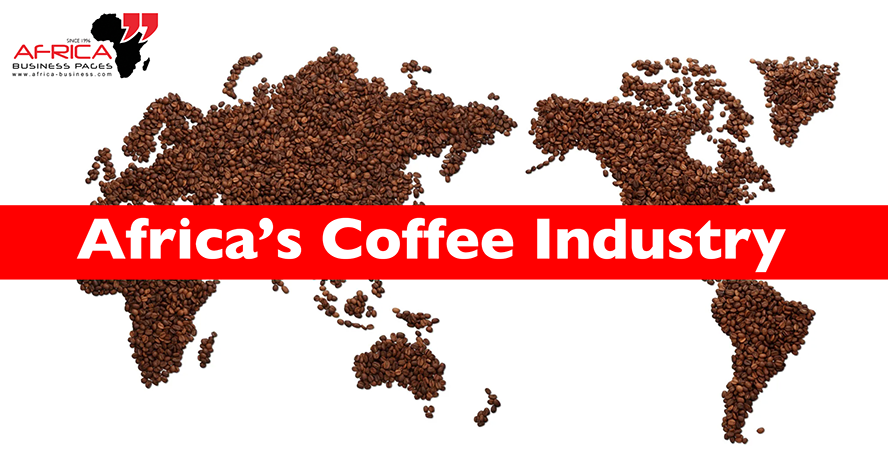
Coffee is big business – it is estimated that over 2 billion cups of coffee are consumed around every day around the world. According to rough estimates, over 140 million bags of coffee beans are traded internationally. Coffee trade is worth over $16 billion globally – making coffee one of the most traded commodities in the world after crude oil. In many developed nations, coffee is no more a luxury drink but a daily necessity. As a result, demand for coffee has been growing steadily with the passing of each year. According to recent reports, annual coffee consumption is expected to cross 200 million bags by 2030. Against this backdrop, African coffee has a bright future as it produces some of the best coffee beans in the world. Coffee and tea exports, in fact, have been the top revenue earners for many African countries. Currently, the global coffee trade has been dominated by South American and Southeast Asian countries like Brazil, Vietnam, Colombia, and Indonesia. However, African countries are now emerging as one of the tp exporters of high quality coffee beans as top coffee producers from South America are already facing obstacles because of climate change causing a fall in coffee production in South America. On the other hand, Africa produces some of the finest quality beans, demand for which has been growing exponentially in recent years. Africa’s leading coffee producers like Ethiopia, Uganda, Cote D’Ivoire, Kenya, Tanzania, Rwanda, Madagascar – to name a few – are already recognized globally as the leading suppliers of high quality coffee beans. According to recent reports, Ethiopia and Uganda dominate the East Africa's coffee supply chain, accounting for 62% of sub-Saharan Africa’s coffee output. Dedicated organisation's like the African Fine Coffees Association (AFCA) predict bright future for Africa's coffee industry. In one of their recent reports they noted that African farmers are fine tuning their production methods by planting more coffee trees and boosting their exports by exploring new markets to boost their income. As a result, Africa’s coffee production is expected to double in the next five years, thereby making it one of the leading coffee exporters in the world. The Market for Coffee Demand for coffee in Brazil, North America, and Europe has been growing each year. Europe has emerged as one of the largest consumers of coffee with over 45 million bags bought in 2021. Demand for coffee in Canada and Brazil has been growing too, with consumption of more than 6 kilograms of coffee per person every year. Indonesia, Vietnam and India are also consuming more coffee than ever before. China too has emerged as a big importer of coffee from Africa. All this points to the bright future for exporters of coffee in Africa. Due to rising demand for coffee from all across the world, there has been a shortage of coffee because production levels have not grown simultaneously. African coffee producers can easily meet the shortage of coffee in the world by growing more coffee. African coffee growers have an excellent opportunity to boost their sales by supplying more coffee by simply producing more coffee. As it is, sub-Saharan Africa has the perfect climatic conditions and soil for coffee farming. Ethiopia has dominated coffee production in Africa and can allot an aditional 5.4 million hectares of farmland available for coffee cultivation. On the other hand, Uganda coffee famers recoded a 36 percent growth in production and a 15 percent growth in exports in 2021. This fivefold increase in their share of the international coffee market is a direct result of them penetrating new markets across the world. Although Africa has been exporting coffee for many decades, most of it has been raw coffee beans and not processed, ready-to-consume coffee. As a result, most African nations only earn a small percentage of the global coffee earnings because multinational processors and big retailers in Europe and America take the largest share of coffee profits. Advantages African Coffee African coffee industry also has an another advantage over its competitors – although its competitors like Colombia, Brazil and Vietnam produce more coffee beans, it is the quality of coffee that matters in the end and African coffee beans are considered premium due to the fact that African countries have better quality of elevation, soil, and climate for coffee farming. As a result, African coffee beans of premium quality are in higher demand in coffee consuming nations in Europe and USA where almost 50% of the coffee consumed is of premium quality. Although other countries produce more coffee beans than African countries, industry leaders such as do not strictly control the marketplace because not all coffee is equal. Unlike other products such as steel or oil, coffee is a product that differs by region, elevation, soil, and climate. Because consumers demand a diversity of beans, new countries suitable to grow coffee face fewer entry barriers and establish a niche in the coffee market. Africa accounts for about 12% of the world’s production and coffee consumers around the world prefer premium quality coffee from Africa. Specialty coffee, with unique flavors and taste, are a much prized commodity globally, and can be a top revenue earner for Africa in the coming years. In the global coffee trade circles, Africa is famous for its specialty coffee beans. For instance, Ethiopia – Africa’s largest coffee producer – has 5,000 different strains of Arabica, the world’s most famous coffee specialty coffee whereas countries like Brazil and Colombia only have about 20 strains. Ethiopia, the origin of Arabica coffee, is renowned for its unique Yirgacheffe, Sidamo, and Harar Arabica varieties, while Kenya’s fine Arabica beans grown at high altitudes near Mount Kenya are in equally high demand. And this is why key specialty coffee producers like Ethiopia, Kenya, Rwanda, South Sudan, Tanzania, Cameroon, Zambia, Burundi, and Congo will benefit a lot from the growing demand for specialty coffee worldwide. Investing in Africa’s Coffee Industry While South American coffee is subjected to climate change, African coffee could take advantage of the decreased productivity of the competition to gain a market share in rich countries, in particular, the US and the EU. This would allow them to conquer a niche market of specialty coffee made of high-quality and high-priced coffee. By taking advantage of the global coffee market, many African countries are poised to grow rapidly. These countries are making sure they improve their quality of life while they export their product all over the world. Africa’s coffee market expansion and the diversification of African economies lead to greater stability and more trade for all countries that enjoy their coffee. The volume of business is huge – Coffee exports from Africa were valued at nearly $2.5 billion in 2021. Ethiopia was the leading exporter, earning around $1.2 billion in coffee exports. Uganda followed with an export value of $594.2 million in 2021. Ethiopia currently sits as the world’s sixth largest coffee producer. The industry employs approximately 15 million people and accounts for 28 percent of the country’s total annual exports. Uganda ranks eighth on the list of global coffee production. The country grows very little arabica coffee compared to Ethiopia, with robusta comprising 82 percent of total production. robusta coffee is indigenous to Uganda, and two main varieties—Nganda and Erecta—are grown specifically for their suitability for the growing instant coffee industry.
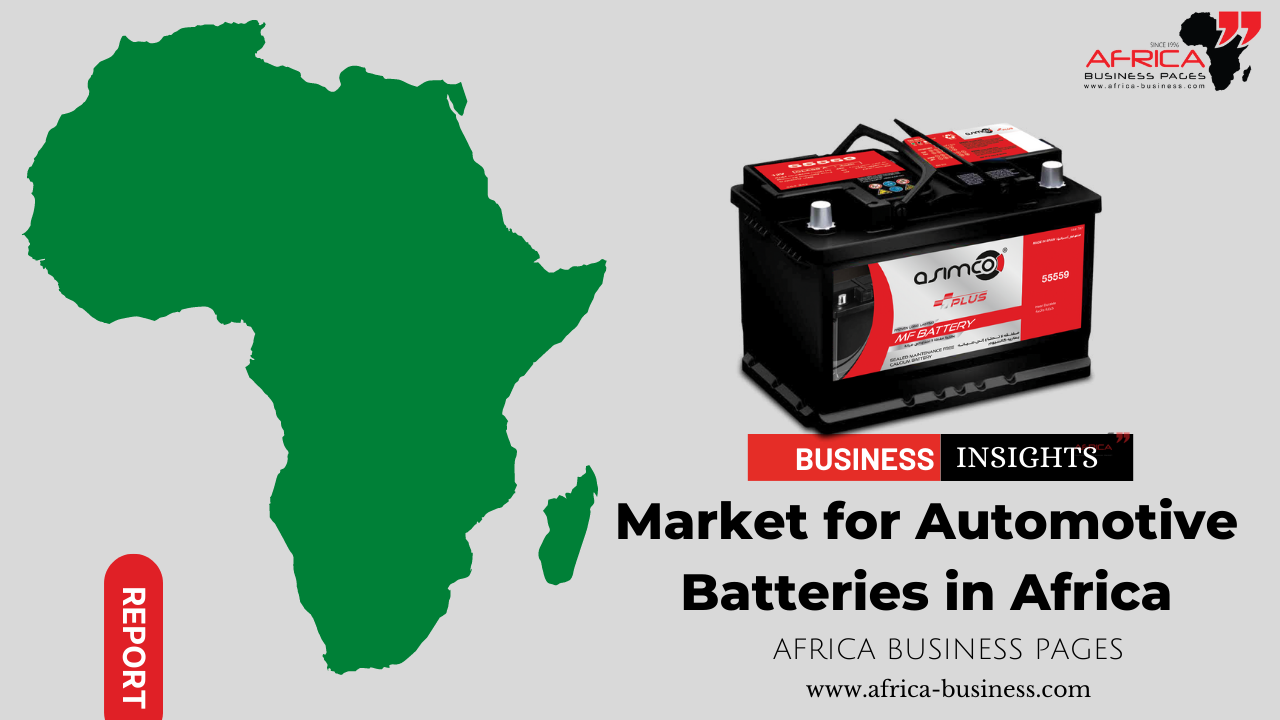
As Africa’s automotive market opens new opportunities for international companies, the demand for automotive batteries in Africa is expected to grow exponentially in the coming years. Africa automotive battery market is valued at roughly $ 2.3 billion in 2023 and is expected to grow at more than 5% per annum for the next five years. Factors responsible for this drastic increase in demand for automotive batteries in Africa can be attributed to the increasing use of two-wheelers and three-wheelers in African cities, easy availability of car financing and growth of an affluent middle class in Africa with increasingly disposable incomes. In the African continent, South Africa is the largest single market for automotive batteries valued at roughly US$60 million per annum. However, sub-Saharan Africa (SSA) consumes automotive batteries worth US$94 million per annum and is fast emerging as an attractive market for international suppliers. Leading suppliers of automotive batteries to African markets are France, Spain, China, Germany, Turkey, and Korea. In recent years, local automotive battery manufacturers in Kenya and South Africa have also entered the fray. Few of the major players operating in Africa automotive battery market include Asimco, Johnson Controls, First National Battery, SEBANG GLOBAL BATTERY, Assad Group, Federal-Mogul Motorparts LLC, Dixon Batteries, Hyundai Sungwoo Solite Co., Ltd., MARIBAT, Chloride Exide Botswana Pty Ltd., and Robert Bosch (Pty) Ltd. – to name a few. The automotive battery segment is likely to witness significant demand for the battery market in the Middle East and Africa region and is expected to be the leading end-user for lithium-ion batteries in the coming years. Moreover, expanding the 5th Generation based telecommunication network and implementation of Vision Documents in Saudi Arabia, UAE, Qatar, and Kuwait are likely to further aid the Middle East & South Africa battery market in the coming years. It is noteworthy here that in the past decade, demand for rechargeable lithium-ion battery has been growing due to the increased usage of mobile phones, computer tablets, and laptops. Since demand from both electric vehicles and consumer electronics has been steadily growing, much of the recent focus of battery development has been on lithium-ion batteries. Lithium-ion Batteries for African Markets Lithium-ion batteries are a rechargeable batteries commonly used in electronic devices and energy vehicles. These batteries are also being used to store energy from renewable energy sources such as solar and wind. The price of lithium-ion batteries declined steeply over the past ten years. In 2022, the cost of a lithium-ion battery was valued at approximately US$ 120 per kWh. This price has been falling continuously over the past 10 years and is expected to reach around USD 74/kWh by 2026, making it much more cost-competitive in the future.? Due to its fast recharge, high energy density, and high discharge power, lithium-ion batteries are the only available technology capable of meeting OEM standards for car driving range and charging time. Because of their lower specific energy and heavier weight, lead-based traction batteries are not competitive in total hybrid electric vehicles or electric vehicles. Lead Acid Battery for Hybrid Vehicles As the world moves towards hybrid vehicles, demand for lead acid batteries for short power bursts, such as starting a car engine or running light electrical loads, is also on the increase. As new government incentives boost the more towards hybrid vehicles the production and demand for lead acid batteries is also expected to grow in the next few years. In terms of product, the Africa lead acid battery market has been classified into flooded, sealed, AGM, and gel. The flooded segment dominated the Africa lead acid battery market with more than 65% share in 2022. The segment is expected to propel rapidly at a CAGR of 4% during the forecast period. The demand for flooded batteries is high due to their cost-effectiveness. The flooded batteries are widely adopted, owing to their high backup power and their ability to operate when charged partially. Flooded batteries are preferred in grid energy storage and utility. The flooded battery segment is estimated to augment two times faster than the absorbent glass mat (AGM) battery segment by the end of 2031, owing to an increase in the use of flooded batteries as commercial and residential backup batteries. On the other hand, manufacturers are diversifying their production for valve regulated lead acid battery types which are being publicized for their reverse power design since the electrolyte is captive, preventing it from spilling even when the case is punctured. Lead Acid Battery Market in Africa Based on country, the lead acid battery market in Africa has been segregated into Nigeria, Ethiopia, Egypt, South Africa, Kenya, Uganda, Algeria, and Ghana. South Africa accounted for a relatively large share of the lead acid battery market in Africa, in terms of revenue. Building & construction is a rapidly growing sector due to an increase in population in the country. Infrastructure development projects, booming industrialization, and construction activities are expected to be on the higher side in the country, which, in turn, is expected to supplement the demand for lead acid batteries for activities, such as backup, lighting & power tools. Furthermore, the Government of South Africa is focusing on investment in electric car makers to launch more electric vehicles. Enactment of regulations and carbon emission policies also boosts the lead acid battery market. All the above factors indicate why South Africa is a leading country of the lead acid battery market in Africa. Lead Acid Battery Market in Africa The demand analysis of Africa lead acid battery market indicates toward investment in research & development (R&D) activities to produce advanced, high-performance, and corrosion-free lead acid batteries. Furthermore, companies should increase awareness about the advantages of lead acid batteries, such as robust performance during sudden outages & power surges and low maintenance cost of batteries, in order to compensate for its high initial investment cost. Stakeholders operating in the Africa lead acid battery market are increasing the availability of different 12v lead acid battery types such as gel batteries that are eliminating the need for regular maintenance and help to prevent fluid leakage. COVID-19 Impact In the Middle East and Africa, the ongoing pandemic has drastically altered the status of the electronics sector and negatively impacted the growth of the battery market. The operations of several industries, such as electronics, automotive, and power, have been impacted by the pandemic, which has impacted the delivery cycle and increased import-export tariffs of batteries. The market has been impacted by the disruption in operational efficiencies and disruptions in the value chains attributable to the sudden closure of national and international borders. Disruptions in terms of sourcing of raw materials from suppliers and temporary closure of manufacturing bases due to lockdowns and quarantines have impacted the growth of the market during the pandemic. However, as economies are planning to revive their operations, the demand for batteries is expected to rise in the Middle East and Africa. The expanding demand for batteries across automotive, industrial, household, consumer electronics, and other industries, along with significant investment by prominent manufacturers, is expected to drive the growth of the battery market.

African buyers are snapping attractive deals in Dubai's fast-changing real estate market. Investors from Nigeria, for instance, have been among the top buyers of property in Dubai from Africa. African investors buying property in Dubai range from those fleeing high interest rates or economic uncertainty to super rich VVIPs, who include Africans looking for a safe haven for their money or to relocate to a safer and more attractive lifestyle far from their country of origin. Following in the footsteps of the "big buck" investors from Africa is a flood of ambitious, aspirational Africans, including the younger generation of tech startup entrepreneurs, social media influencers, cryptocurrency gurus who are shifting to Dubai in search of a richer, wider global audience. As a result, many real estate agents in Dubai are looking for opportunities to sell to African buyers, specially HNWIs, entrepreneurs, institutional investors and affluent African business persons. Interestingly, majority of Africans buying properties are relocating permanently to Dubai. The answer to that is simple – Dubai is one of the most dynamic and rapidly growing cities in the world, poised for even higher growth ratesin the coming years. Dubai also offers endless possibilities and opportunities to create wealth and enjoy a higher standard of living. By investing in Dubai real estate, African investors are able to join the many successful investors who have already taken advantage of the city's robust property market and experience the benefits of owning property in one of the world's most sought-after destinations. Experts believe that skyrocketing property prices in Dubai has attracted African investors who have made investments in buying a small property in Dubai, then sold it at a profit after some time – a practice known in the real-estate parlance as ‘flipping’. It is believed that most African buyers prefer buying property around $1 million (AED 3.67 million), although some African investors have bought as many as 5 or more properties at that price. Financial Ease Most African buyers also feel that it is relatively easier to transfer money to Dubai in order to make property purchases. Most banks in Dubai ask all investors to follow the procedure of know-your-customer (KYC) regulations and to comply with stipulated measures that have been in place to avoid money laundering transactions. Most Africans buying properties in Dubai comply with all these regulations and are now reaping rich benefits from the real estate investments. As a rule, most real-estate brokers check the names of buyers against two lists – the UAE local terrorists list as well as the United Nations Security Council Consolidated List. If any investor's name is present on any of these lists, the transaction is flagged and reported to the concerned authorities. Market Projections The market has not yet reached its peak with international demand based on “push factors” bringing people to the UAE, including the war in Ukraine but also the cost-of-living crisis, rising taxes and natural disasters, which are likely to continue. Off-plan properties offering a hedge against higher interest rates as well as luxury homes are likely to be prominent. According to data provided by the Dubai Center for Statistics, Dubai’s population is expected to grow to 6.2 million by 2040. This steady population growth will lead to more real estate projects, thereby making the Dubai property market an attractive investment opportunity. Not to mention the increased domestic sales as more and more residents opt to buy property instead of renting. Nigerians: Leading Property Buyers from Africa in Dubai Real Estate Market Nigerians have, by and large, emerged as one of the leading buyers from Africa buying property in Dubai. As a result a growing number of property consultants in Dubai are now targeting potential property buyers in the HNWI sector in Nigeria. This year Dubai's property market started to rebound and recover from the COVID inflicted economic recession and Nigerians have emerged among top foreign investors in the property sector in Dubai. Traditionally too the rich Nigerian have been known to invest in buying second homes in London, New York and Paris where they prefer to shop and holiday. Today, Dubai has emerged as one of the top destinations for property acquisition by rich Nigerians. Even during the COVID pandemic upto $6 billion had been invested in Dubai's property market by Nigerians during three years between 2019 to 2021. Why Africans invest in Dubai's Property Market For Africans investing in Dubai’s real estate sector it is a convenient process – as investors don’t have to complete arduous paperwork to make an investment as is the case in many other countries. An added incentive is the fact that purchasing a property worth AED1 million or above automatically makes the buyer eligible for a residence visa. The UAE government has also been one of the largest Middle Eastern investors in Africa and is planning to further strengthen bi-lateral trade and investments by opening new avenues to diversify two-way investments. As a result, Africans feel welcome in the UAE and are increasinly looking for longterm property investment opportunities in the UAE real estate market. Advertising in Africa – Real Estate Leads from Africa Africa Business Pages has been promoting Dubai's real estate sector among African investors through its multi-pronged advertising verticals to generate authentic business leads for real estate developers and real estate agents in Dubai. By connecting buyers with sellers, Africa Business Pages has contributed in further consolidating FDI between Africa and Dubai. African Business Pages has a database of over 2.2 million registered users in Africa. Using this unique database, the dedicated digital marketing team at Africa Business Pages is able to reach potential buyers in Africa and redirect them to developers and real estate agents in Dubai. From email marketing, social media promotions to WhatsApp marketing and content marketing, the team at Africa Business Pages is able to reach potential buyers in Africa and connect them with the right developers and real estate agents in Dubai. Database of HNWI / Property Buyers & Investors in Africa Africa Business Pages has compiled a dedicated database of High Net Worth Individuals (HNWI) in Africa who could be potential buyers in property and real estate projects in Dubai and other parts of the world. The database of property and real esate leads from Africa aims to further consolidate the direct investments from African buyers into Dubai booming real estate and property markets. By providing possible leads for property developers in Dubai as well as real estate agents in Dubai the database of African property buyers compiled by Africa Business Pages has helped connect property buyers in Africa with real estate developers and agents in Dubai. Property dealers and real estate developers in Dubai have been able to generate buyer leads from Africa using the Africa HNWI Directory and their target audiences like: Property Buyers from Angola Property Buyers from Botswana Property Buyers from Cameroon Property Buyers from Congo Property Buyers from D R Congo Property Buyers from Cote d'Ivoire Property Buyers from Egypt Property Buyers from Ghana Property Buyers from Kenya Property Buyers from Madagascar Property Buyers from Malawi Property Buyers from Mali Property Buyers from Mauritania Property Buyers from Mauritius Property Buyers from Morocco Property Buyers from Mozambique Property Buyers from Namibia Property Buyers from Nigeria Property Buyers from Rwanda Property Buyers from Senegal Property Buyers from South Sudan Property Buyers from Seychelles Property Buyers from Somalia Property Buyers from South Africa Property Buyers from Sudan Property Buyers from Tanzania Property Buyers from Tunisia Property Buyers from Uganda Property Buyers from Zambia Property Buyers from Zimbabwe Available exclusively on Africa Business Pages, the African HNWI Directory lists affluent African business people and potential buyers of overseas properties in as many as 25 African countries. By connecting with potential buyers in Africa, real estate developers and property agents are able to reach their target audiences in key African makets. Available for instant download, the Africa HNWI Directory is a perfect resource for those looking to reach potential property buyers in Africa.

Africa is indeed experiencing a significant shift towards digital printing, which is quickly overtaking conventional analog printing in various sectors such as packaging, advertising, and publishing. This trend is not only transforming the printing industry but also creating long-term revenue opportunities for businesses operating in these fields. There are indeed an estimated 2,000 commercial printing companies operating in Africa, ranging from small and medium-sized enterprises (SMEs) to micro-enterprises. These companies play a vital role in the printing industry, catering to a diverse range of clients and providing a wide array of services. In addition to the commercial printing companies, there are approximately 1,000 other companies in Africa that offer pre-press and post-press services. Pre-press services involve activities such as layout and design, which are crucial in ensuring that the final printed product meets the client's expectations. On the other hand, post-press services encompass various processes including binding and finishing, which give the printed materials their final touch. The presence of such a significant number of printing and related service providers across Africa reflects the growing demand for printing services in various sectors. Digital Printing in Africa The rise of digital printing in Africa is fueled by several factors. Firstly, digital technology offers greater flexibility and customization options, allowing businesses to cater to the specific needs and preferences of their clients. Digital printing also enables faster turnaround times, as it eliminates the need for cumbersome plate-making processes required in traditional printing methods. This speed and agility are particularly beneficial in industries requiring quick production, such as advertising. Among the different digital printing techniques, laser printing holds immense potential for further expanding the adoption of digital technology in Africa. Laser printers offer high-quality, precise prints with sharp details, thereby making them ideal for various applications. Moreover, laser printers are well-suited for producing a wide range of materials, including brochures, labels, and packaging materials, just to name a few. This versatility positions laser printing as a key driver in the continuous growth of the digital printing environment in Africa. As the digital printing industry continues to evolve and gain momentum in Africa, it is expected to bring about numerous advantages. For instance, digital printing can significantly reduce waste by allowing businesses to print the exact quantity required, thereby minimizing excess inventory. Additionally, it enables the personalization of printed materials, helping businesses create more engaging and targeted content for their audiences. In conclusion, the rapid development of digital printing in Africa, especially in packaging, advertising, and publishing sectors, presents exciting opportunities for businesses to embrace new revenue streams. With laser printing leading the way, the digital printing environment in Africa is poised for further growth and innovation. Africa's Print Industry As per the latest reports, the global printing market is experiencing steady growth, with optimistic projections for the coming years. In 2021, the market size was estimated to be $311.53 billion, and it is expected to reach $322.43 billion by the year 2022, indicating a compound annual growth rate (CAGR) of 3.5%. This growth trajectory is expected to continue, as the printing market is projected to further expand to $350.2 billion by 2026, with a CAGR of 2.1%. Dramatic rises in commercial printing are significantly attracting local and international players to invest in the African market, according to Transparency Market Research in a report on Africa’s printing market. It's worth noting that the growth in the global printing market is not limited to specific regions. Even in Africa, the printers market is expected to experience substantial growth, with an estimated value of over US$ 235.3 million by the end of 2031. This indicates a promising future for printing in Africa, as it presents ample opportunities for industry players to tap into a growing market and seize these emerging possibilities. These figures reflect the dynamic nature of the printing industry, which continues to evolve and adapt to the changing needs and demands of businesses worldwide. With the advent of new trends and technologies, the printing industry is witnessing a paradigm shift in how printing services are offered and consumed. From innovative printing techniques to the integration of cutting-edge digital solutions, the industry is embracing these advancements to enhance productivity and provide more efficient printing solutions. 3D Printing in Africa With the convergence of new trends and technologies, the printing industry is poised for a transformative journey ahead. From 3D printing and variable data printing to eco-friendly printing methods, the sector is at the forefront of innovation. This evolution is driven by the increasing demand for personalized printing solutions, sustainable practices, and efficient production processes. The printing industry's growth globally and within Africa signifies the industry's resilience and willingness to embrace advancements in order to meet the evolving needs of businesses and consumers. As trends and technologies continue to shape the future of printing, the industry is well-positioned to unlock new opportunities and drive further innovation in the years to come. Print Service Providers in Africa Cybersecurity has emerged as one of the top priorities for businesses across various industries, as they continue to grapple with the aftereffects of the pandemic. In this new era, where remote work and digital transformation have become the norm, organizations must be vigilant in safeguarding their systems and data against cyber threats. Within the realm of print services, Print Service Providers (PSPs) will need to give utmost importance to print security in the coming years. As PSPs often handle print projects involving multiple stakeholders, the risk of security breaches increases exponentially. With the rise of hybrid work environments, where employees alternate between working remotely and in-office, new challenges have arisen when it comes to ensuring the security of sensitive information. Hackers and malicious actors have become increasingly sophisticated in their cyberattack techniques, constantly adapting and adopting innovative methods to exploit vulnerabilities within organizational networks. This ever-evolving landscape poses a significant threat to the confidentiality, integrity, and availability of crucial data and systems. To tackle this growing menace, PSPs must adopt a proactive and comprehensive approach to print security. This involves implementing robust security measures, such as encryption protocols, secure file transfers, and access controls, to safeguard sensitive information throughout the entire print workflow. Additionally, regular security audits and vulnerability assessments can help identify and address any potential weaknesses or loopholes in the system. Furthermore, educating employees and stakeholders about the importance of print security and promoting secure practices can significantly enhance an organization's overall cybersecurity posture. This includes creating awareness about common cyber threats, implementing strong password policies, and fostering a culture of vigilance regarding suspicious emails or communication. In conclusion, as the prevalence of hybrid work environments continues to increase, Print Service Providers must place a strong emphasis on print security. By adopting robust security measures and fostering a culture of cybersecurity awareness, organizations can mitigate risks and ensure the protection of valuable data and assets in today's interconnected digital landscape.
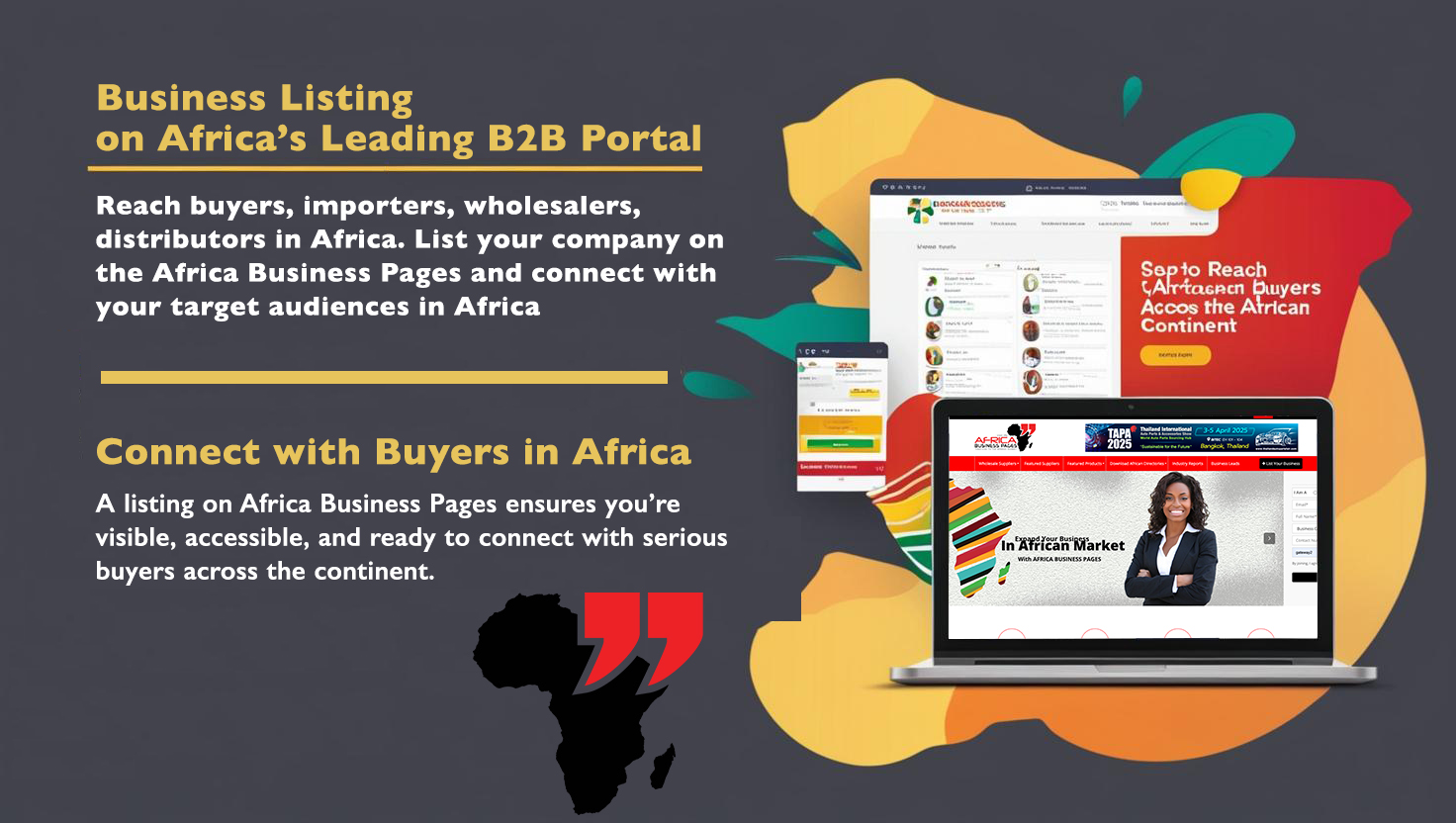
Remember the Bulky Yellow Pages and Telephone Directories? Gone are the days when businesses relied on the hefty Yellow Pages or Telephone Directories to get noticed. These once-essential tools have faded into obscurity, replaced by a faster, more efficient way to connect with customers – the internet. Today, when people need to find a business or a supplier, they don’t flip through telephone directories and yellow pages. They go online. That’s why having a strong digital presence is not just an option but a necessity for businesses looking to grow and thrive in today’s competitive marketplace. Stand Out in Africa’s Growing Marketplace Africa is rapidly emerging as a dynamic hub for business and trade, with buyers actively seeking reliable suppliers across various industries and business sectors. Listing your business on Africa’s leading B2B portal, Africa Business Pages, is the perfect way to position your company in front of African buyers and open doors to exciting new opportunities in Africa’s lucrative markets. Why Africa Business Pages? Africa Business Pages connects businesses from around the globe with the vast and growing African market. By listing your company on this award-winning B2B portal, you make it easier for buyers to find your products, services, and contact you for further details. This ensures that your business stands out in the digital marketplace and captures the attention of African buyers actively searching for suppliers like you. What You Get with a Business Listing Increased Visibility: Your company will appear on a platform frequented by African buyers looking for credible suppliers. Showcase Your Products: Upload 10 high-quality product pictures to give buyers a clear idea of what you offer. Visual representation plays a crucial role in attracting potential clients. Access to a Growing Market: With Africa’s economy on the rise, the demand for products and services is booming. Positioning your company in front of African buyers can lead to valuable partnerships and increased sales opportunities. Credibility and Trust: Being listed on a trusted portal like Africa Business Pages enhances your company’s reputation and establishes your credibility in a competitive market. Find Buyers, Importers in Africa Don’t let your business get lost in the vastness of the digital world. A listing on Africa Business Pages ensures you’re visible, accessible, and ready to connect with serious buyers across the continent. Take the leap. Showcase your company to an African audience. Make your business easy to find – because your next big client could be searching for you right now!
Preliminary request for participation in the trade show
place
calendar_today
Preliminary request for visitor registration
Visitor Registration
place
calendar_today