

Ghana: Gateway to West Africa
folder_open West Africa
Ghana has firmly established itself as a premier commercial hub and the gateway to West Africa. Recent progressive amendments to Ghana’s Investment Code have opened up a wide array of new business opportunities. The Ghana Investment Promotion Centre (GIPC) Act guarantees the freedom for foreign investors to establish and run enterprises in highly lucrative sectors such as natural gas, renewable energy projects, agro-processing, pharmaceuticals, and information technology.

Mandarin Gaining Popularity in Africa
folder_open Articles
Contemporary Africa-China relations have a long history and began around the 1950s, when China signed the first official bilateral trade agreements with Algeria, Egypt, Guinea, Somalia, Morocco, and Sudan. As of the 21st century, the number of Chinese citizens in Africa is estimated to be over 1,000,000, while the African diaspora in China remains a vibrant community of around 200,000.
The Booming African Markets
folder_open Business Outlook
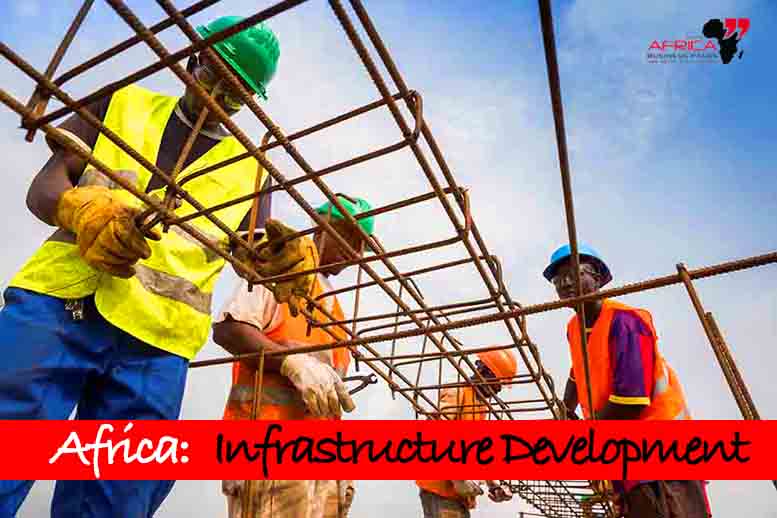
Historically, energy deficits severely hampered continental growth, but massive systemic changes have reshaped the landscape. While estimates once indicated that the African continent lost two percentage points of GDP growth annually as a result of its infrastructure deficit, aggressive national and pan-African electrification and infrastructure mega-projects have radically shifted this trajectory. Today, massive off-grid solar deployments and upgraded power grids are rapidly bridging the gap, bringing electricity to millions of previously unserved households.

Finding Business Partners in Africa
folder_open Business Outlook
Doing business in African countries is different in innumerable ways, and there is no rule book to execute the perfect strategy. We spoke with many experts in both the private and public sectors to gain a better understanding of the most effective approaches for investing and operating in these diverse markets. We have synthesized insights from interviews with those doing business in Africa to create the PAL Principles, which will help a mid-sized company to develop and implement its best strategy for African markets. This framework can be applied to any business, from the moment management decides to explore an African market as a potential option to after initial investments have been made.
A few years back the Chinese Premier had toured Africa in quest of Africa's resources and markets. He also visited Ghana where he pledged to help the west African nation "achieve its developmental objectives." During his brief visit to Ghana, the Chinese premier also inaugurated a highway project funded with a US$28 million soft loan from China. The highway links land-locked Burkina Faso, Mali and Niger to the Ghana's port city and main business centre of Accra.
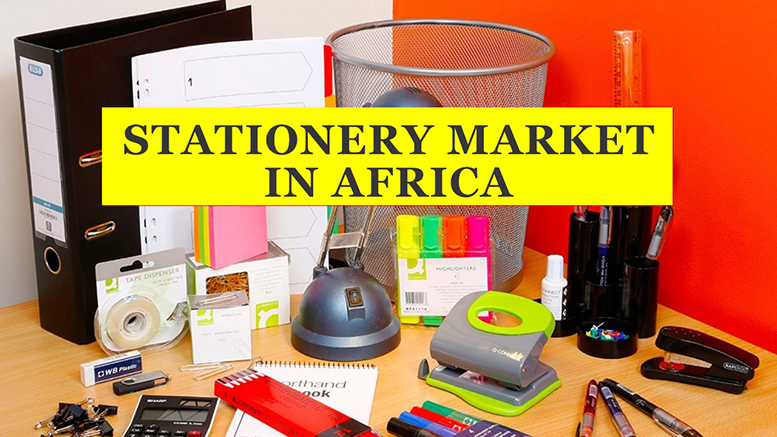
Africa represents a massive, rapidly expanding market for stationery, and a host of enterprising traders in Dubai are busy fulfilling a major slice of this demand. By consolidating products sourced from North America, Europe, and the Asia-Pacific region, Dubai-based wholesalers are uniquely positioned to supply the entire gamut of office and school supplies—including high-volume photocopy paper, writing instruments, sticky tapes, note pads, and specialized drawing instruments.
Ghana: A Businessman's Guide to Tunisia
folder_open West Africa
In recent years, Ghana has emerged as a major importer of goods from Dubai. Having established itself as one of the prime business centres in the West African region, Ghana has earned the reputation of being the leading distribution hub of the region. Sustained economic reforms and a rapidly developing infrastructure have helped Ghana cement its status as a premier commercial gateway in West Africa.
The Telecom Sector in Africa
folder_open Articles
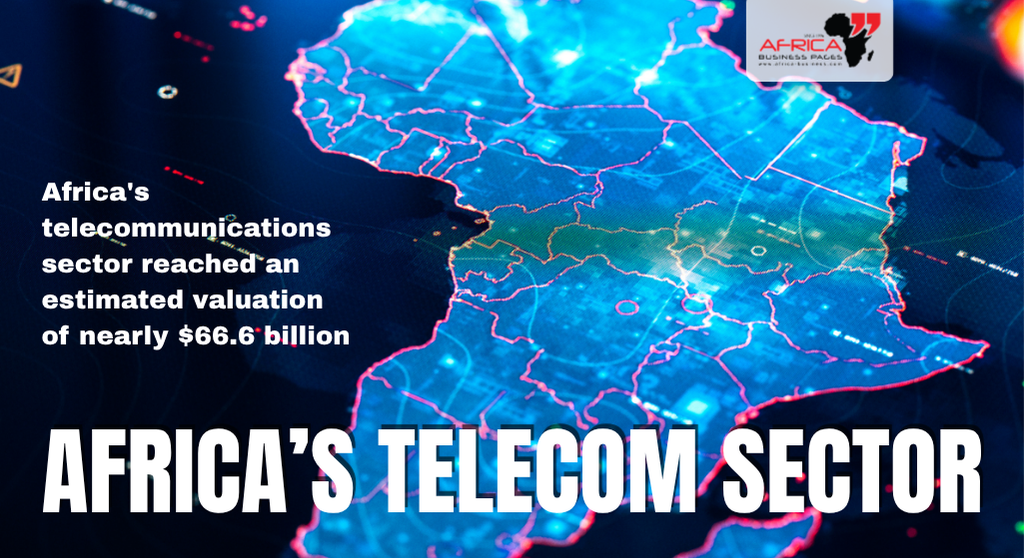
Africa presents massive, continued opportunities in the telecom sector. The historic liberalisation of the sector, the extension of services by multinational conglomerates and the active competition currently in place have all contributed to an unprecedented digital revolution. Since the processes of liberalisation and privatisation were first embraced by African countries such as Uganda, Tanzania, Nigeria, the Sudan, South Africa and Kenya, their telecommunication infrastructures have improved drastically. Many African governments successfully developed their foundational telecommunication infrastructure by privatising their former state-owned enterprises. As a result, the telecom sector in the African market has consistently opened up new vistas of business opportunities. Africa has maintained its position as one of the fastest-growing mobile markets globally over the past decade. The subscriber base has expanded massively, with hundreds of millions of unique mobile users across the continent today, driven by dynamic markets like Nigeria and South Africa where digital adoption continues to accelerate at a remarkable pace. Mobile telephony has a uniquely positive and significant impact on economic growth, and this impact is proving to be vastly larger in developing digital economies than in traditionally saturated markets.

African countries are in the spotlight once gain as demand in Africa for IT related products like computer hardware, peripherals and accessories continues to grow with the passing of each year. A large portion of this demand is being serviced by Dubai-based computer companies – both traders and manufacturers.

An explosive upsurge in the number of motorbikes across Africa has led to a massive increase in motorcycle spare parts businesses, as traders seek to cash in on the transport boom. This sector is currently one of the most lucrative and fastest-growing in the East African region, with independent traders and global suppliers alike rushing to satisfy the surging aftermarket demand.
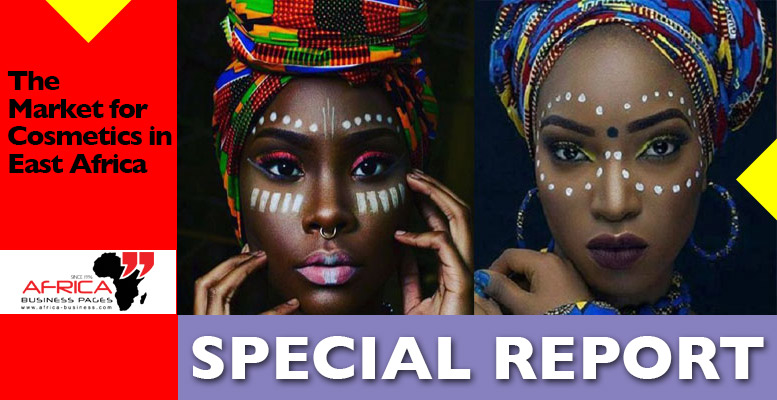
Africa presents one of the fastest developing and most dynamic beauty markets in the world, with the demand for specialized haircare and skincare products growing at a frantic pace. There is a massive, pent-up demand not only for premium dermocosmetics from Europe and North America but also for clinically backed personal care formulations engineered globally.
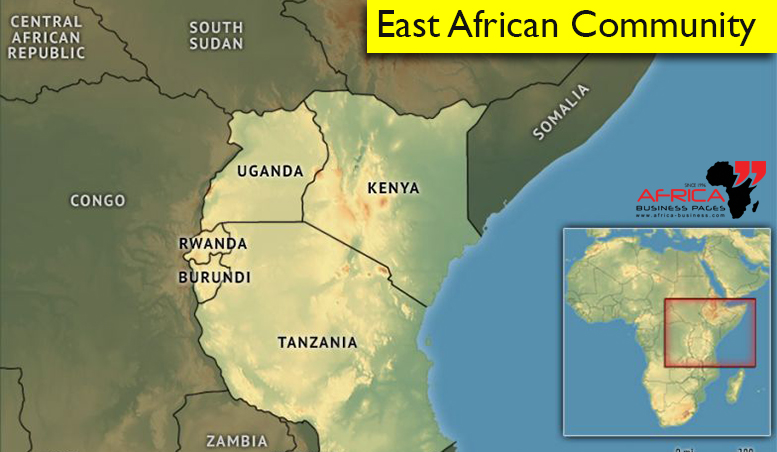
The East African Community (EAC) has evolved into one of the fastest-growing and most integrated regional economic blocs in the world. Originally revived in 2000 by the three founding states of Kenya, Uganda, and Tanzania, the trade bloc works towards economic policies that are fiercely pro-market, pro-private sector, and pro-liberalisation. By pooling resources and promoting seamless free trade within the region, the EAC aims to emerge as the undisputed economic powerhouse of the continent.
Preliminary request for participation in the trade show
place
calendar_today
Preliminary request for visitor registration
Visitor Registration
place
calendar_today