

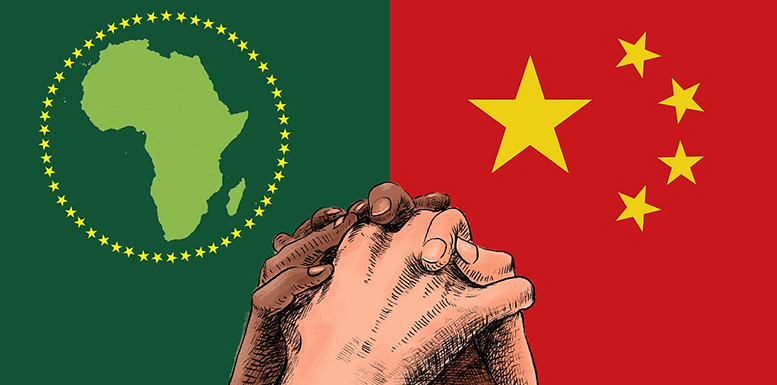
The positive business environment in Africa has long been noticed by the international community, and investments into the continent have been flowing from various global powers. China, acting as one of the most prominent economic forces, has deeply embedded itself into African markets. Trade between China and Africa has been registering unprecedented growth, currently standing at a record-breaking $348 billion as of 2025.
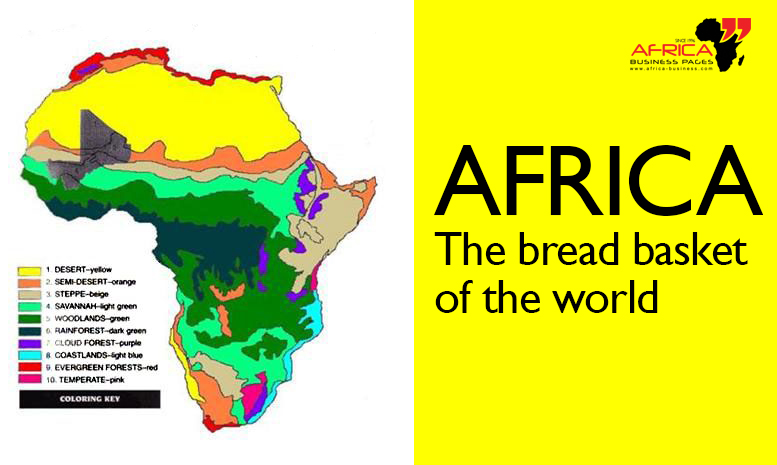
With a rising world population and the imminent danger of global food shortages in the coming decades, Africa is well poised to become the global breadbasket and a major supplier of sustainable food. Africa undoubtedly holds large chunks of open, arable land that are increasingly being viewed as the primary source of future food supplies for the rapidly expanding global population.
Africa presents one of the fastest developing markets in the world, and the demand for cosmetics and personal care products is growing at a frantic pace. Not only is there a huge pent-up demand for upmarket products from Europe and North America, but there is also a booming appetite for the entire range of beauty and personal care products from major manufacturers around the world.
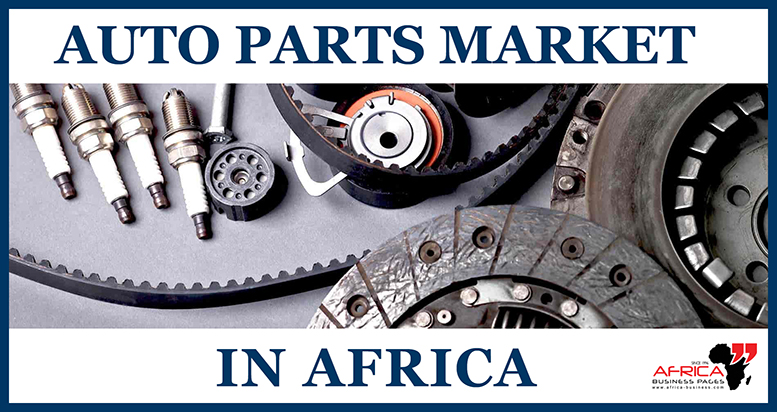
The rapid industrialisation, urbanization, and modernization sweeping through the African continent has resulted in an unprecedented demand for automotive capital goods, including machinery, lubricants, and replacement parts. The market for automobile spare parts, in particular, has evolved into a highly lucrative sector for UAE-based enterprises, who utilize Dubai's world-class logistics infrastructure to maintain their position as the leading suppliers to East, Central, and West Africa.
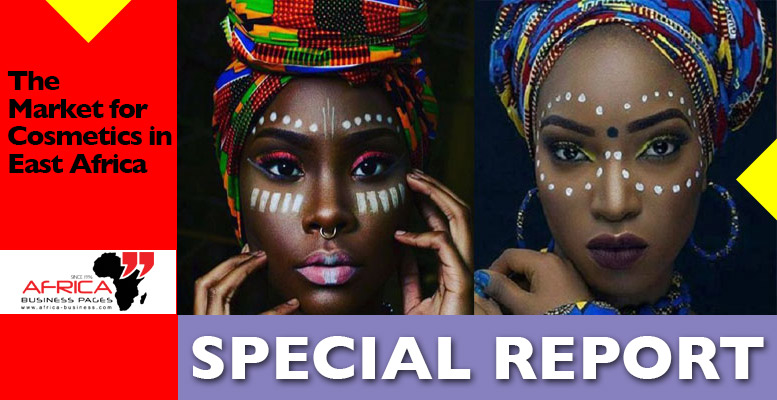
Fast-growing economies such as Uganda, major markets such as Kenya and Ethiopia, a rising middle-income class, population growth – mostly in Uganda – and increased urbanisation, are all driving the markets for cosmetics and personal care products to new heights in the East Africa region.” says Erica Davies, area sales manager of Oriflame in Tanzania.
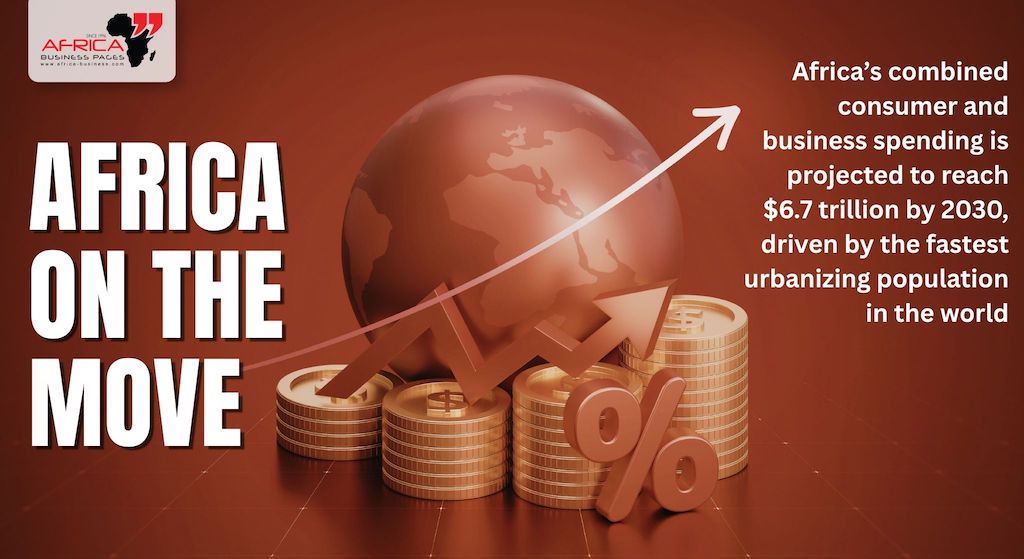
While many historically wrote off Africa as the continent of despair, enterprising individuals, multinational corporations, and forward-thinking organizations have long recognized the huge, untapped potential of the region. Today, they are actively pursuing and scaling highly lucrative business ventures across the continent.
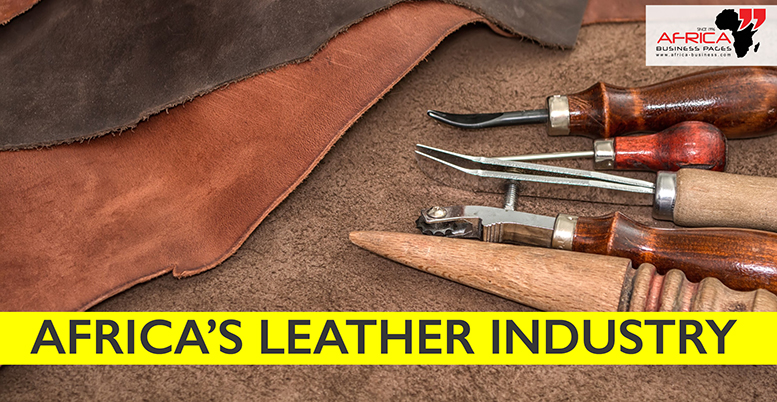
Leather from Africa in Big Demand
folder_open Business Outlook
Africa is fast emerging as one of the premier future markets for sourcing quality leather and hides for the booming global leather industry. Leather and leather products are among the most widely traded and universally used commodities in the world. Already, the total value of annual trade is estimated at 1.5 times the value of the meat trade; more than five times that of coffee, and more than eight times that of rice.
Duties, excise taxes, and import levies can be obtained through the South African Revenue Service (SARS) or the Department of Trade, Industry and Competition (dtic). Because South Africa’s tariff schedule is organised by the Harmonised System (HS)—typically requiring an 8-digit tariff code—you must supply the exact HS number for your product to get an accurate rate. To obtain exact classifications, you can consult the official SARS Tariff Book online or contact the commercial section of the South African Embassy in your country.
While significant risks remain, we challenge those shying away from investing in Africa to consider the following arguments. First, many of the perceived risks are myths. Second, careful analysis will demonstrate that Africa is not a monolith, and an informed investor can find the right fit. Finally, this is not a journey that a mid-sized company has to take alone. Resources and expertise are increasingly available.
The rising trade between Dubai and Africa has prompted the Dubai Chamber of Commerce to announce the opening of new offices in Africa. The Dubai Chamber of Commerce already has representative offices in Nairobi (Kenya), Maputo (Mozambique), Accra (Ghana), Johannesburg (South Africa). The mandate of Dubai Chamber offices in Africa is to gather market information and to facilitate bilateral opportunities between Dubai and Africa. To do this, the Dubai Chamber offices in Africa offer a variety of services that helps to promote and represent Dubai in Africa and attract African companies to Dubai More offices might be opened in other key markets in Africa in the coming years.
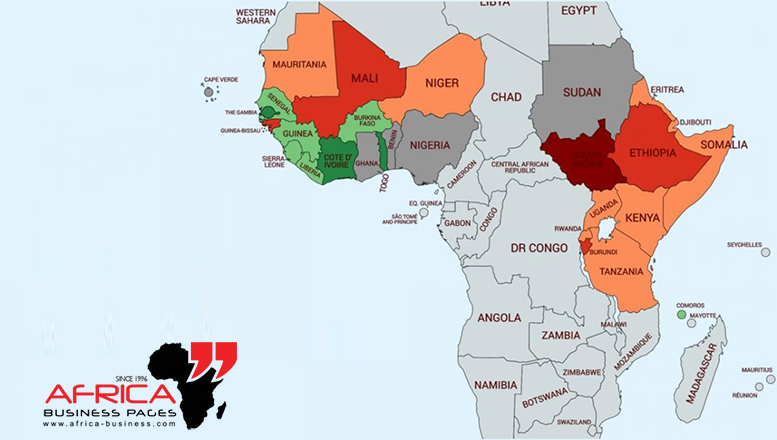
East and West Africa may be on the same continent, just a few hours' flight from each other, and with complementary economies that make them natural trading partners. Yet, historically, they have remained economically disconnected.
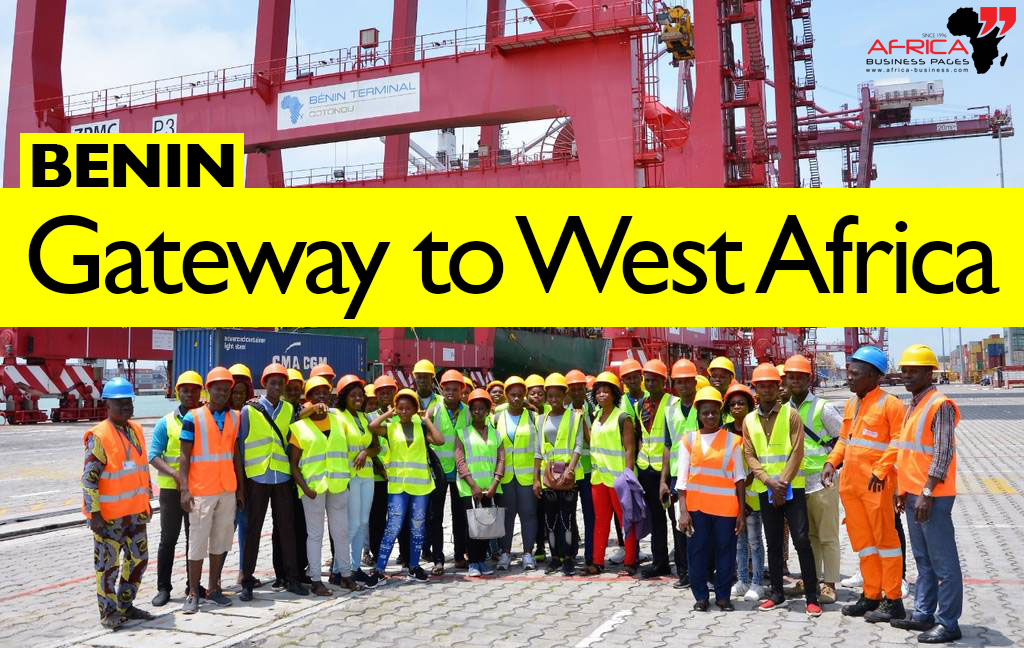
Benin has rapidly emerged as a premier logistics and transit hub for goods destined across West Africa. The country's lucrative re-export trade model involves importing goods from global markets—especially from Asia and the Middle East—and officially re-exporting them to neighboring countries, most notably Nigeria. Benin’s status as a regional distribution powerhouse dates back to the late 1960s, but today's modern trade dynamics have drastically scaled the volume of traffic. A massive influx of textiles, vehicles, electronics, and agricultural products is currently routed through the Port of Cotonou to meet the surging consumer demand in Nigeria and landlocked nations.
Preliminary request for participation in the trade show
place
calendar_today
Preliminary request for visitor registration
Visitor Registration
place
calendar_today