Browse News by Category

The research team at Africa Business Pages has compiled a valuable database of pharmaceutical companies in Africa through painstaking work across more than 20 African countries. The result is the compilation of the first ever Africa Pharmaceutical Directory which lists more than 6,500 pharmaceutical companies in Africa. This database of pharmaceutical-related companies in Africa lists wholesalers of pharmaceuticals in Africa, pharmacies in Africa, pharmaceutical retailers in Africa, hospital suppliers in Africa, Pharmaceuticals Distributors, Clinics & Hospitals, Government Medical Clinics, Medical Institutes as well Manufacturers of Pharmaceuticals in Africa.
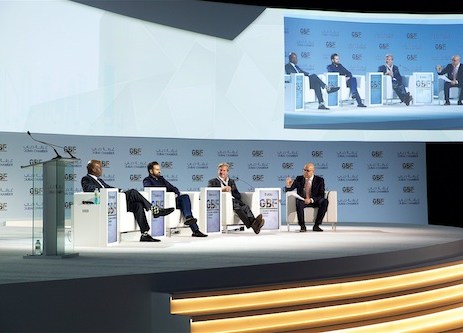
Dubai, UAE – Digital infrastructure and agriculture in Africa are key growth areas that are expected to attract a higher level of investment, a panel of financial experts said during the fourth Global Business Forum on Africa in Dubai.
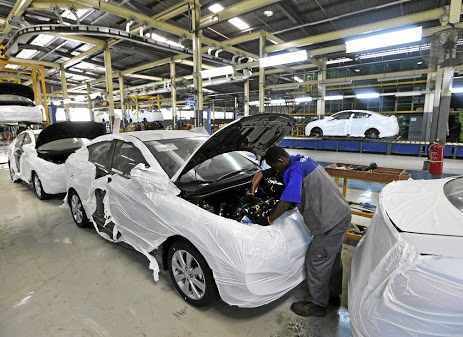
The automotive manufacturing industry in Africa is growing fast. Automotive production in Africa is growing industry as more and more manufacturers move closer to their African customers and discover the advantages of low-labour costs and tax holidays. Demand for automobile spare parts in Africa is also growing. The automotive production industry in South Africa is nearly 100 years old. In the 1980s and 1990s, Nigeria achieved significant production and production occurs in Egypt and more recently Morocco. Smaller production activities take place in Kenya and some decades ago in Zimbabwe. However, currently significant modern assembly is largely located in South Africa.
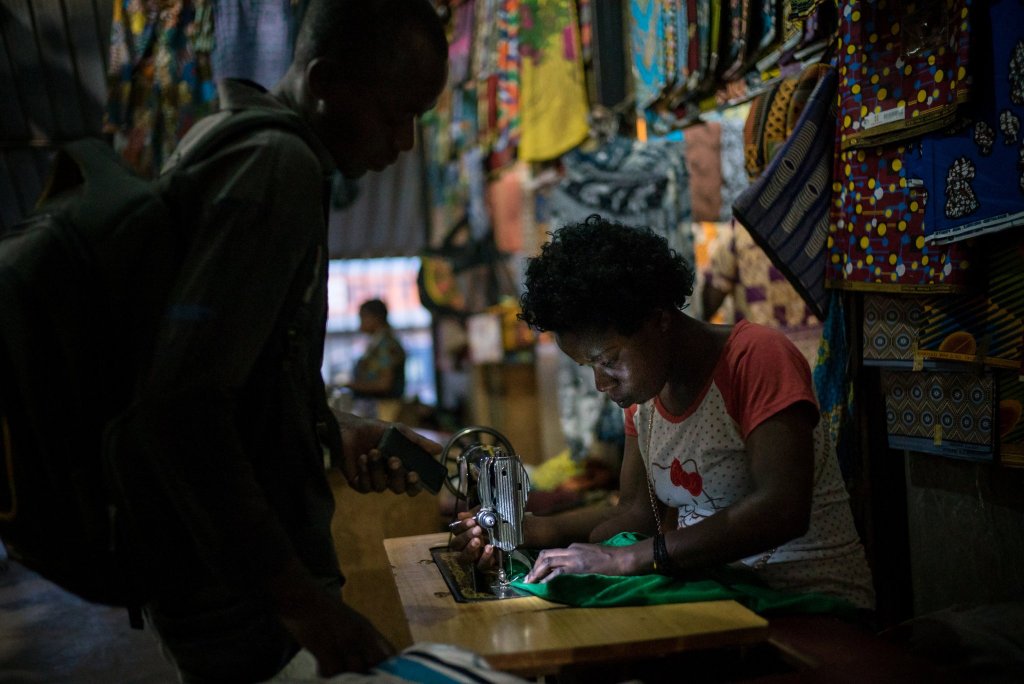
East African countries could ban imports of used clothes and second-hand cars in the next three years, putting an end to a lucrative trade in the region. The EAC directed member countries to buy their textiles and shoes from within the region with a view to phasing out imports by 2019.
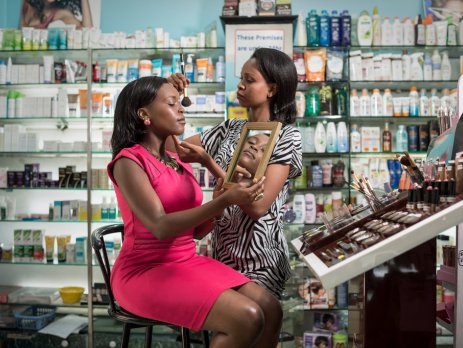
The cosmetics market and beauty products market in African is poised for unprecedented growth. African consumers have long been asking for products adapted to their hair, skin and body specificities. Africa remains a largely untapped market where consumers are screaming out for quality products adapted to their specific needs. For example, African skin requires darker shades than make-up lines traditionally offer.
Preliminary request for participation in the trade show
place
calendar_today
Preliminary request for visitor registration
Visitor Registration
place
calendar_today